UP: Case against company, other organisations for providing forged halal certificates to boost sales
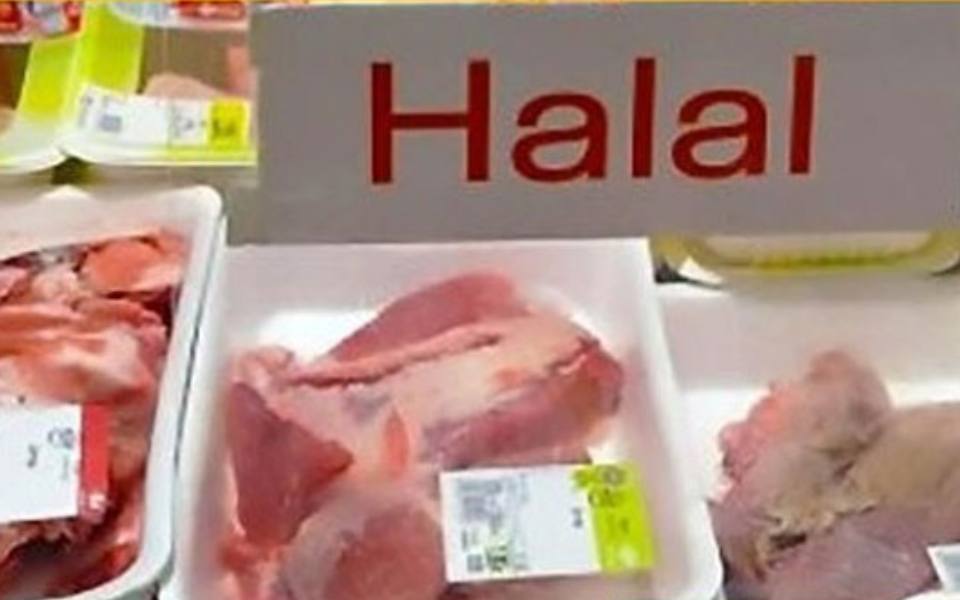
Lucknow, Nov 18: Police here have registered a case against a company and a few other organisations for allegedly exploiting people's religious sentiments to boost sales by providing forged halal certificates.
The case was registered at the Hazratganj police station in Lucknow on Friday on the basis of a complaint lodged by Shailendra Kumar Sharma, a resident of Motijheel Colony in Aishbagh.
The case has been registered under sections 120B (criminal conspiracy), 153A (promoting enmity between different groups), 298 (uttering words, etc, with deliberate intent to wound the religious feelings), 384 (extortion), 420 (cheating and dishonestly inducing delivery of property), 467 (forgery of valuable security, will, etc), 468 (forgery for purpose of cheating), 471 (using as genuine a forged document or electronic record) and 505 (statements conducing to public mischief) of the IPC.
The case has been registered against entities such as the Halal India Private Limited Chennai, Jamiat Ulama-i-Hind Halal Trust Delhi, Halal Council of India Mumbai, Jamiat Ulama Maharashtra and others for allegedly exploiting religious sentiments to boost sales by providing halal certificates to customers of a specific religion, the UP government said in a statement on Saturday.
Citing the FIR, the statement said that the said companies allegedly issued forged halal certificates to various companies for financial gains, fostering not only social animosity but also violating public trust.
The complainant has raised concerns over a potential large-scale conspiracy, indicating attempts to decrease the sale of products from companies lacking the halal certificate, which is illegal. There is an apprehension that this unfair advantage is being passed on to anti-social and anti-national elements, it added.
The issuance of halal certificates for vegetarian products like oil, soap, toothpaste, and honey, where no such certification is necessary, suggests a deliberate criminal conspiracy targeting a specific community and its products, it said.
The complainant further alleged that, under the guise of religion, "unrestrained propaganda" is being pursued within a particular section of the society to discourage the use of products lacking a halal certificate. This, in turn, harms the business interests of other communities.
The complainant also expressed concern over these individuals amassing disproportionate profits and potentially channelling funds towards supporting terrorist organisations and anti-national endeavours, the statement said.
Let the Truth be known. If you read VB and like VB, please be a VB Supporter and Help us deliver the Truth to one and all.
Three private doctors arrested in illegal scanning case involving 31 minor pregnant girls in KR Pet
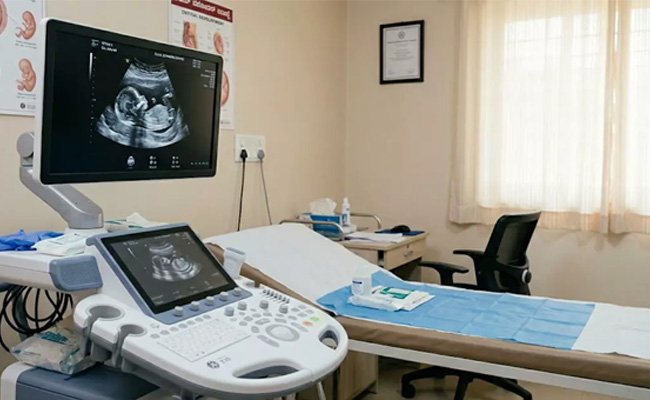
Mandya: Police on Tuesday arrested three private doctors in connection with a case involving alleged illegal scanning of 31 minor pregnant girls at a private diagnostic centre in KR Pet. The accused were later remanded to judicial custody.
The arrested doctors have been identified as Dr. Divyachetan of Chetana Maternity Centre, Dr. Harshit of Navi Diagnostic Centre, and Dr. Harish of Kushal Diagnostic Centre.
Police said Priyanka, a gynaecologist attached to a government hospital, is absconding and efforts are under way to trace her.
The case came to light after Karnataka Lokayukta Police recently conducted raids, during which illegal sex determination tests on minor pregnant girls were allegedly detected at two diagnostic centres in KR Pet town.
Following the raids, District Health and Family Welfare Officer Dr. Mohan, Deputy Director of the Women and Child Development Department P.S. Asha, and District Child Protection Officer Rashmi inspected several diagnostic centres and filed cases at KR Pet Town and Rural police stations.
According to the allegations, Navi Diagnostic Centre conducted scans on 24 minor pregnant girls, including 19 cases in 2024 and five in 2025. Kushal Diagnostic Centre is accused of conducting scans on seven minor pregnant girls.
Meanwhile, Deputy Commissioner Dr. Kumar has directed taluk vigilance committees to inspect all 63 ultrasound scanning centres in the district and submit reports within 10 days.
Officials said the Tahsildar of each taluk has been appointed chairperson of the respective committee.