Uttar Pradesh Govt. order on SC list not proper: Centre
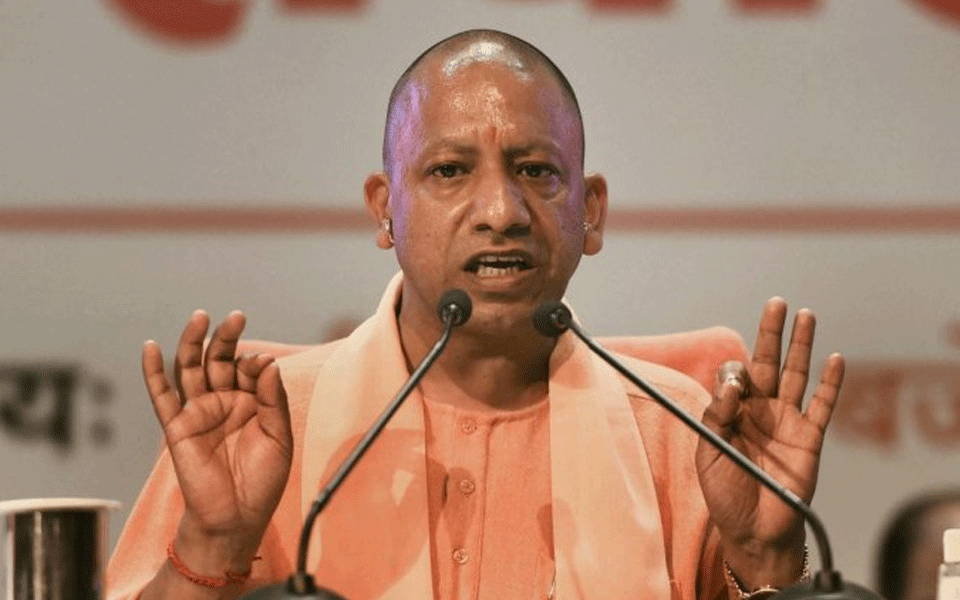
New Delhi: The Centre Tuesday said the BJP- led Uttar Pradesh government's move to include 17 communities belonging to OBCs in the Scheduled Castes (SC) list was not in accordance with the Constitution as only Parliament has the right to do so.
"This is not proper," Social Justice and Empowerment Minister Thawar Chand Gehlot said in the Rajya Sabha after the matter was raised by BSP member Satish Chandra Misra during the Zero Hour.
The Uttar Pradesh government had on June 24 directed district magistrates and commissioners to issue caste certificates to 17 OBCs - Kashyap, Rajbhar, Dhivar, Bind, Kumhar, Kahar, Kewat, Nishad, Bhar, Mallah, Prajapati, Dhimar, Batham, Turha, Godia, Manjhi and Machua.
Gehlot said if the UP government wants to go ahead with its proposal it should follow procedure and send a proposal to the Centre.
"We would then consider it," he said.
Gehlot further said the order of the UP government was not in accordance with the Constitution. He asked the UP government not to issue certificates based on the order else the matter may go to court.
The minister, who is also leader of the Rajya Sabha, said shifting of one category to another caste category is the right of Parliament.
In the past also three-four similar proposals were sent to Parliament, but not agreed upon, he noted.
Gehlot further said the state government should have followed proper procedure. Chairman M Venkaiah Naidu asked Gehlot to advise the state governmnet to follow due process.
Raising the issue through a Zero Hour mention, Misra said under Article 341 sub clause (2) of the Constitution, the power to make changes in the SC list lies only with Parliament.
"Even President (of India) does not have the power to tinker, alter or make changes (in the list)," he said, adding these 17 castes will neither get benefits meant for OBCs nor SCs since a state government has no power to make any alteration to the SC list.
He said the BSP was in favour of including 17 castes in SC but only after following prescribed procedure and increasing SC quota proportionately.
"The power of Parliament cannot be upsurged by a state," he said.
The BSP leader wanted the Centre to issue an advisory to the Uttar Pradesh government to withdraw the "unconstitutional order" as it is harming castes.
The BJP government in UP is not the first to move on the 17 most backward castes in the OBC list. In 2005, the SP government of Mulayam Singh Yadav passed the first order to include 11 of these castes but the order was stayed and the proposal sent to the Centre.
Subsequently, the BSP government of Mayawati quashed the notification.
The BSP later said these castes could be included in the SC list provided the SC quota is increased. The SP government of Akhilesh Yadav cleared the inclusion proposal ahead of the 2017 assembly elections but it was challenged and is in court.
Misra said Article 341 provides that the President specify castes, races or tribes or parts of or groups to be Scheduled Castes after Parliament may by law include or exclude from the list of Scheduled Castes.
The move by the Adityanath government comes ahead of by- elections to 12 Assembly seats in the State.
Let the Truth be known. If you read VB and like VB, please be a VB Supporter and Help us deliver the Truth to one and all.
What is Iran’s 10-point plan? Key demands ahead of US talks in Islamabad
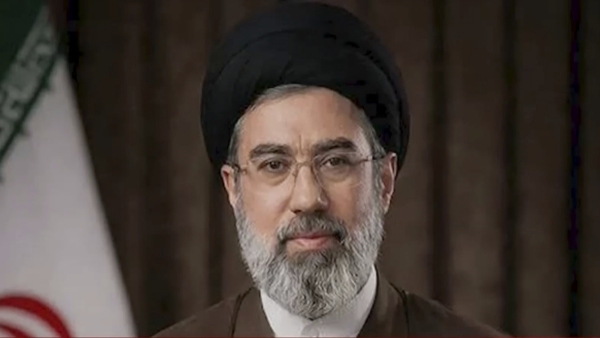
Tehran/Islamabad: Iran has outlined a 10-point plan as the basis for upcoming talks with the United States, expected to begin in Islamabad on April 11, according to a statement from the Iranian Supreme National Security Council.
The plan lays out Tehran’s key political, military and economic demands, and is being seen as a framework for negotiations following the recent escalation in the region.
Strait of Hormuz at the centre
A major focus of the plan is the Strait of Hormuz, a critical global shipping route. Iran has proposed “controlled passage through the Strait of Hormuz in coordination with the Iranian armed forces,” which it says would give the country a unique economic and geopolitical position.
The plan also calls for the “establishment of a safe transit protocol” in the Strait that would guarantee Iran’s dominance under an agreed mechanism.
Call to end conflict
Iran has demanded “the necessity of ending the war against all elements of the axis of resistance,” signalling its expectation that hostilities should stop not only in Iran but also involving allied groups in the region.
US troop withdrawal
Another key demand is the “withdrawal of US combat forces from all bases and deployment points in the region,” indicating Tehran’s long-standing position against American military presence in West Asia.
Sanctions relief and compensation
The plan places strong emphasis on economic measures. It calls for “full payment of Iran’s damages according to estimates,” along with “the lifting of all primary and secondary sanctions and resolutions of the Board of Governors and the Security Council.”
It also seeks “the release of all Iranian assets and properties frozen abroad,” which have been a major point of contention for years.
Binding global guarantee
Finally, Iran has demanded that all these terms be formally recognised through “a binding Security Council resolution,” suggesting it wants international legal backing to ensure enforcement.
What this means
The 10-point plan reflects Iran’s broader push for security guarantees, economic relief and regional influence. The upcoming talks in Islamabad are expected to test how far both sides are willing to negotiate on these demands.