Will you apologise now? Netizens ask news anchor Sushant Sinha for giving clean chit to Anil Masih
Anil Masih admitted in SC of tampering with ballot papers in Chandigarh mayoral polls
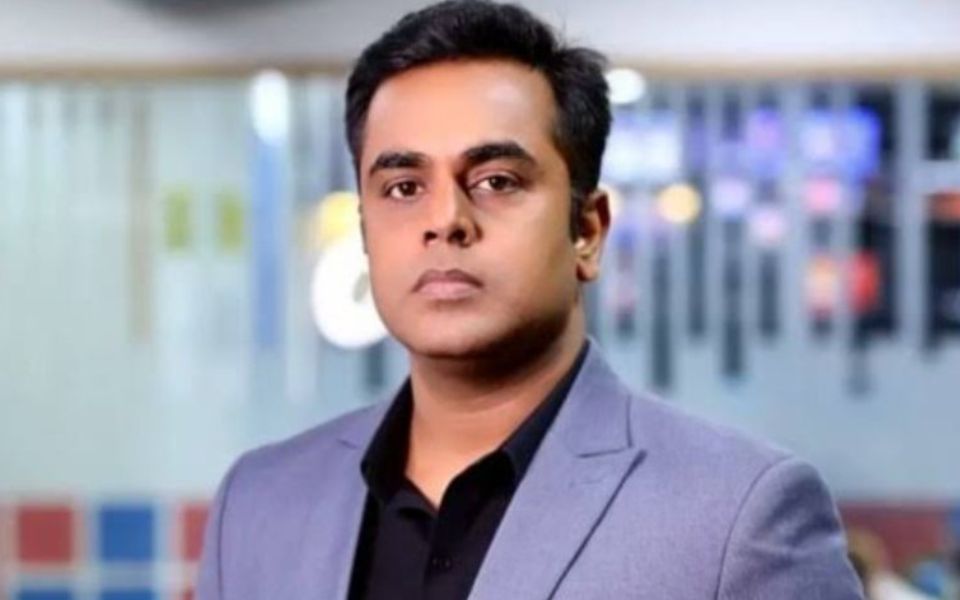
New Delhi: In what turned out to be major development on Monday regarding the alleged ballot paper tampering during last month's Chandigarh mayoral election, Times Now Navbharat news anchor Sushant Sinha has found himself in the spotlight. Sinha, who also runs a YouTube channel, had staunchly defended the Chandigarh returning officer, Anil Masih, in the face of damning accusations.
Masih had been accused of putting marks on Aam Aadmi Party (AAP) and Congress votes, a claim that gained traction when CCTV footage surfaced, seemingly showing Masih tampering with ballot papers. Sinha, however, had come to Masih's defense, suggesting that the video portrayed a routine electoral process rather than intentional tampering. He insinuated that the opposition, particularly the BJP's rivals, was manipulating the narrative to their advantage.
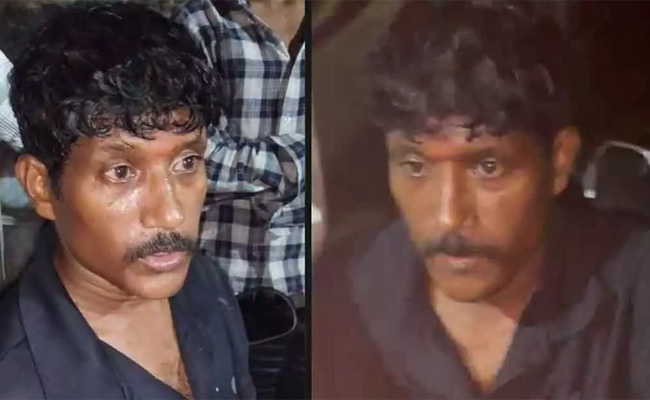
The tables have now turned as Anil Masih has admitted to adding a mark on eight cast ballots that he later declared invalid. These marked ballots played a crucial role in the victory of the now-resigned BJP mayor, Manoj Sonkar.
Masih attempted to justify his actions by claiming that he marked ballots that were already defaced by councillors during the voting process. According to Masih, these additional marks were meant to differentiate the ballots and prevent confusion.
However, the Chief Justice of India, D.Y. Chandrachud, rebuffed Masih's defense, pointing out that the rules did not provide for such additional markings on ballot papers. The bench emphasized that Masih's interference with the election process warranted prosecution.
The Supreme Court has now taken matters into its own hands, deciding to personally examine the ballots on Tuesday, February 20. The bench ordered the production of the ballot papers, currently in the custody of the registrar general of the Punjab and Haryana high court, for this purpose. Furthermore, the presiding officer, Anil Masih, has been directed to be present during the hearing.
In the wake of this development, social media users were quick to criticize Sushant Sinha for his earlier defense of Masih, particularly as the Supreme Court's actions were seen as a sharp rebuke to what has been dubbed 'Godi Media.' Sinha's initial support for Masih, now proven misguided, has drawn widespread condemnation on various social media platforms, with users questioning if Sinha will come out publicly to apologise for his actions of giving clean chit to Masih.
This guy @SushantBSinha defended Chandigarh returning officer when the whole world saw him putting marks on AAP & Congress votes.
— Amock (@Politics_2022_) February 19, 2024
Today, Anil Masih has accepted his fault and agreed that he cheated.
Will Sushant Sinha apologize for his B&D behavior?#ChandigarhMayorElection pic.twitter.com/nlz4hgvf0Q
Let the Truth be known. If you read VB and like VB, please be a VB Supporter and Help us deliver the Truth to one and all.
Bengaluru resident booked for obstructing, verbally abusing female officials engaged in census work

Bengaluru (PTI): An FIR was registered on Saturday against a resident here for allegedly obstructing and verbally abusing female officials engaged in the National Census-2027 work, police said.
The incident took place between April 20 and April 25 within Ward No 43 in R T Nagar area, they said.
According to the complaint lodged by Lokesh S P, Census Charge Officer for Bengaluru North City Corporation, on April 20, Veena, an enumerator assigned to Ward No 43, visited an apartment within the Corporation limits to collect census information. However, the concerned resident refused to provide the required details.
Subsequently, on April 25, during verification, Rashmi R, Supervisor (Circle-2), visited the location and sought the necessary census information.
The resident not only refused to cooperate but also obstructed the census work and verbally abused the female staff using inappropriate language, the complaint alleged.
Based on the complaint by Lokesh, a case was registered against the resident concerned under sections 132 (assault or criminal force to deter a public servant from discharge of duty), 223 (obstructing a public servant in discharge of public functions), and 79 (word, gesture or act intended to insult the modesty of a woman) of the Bharatiya Nyaya Sanhita, police said, adding that further investigation is ongoing.
Meanwhile, in a statement, Bengaluru North City Corporation Commissioner Pommala Sunil Kumar emphasised that Census work is a matter of national importance, and obstructing officials in the discharge of their duties is a punishable offence.
He warned that strict legal action will be taken against such acts and appealed to the public to cooperate with enumerators and provide accurate information, as it is the legal duty of every citizen.