After Ankola and Wayanad, Byndoor National Highway is next accident waiting to happen
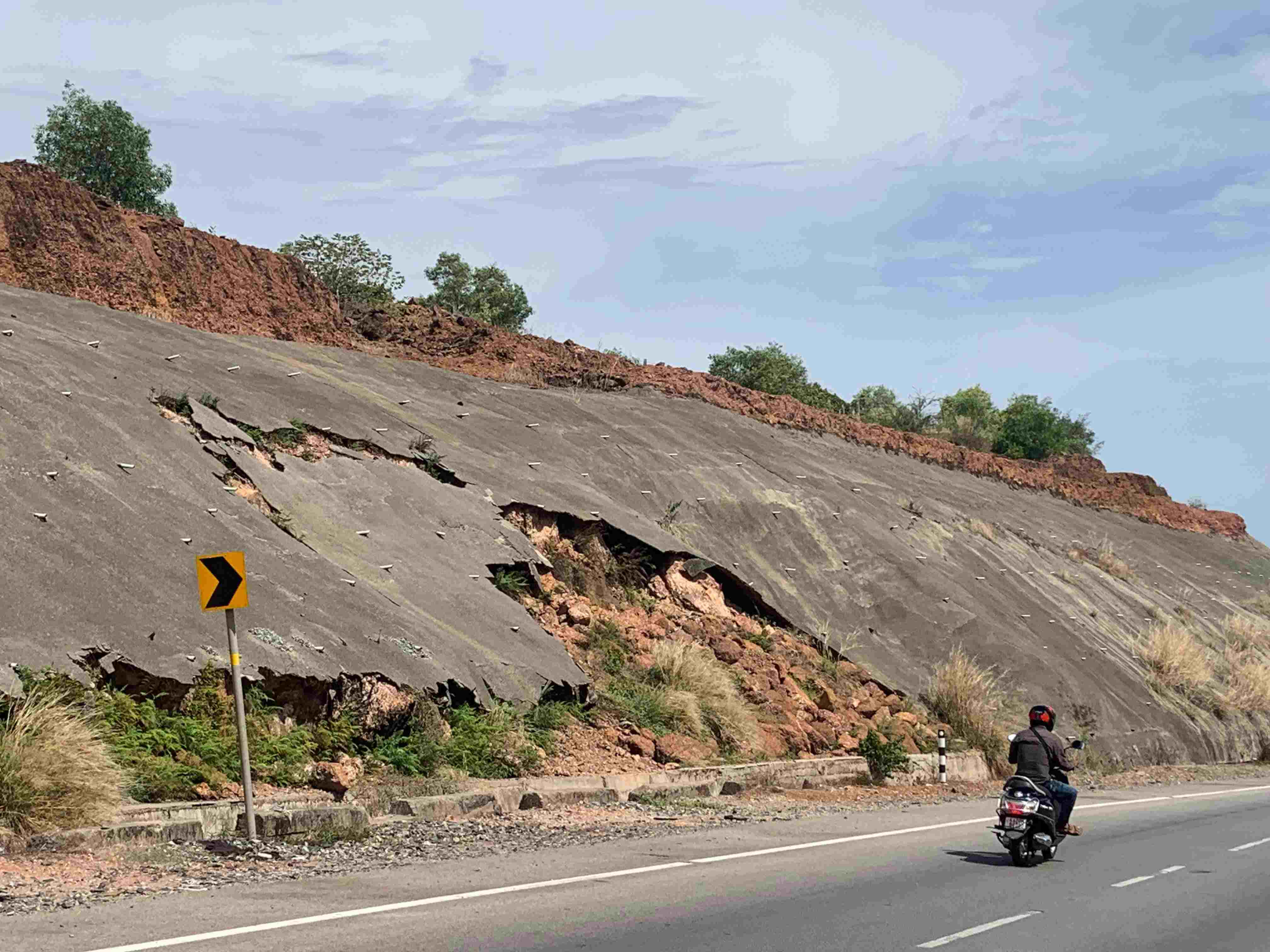
Last year’s monsoon left behind more than just floodwaters and fallen trees. It brought death and destruction that could have been prevented. The devastating Wayanad landslide in Kerala shook the region when it claimed hundreds of innocent lives, wiping out entire families and homes. Around the same time, in Karnataka, Ankola witnessed a tragic landslide that not only took lives but also severely damaged parts of the National Highway, paralysing local transport and daily life. These were not isolated incidents, but chilling reminders of how vulnerable the Western Ghats, Coastal Karnataka, and the Malnad region are during the monsoon.
Despite repeated tragedies and expert warnings, the administration continues to remain passive. The steep slopes, weakened soil structures, unscientific constructions, and rampant deforestation have made this region a ticking time bomb during heavy rains. And yet, authorities act as if every monsoon is a surprise. In districts like Uttara Kannada and Udupi, particularly around areas like Byndoor, the threat of landslides is real and growing. But instead of taking preventive steps, the government seems to be waiting for another disaster to strike before waking up to act.
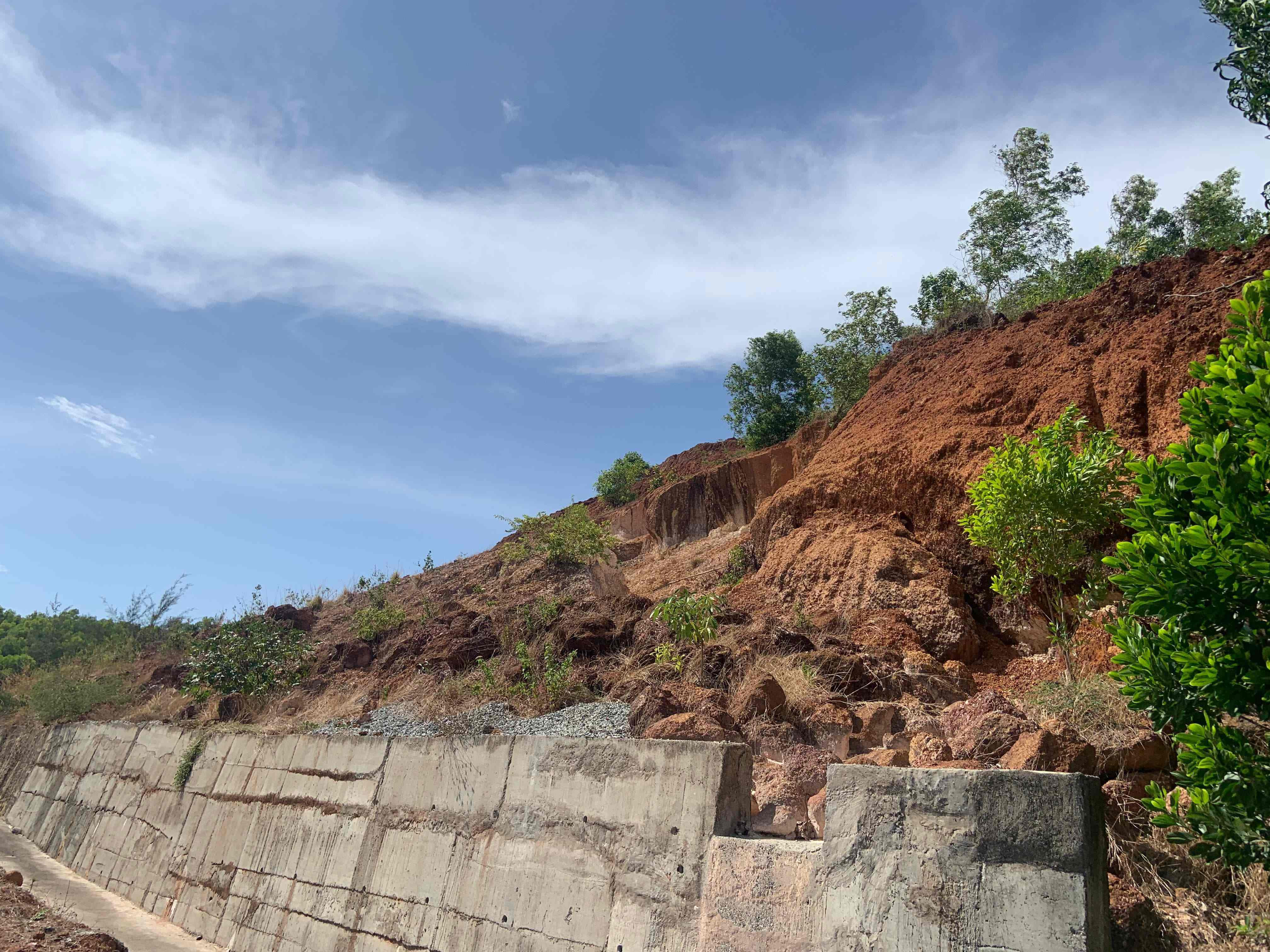
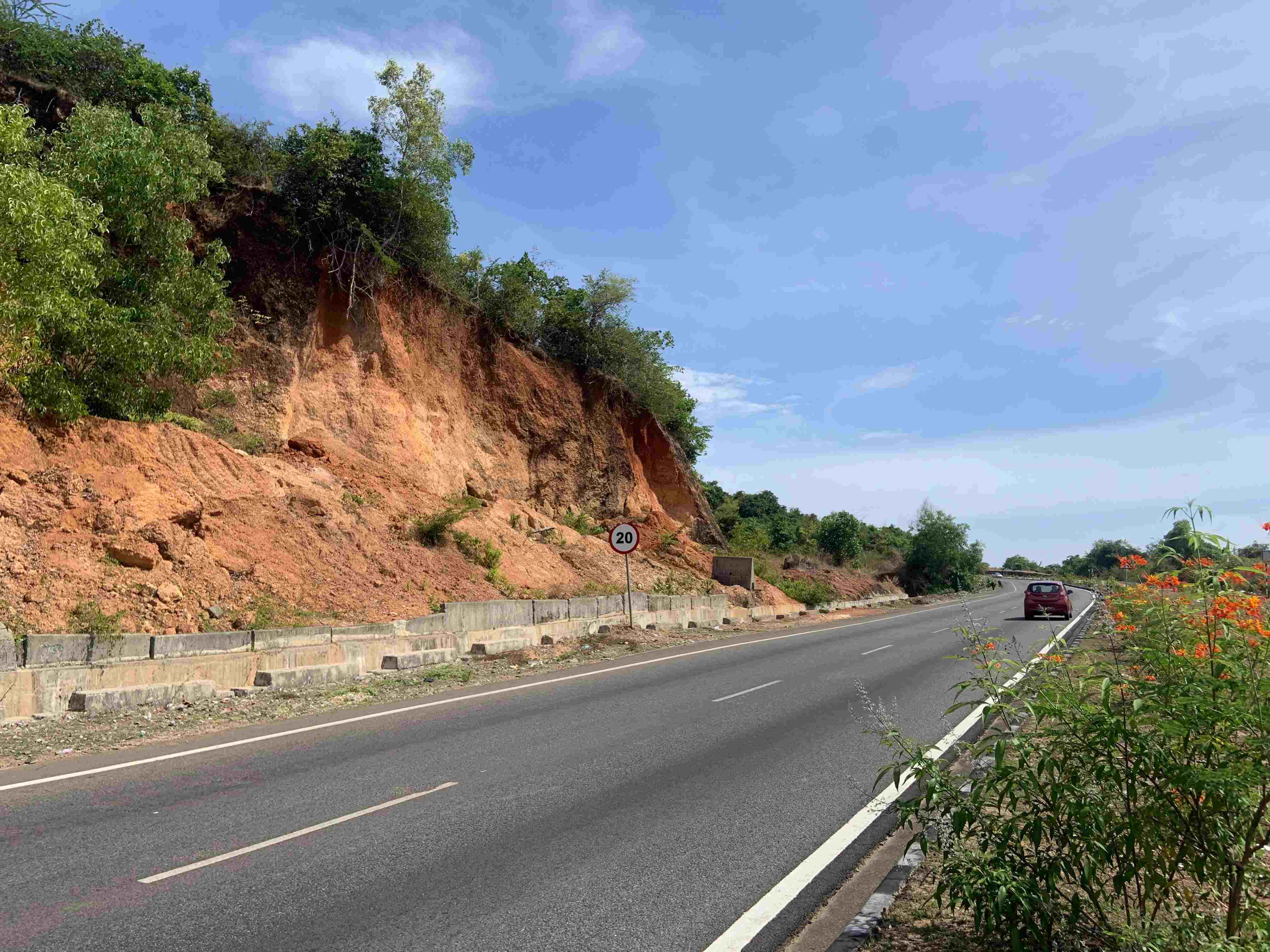
The stretch of National Highway near Byndoor, connecting Bhatkal to Udupi, passes through one of the most visually stunning sections of coastal Karnataka. For about 1.5 kilometres, the highway winds through a route carved directly into a hillside - a path made possible by cutting through a portion of the Western Ghats. As vehicles take the curve from Bhatkal towards Byndoor, the road gradually unveils a breathtaking landscape. With every turn, the scene opens wider, eventually revealing a majestic mountain range in the distance. During early mornings, when the sun rises from behind those towering peaks, the sight is nothing short of magical.
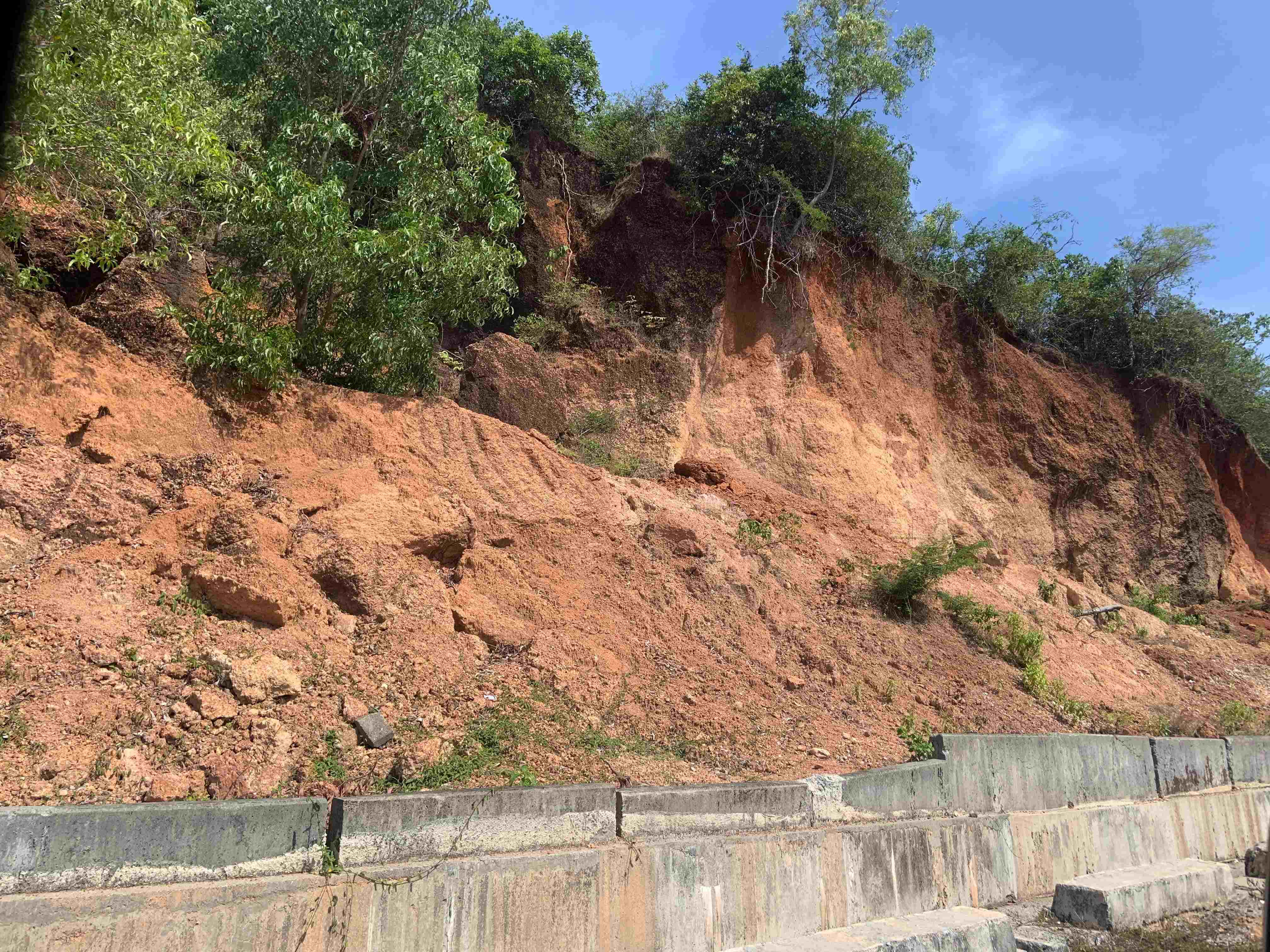
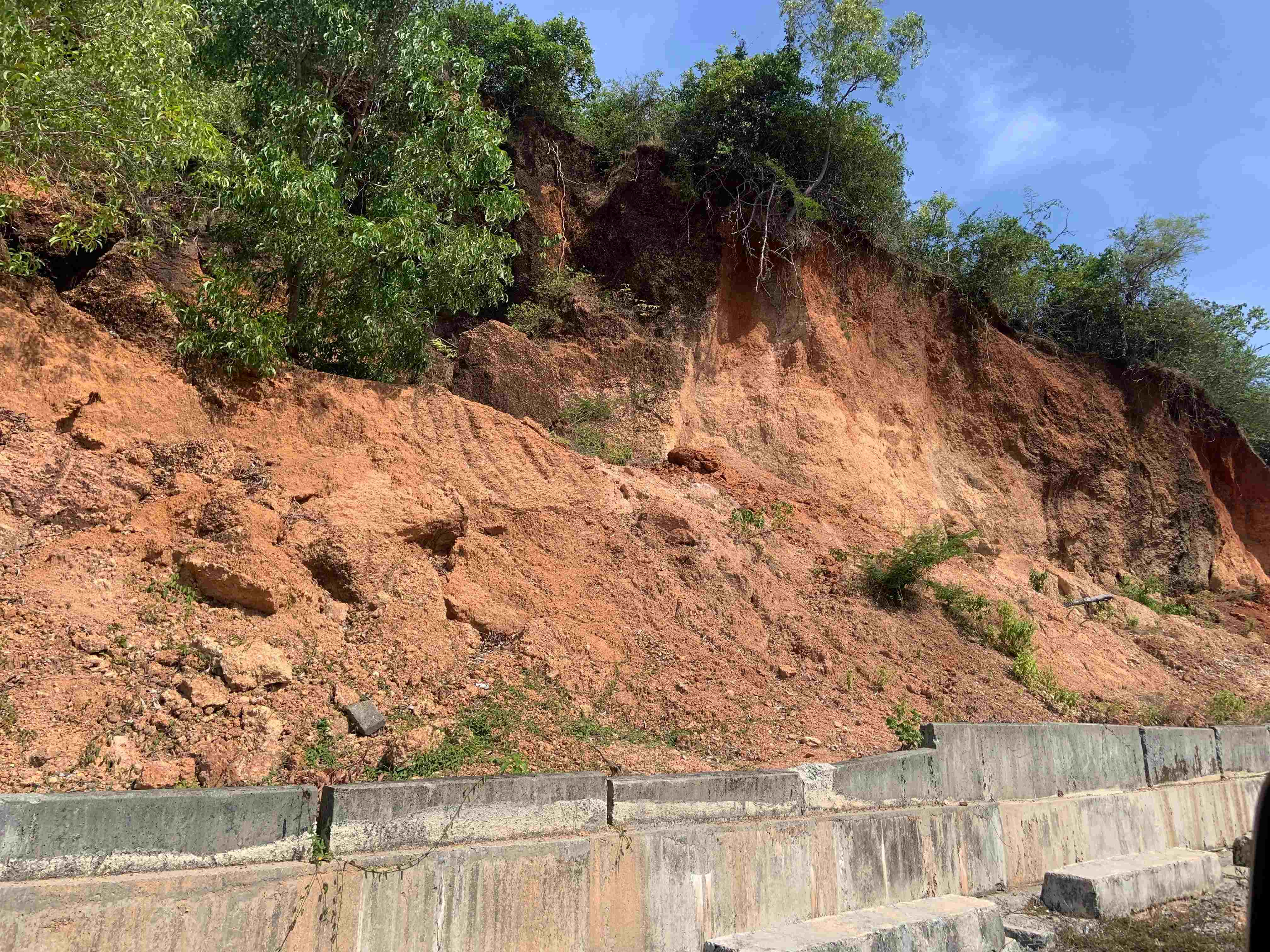
But behind this postcard view lies a grim reality. This very stretch, though scenic, is dangerously fragile. The same hill that was sliced open to make way for smoother travel now stands weakened, exposed, unstable, and unsupported. In the monsoon, this hill softens, shifts, and threatens to give way. And when it does, it won’t just block traffic. It could bury lives. The question is not if a landslide will occur here—it’s when. And the sad truth is, it could happen any moment.
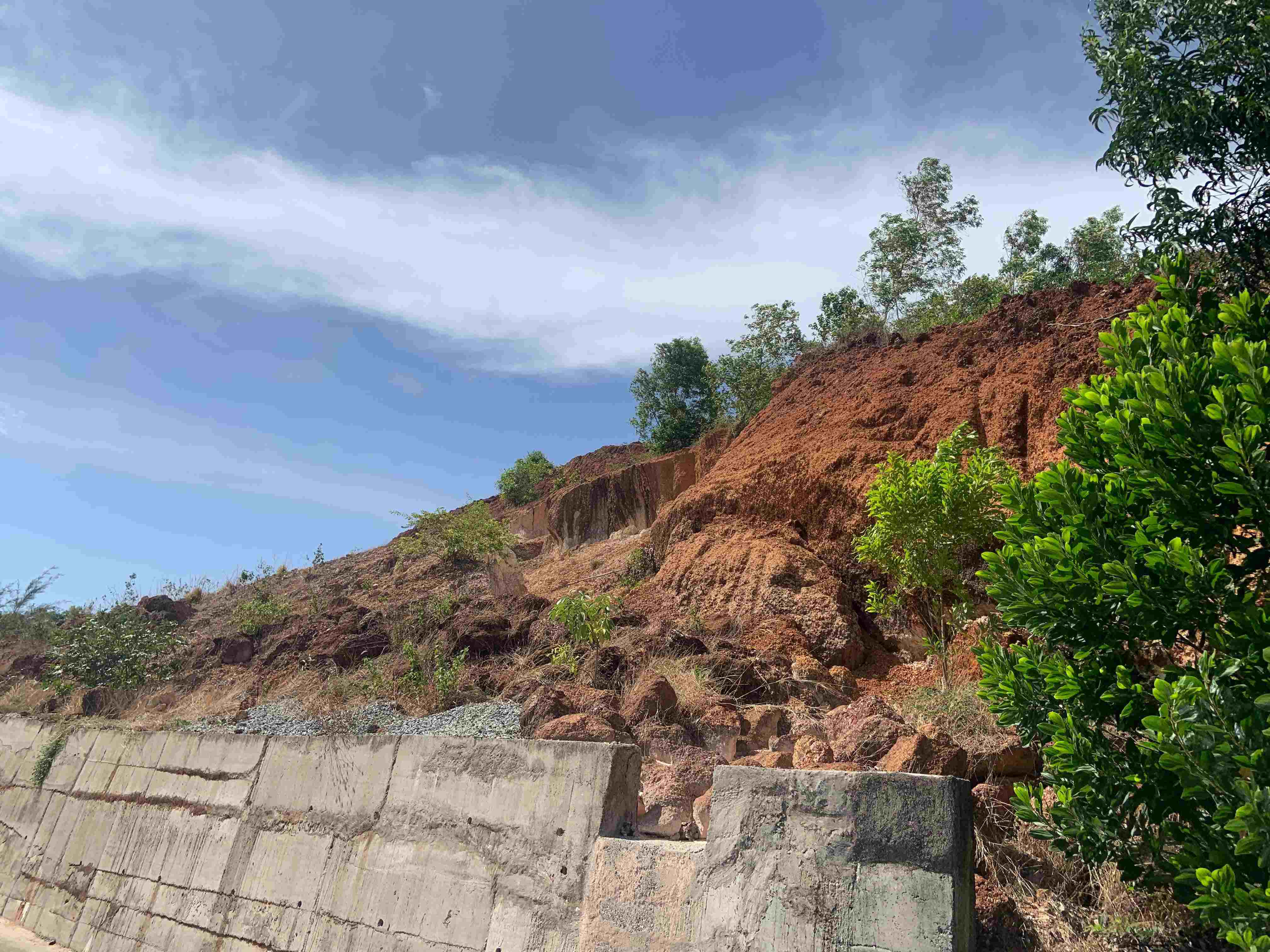
Experts and locals alike have expressed concerns about the growing risk of a landslide in this area. It’s not just a potential hazard—it’s a disaster waiting to happen. A single night of heavy rainfall could turn this beautiful stretch into a scene of tragedy. The road that today offers a charming view might tomorrow become the site of unimaginable destruction. The same way the Ankola landslide took lives and halted movement last year, this 1.5 km stretch between Bhatkal and Byndoor stands at the edge of a similar tragedy.
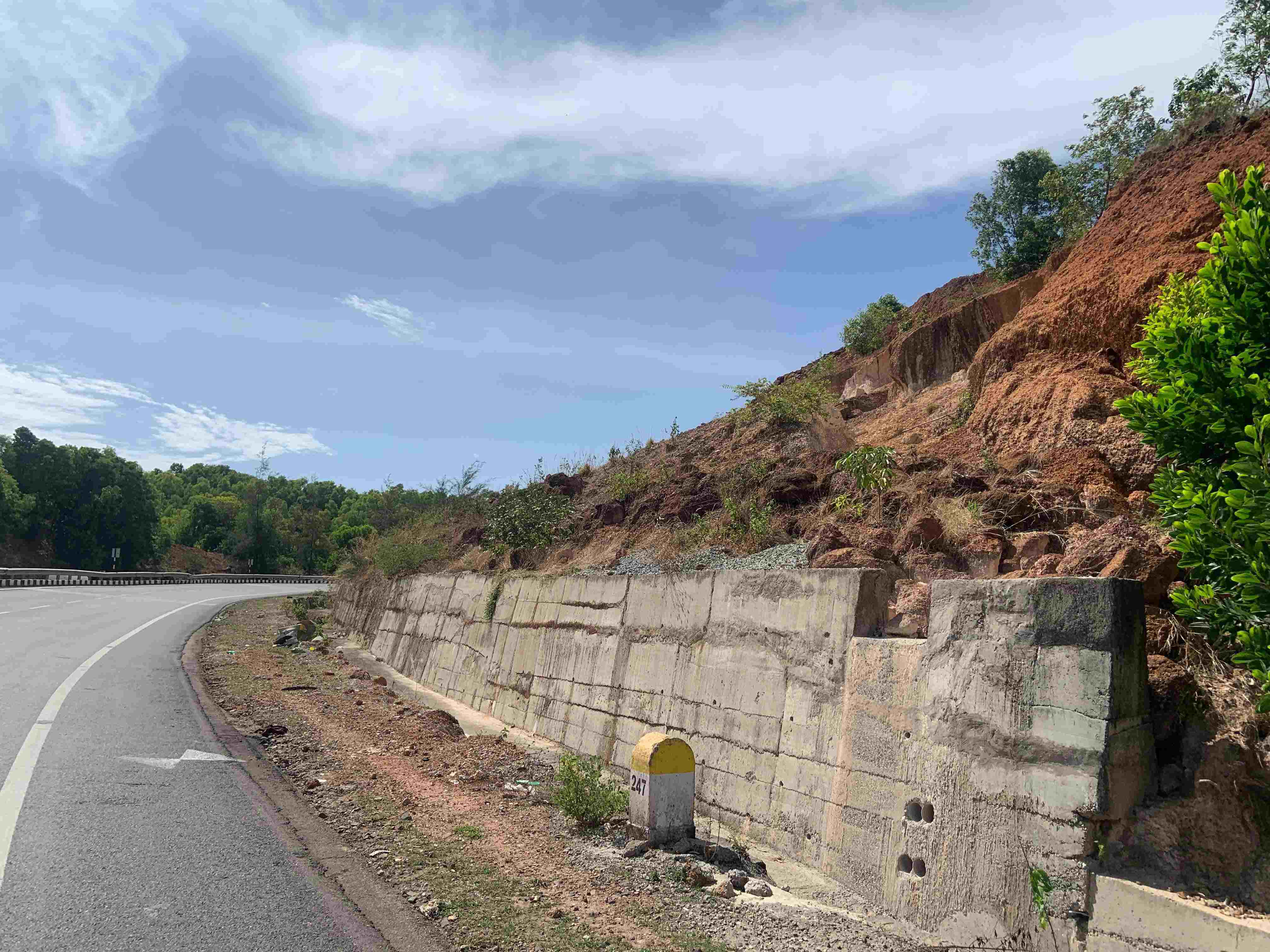
And yet, despite the clear warning signs and the fragile condition of this hill-cut stretch, the administration, National Highways Authority of India (NHAI), and other concerned departments remain unmoved. Their silence is not just irresponsible—it is dangerous. Every year, we hear grand promises in the name of development and infrastructure. Roads are built, hills are cut, and trees are felled, all in the name of progress. But when it comes to taking responsibility for the risks created in the process, the same authorities look the other way.
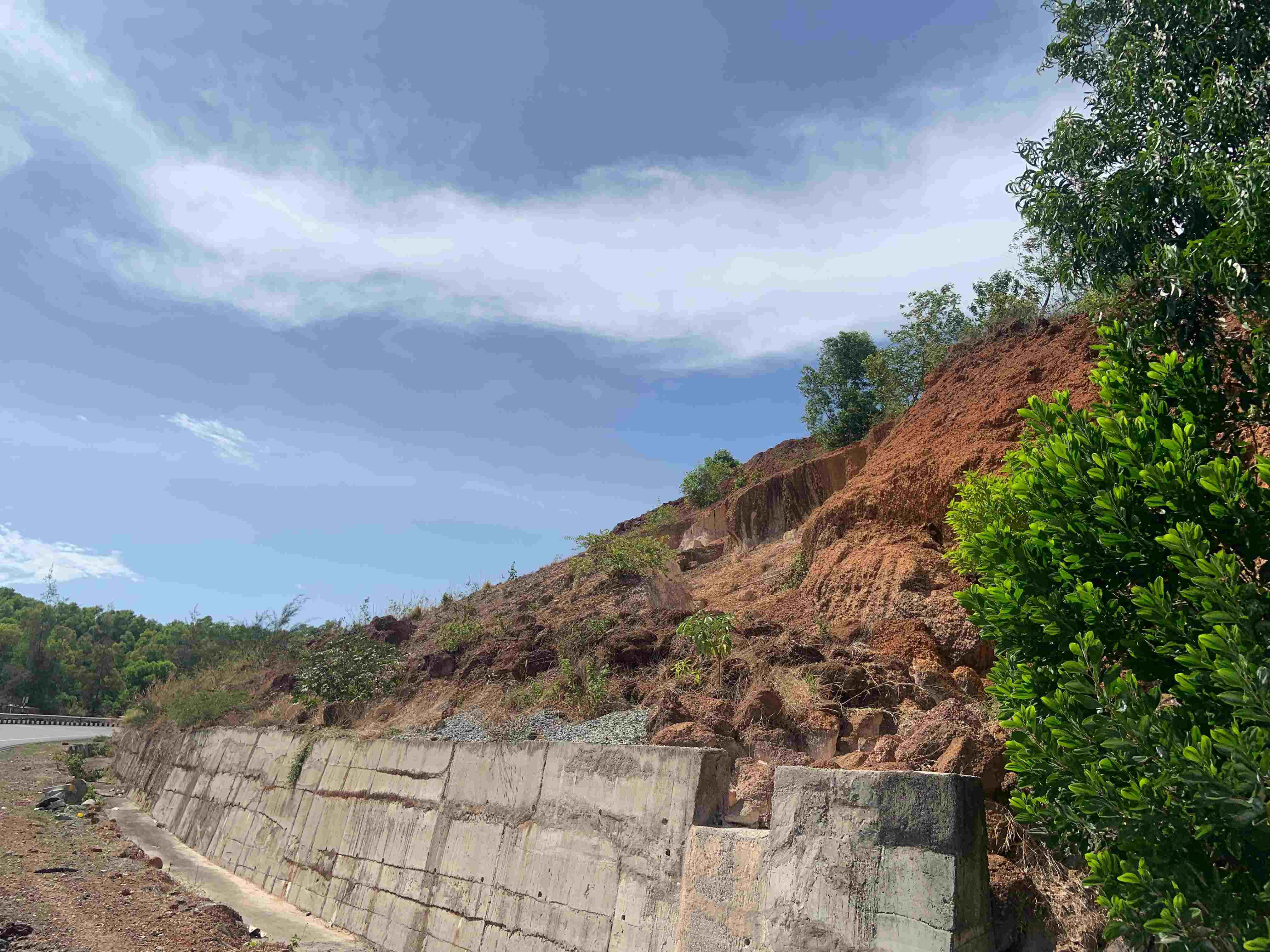
The least that could have been done was to put in place proper safety measures—retaining walls, slope reinforcements, early warning systems, regular geotechnical assessments. But none of that seems to be a priority. It is as if the damage caused to the ecosystem and the environment is not their concern anymore. Forget making mends, the administration appears to have either forgotten this responsibility or is deliberately ignoring it, waiting for a disaster to force them into action.
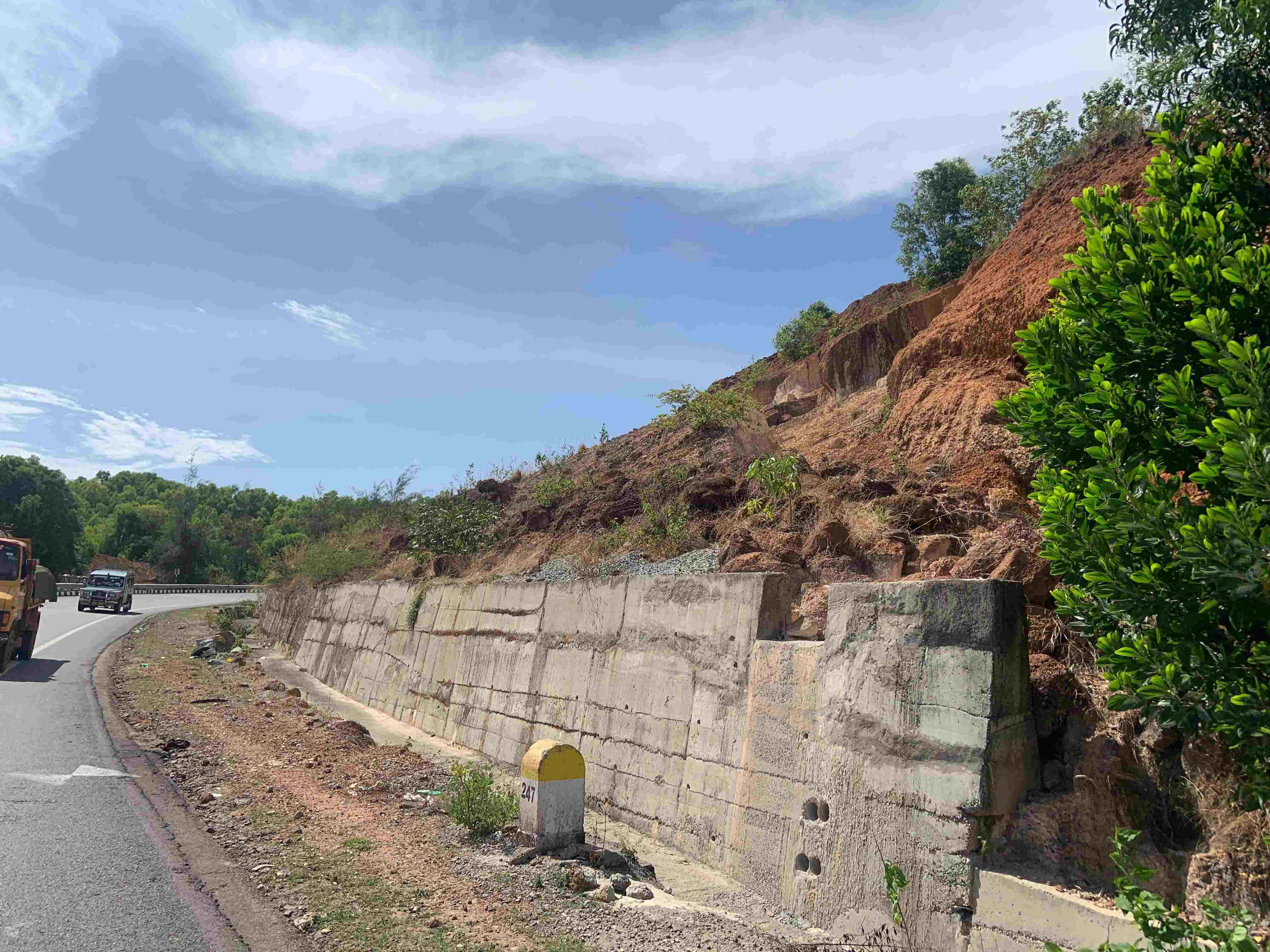
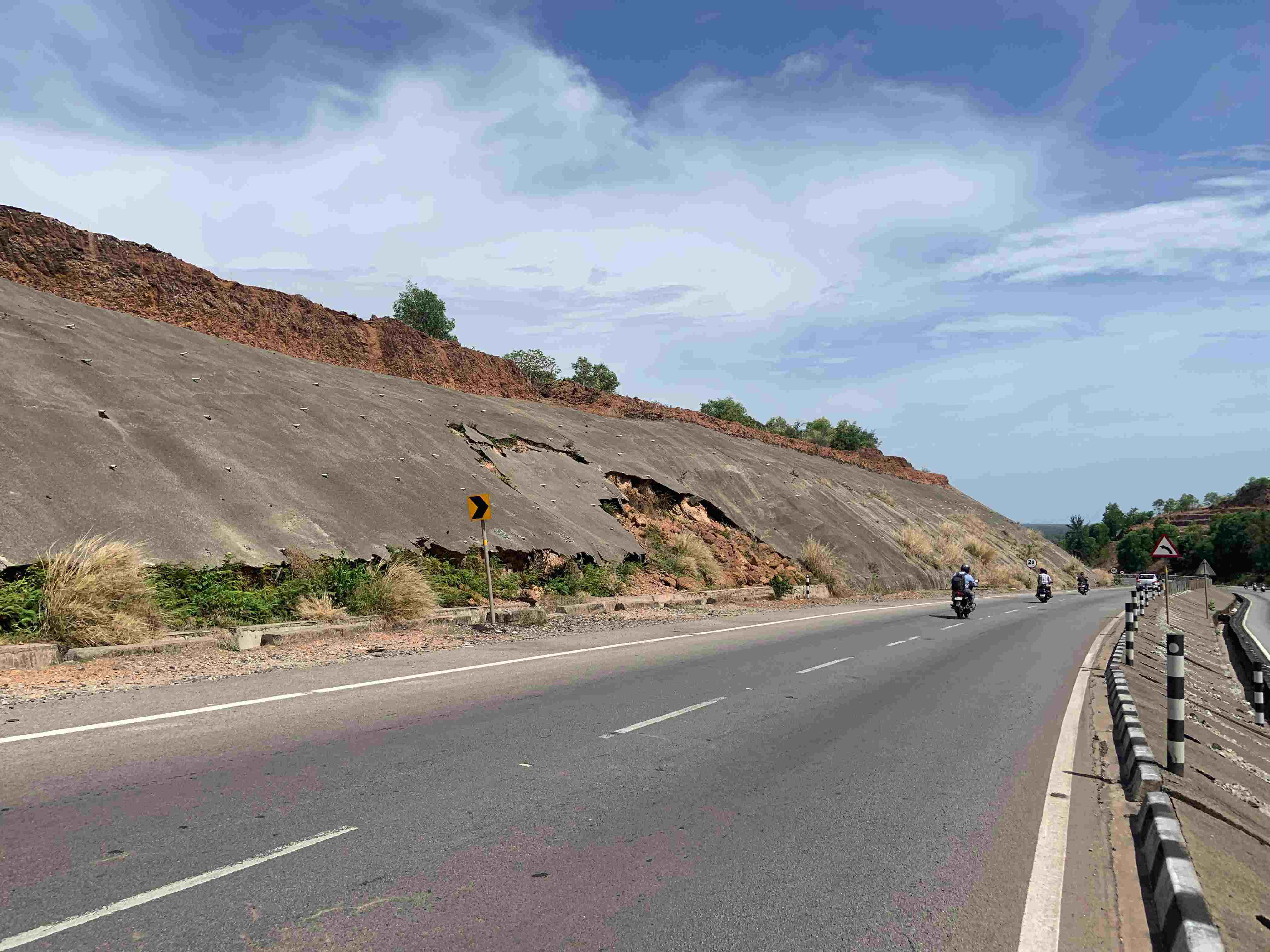
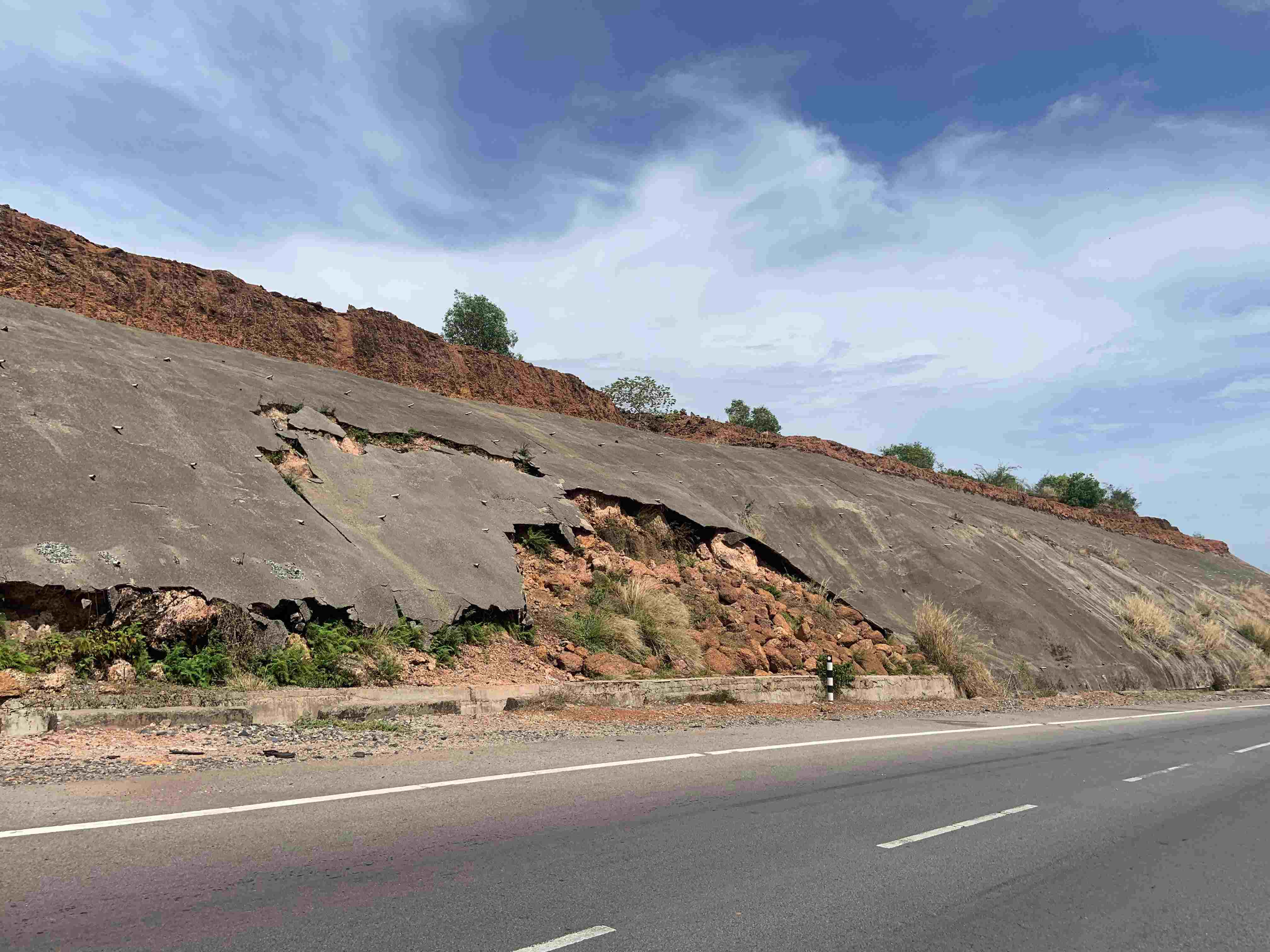
Although a retention wall was constructed along this stretch a few years ago, it now stands as a mere formality. Built only along parts of the hill and not the entire vulnerable stretch, the wall has already begun to show signs of decay. Large sections have become hollow, some parts have even collapsed. Whether it is the mountain slowly pushing its way through due to natural pressure, or whether it is corruption and substandard construction that allowed this structure to fail—we leave that question for another day.
What demands immediate attention today is the need for urgent and decisive action from the authorities. And sadly, that action seems nowhere in sight. The silence from the administration speaks louder than any announcement. The threat is real, visible, and worsening by the day, yet those responsible seem to be waiting for a calamity before lifting a finger.
In an effort to understand the official response to this looming threat, we reached out to Shivakumar, the Project Director of NHAI Honnavar Range, under whose jurisdiction this very stretch falls. Incidentally, the Ankola stretch—where a deadly landslide took place last year—also comes under his purview. But what we heard from him was far from reassuring.
When asked about the current condition of the Byndoor hill-cut section and the decaying retention wall, his responses were vague and uninformed. One of the few things he did mention with some emphasis was that a retention wall had been constructed “some years ago. I think.” That unsure tone and lack of clarity said it all. Here was a senior official responsible for monitoring one of the most sensitive highway zones in the region, and he didn’t even have a clear idea of when a critical safety structure was built. If this is the level of awareness and preparedness among those tasked with safeguarding public infrastructure and lives, it raises very serious concerns about the priorities of our administrative machinery.
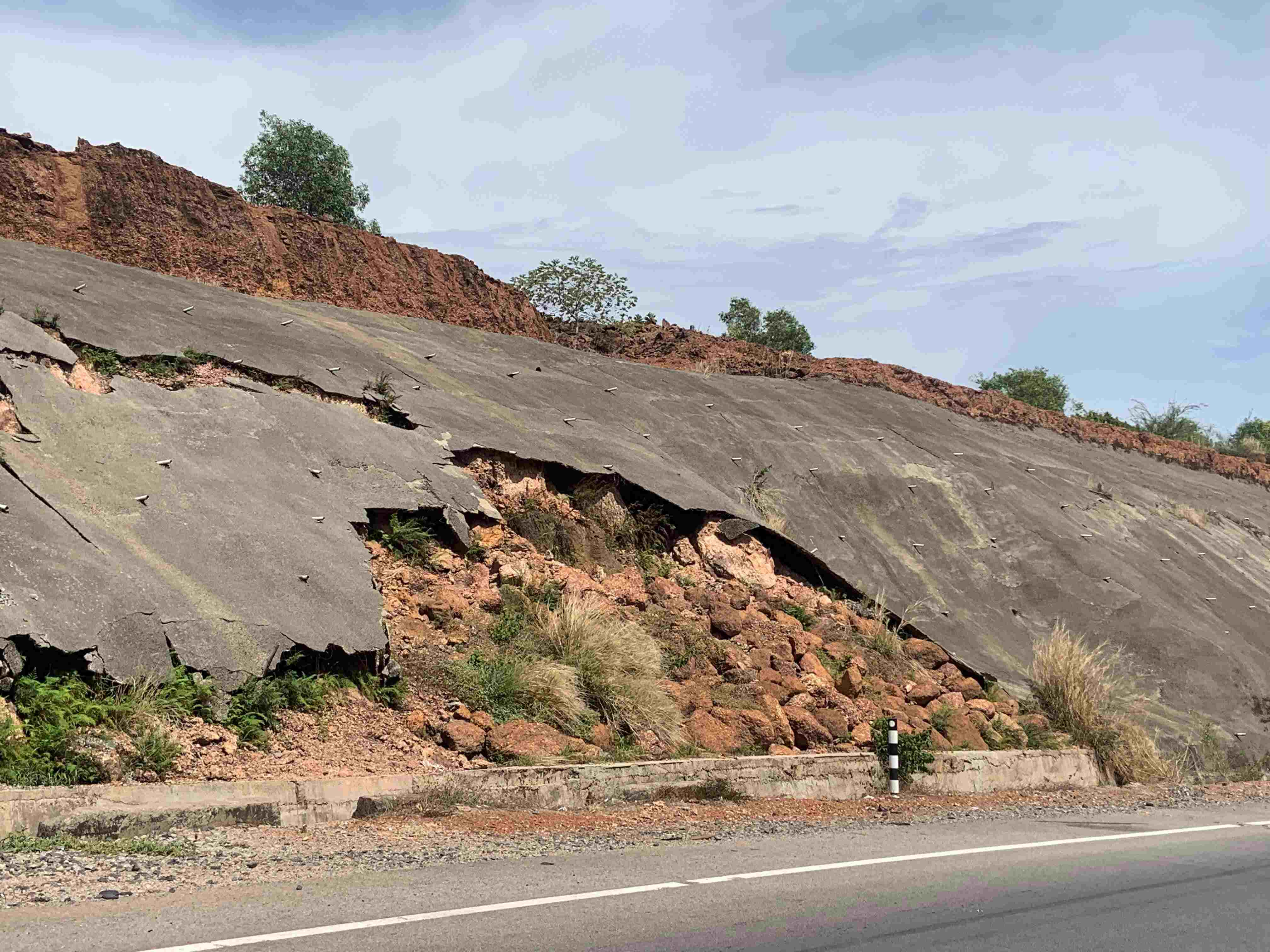
When Vartha Bharati pressed for answers, the Project Director at the NHAI Project Implementation Unit in Honnavar offered little more than vague responses and deflection. In a tone that reflected both negligence and disconnect, he claimed he had no details about the current state of the site. Instead, he passed the buck to IRB Infra and the NHAI engineers, saying they were better placed to answer questions about the ground situation. “I'm on administrative duty and not aware of the issue,” he said—an alarming statement from someone in charge of overseeing infrastructure in such a sensitive stretch.
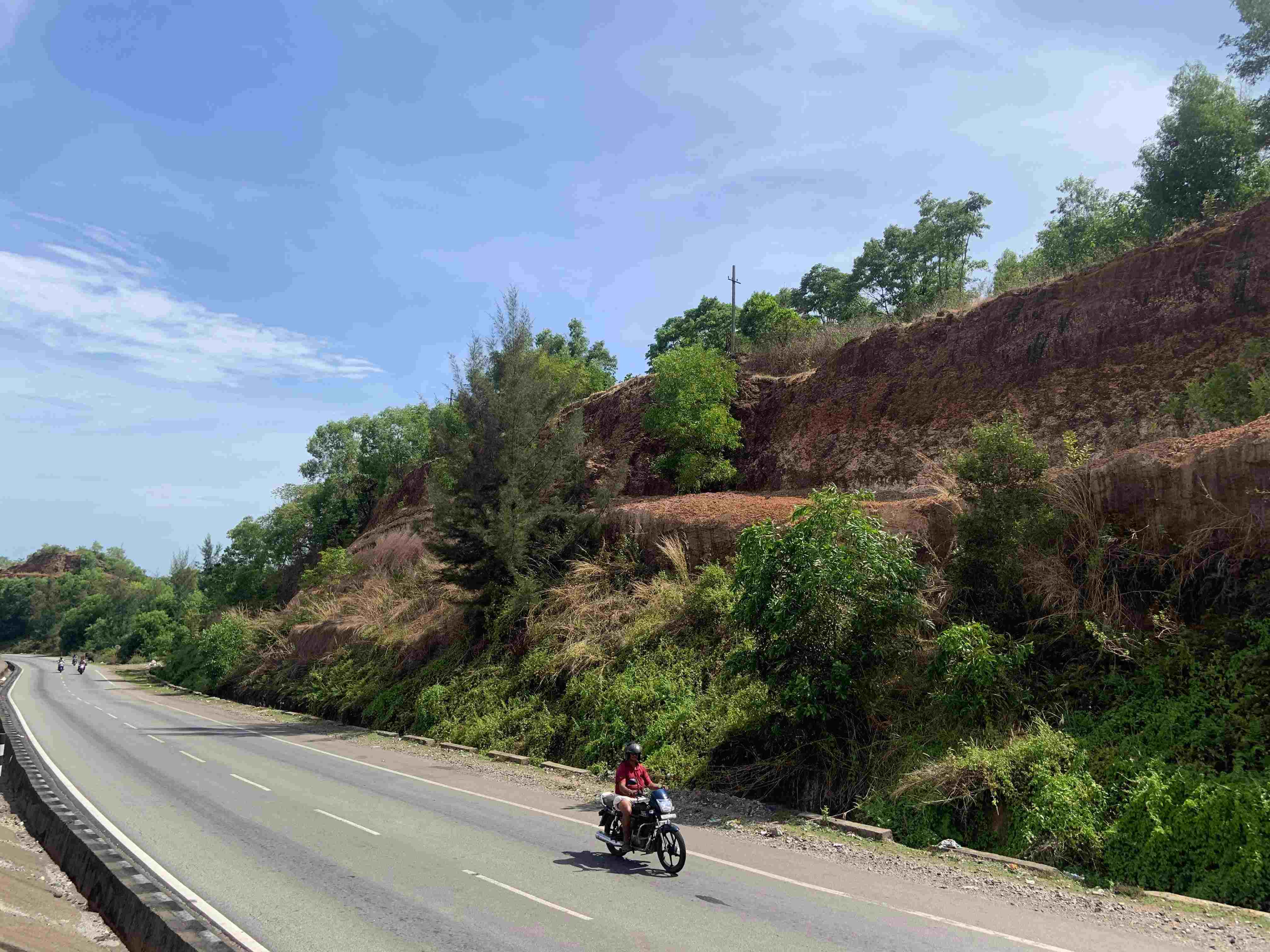
He went on to ask our reporter to share photographs from the site, suggesting he needed visual evidence before commenting—an odd request, considering that the condition of the site should already be known to his office. He admitted that a retainer wall had been built earlier and that plans for its extension were left incomplete. According to him, the Geological Survey of India (GSI) was appointed to assess the area and had submitted preliminary recommendations for further construction. However, he added that final reports were still pending due to delays in geo-physical testing, which couldn’t be carried out because of constant rain and moist soil.
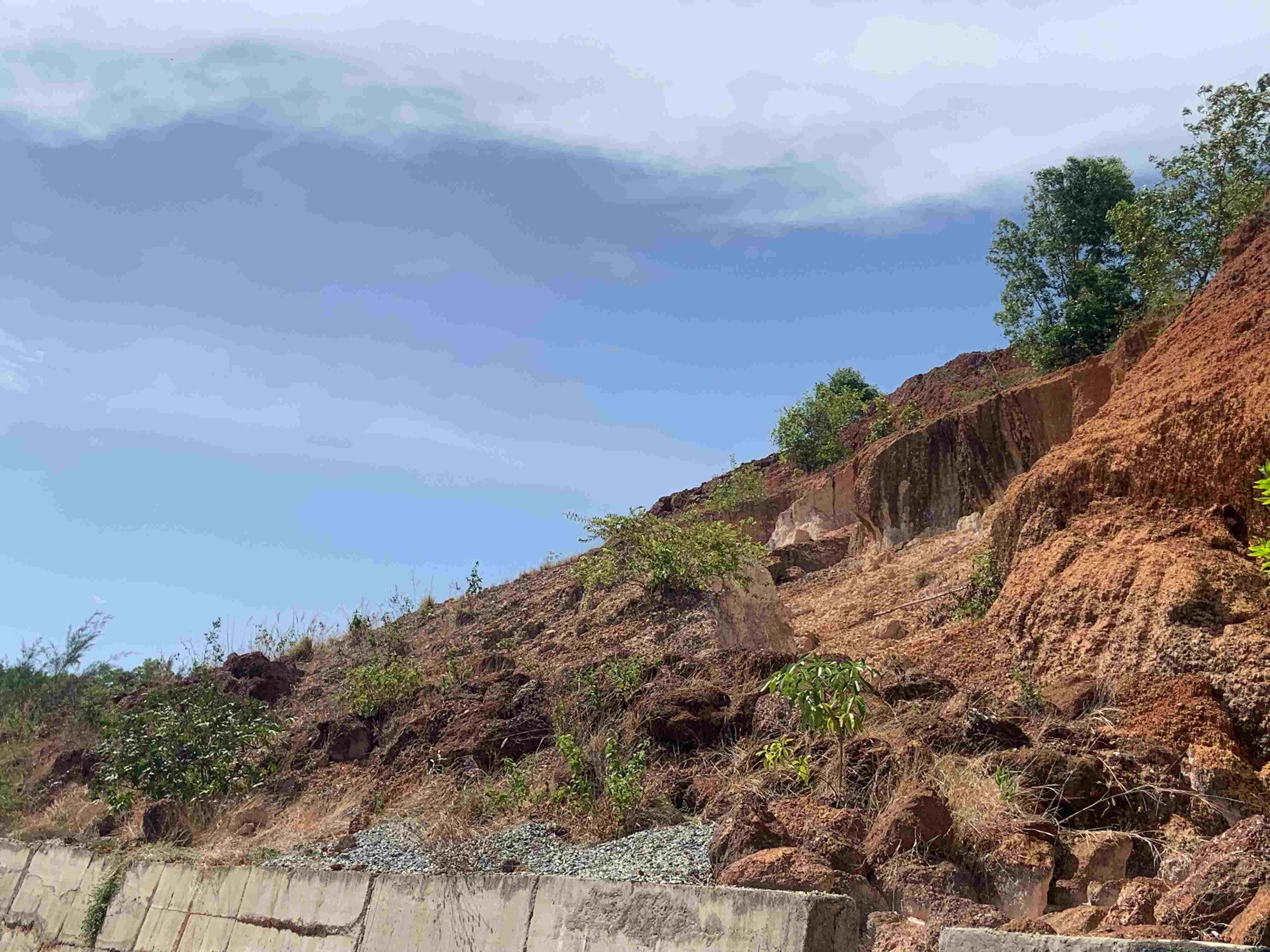
Even more worrying was his final remark: “We have not yet received any official decisions regarding the next steps to be taken.” In other words, no action plan is in place. No emergency work has been ordered. And with the monsoon already arriving, the region is left exposed, while the officials responsible continue to shrug off their duties.
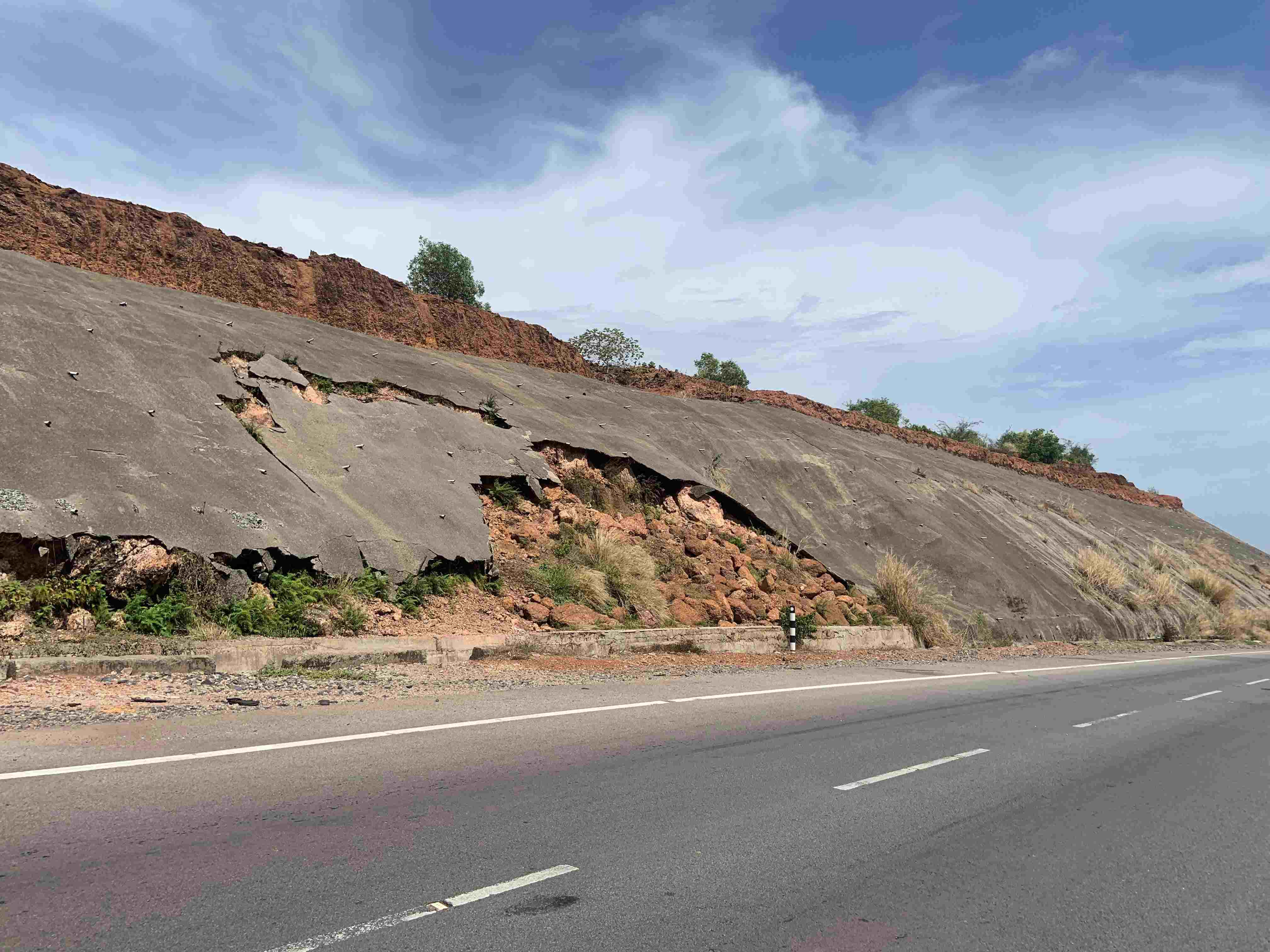
Adding to the frustration of commuters is the fact that the National Highway in coastal Karnataka is already infamous for its excessive toll collection. Despite paying hefty taxes while purchasing vehicles, citizens are forced to shell out more money at multiple toll gates scattered along short distances. Just five kilometres before reaching the dangerous Byndoor hill-cut stretch, travellers have to pass through the Shirur toll gate—one of the most expensive toll booths in the region. And what do they get in return? Just a few minutes later, they are left to navigate a crumbling and hazardous road section that poses a serious threat to life. This glaring mismatch between the tolls collected and the safety provided raises serious questions about where this money is going, and why it is not being used to secure one of the most vulnerable highway stretches in the region.
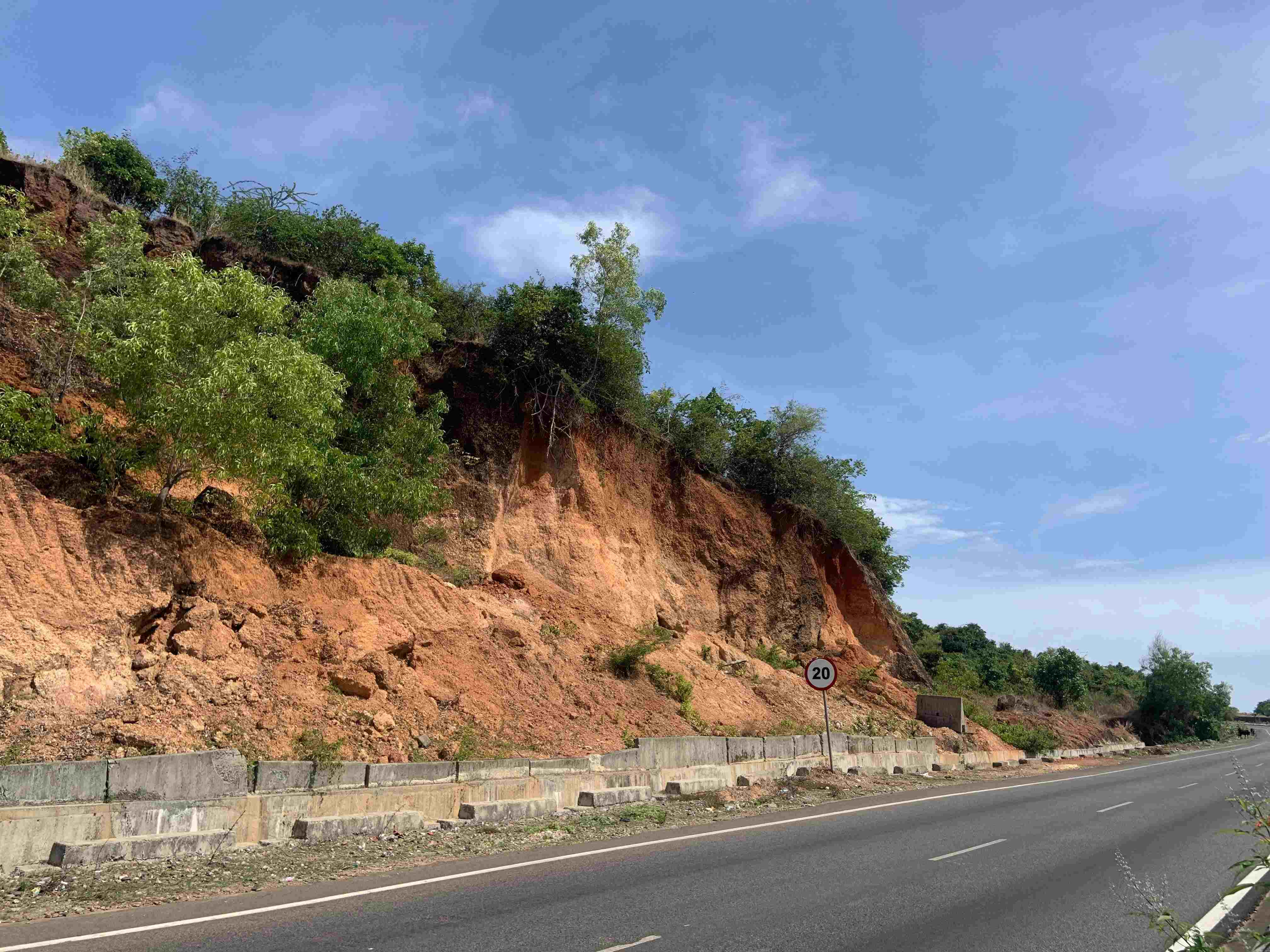
The situation at the Byndoor hill-cut stretch is not just a case of administrative oversight—it is a textbook example of how lives are put at risk due to carelessness, red tape, and lack of accountability. The stretch, though breathtaking in its scenic beauty, hides within it a growing danger that is becoming more visible with each passing day. And yet, those tasked with safeguarding this route, used daily by hundreds of commuters and heavy vehicles, have not shown the urgency it demands.
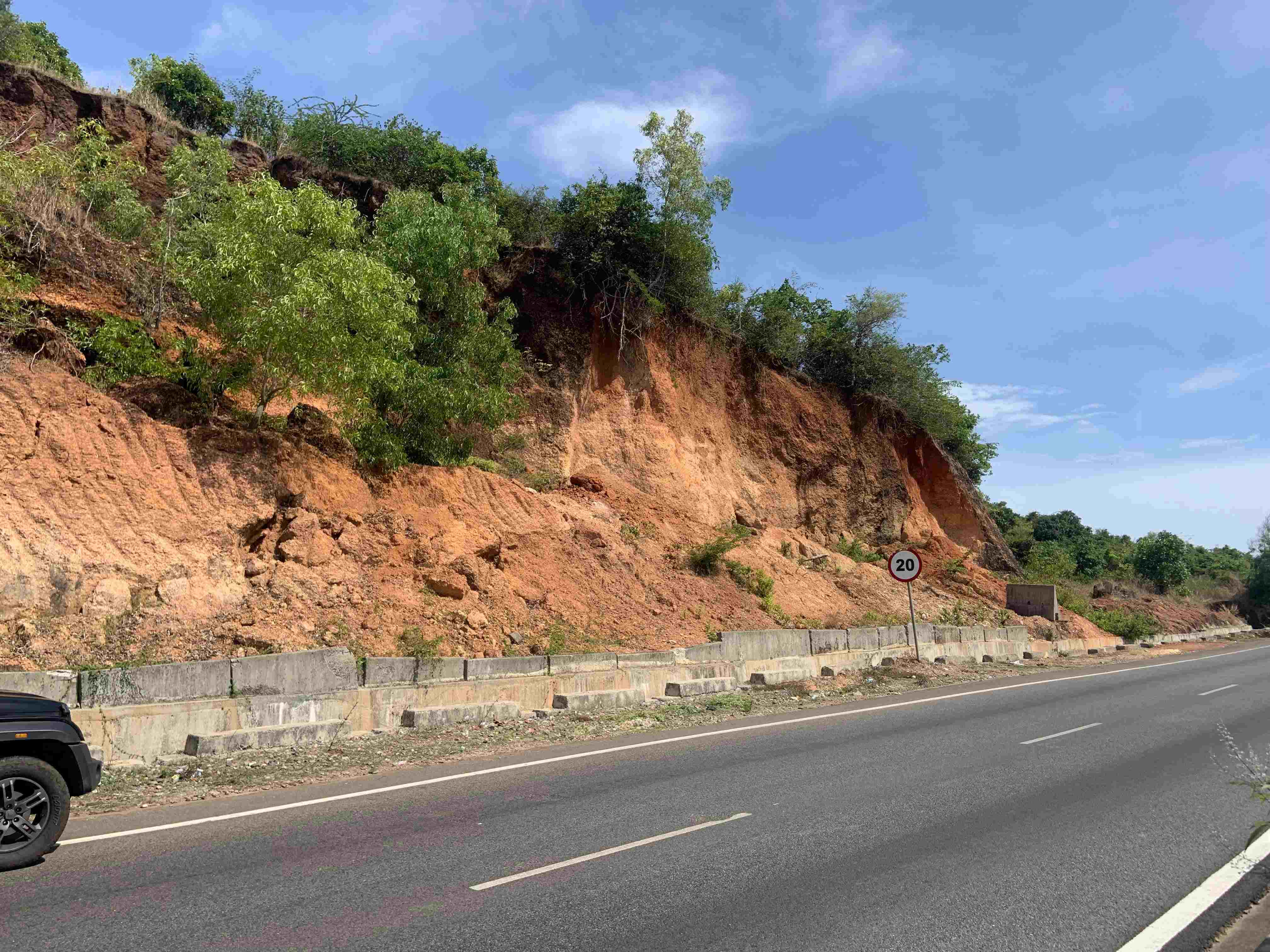
Every year, during the monsoon, we hear of landslides swallowing lives, breaking highways, cutting off towns and villages from the rest of the world. Ankola was a grim reminder just last year. Wayanad showed us how horrifying the scale of destruction can be. And here we are again—another monsoon knocking at the doors of the Western Ghats, another silent ticking threat lying along a national highway, and an administration that continues to look the other way.
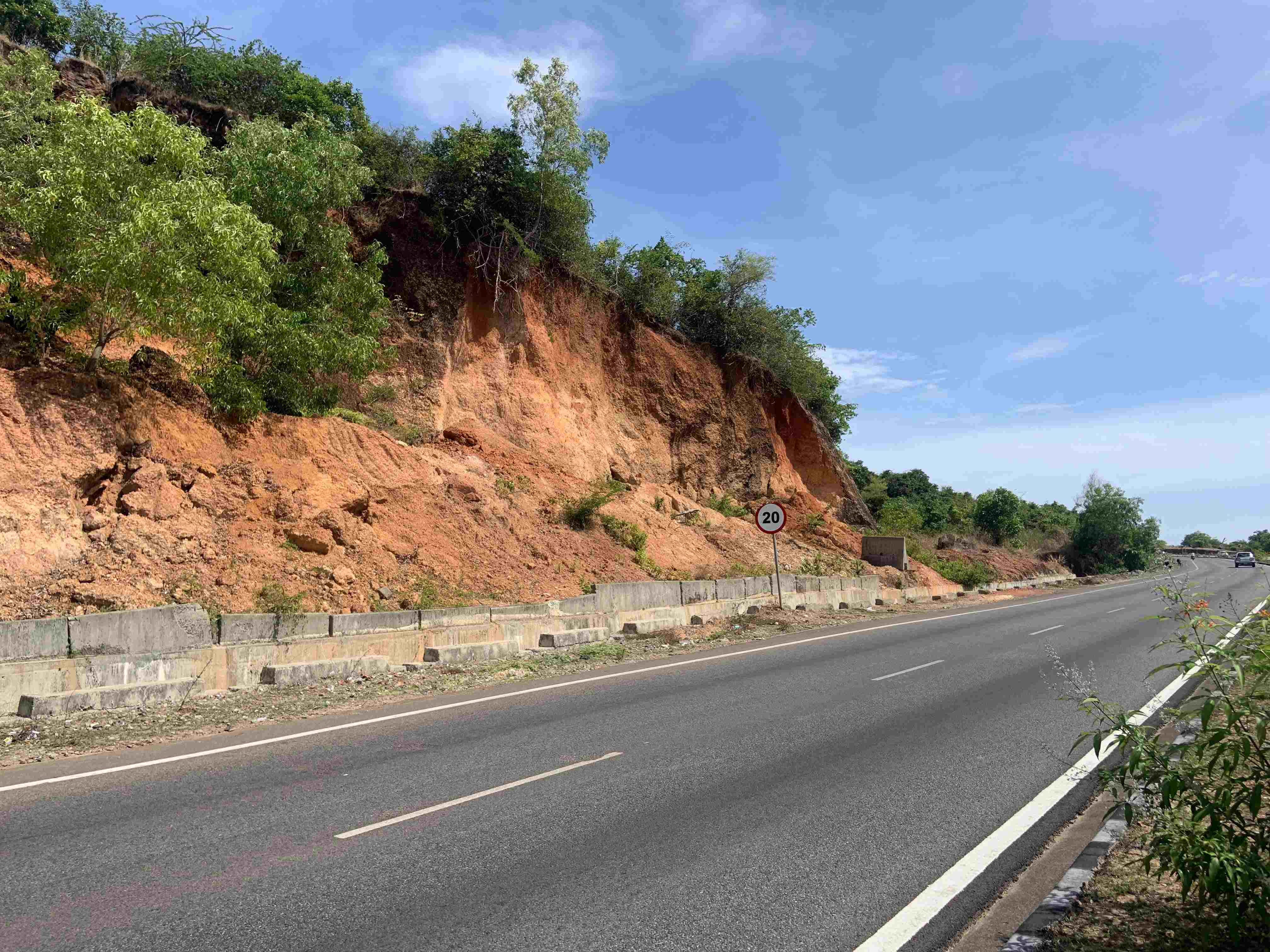
The retention wall, already weakened and damaged, is no longer a protective barrier. It is a hollow structure—both literally and metaphorically. It symbolises the hollow promises made in the name of development and the shallow efforts made in the name of safety. The authorities admit they are unaware. They say tests are pending. Reports are awaited. Files are moving. But what is not moving is action. What is not seen is responsibility. What is not heard is urgency.
How many more reminders does the administration need before it wakes up? Should we wait for a tragedy to occur on this stretch too before action is finally taken? How many more lives need to be lost before safety becomes a priority, not a footnote in infrastructure projects?
To the administration: How long will you ignore a disaster that is clearly unfolding in slow motion? Will you act only when headlines scream of deaths and destruction?
To the elected representatives: You were voted to speak for the people. Why is your voice missing in this matter? Why are you silent when lives are in danger right in your constituency?
And finally, to the public: How long will we accept this neglect? Should we continue to travel these dangerous roads without demanding answers, without holding someone accountable?
This is not just about a hill or a highway—it is about human lives. The clock is ticking. And every drop of rain that falls on that weakened hill could be one step closer to a tragedy we can still prevent.
Let the Truth be known. If you read VB and like VB, please be a VB Supporter and Help us deliver the Truth to one and all.
Ordinance issued to increase number of Supreme Court judges from 34 to 38
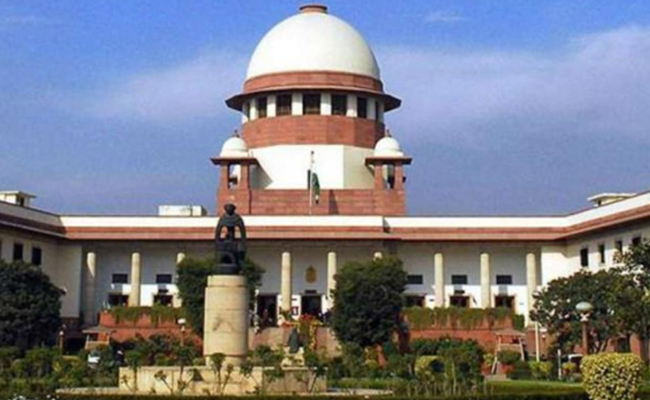
New Delhi (PTI): The government has promulgated an ordinance to increase the strength of the Supreme Court from the present 34 judges to 38, including the Chief Justice of India.
The law ministry notified the ordinance on Saturday, which amended the Supreme Court (Number of Judges) Act, 1956, to increase the sanctioned strength of the top court.
So far, the sanctioned strength of the top court was 34, including the Chief Justice of India (CJI). Now, the number of judges has been increased by four, taking the sanctioned strength to 38.
The top court will now have 37 judges, other than the CJI.
With the apex court having two vacancies at present, and the ordinance coming into force immediately, the Supreme Court Collegium will now have to recommend six names for appointment as judges in the top court.
A bill will be brought in the Monsoon Session of Parliament to convert the ordinance – an executive order – into a law passed by Parliament.
The Union Cabinet had cleared a draft bill on May 5 to increase the number of apex court judges.
The strength of the Supreme Court was last increased from 30 to 33 (excluding the CJI) in 2019.
The Supreme Court (Number of Judges) Act, as originally enacted in 1956, put the maximum number of judges (excluding the CJI) at 10.
This number was increased to 13 by the Supreme Court (Number of Judges), Amendment Act, 1960, and to 17 by another amendment to the law.
The Supreme Court (Number of Judges) Amendment Act, 1986, augmented the strength of judges from 17 to 25, excluding the CJI.
A fresh amendment in 2009 further increased the strength from 25 to 30.
Article 124(3) of the Constitution lists the qualifications required to become a Supreme Court judge.
An Indian citizen who has either served as a high court judge for at least five years, or as an advocate for 10 years, or is a distinguished jurist, can be appointed to the top court.
The strength of the Supreme Court is increased based on the recommendations of the CJI, who writes to the Union law minister. After consulting the finance ministry, the Department of Justice under the law ministry moves the Cabinet with a draft bill.