Along with education, personality, interests play role in journey of life: Ameen-e-Mudassar
‘Bearys Campus Connect,’ program held at Bearys Knowledge Campus
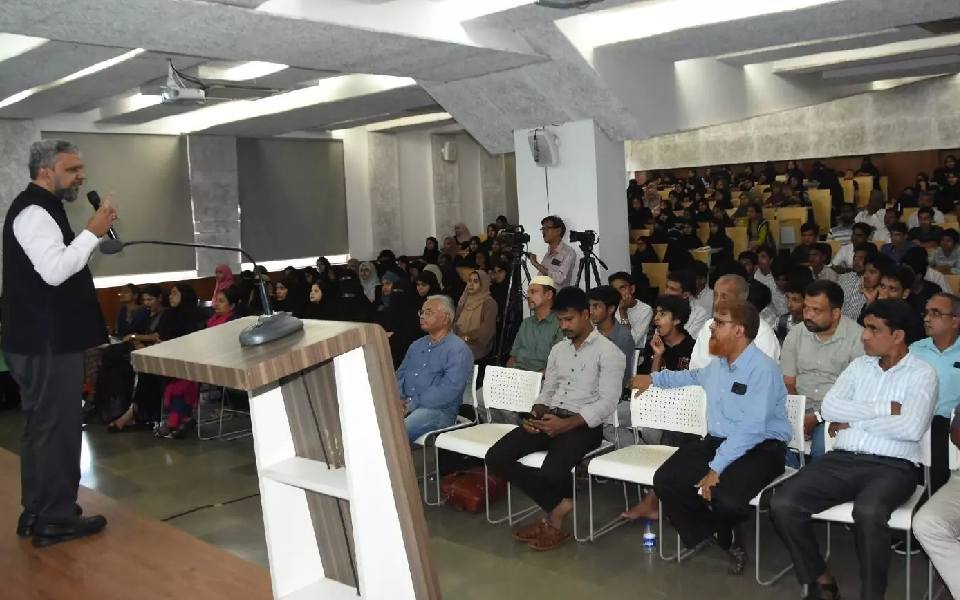
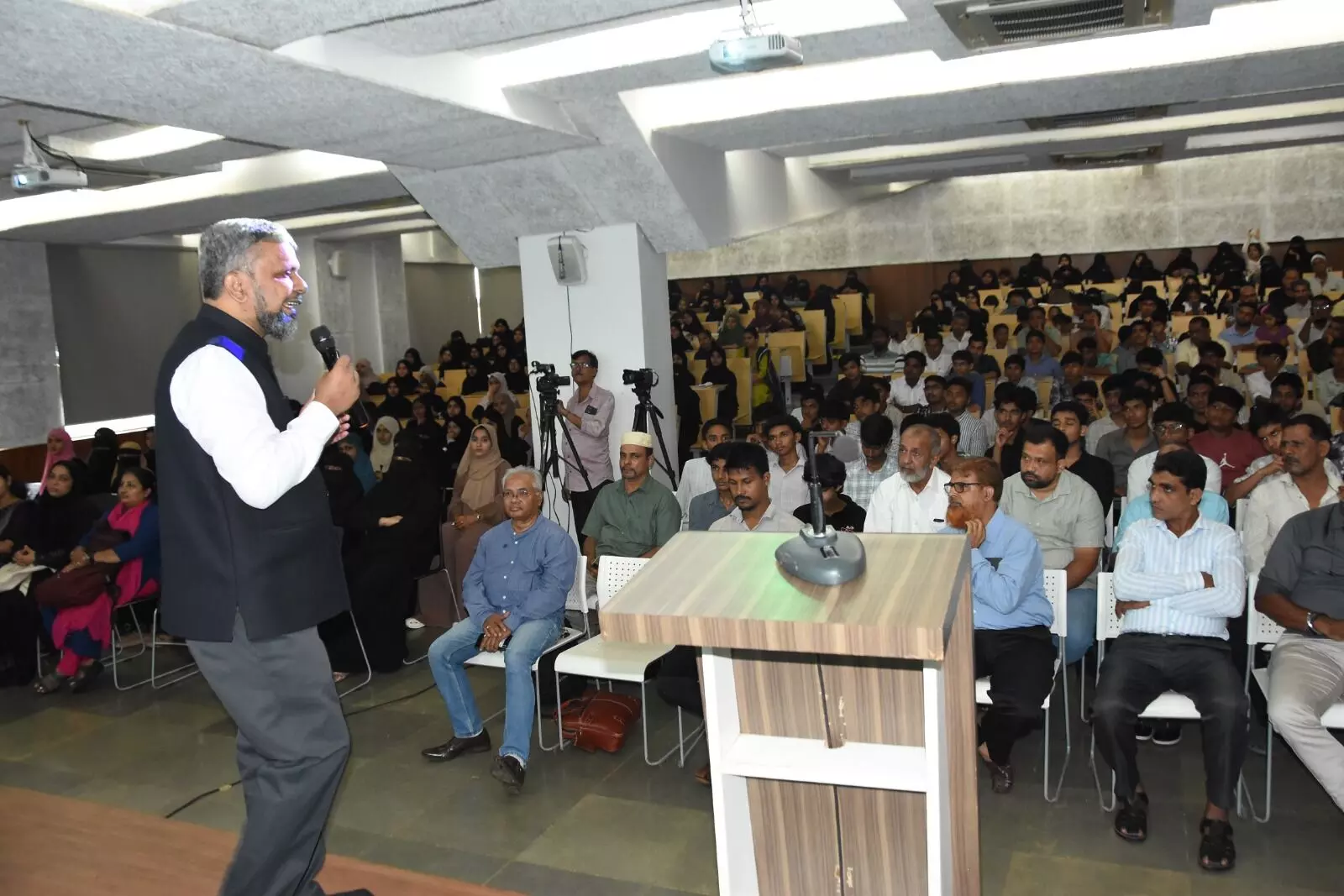
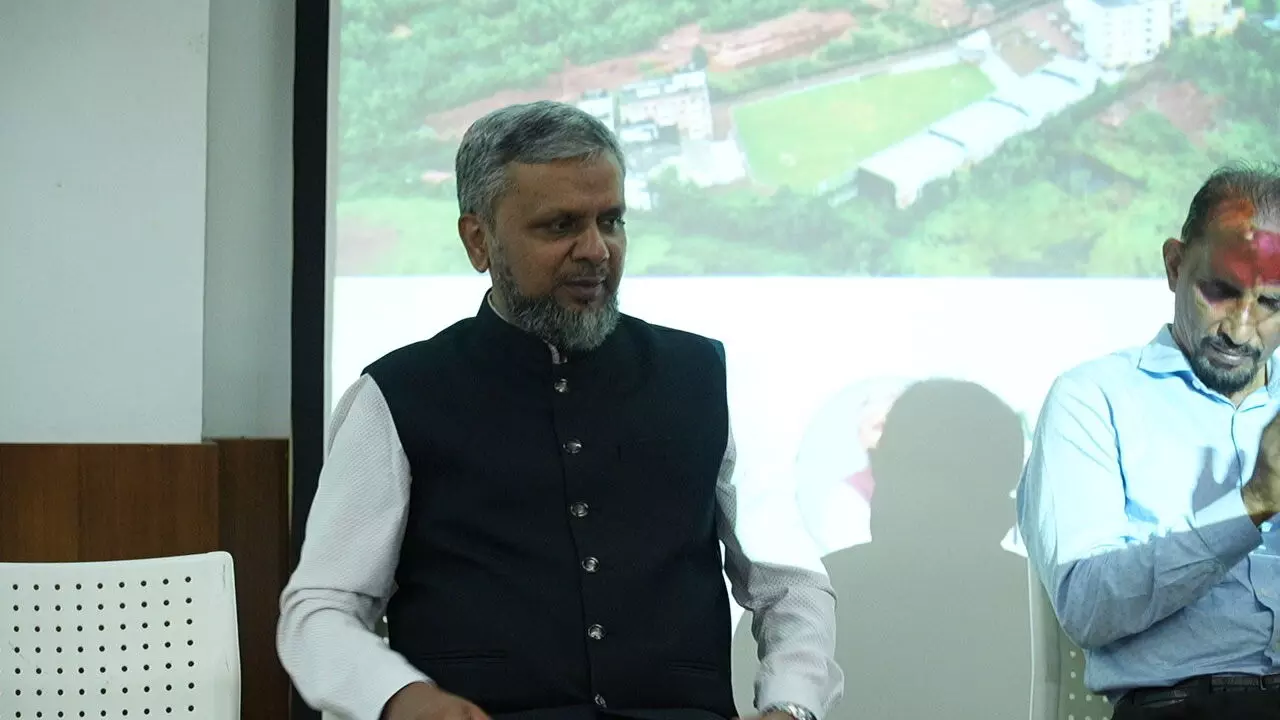
Mangaluru: Speaking at the ‘Bearys Campus Connect’ program organized for students and parents at the Bearys Knowledge Campus in Inoli, Mangaluru, on Saturday, CIGMA CEO and India’s leading career coach Ameen-e-Mudassar emphasized that along with education, personality, skills, and interests play a crucial role in the journey of life.
He stated that intended goals can be achieved through hard work and a disciplined lifestyle. Therefore, students should develop life values and move forward with their future dreams.
He urged parents not to focus solely on ranks and marks but to also consider their children's future and life choices. "If children are stressed before the exams, they will be happy after the exams. However, if their expectations are not met, parents should never hurt their feelings," he said.
He also noted that SSLC and PUC education form the foundation for higher education and that the marks obtained at the undergraduate level are critical. “There are about 22 entrance exams in the country, and only with good scores can students access various opportunities,” he added.
He also urged parents to instill the habit of reading newspapers in their children at home every day, without which the children will not develop their knowledge. He said that children should be encouraged to develop the habit of reading newspapers, regardless of the language
Speaking at the event Minority Welfare Department District Officer Jinendra Kotian provided information about scholarships and free hostel facilities.
Muhammad Nazir from the Minority Welfare Department’s Information Section, BEADS Principal R. Khaleel Razzak, Polytechnic College Director Prof. Prithviraj, and Integrated PU College Principal Abdul Latif were also present.
Bearys Institute of Technology (BIT) Principal Dr. S.I. Manjur Basha welcomed the gathering, and Dr. Aziz Mustafa B., Principal of the Bearys Institute of Emerging Sciences, introduced the resource person. Dr. Abdullah Gubbi, Head of the Department of Electronics and Communication Engineering, delivered the vote of thanks. Lecturers Miaz, Hanina Sheikh, and Afreena compered the program.
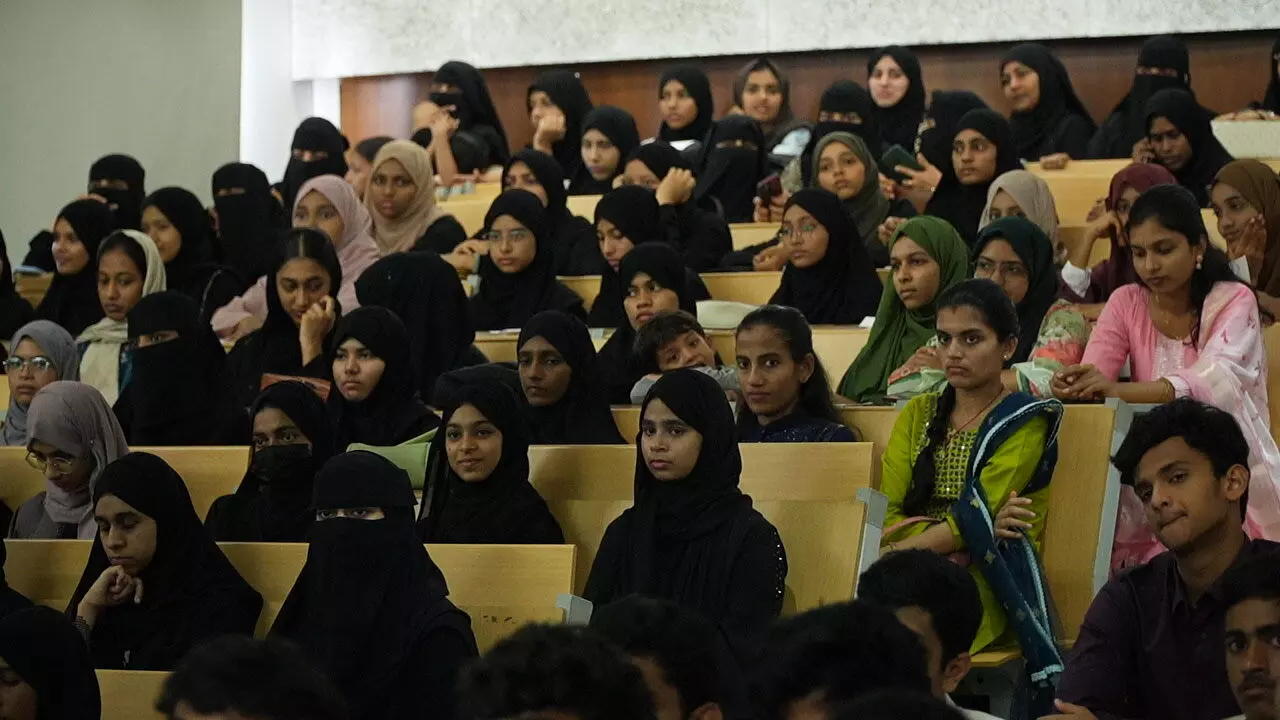
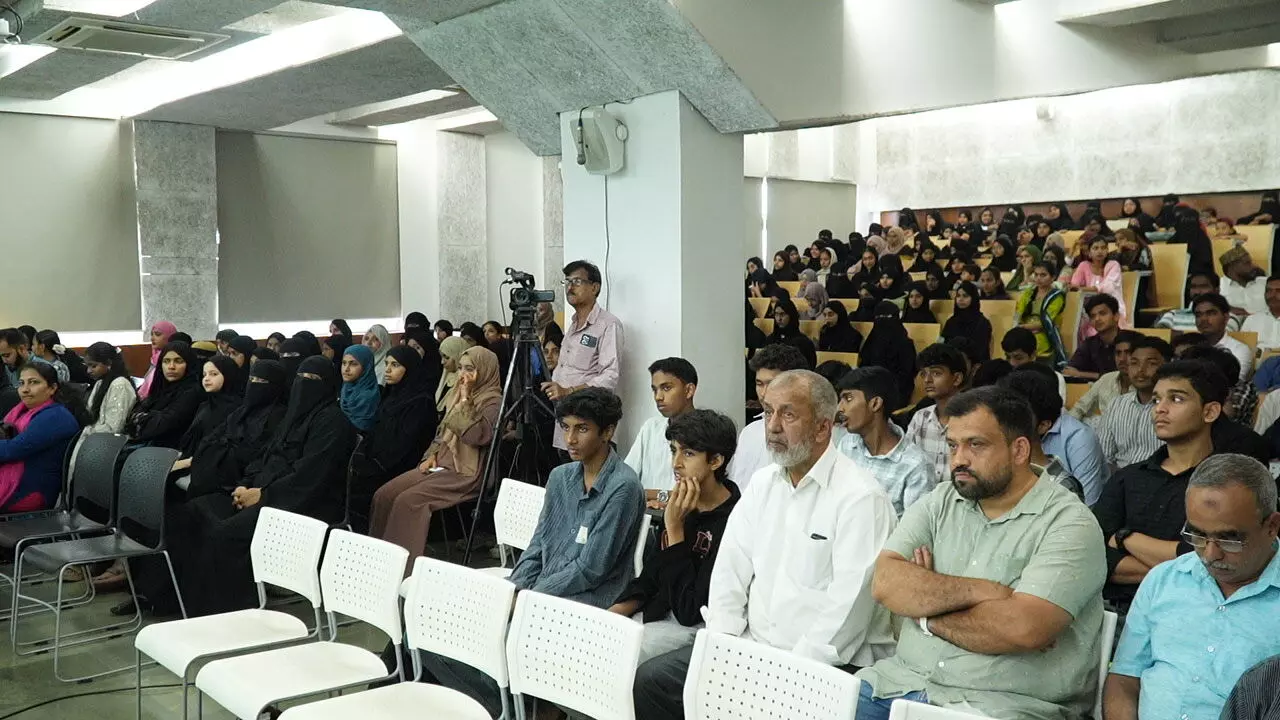
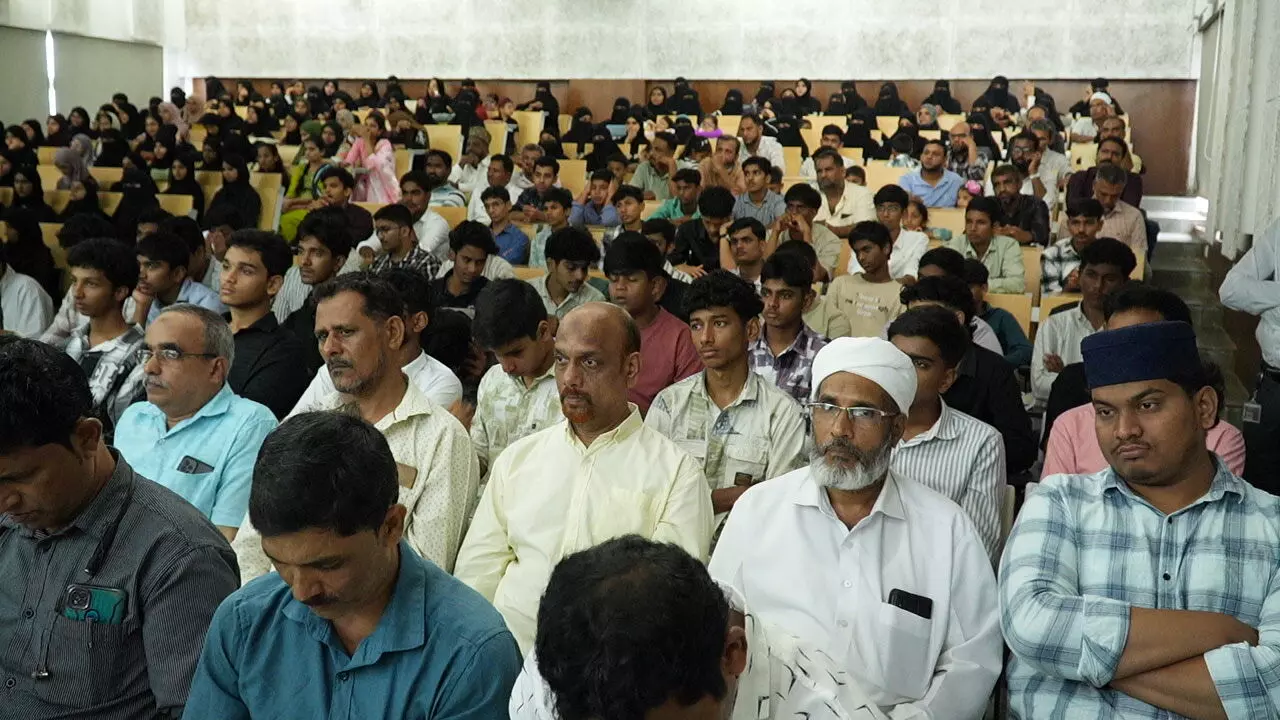
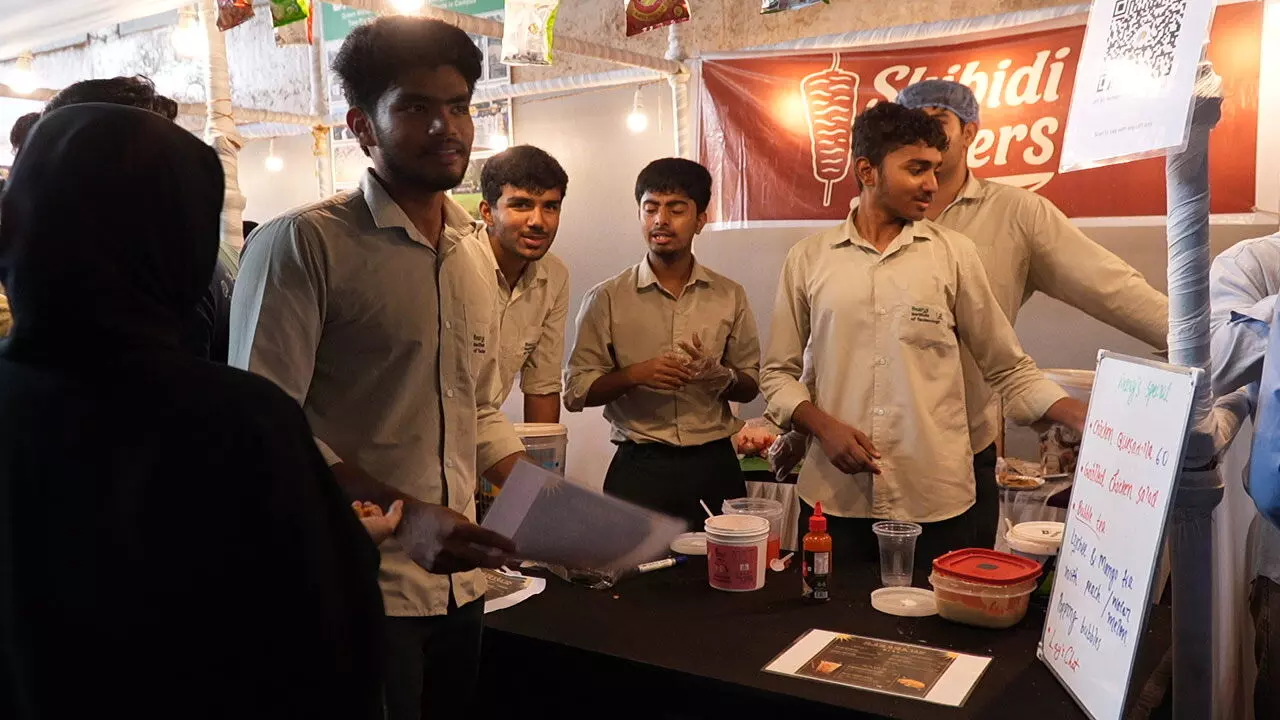
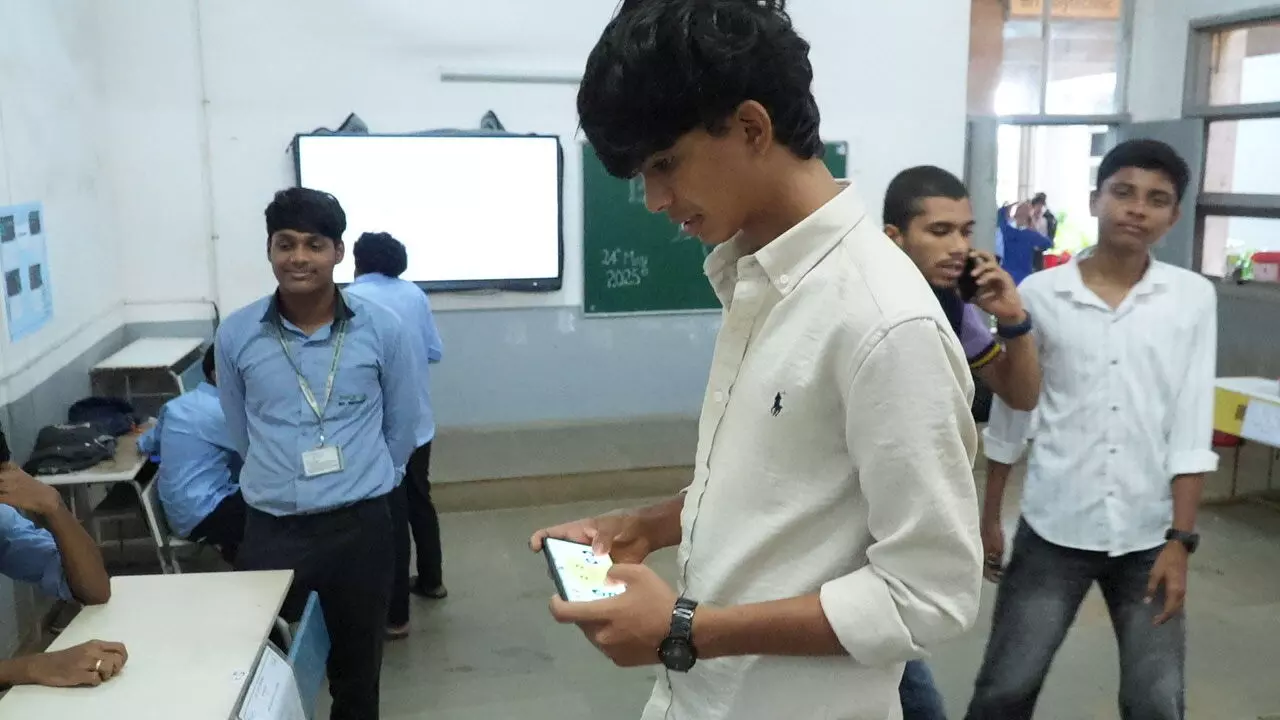
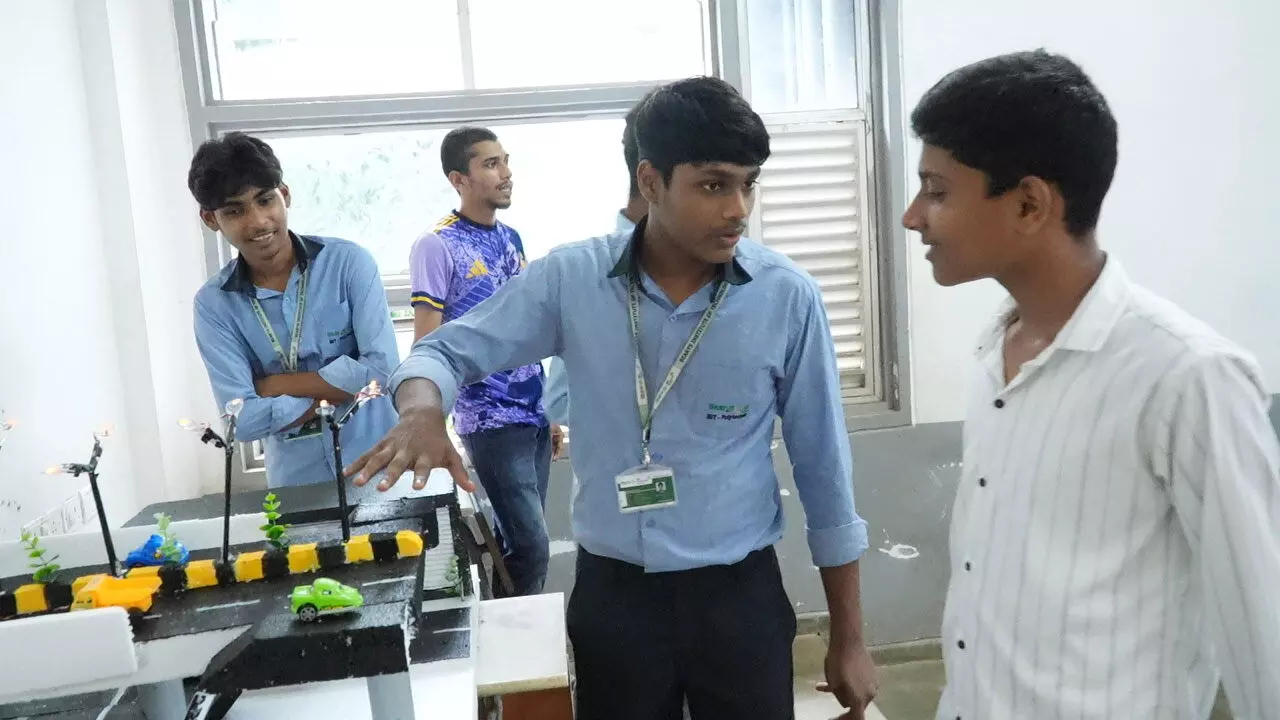
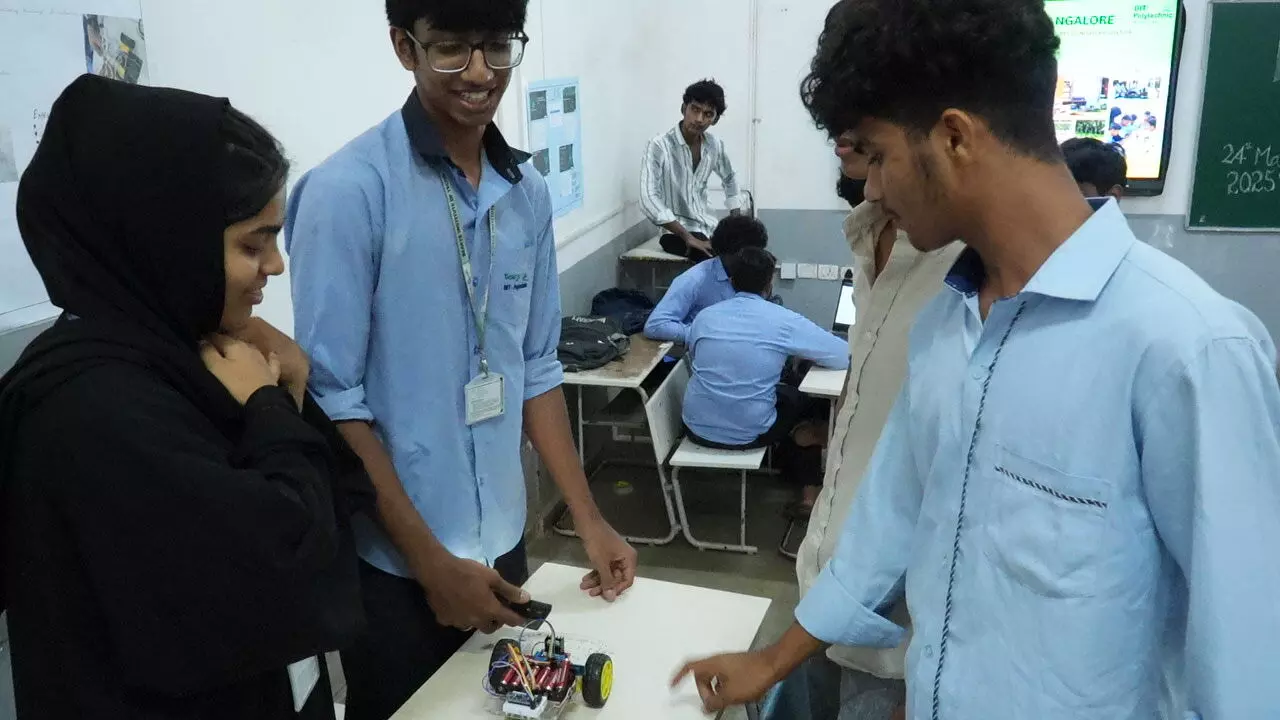
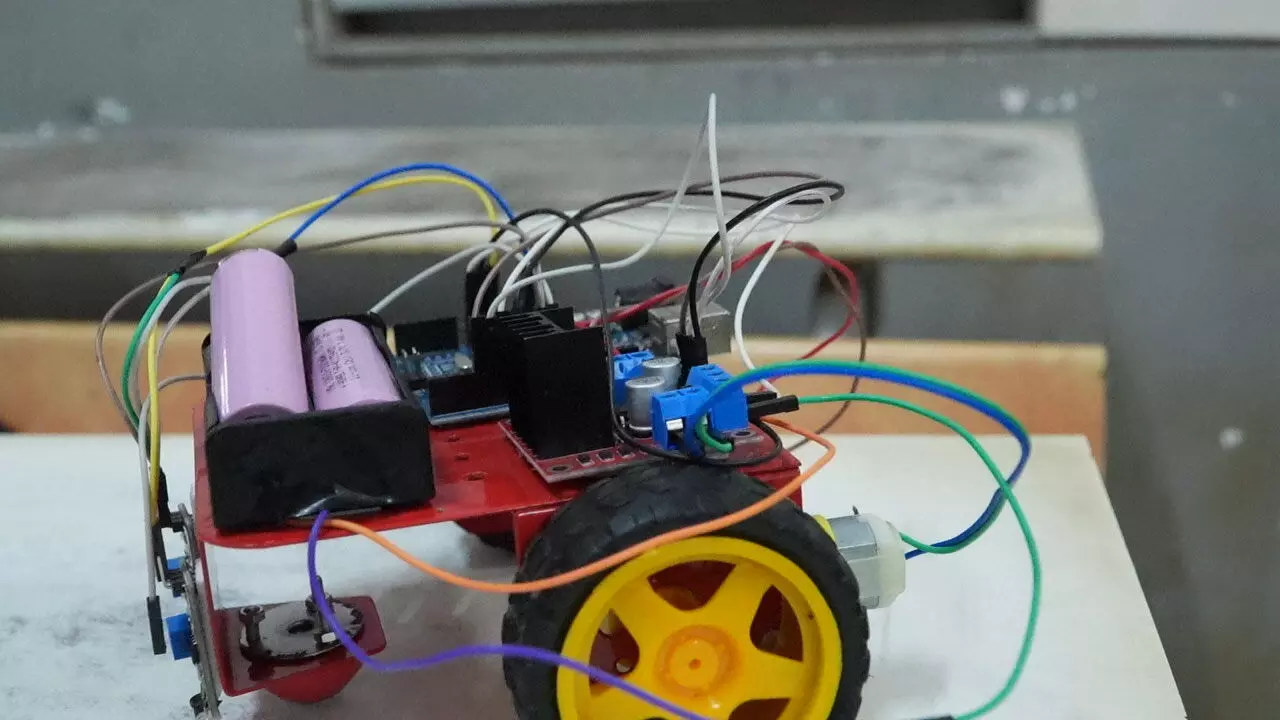
The program also featured awareness sessions on scholarships, information about government scholarships and hostel facilities, the felicitation of SSLC, PUC, and diploma toppers, an exhibition of creative student projects from over 55 engineering and architecture students, encouragement for college students to participate in sports competitions, and a food festival. Students and parents from various places participated enthusiastically in the program.

















Let the Truth be known. If you read VB and like VB, please be a VB Supporter and Help us deliver the Truth to one and all.
Ordinance issued to increase number of Supreme Court judges from 34 to 38

New Delhi (PTI): The government has promulgated an ordinance to increase the strength of the Supreme Court from the present 34 judges to 38, including the Chief Justice of India.
The law ministry notified the ordinance on Saturday, which amended the Supreme Court (Number of Judges) Act, 1956, to increase the sanctioned strength of the top court.
So far, the sanctioned strength of the top court was 34, including the Chief Justice of India (CJI). Now, the number of judges has been increased by four, taking the sanctioned strength to 38.
The top court will now have 37 judges, other than the CJI.
With the apex court having two vacancies at present, and the ordinance coming into force immediately, the Supreme Court Collegium will now have to recommend six names for appointment as judges in the top court.
A bill will be brought in the Monsoon Session of Parliament to convert the ordinance – an executive order – into a law passed by Parliament.
The Union Cabinet had cleared a draft bill on May 5 to increase the number of apex court judges.
The strength of the Supreme Court was last increased from 30 to 33 (excluding the CJI) in 2019.
The Supreme Court (Number of Judges) Act, as originally enacted in 1956, put the maximum number of judges (excluding the CJI) at 10.
This number was increased to 13 by the Supreme Court (Number of Judges), Amendment Act, 1960, and to 17 by another amendment to the law.
The Supreme Court (Number of Judges) Amendment Act, 1986, augmented the strength of judges from 17 to 25, excluding the CJI.
A fresh amendment in 2009 further increased the strength from 25 to 30.
Article 124(3) of the Constitution lists the qualifications required to become a Supreme Court judge.
An Indian citizen who has either served as a high court judge for at least five years, or as an advocate for 10 years, or is a distinguished jurist, can be appointed to the top court.
The strength of the Supreme Court is increased based on the recommendations of the CJI, who writes to the Union law minister. After consulting the finance ministry, the Department of Justice under the law ministry moves the Cabinet with a draft bill.