Aster Mims Hospital to provide Free Paediatric Surgeries for Poor Children
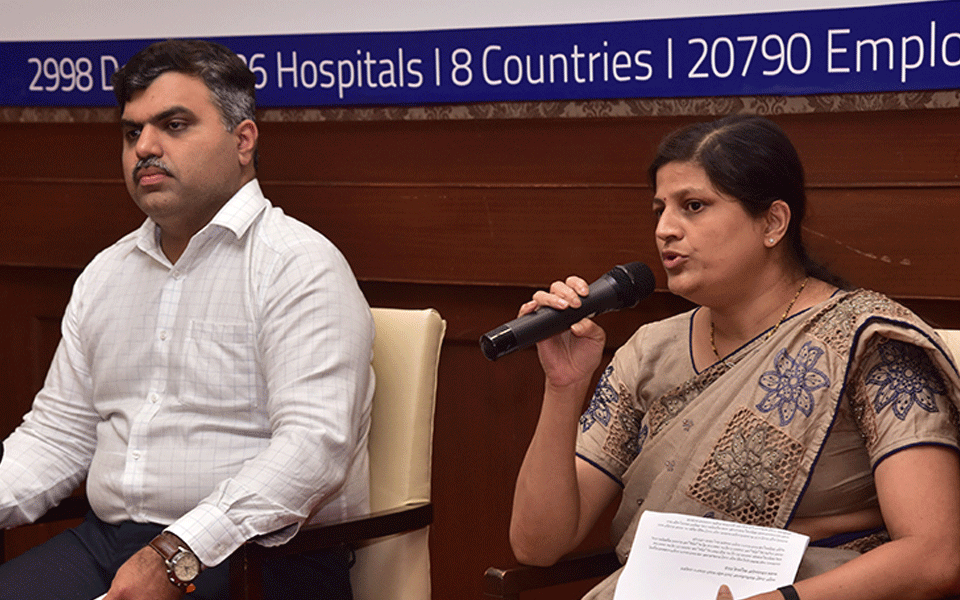
Mangaluru: Farhan Yasin, the CEO of the famous Aster Mims Kozhikode hospital in North Kerala said that Aster Mims Kozhikode will be offering free paediatric surgeries to children from impoverished families.
Speaking at a Press conference in Mangaluru, he said that the children of the BPL family can avail of liver transplant surgeries estimated at Rs 20 lakhs, Bone Marrow Transplant that costs Rs. 25 lakhs, Kidney transplants that cost 8 lakhs, and cancer treatments completely free of costs.
These free treatments are being offered under the advice of Mims Chairman Padma Shri Azad Moopen as part of the 20th Anniversary celebrations of Aster Mims in Kerala. The funds for the free surgeries and treatment were jointly raised by the Aster DM Foundation, Mims Charitable Trust, and other voluntary organizations.
During the Covid period, the hospital successfully performed more than 50 liver transplant surgeries. Aster Mims is the only hospital in North Kerala that has completed more than 150 liver transplant surgeries. Six of the Liver Transplant surgeries performed during the Covid period were performed free of charge for children from economically disadvantaged families. The hospital spent around Rs. 1.25 crore for those surgeries. So far, more than 1000 renal transplant surgeries have been performed at the Aster Mims Kozhikode. Mims is one of the best stroke centers in India and it has achieved accreditation from the World Stroke Organisation, Farhan Yasin informed.
In addition to that, Dr. Pravitha S Anchan of the Mims Hospital informed that the hospital was also known to conduct Neuro Surgery, Neurology, Epilepsy Surgery, DBS, Cardiovascular Treatment, and Cardiac Surgery.
When a financially impoverished family without a BPL card approaches the hospital for free treatment, the hospital team will investigate the legitimacy of the application and render cooperation to the families with regards to availing the required treatment. . Farhan Yasin said that they can be contacted via mobile if needed.
Farhan Yasin also said that those who are in need can also contact him at his mobile number 7025767676, or contact Dr. Pravitha via the number: 9495343017.
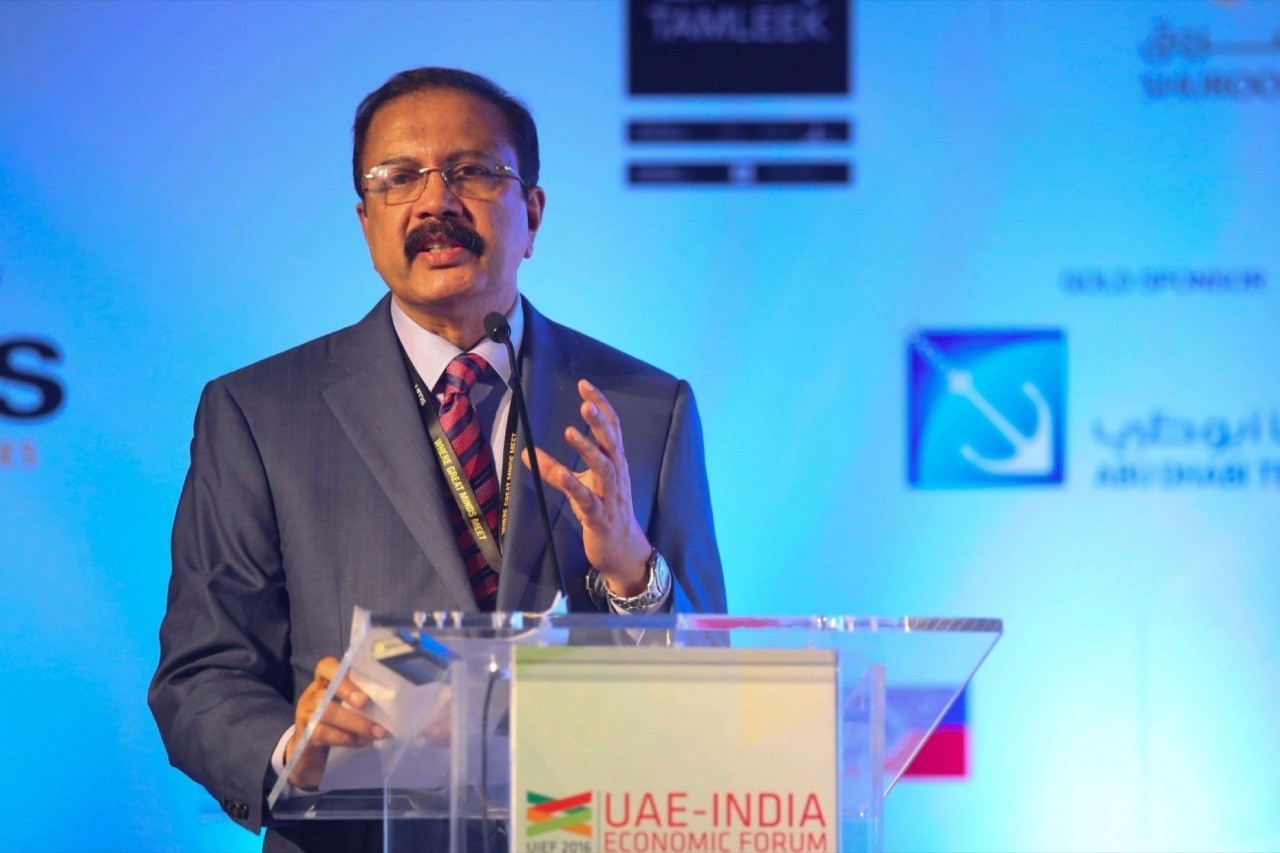
Azad Moopen | File Photo
Let the Truth be known. If you read VB and like VB, please be a VB Supporter and Help us deliver the Truth to one and all.
Bidar: Representative of Supreme Leader of Iran visits Shaheen Knowledge City
_vb_10.jpeg)
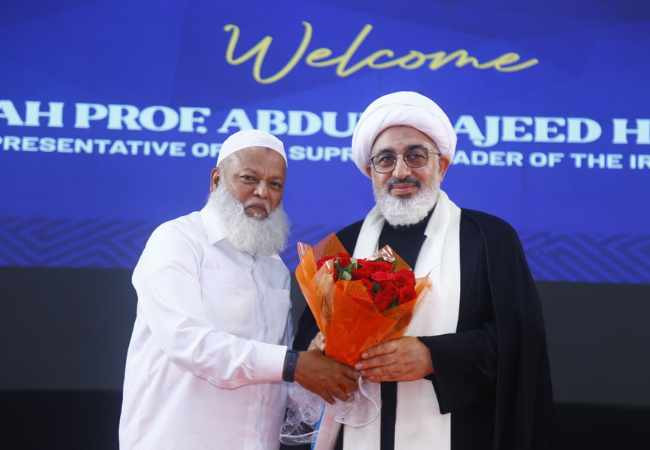
Bidar: Ayatullah Professor Abdul Majeed Hakim Elahi, the Representative of the Supreme Leader of Iran in India during his visit to Shaheen Knowledge City on Monday visited the Shaheen Group of Institutions.
Dr. Abdul Qadeer, Chairman of Shaheen Group of Institutions welcomed Professor Abdul Majeed Hakim Elahi.
Speaking on the occasion, Dr. Qadeer highlighted the historic and civilisational relationship between India and Iran and the centuries-old cultural, educational, and academic exchanges between the two nations.
Furthermore, he emphasized that both countries share deep-rooted ties in knowledge, language, and scientific traditions, which continue to strengthen cooperation even today.
During his visit, Ayatullah Hakim Elahi addressed a large gathering of students and faculty at Shaheen PU College.
Addressing the gathering, Ayatullah Hakim Elahi spoke on the importance of science, technology, and development, stressing that nations progress through innovation, research, and strong educational institutions.
He also encouraged students to aim for excellence in emerging fields such as biotechnology, space science, cyber technology, and nanotechnology.
During the visit, discussions were also held on future academic collaborations between Indian institutions and leading universities in Iran, particularly in advanced scientific and technological sectors.
Ayatullah Hakim Elahi also commended the remarkable contribution of the Shaheen Group of Institutions in transforming the lives of students, especially those from underprivileged and Madrasa backgrounds, by providing quality education and opportunities in professional fields.
As part of his visit, Ayatullah Hakim Elahi also toured the historic Mahmud Gawan Madrasa and commended its legacy as a centre of learning.