Bearys Institute of Technology hosts workshop on AI, Law, Post-Quantum Cryptography
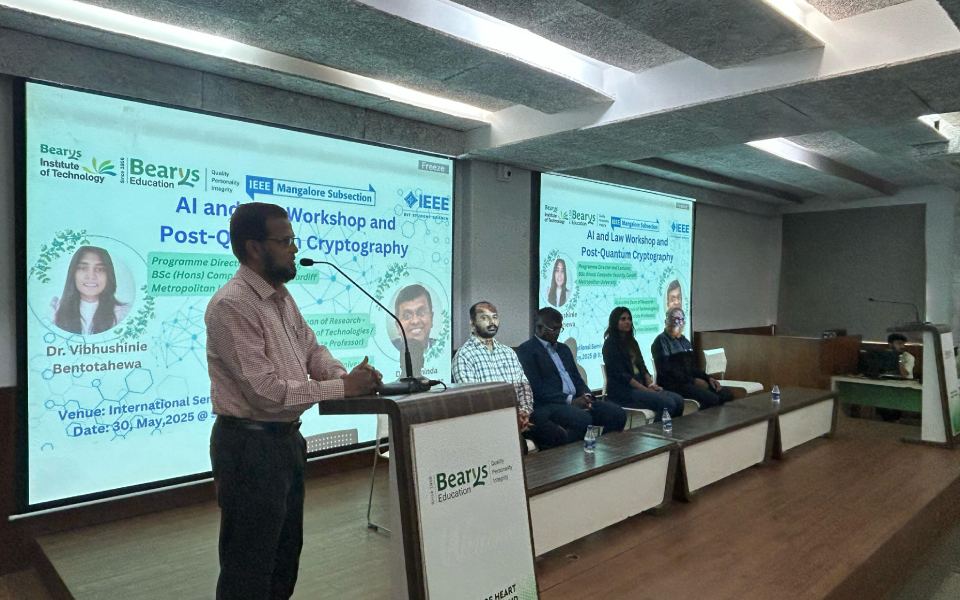
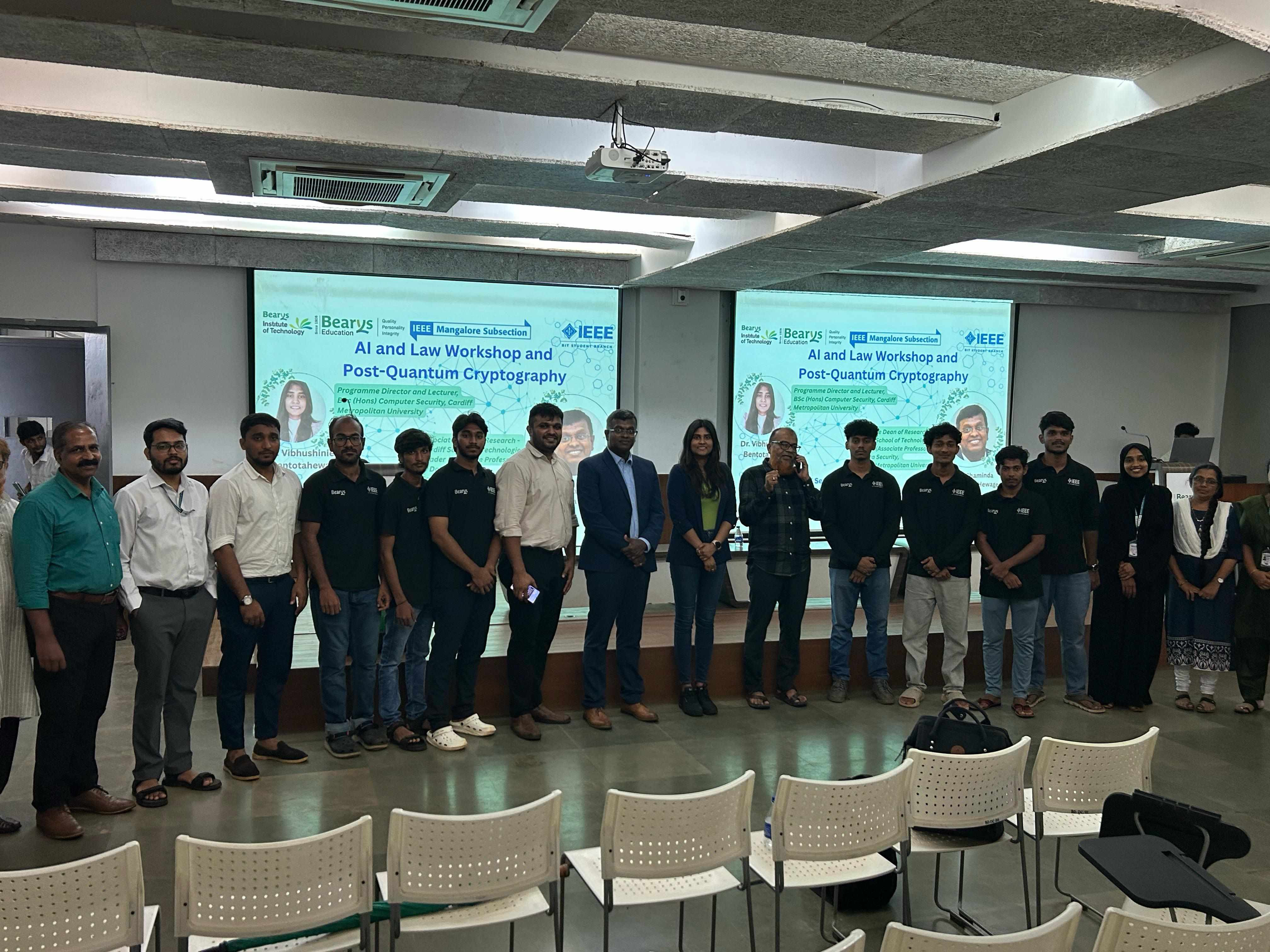
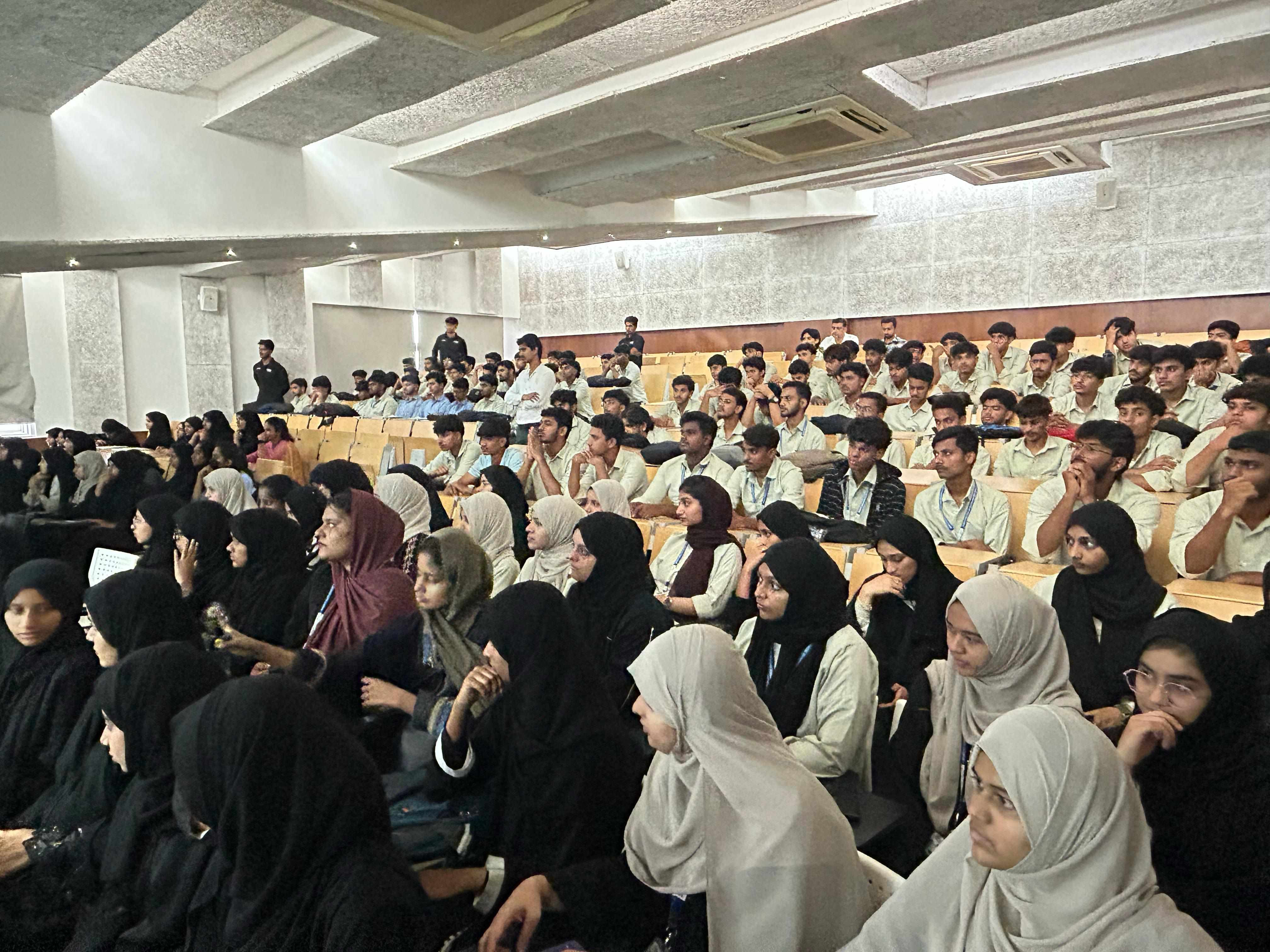
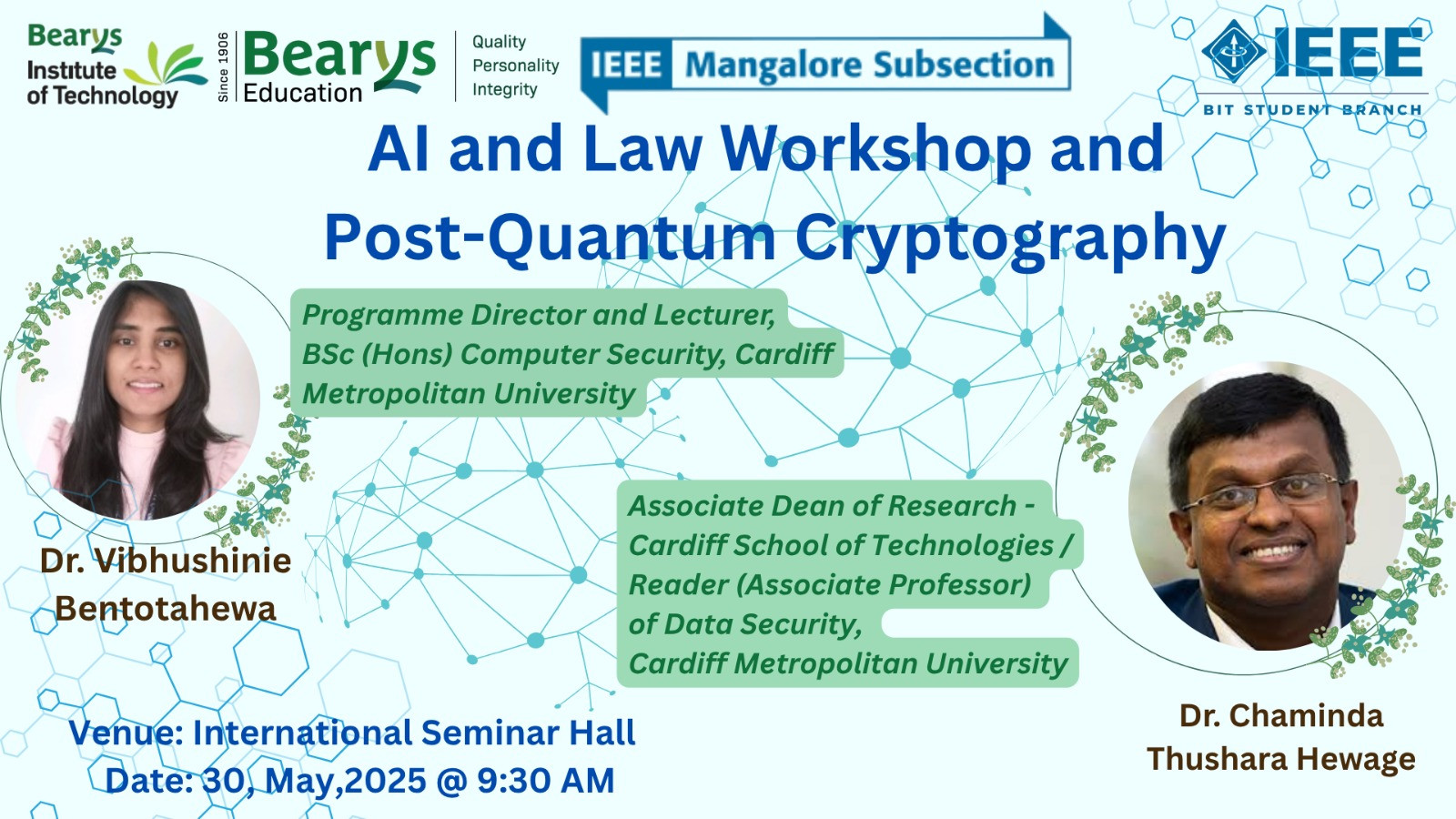
Mangaluru: Bearys Institute of Technology (BIT), in association with the IEEE BIT Student Branch, hosted a thought-provoking workshop titled “AI and Law Workshop and Post-Quantum Cryptography” on May 30 at the International Seminar Hall.
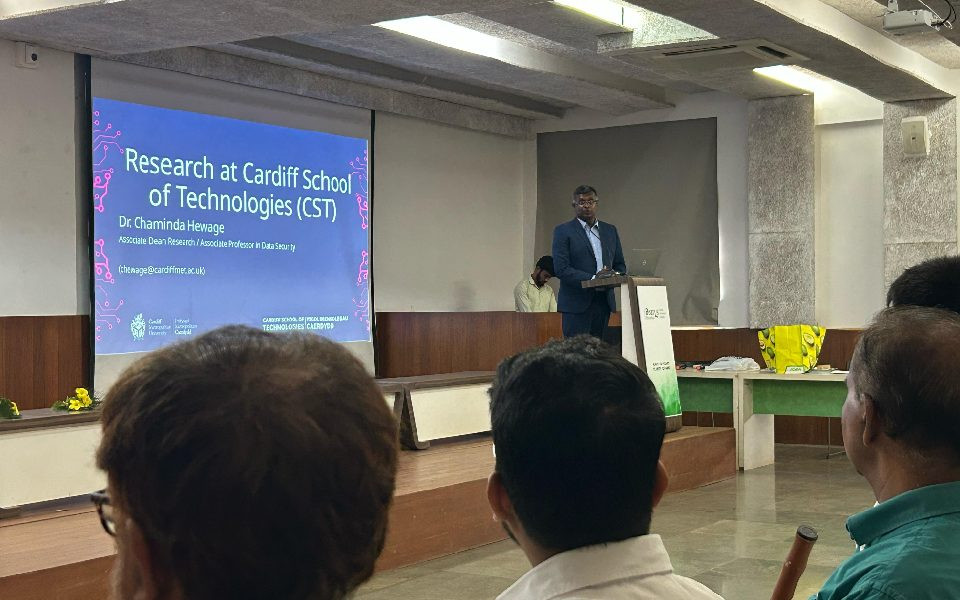
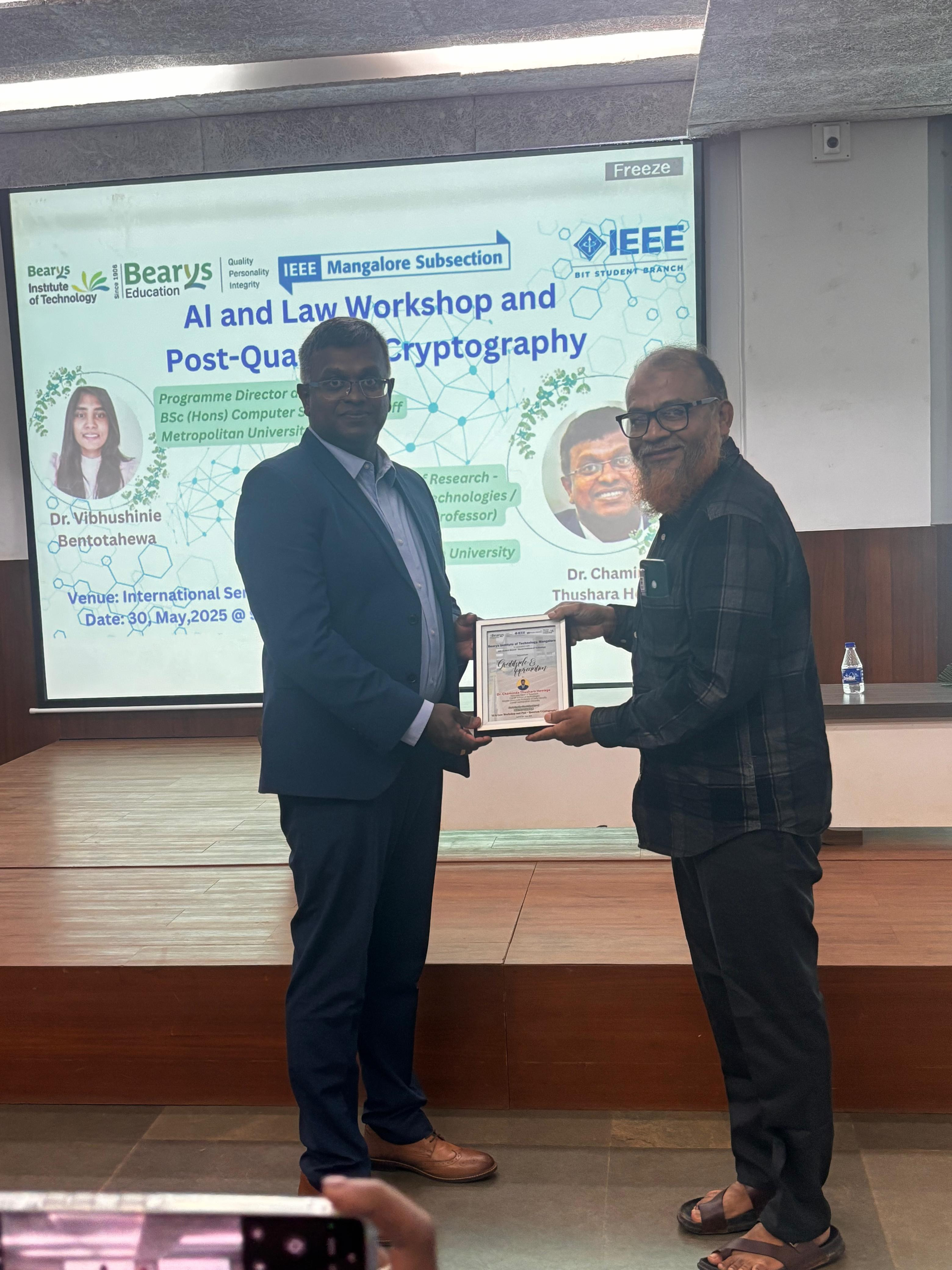
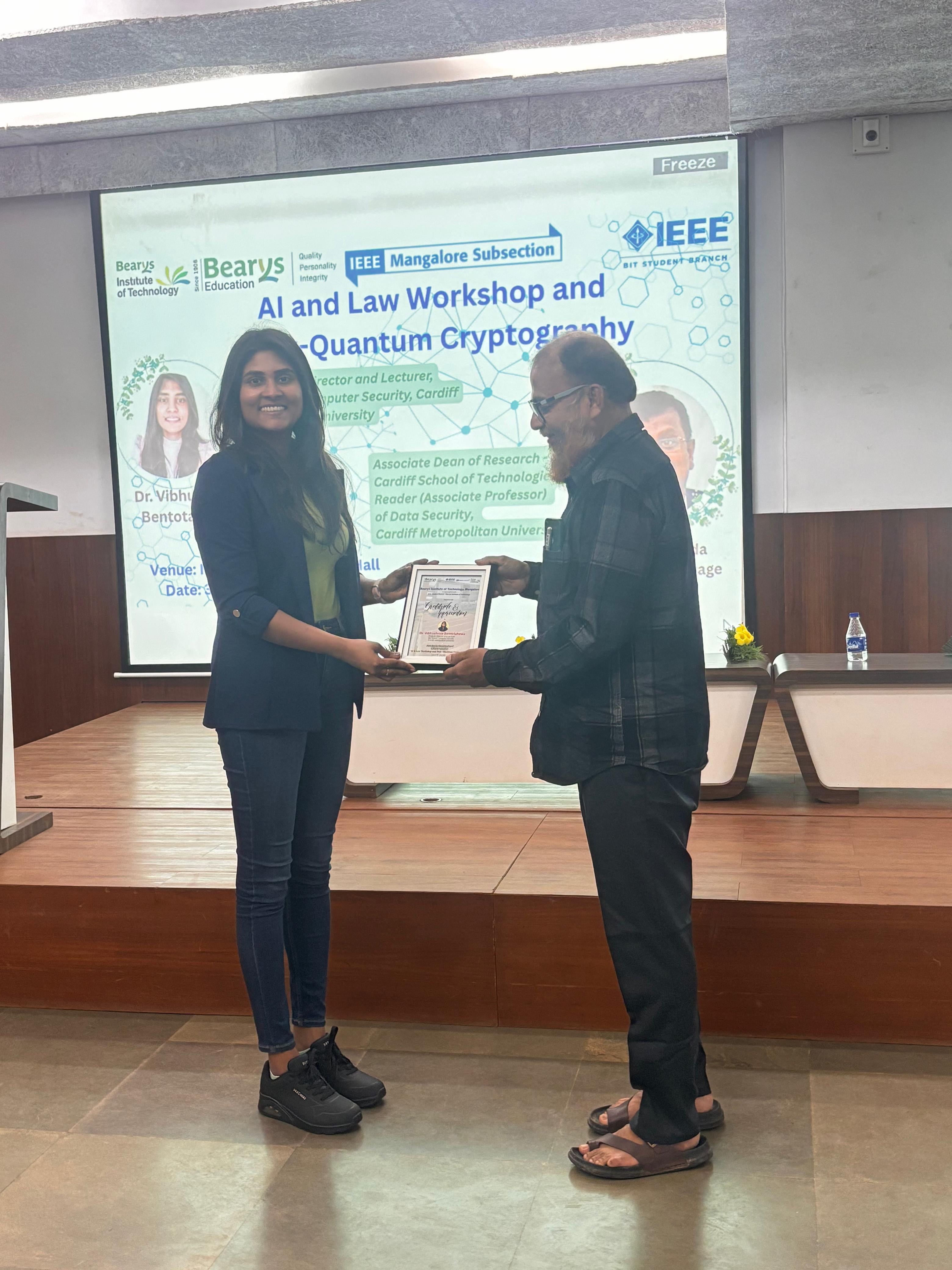
The event featured distinguished speakers from Cardiff Metropolitan University, UK , Dr. Vibhushinie Bentotahewa, Programme Director and Lecturer for BSc (Hons) Computer Security, and Dr. Chaminda Thushara Hewage, Associate Dean of Research at the Cardiff School of Technologies and Reader in Data Security.
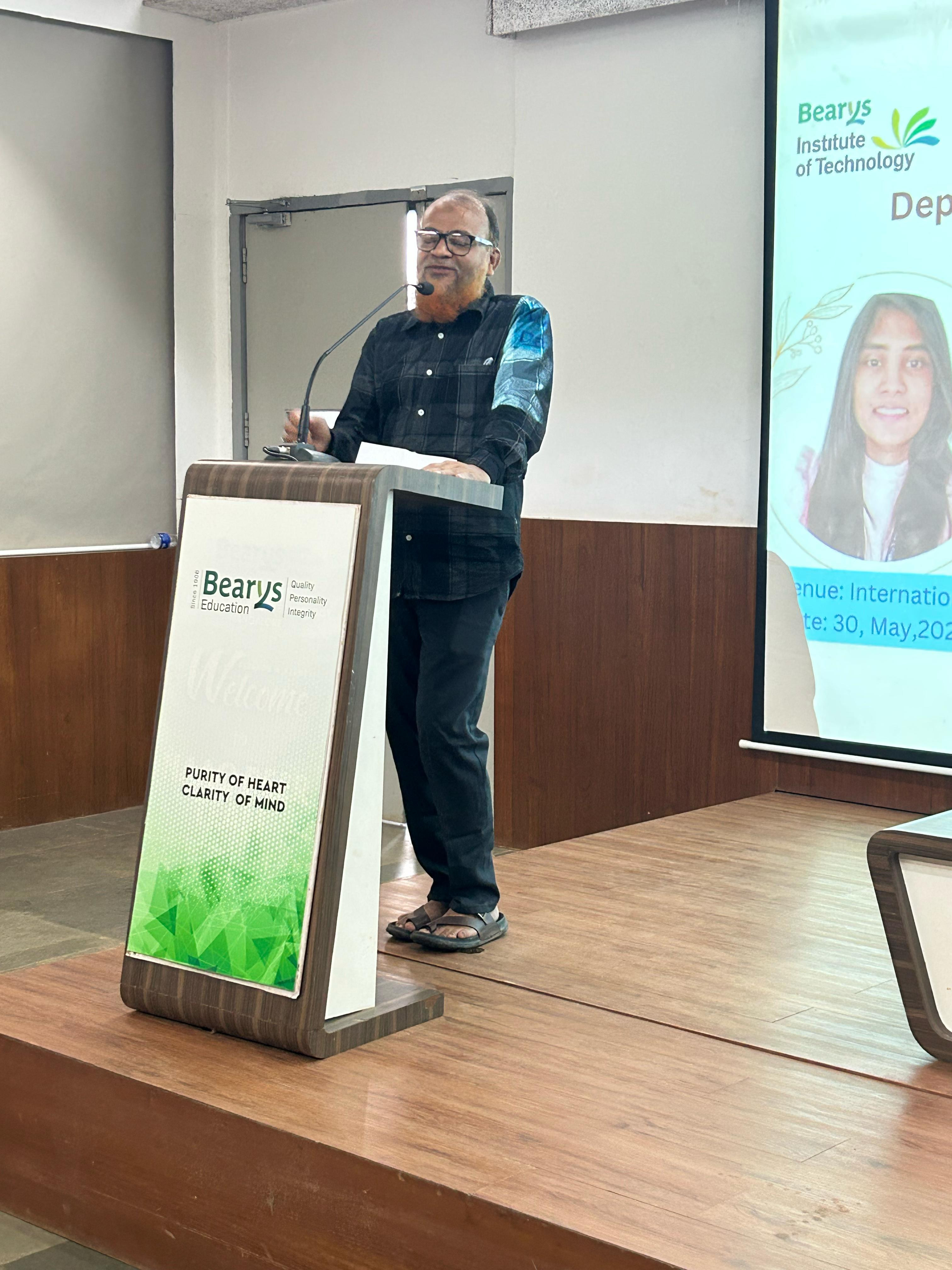
The program commenced with a welcome address by BIT Principal Dr. S. I. Manjur Basha, who emphasized the growing significance of secure digital communication and the ethical considerations surrounding artificial intelligence in today’s technological landscape.
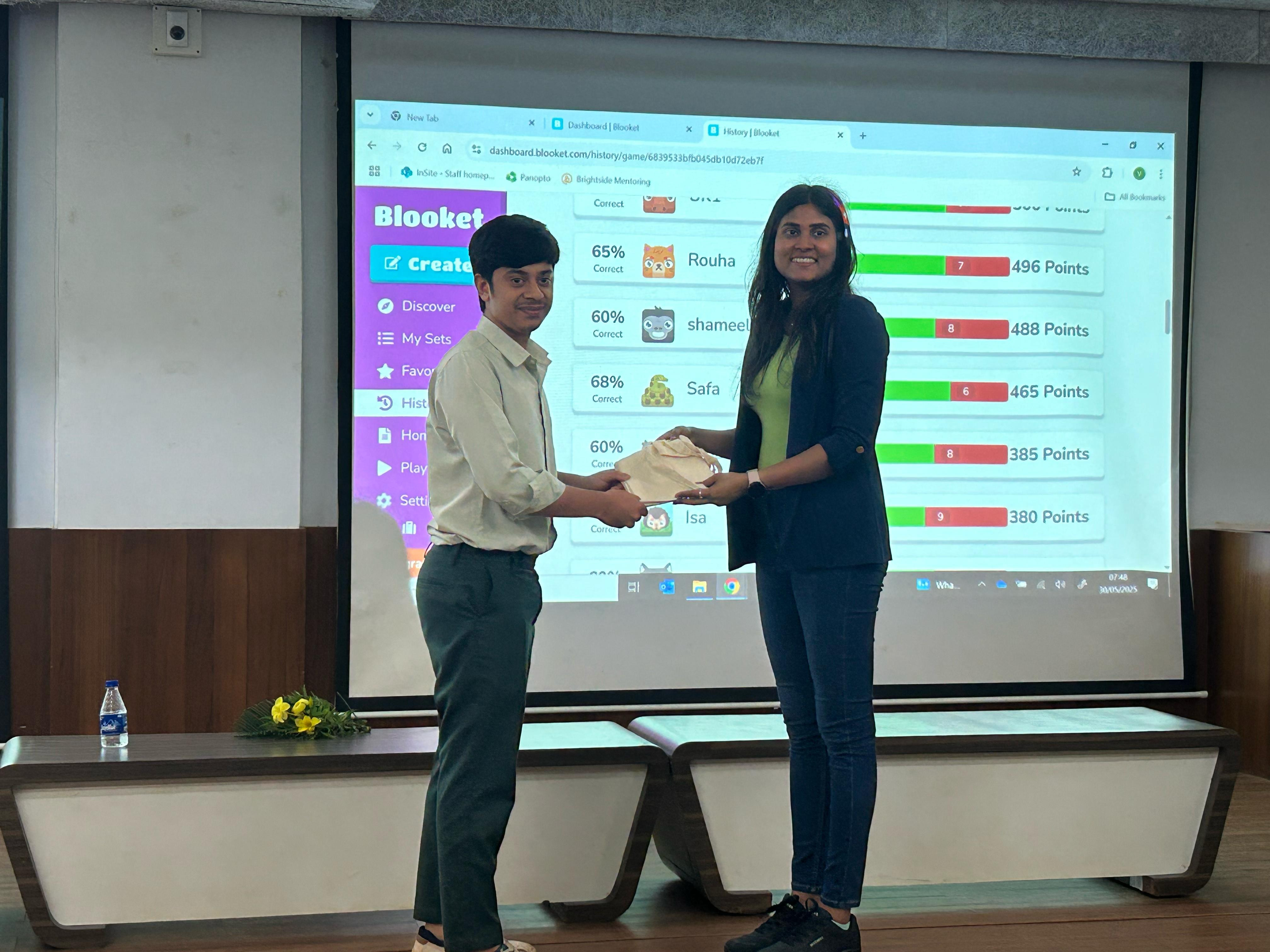
Dr. Vibhushinie provided deep insights into the intersection of AI and legal systems, underlining the necessity of aligning technological advancements with ethical and legal frameworks. Dr. Chaminda focused on the urgent need to prepare for a quantum future, highlighting the limitations of conventional cryptography and the emerging domain of post-quantum cryptographic techniques.
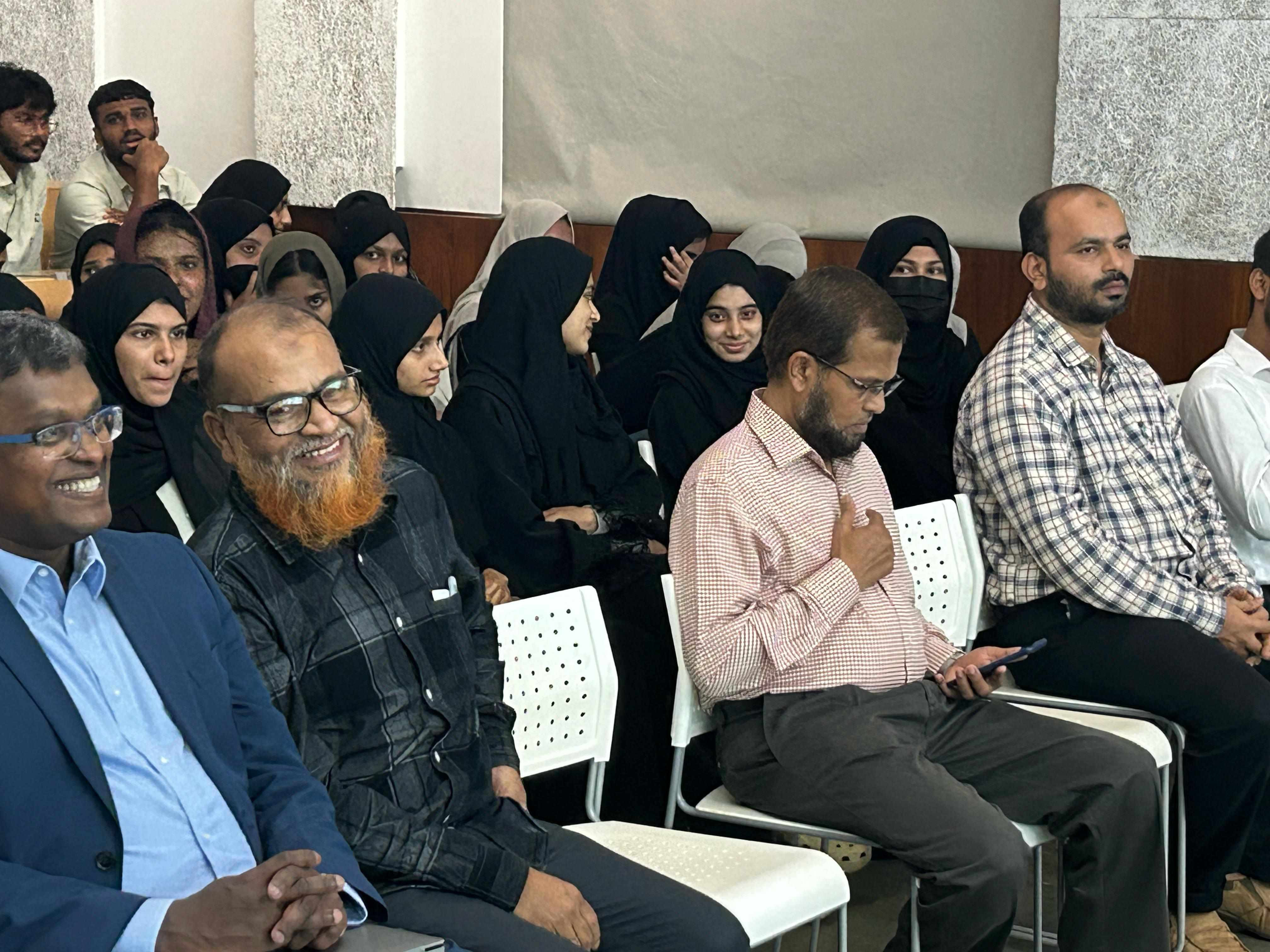
The workshop was coordinated by Dr. Abdullah Gubbi, Head of the Department of Electronics and Communication Engineering, whose meticulous planning contributed to the event’s academic value and seamless execution. He concluded the session with a Vote of Thanks, appreciating the speakers, organizing team, and the enthusiastic student participants.
This workshop marked another step forward for BIT in promoting global academic partnerships and advancing discourse in frontier technologies.
Let the Truth be known. If you read VB and like VB, please be a VB Supporter and Help us deliver the Truth to one and all.
Satheesan announces Kerala Cabinet ahead of swearing-in ceremony
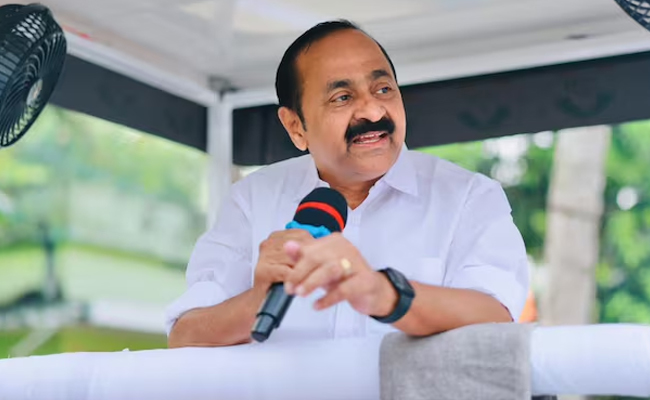
Thiruvananthapuram (PTI): Kerala Chief Minister-designate V D Satheesan on Sunday announced his ministerial team ahead of the swearing-in ceremony of the new government in the state.
Satheesan said the list of ministers had been finalised after discussions among alliance leaders, taking into account social and regional balance within the coalition.
He said senior leaders Ramesh Chennithala, K Muraleedharan and Sunny Joseph would be inducted as ministers.
The UDF also decided to appoint senior legislator Thiruvanchoor Radhakrishnan as Speaker of the Assembly, while Shanimol Usman will serve as Deputy Speaker.
Satheesan said many deserving leaders could not be accommodated in the Cabinet despite the Congress securing 63 seats, describing it as one of the party’s biggest victories in the state.
“There are many deserving leaders both within and outside the list. But a party like the Congress has to consider social balance, regional representation and several other factors while taking such decisions,” he said.
He added that discussions on the allocation of portfolios among coalition partners were almost complete, with only minor corrections remaining.
The final list would be formally submitted to the Governor and later notified through an official gazette following approval.