Coast Guard installs two more radars: S.S Dasila
Vigil on activities in sea tightened
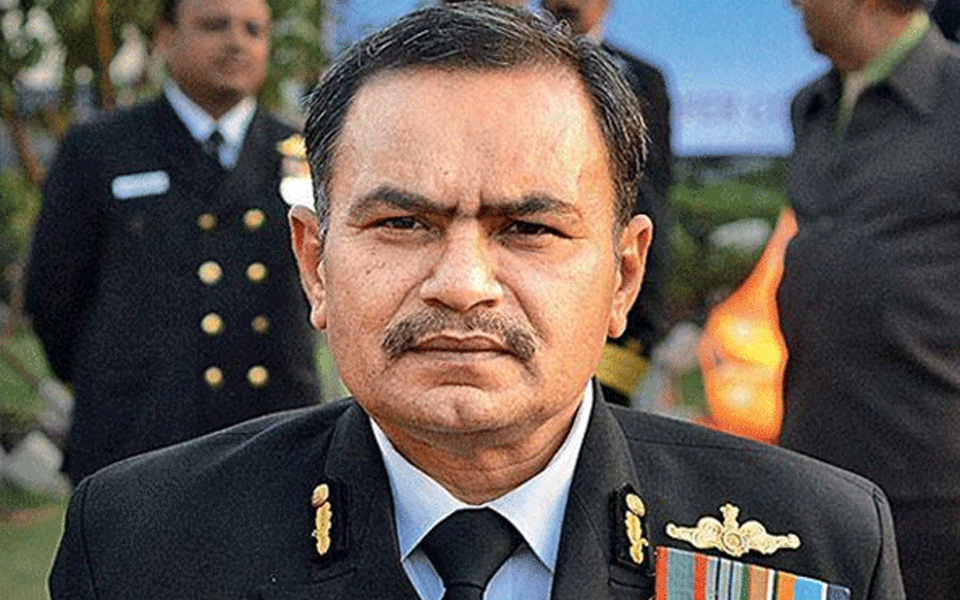
Mangaluru, Jan 31: In order to keep strict surveillance and tighten the vigil further along the West Coast, two more radar centers will come up in Kundapura and Belekeri, said Coast Guard DIG and Commander S.S Dasila.
The Coast Guard security force will celebrate its 43rd Founders Day and to mark this occasion, the Coast Guard commander spoke to media at his office here on Friday.
The land acquisition process at Belekeri was completed and the radar centre would be set up at light house in Kundapura.
Already radar centres have been functioning at Bhatkal and Surathkal. These centres would keep vigil on the activities till 60 to 80 nautical miles in the sea. Sitting in Surathkal radar centre, the activities could be watched till Bhatkal as the radars have quality cameras, he said.
The ships and aircrafts of the Coast Guard have made the coastal region of the state safe. Besides keeping a vigil on the illegal activities in the sea, they have been extending helping hand to the fishermen in distress.
The Coast Guard has rescued 202 persons in 2017 in various tragedies including Okhi cyclone, 209 in 2018 and till now, 19 precious lives were saved in 2019.
Apart from this, the coast Guard has participated in rescue operations during flood situation in coastal districts in 2018 and rescued 39 people, he said.
Along with its duty, the coast guard has been involving in social activities too like cleanliness drive, community programmes, medical camps and other awareness programmes, he said.
A documentary on the Coast Guard was screened during the press conference. PRO LM Gajbhiye, staff Deepika Dhiman and others were present.
Coastal region is safe
Karnataka coastal region is safe and the Coast Guard is committed to protect the fishermen and safeguard the coastal region, DIG Dasila said.
Let the Truth be known. If you read VB and like VB, please be a VB Supporter and Help us deliver the Truth to one and all.
Udhayanidhi accuses BJP of not releasing funds for TN
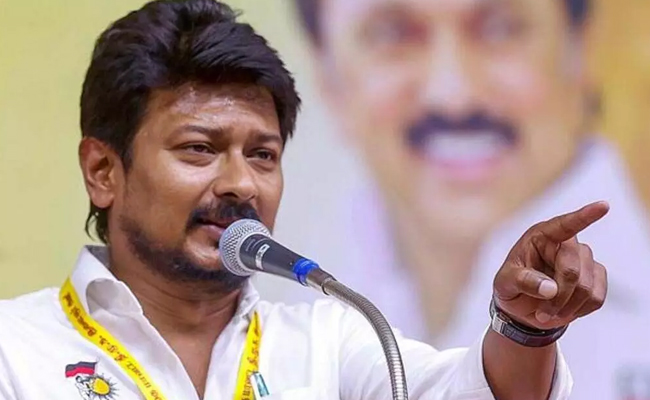
Gobichettipalayam (PTI): Tamil Nadu deputy chief minister Udhayanidhi Stalin on Saturday charged the BJP government at the Centre with not releasing funds to the state and accused it of "snatching" TN's rights.
Addressing a poll rally at Gobichettipalayam in the western Erode district, the DMK youth wing chief claimed the Centre has not released funds to the tune of Rs 3,000 crore for education.
"They (union government) have snatched all our rights," he charged.
With regard to the Centre's proposal for delimitation, he said chief minister M K Stalin was the first person in the country to raise the voice against the union government's move. He claimed that it was a "huge victory" for the INDIA alliance, as the bill was defeated for lack of majority after the opposition voted against it in the Lok Sabha.
Listing out various welfare measures implemented by the DMK government, he said the existing "Kalaignar Magalir Urimai Thogai" (monthly financial assistance for women) will be doubled to Rs 2,000 if DMK was voted to power again.
The deputy chief minister charged that the BJP and AIADMK have tried to stall it by moving the court. "At present more than 1.3 crore women have benefited from the scheme", he said.
"Similarly, the breakfast scheme for the government school students will be extended till Class VIII", he said adding "more than 35 lakh college students across the state will be getting free laptops once the DMK government is formed".
Udhayanidhi also pointed out at the "Illatharasi" poll promise, providing Rs 8,000 worth of coupons to non-income tax paying women where they could buy or replace any household appliances of their choice.
Elections to 234 Assembly seats in Tamil Nadu will be held on April 23 and the results declared on May 4 following counting of polled votes.