Five central organizations of Bhatkal hold joint condolence meet for SM Syed Khalil
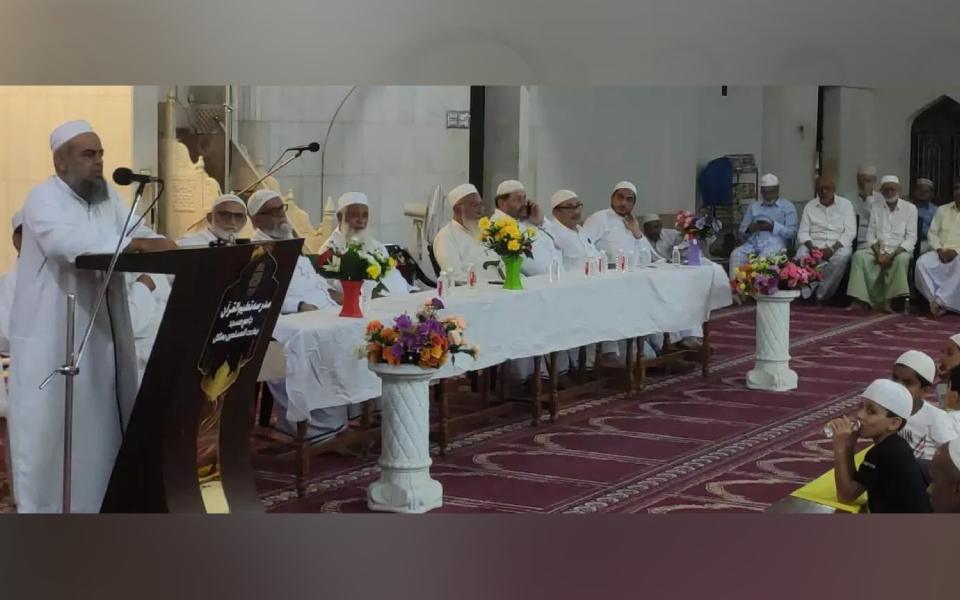
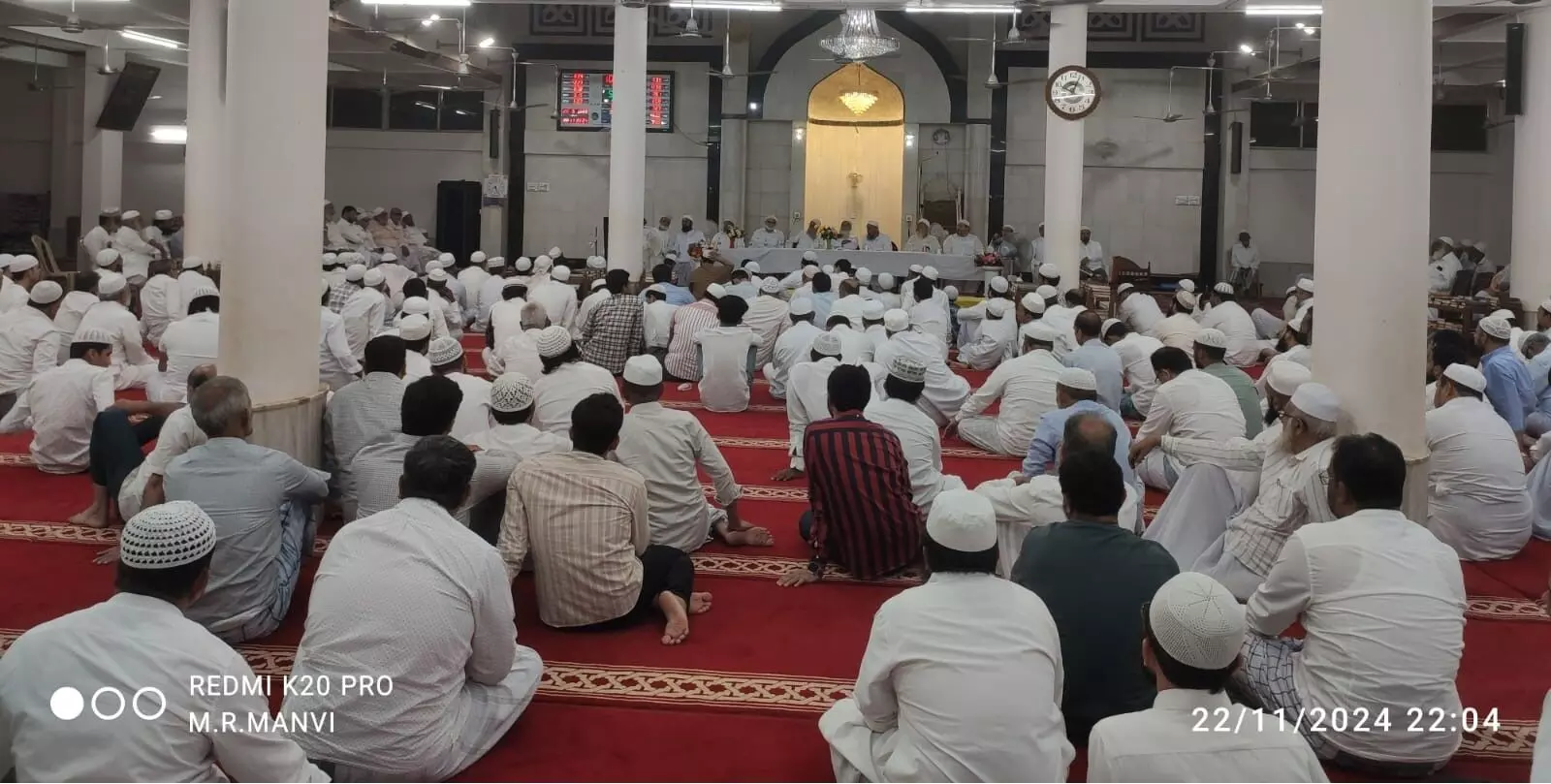
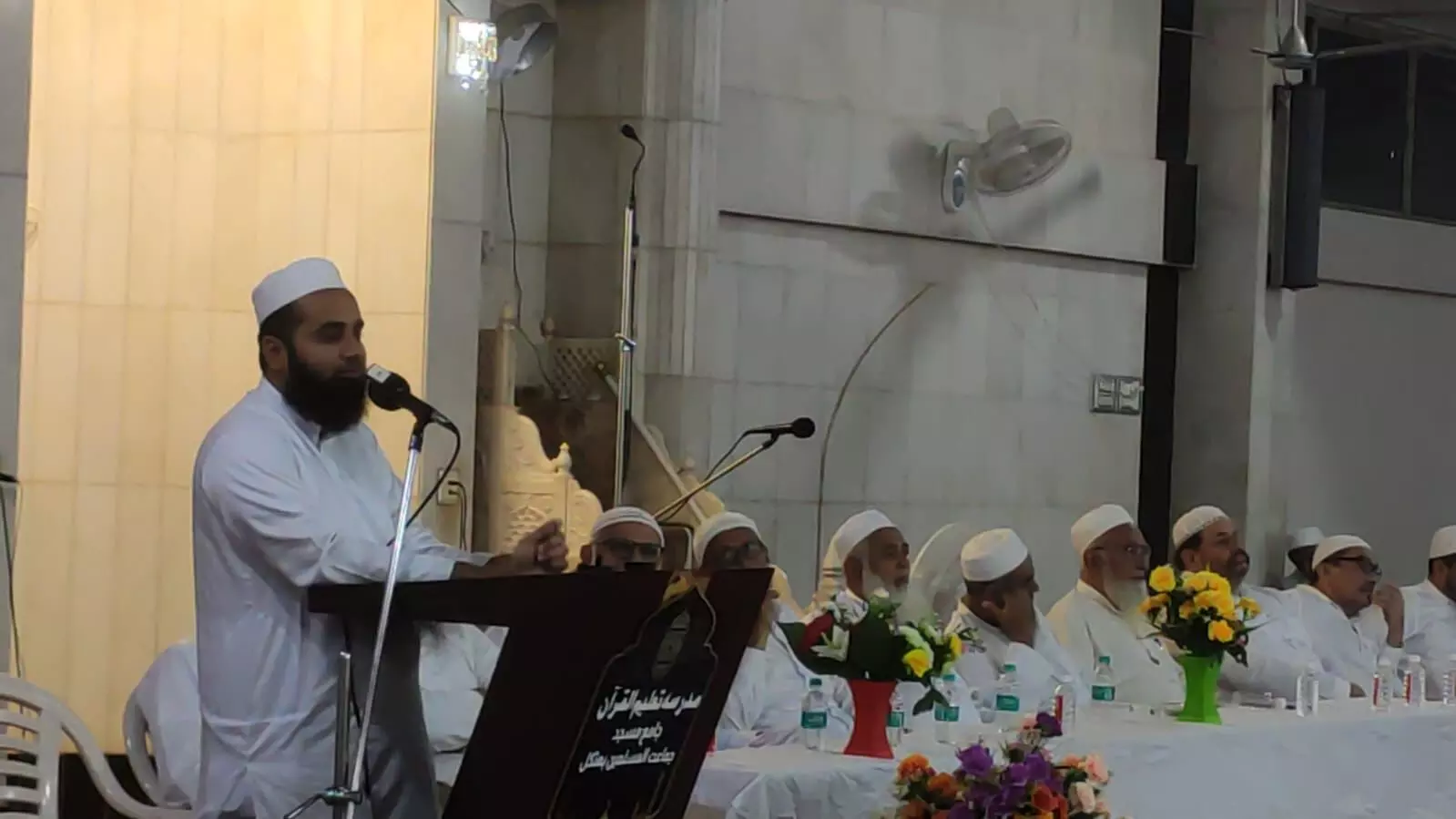
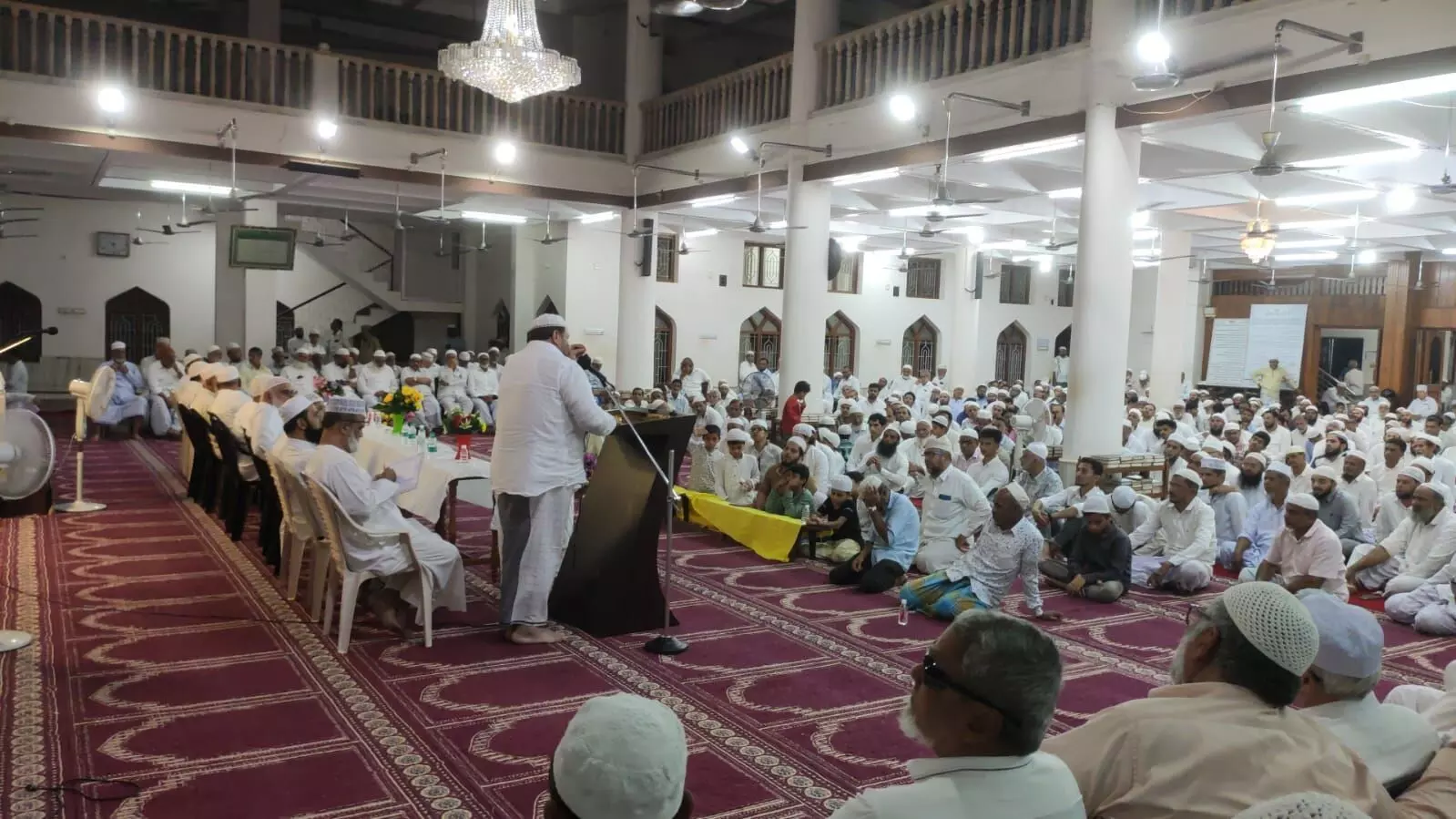
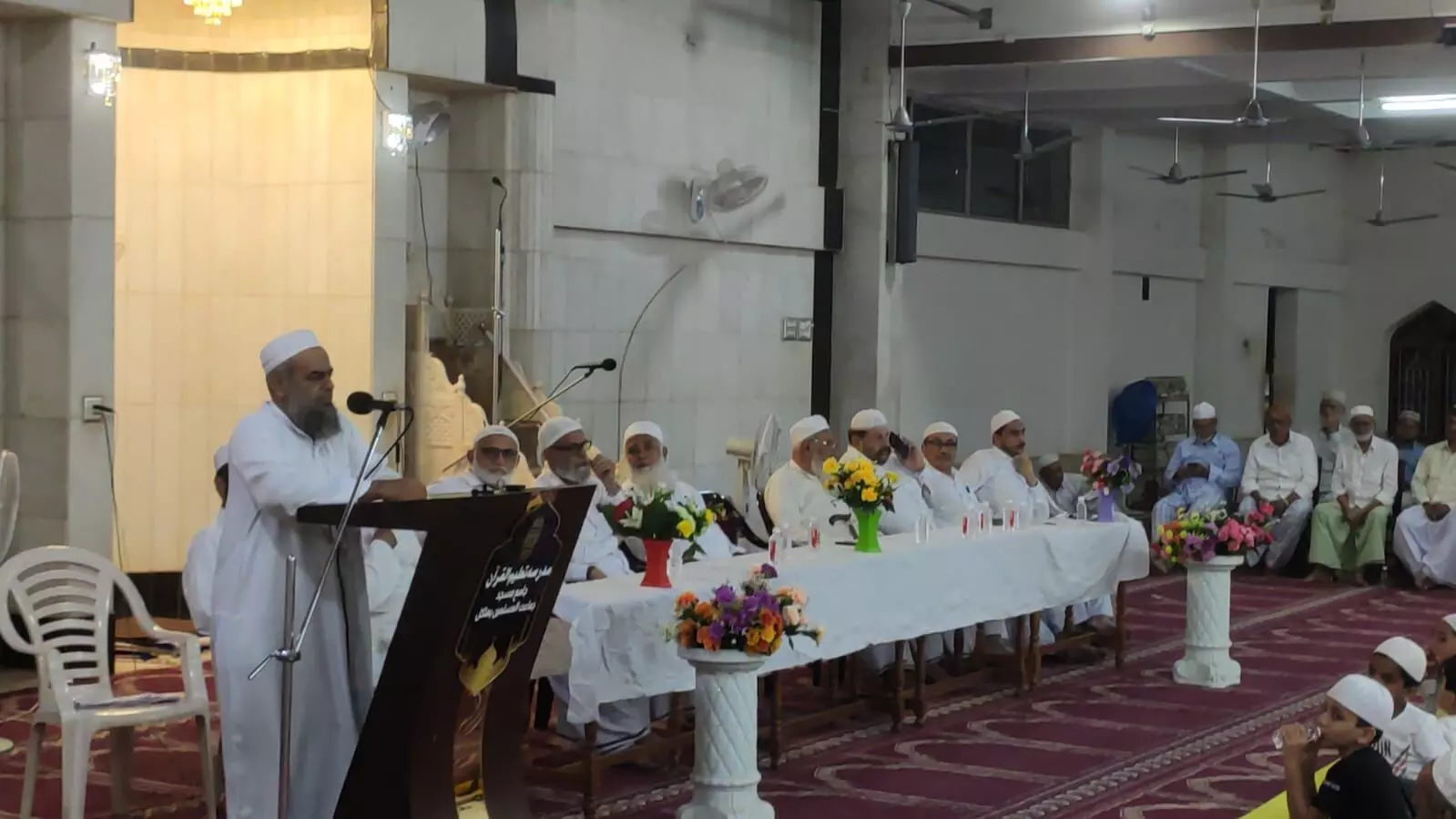
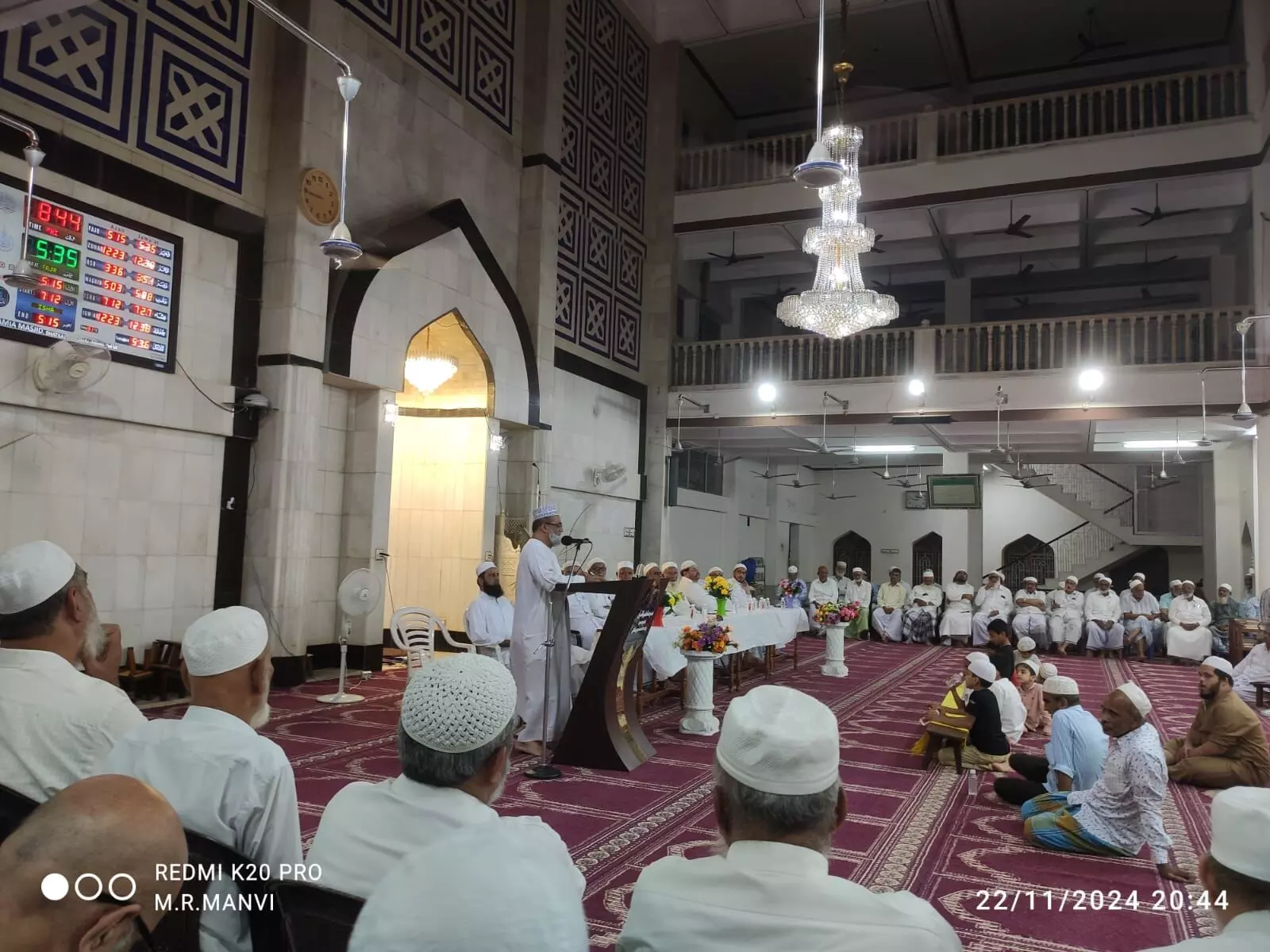
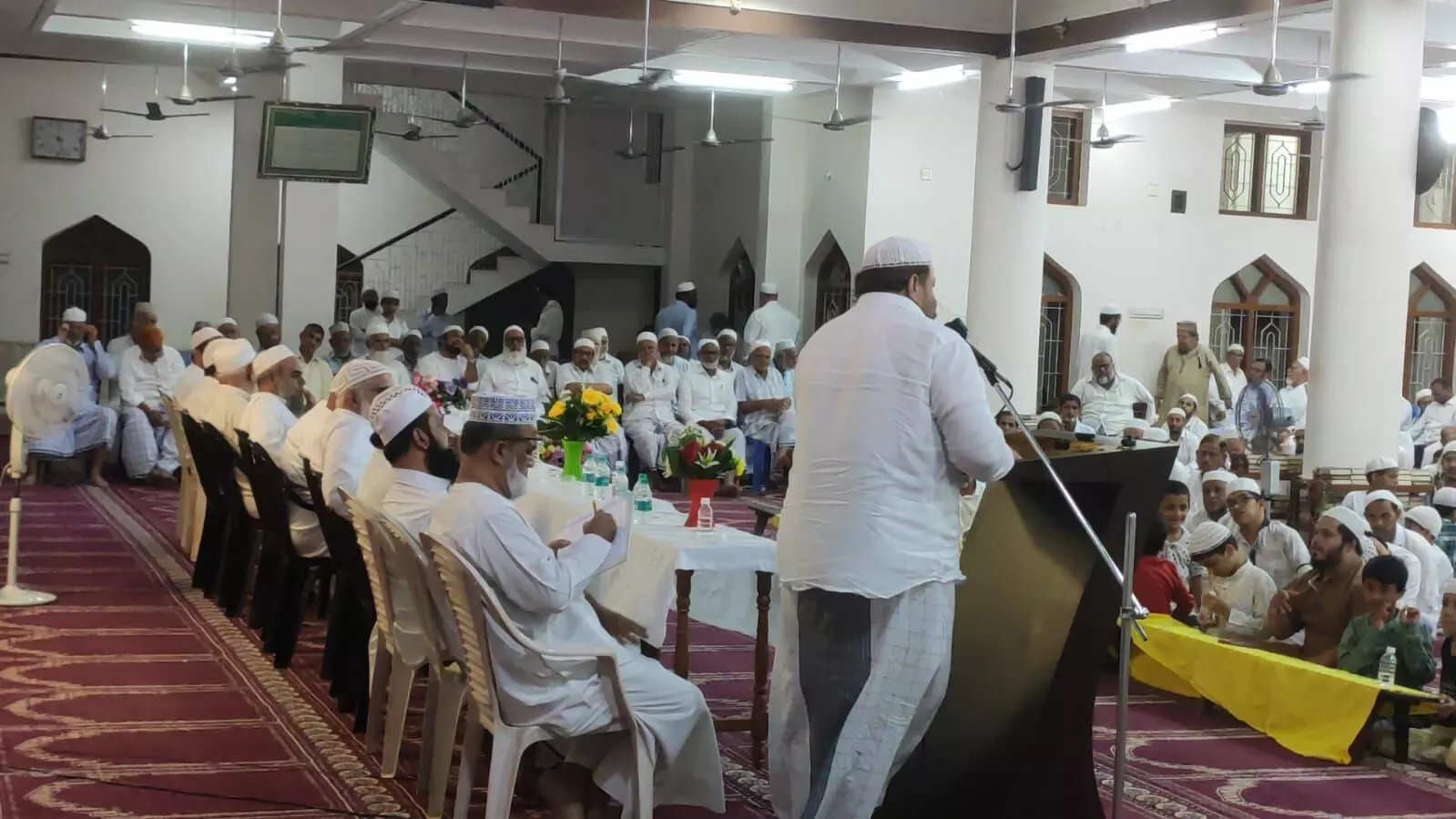
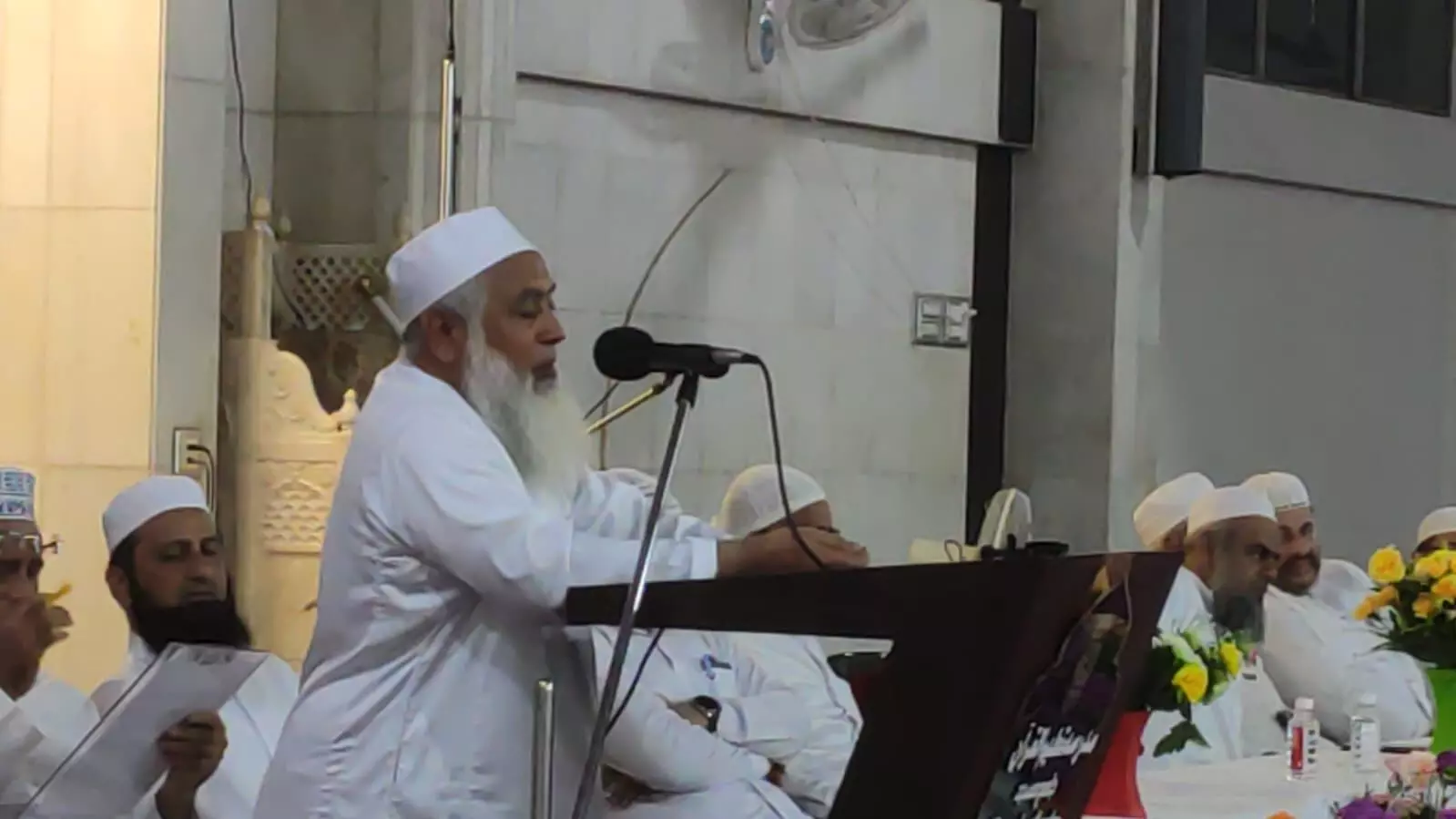
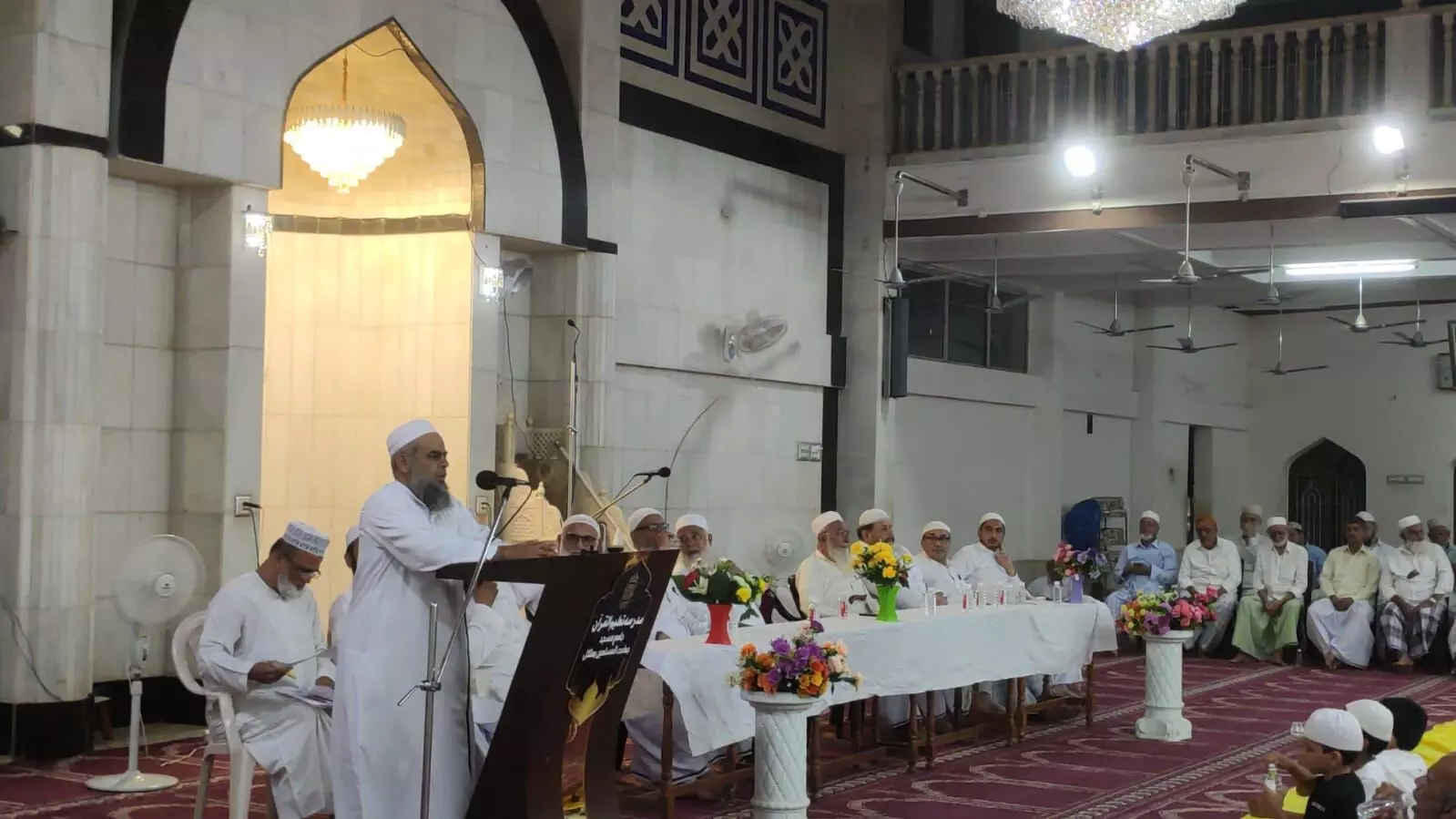
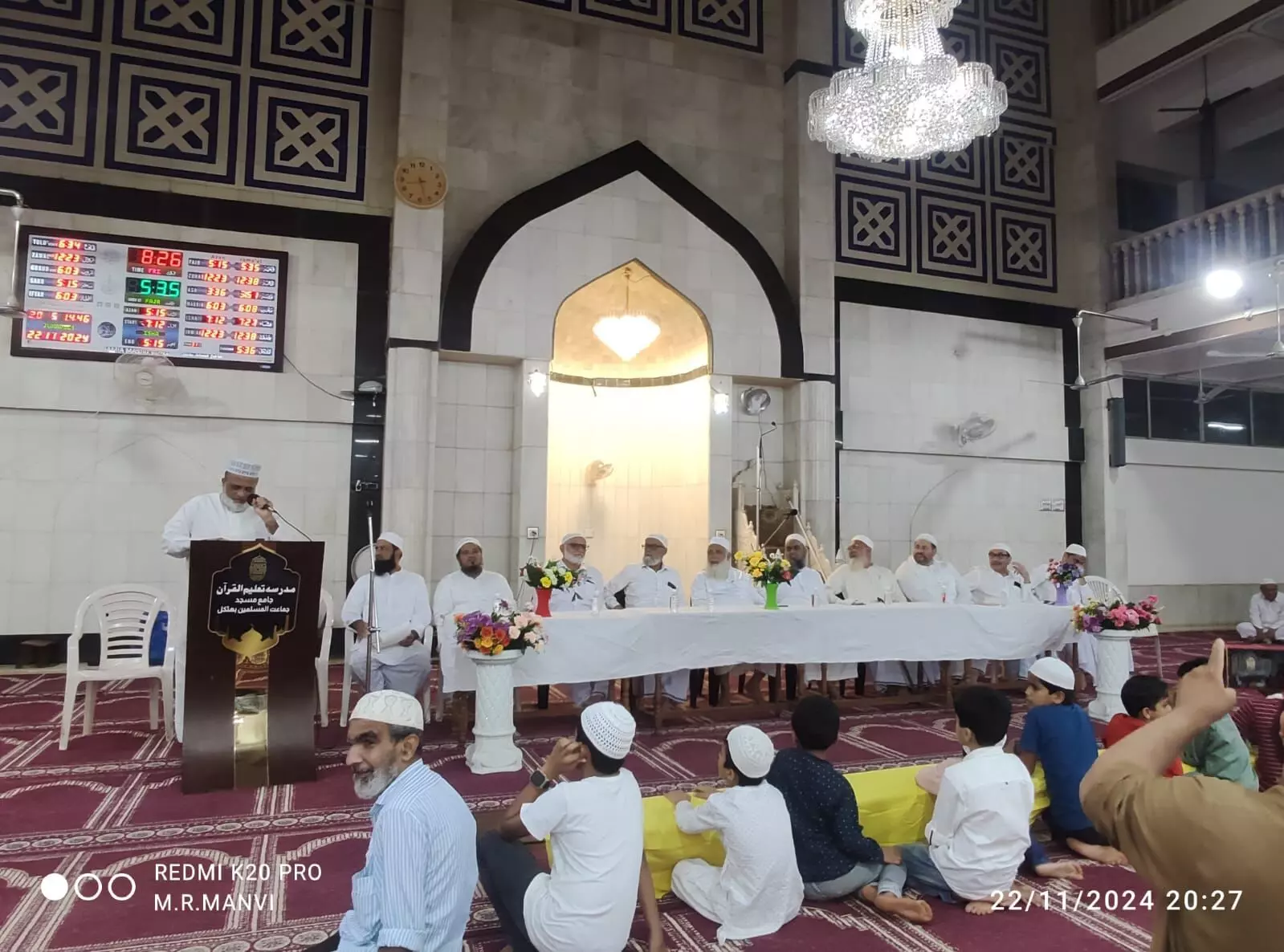
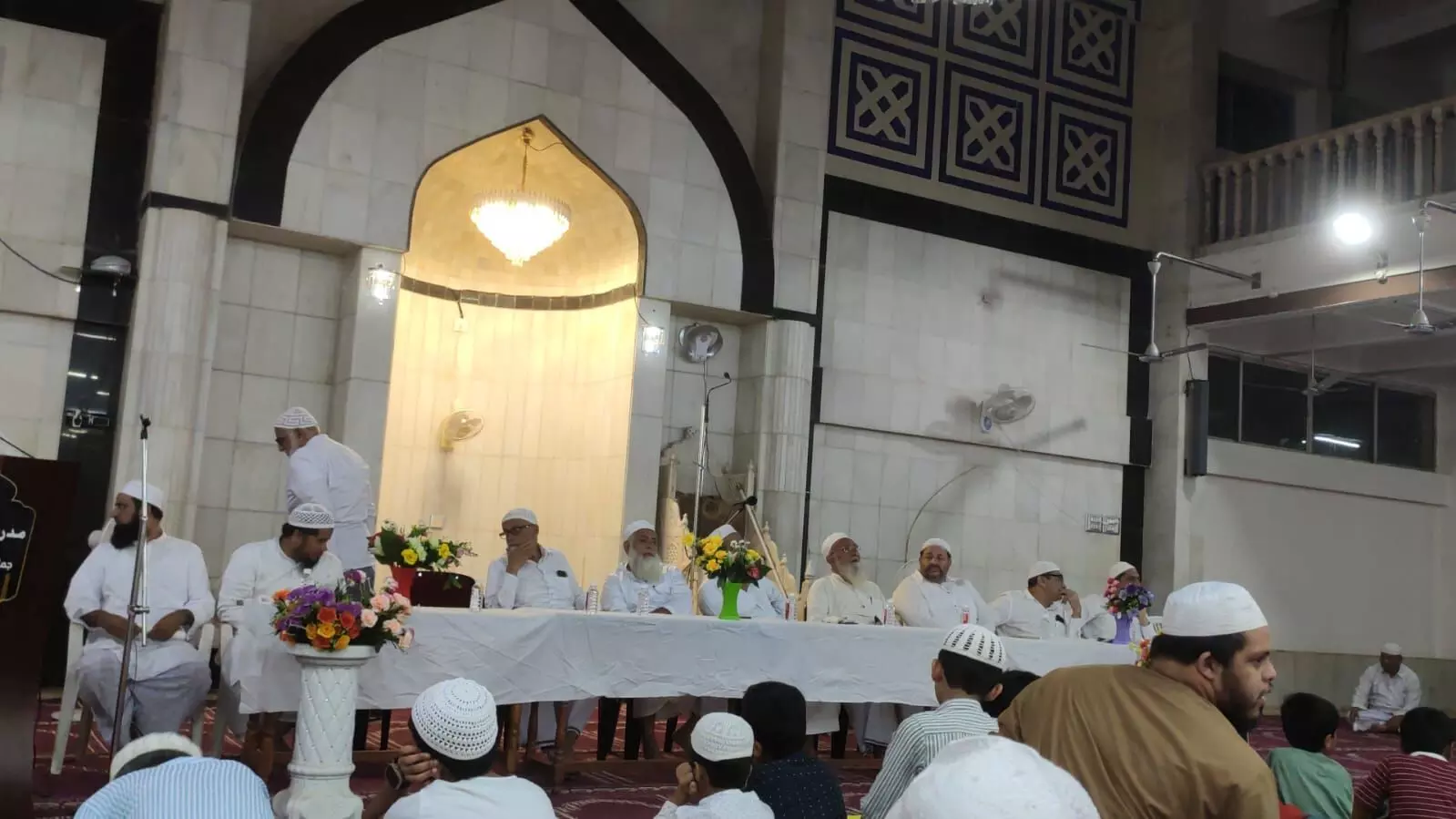
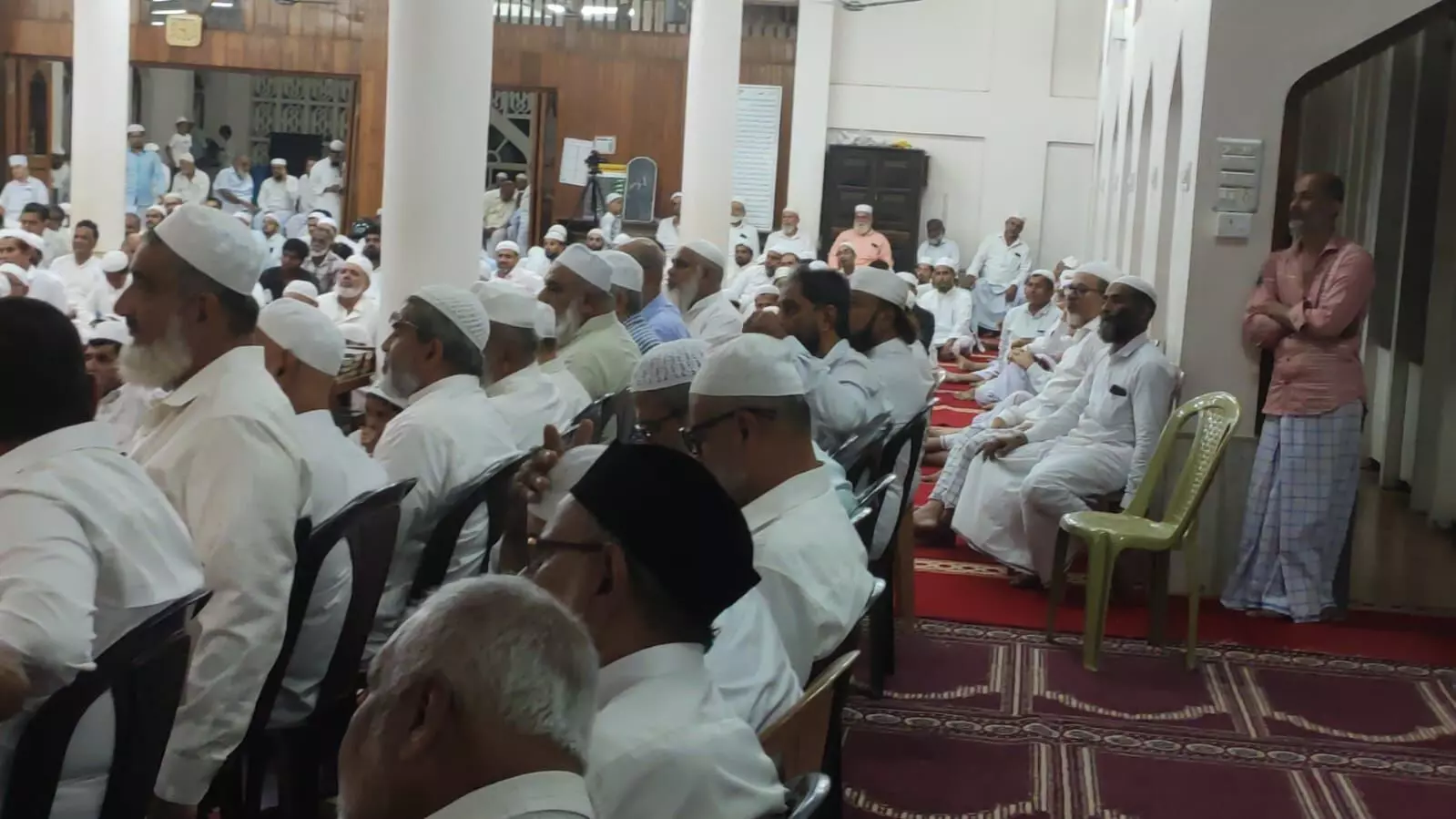
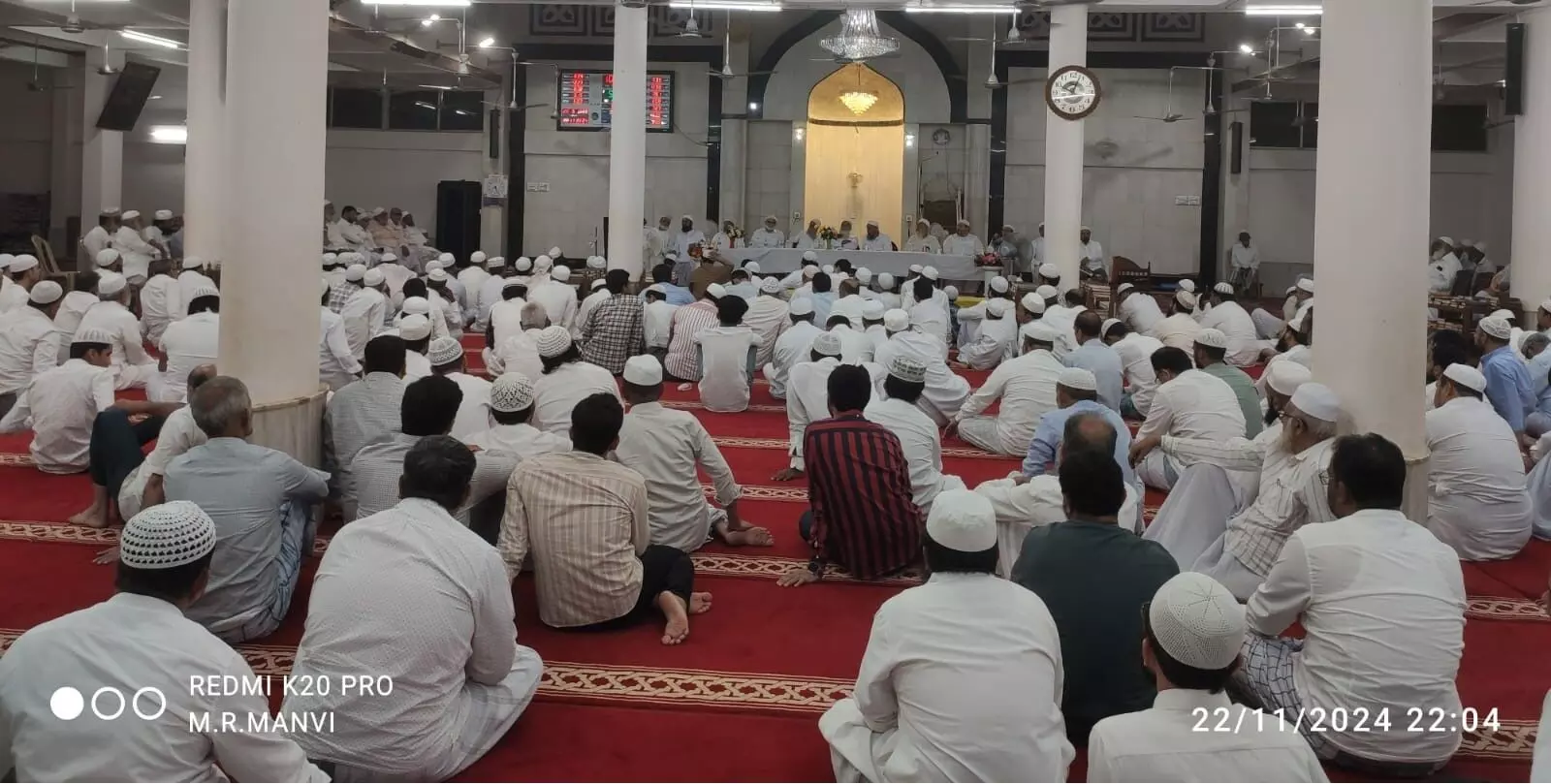
Bhatkal: In a heartfelt tribute to SM Syed Khalil, popularly known as C.A. Khalil, five prominent organizations of Bhatkal came together for a joint condolence meeting at Jamia Masjid on Friday night. Khalil, a renowned NRI businessman and respected social and religious leader, passed away recently, leaving behind a legacy of dedicated service to the community.
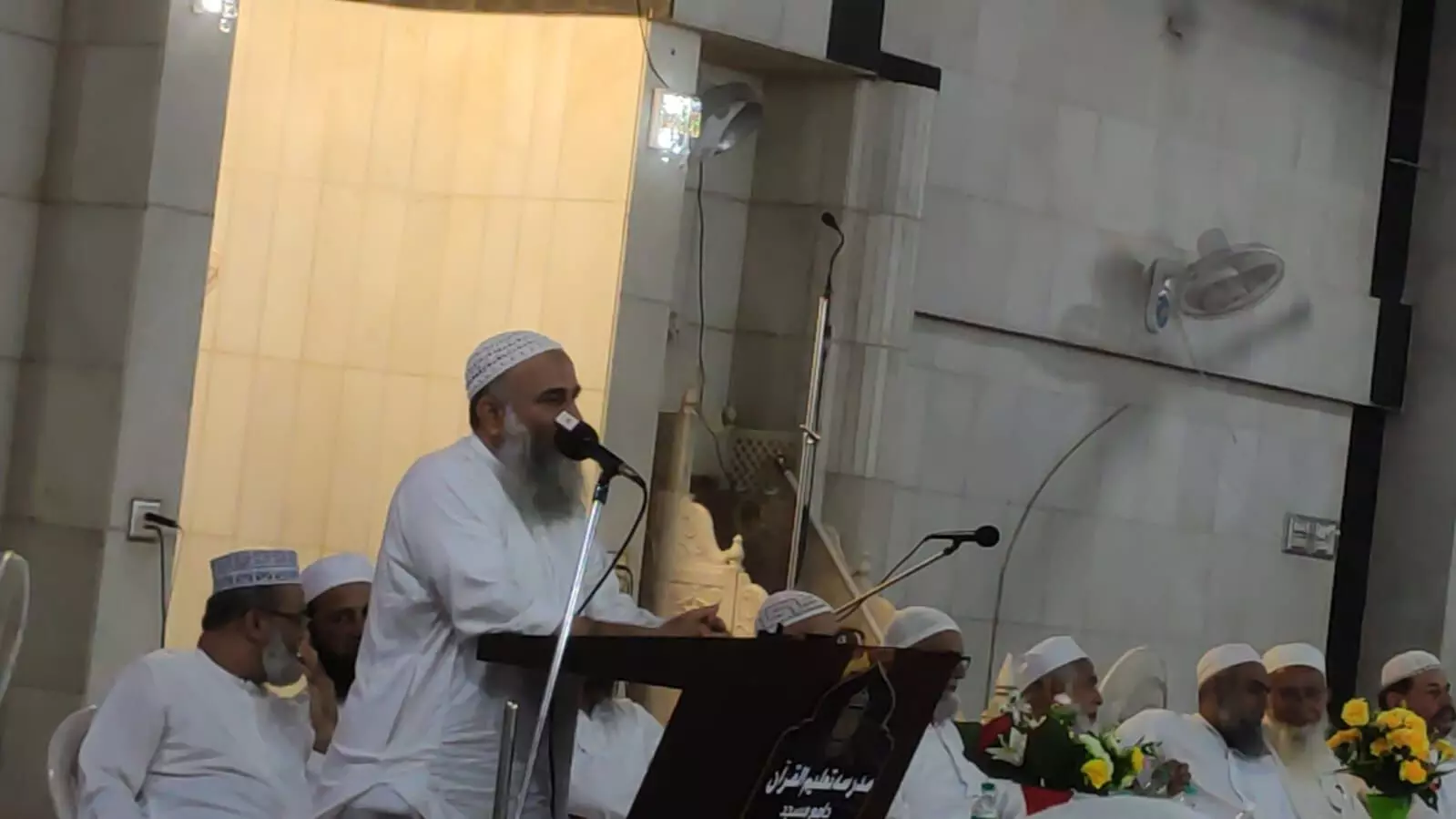
The event was organized under the joint auspices of Markazi Khalifa Jamaat-ul-Muslimeen, Jamaat-ul-Muslimeen Bhatkal, Jamia Islamia, Anjuman Hami-e-Muslimeen, and Majlis-e-Islah-wa-Tanzeem. Several dignitaries spoke about Khalil’s life, his contributions to society, and his immense impact on education and public service.
Maulana Khaja Mohiuddin Akrami Nadvi, Chief Qazi of Markazi Khalifa Jamaat, described Khalil as a man of deep faith and integrity. “He carried out every task in his life with religious consciousness and immense belief in God,” he said.
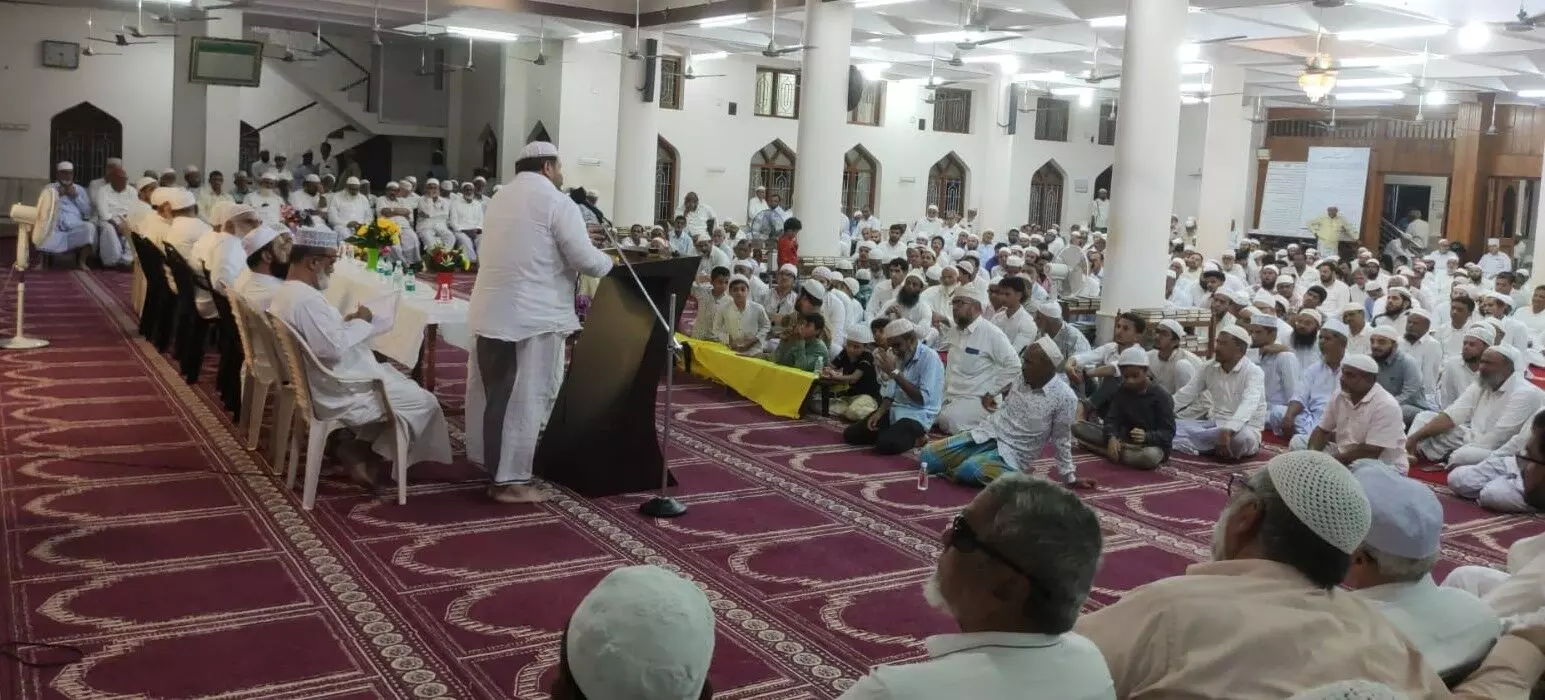
Maulana Abdul Rab Khateeb Nadvi, Chief Qazi of Jamaat-ul-Muslimeen, highlighted Khalil’s selflessness, saying, “His simplicity and the great services he rendered without any expectation of reward are an example for all of us.”
Maulana Abdul Aleem Khateeb Nadvi, Khateeb and Imam of Jamia Masjid, emphasized Khalil’s dedication to public service. “He devoted his property, wealth, and personality entirely for the welfare of society. His life was a shining example of commitment to community service,” he remarked.
Speaking on behalf of Anjuman Hami-e-Muslimeen Education Society, Vice President Muhammad Sadiq Pillor lauded Khalil’s contributions to education. “His efforts, especially in promoting girls’ education, are invaluable. He extended his services beyond Uttara Kannada to various parts of the country,” he said.
Inayatullah Shabandri, President of Majlis-e-Islah-wa-Tanzeem, reflected on Khalil’s efforts to secure political representation for the Muslim community. “He worked tirelessly to build strong relationships with national and state leaders, paving the way for the progress of Bhatkal,” he said.
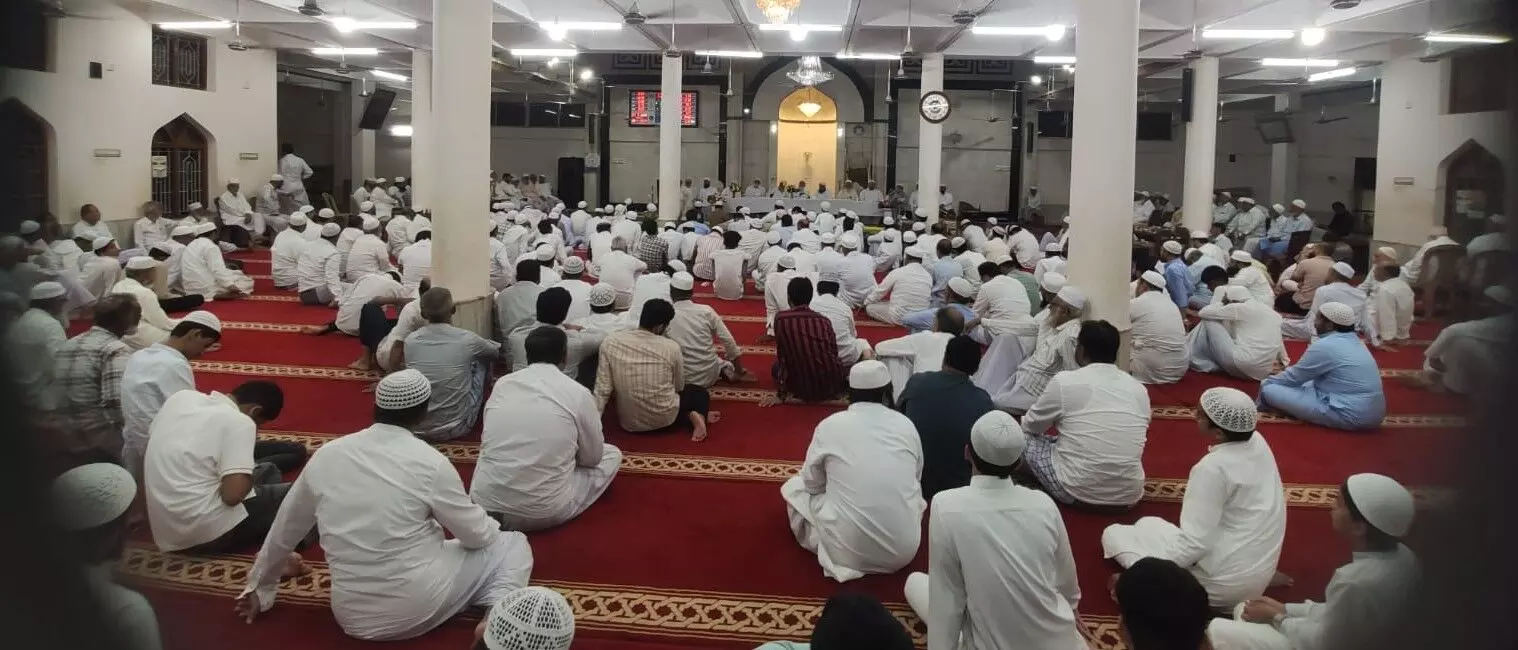
The meeting also saw participation from Khalifa Jamaat Deputy Qazi Maulana Aiman Nadvi, Jamaat-ul-Muslimeen Deputy Qazi Abdul Ahad Farkade Nadvi, Zubair Kola, and SM Arshad of Mohtisham Complexes Pvt. Ltd., among others. Each expressed their grief and admiration for Khalil’s contributions.
At the conclusion of the event, the five central organizations jointly passed a condolence resolution, emphasizing that Khalil’s passing was an irreparable loss not only to Bhatkal but also to the Muslim community across India.
“The void left by CA Khalil, who dedicated his entire life to the welfare of society and the nation, will be hard to fill,” the resolution noted.
The program was conducted by Abdul Raqeeb M.J., General Secretary of Majlis-e-Islah-wa-Tanzeem.
Let the Truth be known. If you read VB and like VB, please be a VB Supporter and Help us deliver the Truth to one and all.
VP Radhakrishnan discusses further deepening of bilateral ties with Sri Lankan President Dissanayake
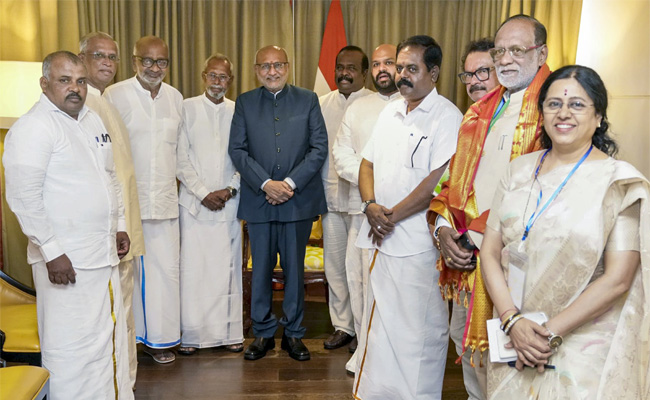
Colombo (PTI): Vice President C P Radhakrishnan met Sri Lankan President Anura Kumara Dissanayake here on Sunday and held productive discussions on further deepening the multifaceted bilateral ties, housing projects and fishermen issues between the two South Asian neighbours.
Radhakrishnan, who arrived here earlier in the day on a two-day visit, also discussed with Dissanayake the ongoing Indian project implementation in Sri Lanka with emphasis on the USD 450 million Cyclone Ditwah aid offered by India.
Accompanied by a 49-member delegation, the vice president was received at the Bandaranaike International Airport in Colombo by Sports Minister Sunil Kumara Gamage and several other dignitaries.
Radhakrishnan’s visit is the first ever by an Indian vice president to Sri Lanka, officials said.
Radhakrishnan laid emphasis on India’s 'Neighbourhood First' policy and developmental bilateral cooperation, officials said.
“Both leaders held productive discussions on further deepening the multifaceted India–Sri Lanka ties, rooted in shared history, strong civilizational and people-to-people linkages,” according to a social media post by Radhakrishnan.
They held wide-ranging discussions on various initiatives, including the Indian housing project and projects being implemented under the USD 450 million package for areas affected by Cyclone Ditwah in Sri Lanka, including reconstruction and rehabilitation efforts in the most affected regions of the Indian-origin Tamil community, it added.
The two sides also discussed addressing fishermen issues in a humanitarian manner, considering the livelihoods of fishing communities on both sides.
The fishermen issue is a contentious one in the ties between India and Sri Lanka.
The Palk Strait, a narrow strip of water separating Tamil Nadu from Sri Lanka, is a rich fishing ground for fishermen from both countries.
Fishermen from both countries are arrested frequently for inadvertently trespassing into each other's waters.
Sri Lankan Prime Minister Harini Amarasuriya hosted a luncheon meeting for the vice president at her official residence, Temple Trees, in Colombo.
“Both leaders shared the civilizational heritage of the two countries and discussed the importance of further strengthening bilateral ties, including people-to-people bonds,” Radhakrishnan said in a post on X.
Sri Lanka’s Leader of Opposition Sajith Premadasa also called on Radhakrishnan in Colombo and both leaders discussed further strengthening India-Sri Lanka bilateral ties.
“Sri Lanka and India are not just neighbours, we are true partners with shared history, shared challenges, and a shared future. It is time we move with greater ambition, intent and trust, to reap the benefits of this partnership for all citizens,” Premadasa said in a social media post.
He also met leaders of Sri Lankan Tamil parties and Indian Origin Tamil parties.
The Tamil parties thanked the Government of India for its efforts for the USD 450 million rehabilitation and relief package post Cyclone Ditwah, as well as other relief measures taken.
A number of memoranda of understanding between the two countries are also scheduled to be exchanged during the visit, a Sri Lankan Foreign Ministry release said.
Later in the day, the vice president also participated in a community reception organised by the Indian diaspora here during which he virtually handed over houses to beneficiaries from Tamil communities, built with assistance from the Indian government as part of the third phase of the Indian Housing Project.
With this, the total number of houses for Tamil communities will reach 50,000, and 10,000 more houses are being built in the fourth phase of the project, an official statement said.
On Monday, the vice president will travel to Nuwara Eliya, visit the Indian Housing Projects, and interact with the local Tamil community.
This visit, which follows recent high-level engagements between the two countries, is expected to further strengthen the millennia-old civilisational and people-to-people ties between India and Sri Lanka, an official statement said.