Indian Naval Ships Kochi and Tabar reach New Mangalore Port with oxygen & critical medical supplies
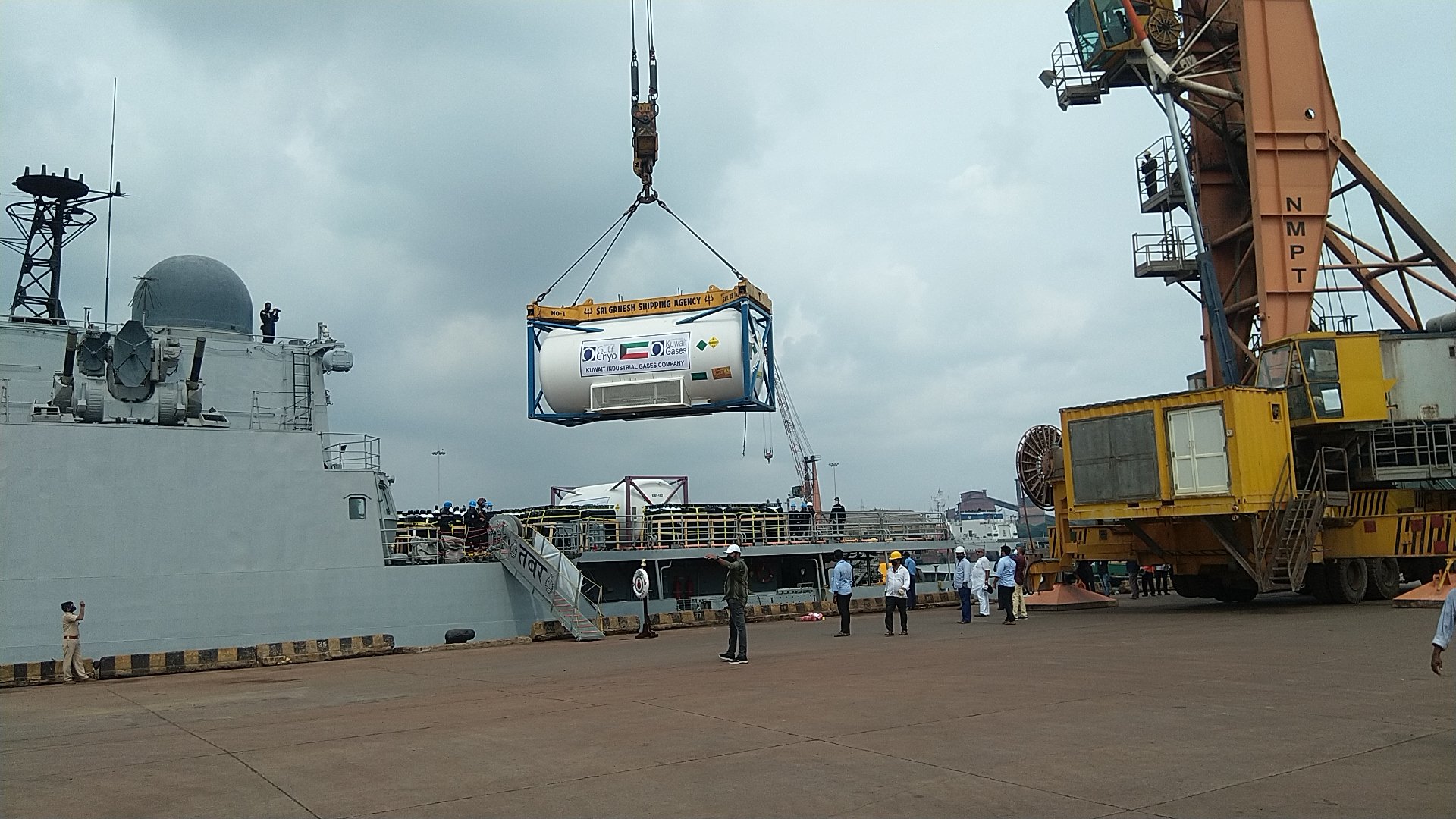
Mangaluru, May 11: A day after INS Kolkata brought 27 tonnes of oxygen and other essential material for COVID-19 treatment from Qatar and Kuwait, two more Indian Naval ships, Kochi and Tabar, reached New Mangalore Port on Tuesday with critical supplies including 100 tonnes of oxygen, a defence official said.
"Stepping up the Covid operation 'Samudra Setu II, two more Indian Naval Ships Kochi and Tabar reached New Mangalore Port on May 11 with critical medical stores."
"Both the ships, with cumulative consignment of 100 MT of Liquid Medical Oxygen (LMO) in five containers and 1,200 Oxygen cylinders, have departed Kuwait for India on May 6," a defence spokesperson said.
The shipment was handed over to Indian Oil Corporation Ltd authorities for further necessary action, he added.
The Navy has also chipped in the COVID battle in a big way and bringing necessary medical materials from the neighbouring countries as well.
Karnataka has put forth a demand of about 1,200 tonnes of oxygen in the wake of surging COVID cases.
There are close to six lakh active cases in the state.
NMPT today handles two naval ships INS Tarab & INS Kochi respectively which carried Liquid Medical Oxygen Containers, oxygen cylinders and concentrators donated by Govt of Kuwait. @shipmin_india @Indportsassn @portwingsnews pic.twitter.com/2gPsoUgF9c
— New Mangalore Port Trust (@NewMngPort) May 11, 2021
Indian #Naval #Ships #Kochi and #Tabar Arrive at New #Mangalore Port with cumulative consignment of 100MT Liquid Medical #Oxygen in five containers and 1200 Oxygen cylinders, have departed #kuwait for #India on 06 May 21.@Prodef_blr @indiannavy pic.twitter.com/kSdyFsihLe
— yasir mushtaq (@path2shah) May 11, 2021
Let the Truth be known. If you read VB and like VB, please be a VB Supporter and Help us deliver the Truth to one and all.
Lebanon appoints new representative for talks with Israel, rejects linkage to Iran
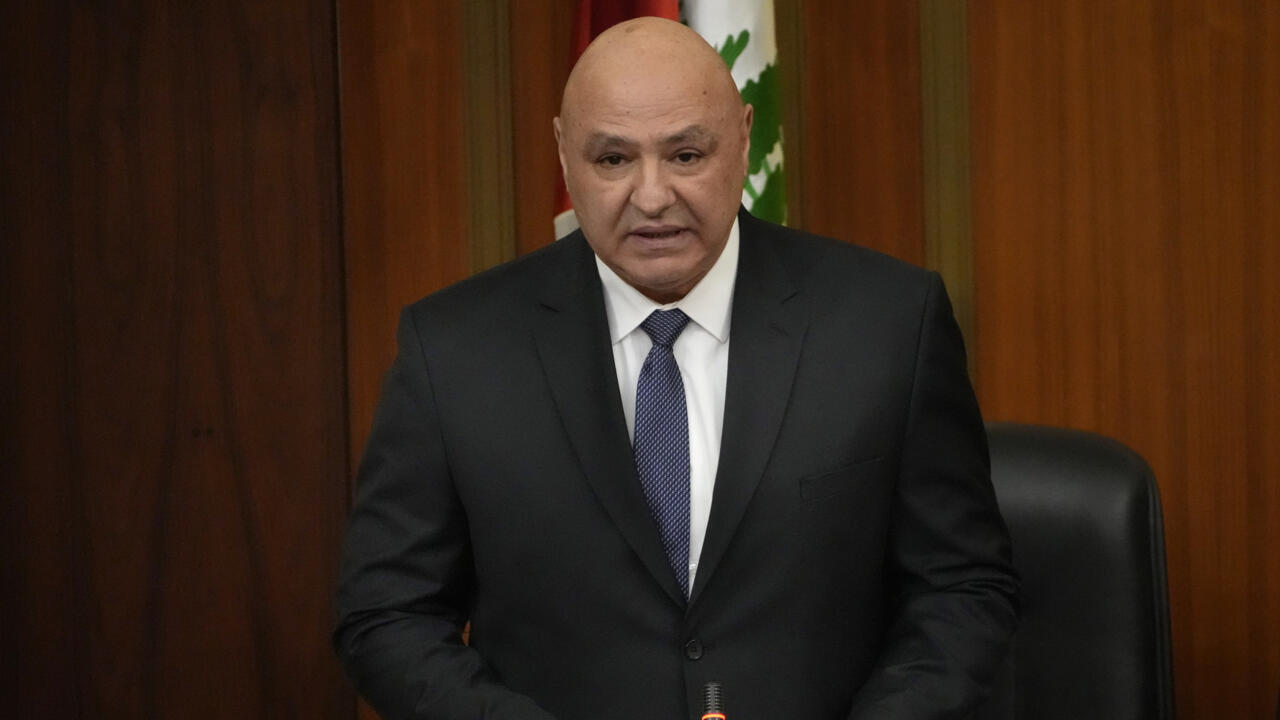
Beirut: Lebanon’s has moved to underline its independent position in ongoing regional developments, amid attempts to link the country to the broader conflict involving Iran, the United States and Israel.
President Joseph Aoun, while announcing the appointment of former US ambassador Simon Karam as Lebanon’s representative in talks with Israel, made it clear that Karam would be the sole representative for Lebanon and that there would be no substitute.
The move comes in response to what the Lebanese officials see as efforts by Iran to tie Lebanon’s situation to the wider regional conflict. Iran had indicated that there would be no ceasefire involving the US, Israel and Iran unless it also included a ceasefire in Lebanon.
Some groups, including Hezbollah and its supporters, had expressed support for linking the situations, citing concerns that the Lebanese government has limited leverage in negotiations with Israel. Lebanon is not formally a party to the conflict, and its army is considered weak.
However, others, including Prime Minister Nawaf Salam, have opposed this approach. They view Iran’s stance as an attempt to influence Lebanon’s internal affairs and see it as undermining the country’s sovereignty.
Officials backing the government’s position say the move is aimed at reaffirming Lebanon’s sovereignty and ensuring that decisions about peace and ceasefire within the country are not dictated externally.
They also see it as a safeguard, so that any breakdown in talks between the US, Israel and Iran does not automatically lead to renewed conflict in Lebanon.