Karnataka reports over 10,000 new COVID-19 cases third time in a week; fatalities plummet
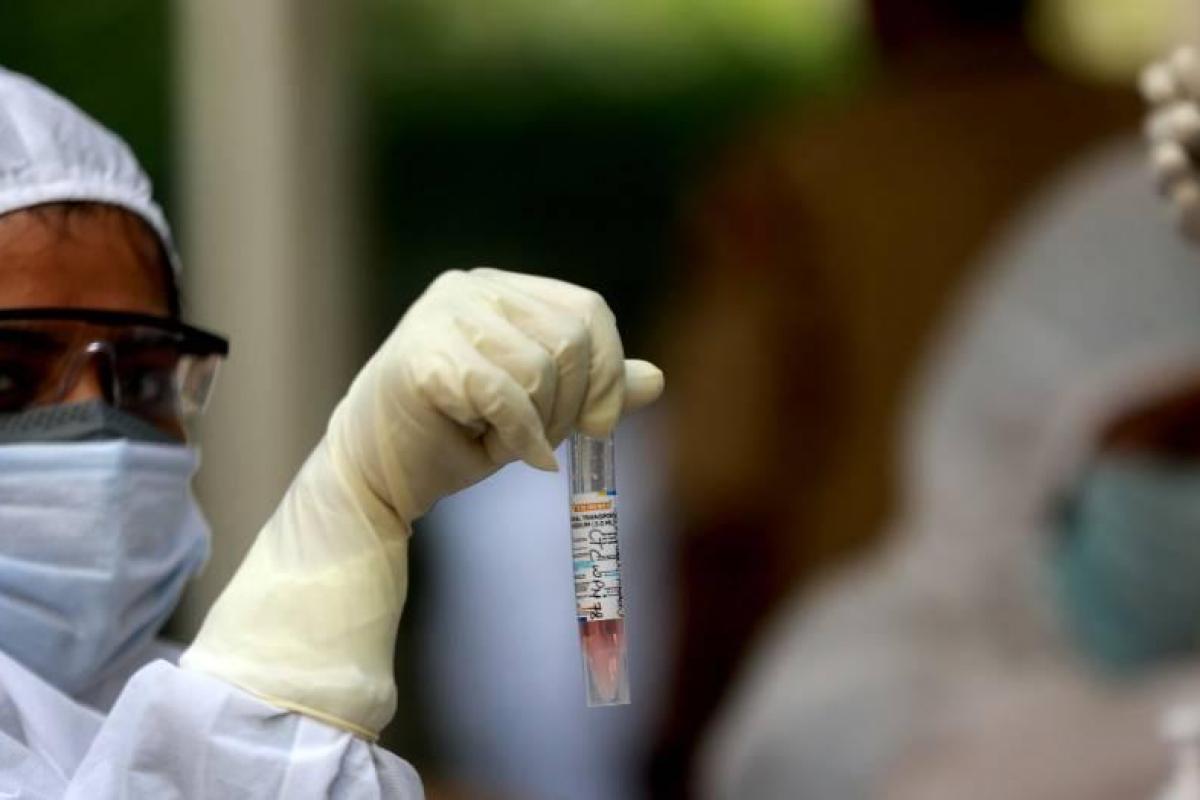
Bengaluru: Karnataka on Sunday reported 10,145 fresh coronavirus cases, the third such occurrence in a week where the single-day infections exceeded the 10,000-mark.
However, the fatalities plummeted significantly to 67 -- from three digits to two digits, the Health Department data showed.
The state had reported the single-day highest number of cases on September 29 with 10,453 cases, which also saw 136 deaths.
Two days later, on October 1, there were 10,070 infections and 130 fatalities.
According to the daily bulletin issued by the Health Department, the cumulative positive cases and fatalities due to coronavirus were 6,40,661 and 9,286 respectively as on Sunday.
The total infections comprised 5,15,782 discharges including 7,287 on Sunday whereas there were 1,15,574 active cases in the state including 847 in ICUs, the department said in the bulletin.
The spike in cases on Sunday was led by Bengaluru Urban with 4,340 fresh cases and 22 deaths.
Cumulatively, the city has reported 2,50,040 infections, 3,067 deaths, 1,92,043 discharges including 2,681 on Sunday and 54,929 active cases.
According to the health bulletin, Mysuru also saw a significant jump in COVID cases with 1,037 infections and 12 deaths.
Cumulatively, the total infections stood at 37,328 and 810 deaths.
The department said 307 cases were reported in Hassan, followed by Ballari (304), Dakshina Kannada (293), Shivamogga (279), Bengaluru Rural (274), Tumakuru (245), Mandya (233), Udupi (231), Belagavi (224) and Chikkamagaluru (227).
COVID-19 cases were reported from other districts including Bagalkote, Bidar, Chamarajanagar, Chikkaballapura, Chitradurga, Davangere, Gadag, Haveri, Kalaburagi, and Kodagu.
The bulletin showed that five deaths occurred in Koppal, followed by four each in Shivamogga and Kodagu, three each in Ballari, Hassan and Tumakuru, and two each in Mandya, Kalaburagi, and Dakshina Kannada.
One fatality each was reported in Bagalkote, Chamarajanagara, Dharwad, Haveri and Vijayapura.
While a majority of those who died were above 50 years of age, there were people in their thirties and forties too who succumbed to the infection.
According to the bulletin, a 17-year-old boy from Bengaluru Urban succumbed to COVID.
There were two people in their twenties, three in their thirties, and seven in their forties who succumbed to the coronavirus.
Most of those who died of coronavirus had Severe Acute Respiratory Illness or Influenza-Like Illness.
The department said as on Sunday that over 2.1 lakh people were home quarantined in the last one week whereas in the past 14 days, 4.89 lakh primary contacts and 4.34 lakh secondary contacts were traced.
There were as many as 85,508 tests done on Sunday including 43,313 Rapid Antigen Detection Tests taking the total tests done so far to 52.60 lakh, the Health department added.
Let the Truth be known. If you read VB and like VB, please be a VB Supporter and Help us deliver the Truth to one and all.
NEET student hangs self in Rajasthan's Sikar
Jaipur (PTI): A student preparing for the NEET examination allegedly committed suicide by hanging himself in a rented room in Rajasthan's Sikar on Friday, police said.
According to the police, the student allegedly hanged himself from a ceiling fan using his sister's scarf while one sister was attending coaching classes and the other was in the bathroom.
He had appeared in the NEET UG exam 2026, which was cancelled due to paper leak, they said.
Udyog Nagar SHO Rajesh Kumar said that the deceased, identified as Pradeep Meghwal, was a resident of Kanika ki Dhani village in Jhunjhunu's Gudha Gaudji area.
He had been living in a rented room in Sikar's Jaldhari Nagar area with his two sisters while preparing for NEET over the last three years.
His elder sister later found him hanging and informed the landlord and police after bringing him down, officials said.
The SHO said the body was kept at SK Hospital mortuary, and a postmortem had not been conducted.
The student's father, Rajesh Kumar Meghwal, told police that Pradeep's NEET examination had gone well and the family was expecting him to score around 650 marks.
Former Rajasthan deputy chief minister Sachin Pilot expressed grief over the incident and linked it to anxiety among students after reports of irregularities and paper leaks in NEET 2026.
Pilot said repeated paper leak incidents and cancellation of examinations were affecting students' mental health and demanded a time-bound investigation and strict action against those responsible.