Mangalore University Syndicate member writes to VC; demands enquiry in corruption case
University prof. had paid bribe to history sheeter who promised him VC’s job
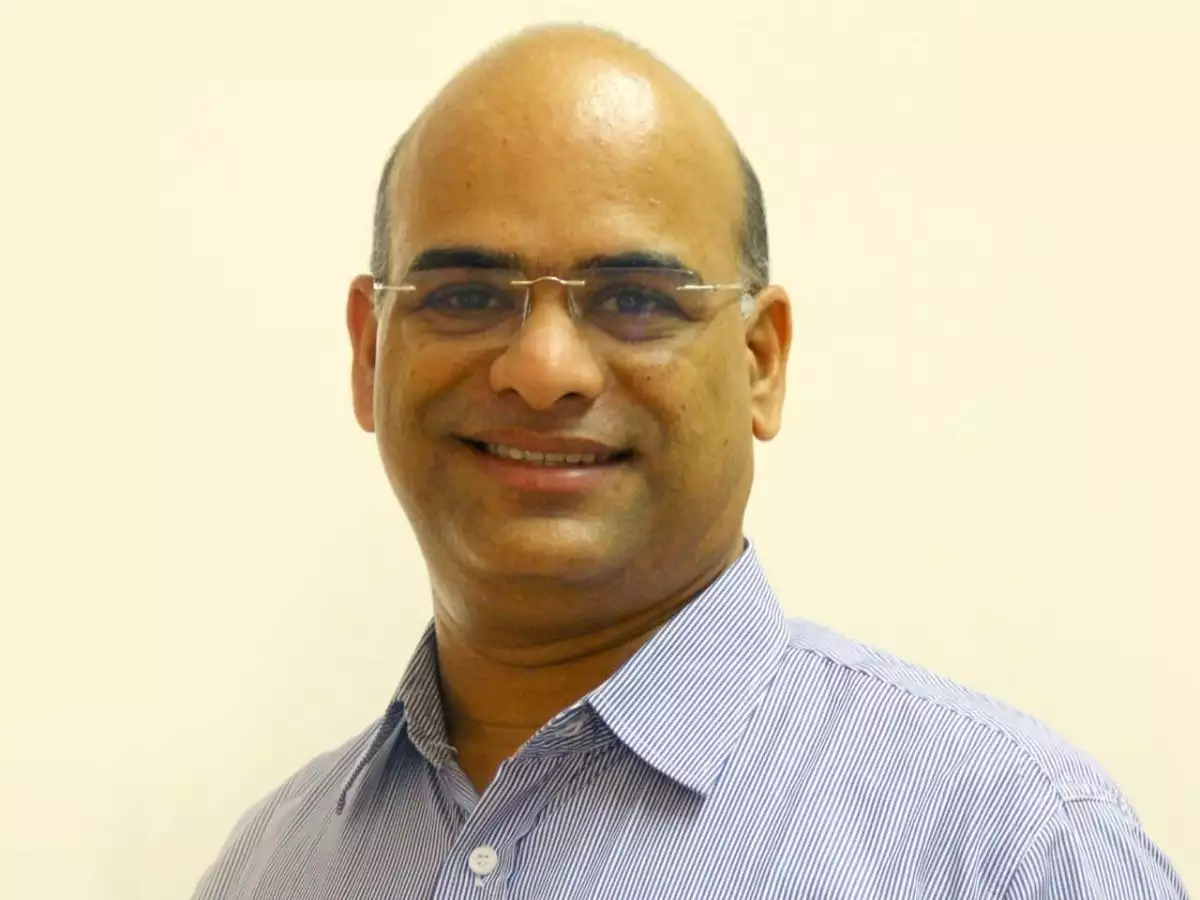
Mangaluru: Prominent advocate of Mangaluru and owner of Paniyala Associates Vivekananda Paniyala has written to Mangalore University’s Vice Chancellor requesting him to institute enquiry into the incident of one of the Professors of the University who has filed a complaint in local Police station alleging that he has Paid bribe to an accused who Promised to elevate him as the VC of Raichur University.
Professor in Microbiology at Mangalore University M. Jayashankar had earlier this week lodged complaint at kankanady Police Station against Ramsena’s state chief Prasad who allegedly Promised him to elevate as Raichur University’s VC in exchange of money.
In the letter Vivekananda has claimed that the incident prima facie appears indulging in corrupt practice of offering illegal gratification amounting to misconduct.
Professor in Microbiology Mr. M. Jayashankar, who is also the Director of College Development Council has lodged a complaint with the police alleging that the accused person namely one Prasad has cheated him by promising to get the post of VC of Raichur University and as part of the same, M. Jayashankar has paid Rs. 17 lakhs in cash and also issued 3 blank cheques in all for a sum of Rs. 30 lakhs. This is shocking to the conscience of the Syndicate members, the letter stated.
“The entire incident as narrated in the complaint and as reported in the media smacks of malafides and corrupt practice of payment of illegal gratification. This conduct is unbecoming of a professor of a university” Vivekananda wrote in the letter.
“Undoubtedly, this is an act of moral turpitude lowering the dignity and reputation of the university itself, of which I am part by being member of the Syndicate. While the police are going to investigate into the criminal aspect of the offence, the University being the employer and appointing authority constituted under the Karnataka State Universities Act, 2000, is required to take serious cognizance of this shocking incident and seek explanation from Mr. M. Jayashankar forthwith as a prelude before initiating appropriate disciplinary proceedings from the point of misconduct as the issue is much deeper and larger warranting appropriate action proactively in the larger interest of the public” it further added.
“Since the matter is of grave concern and the public at large are deeply anguished by this unethical practice of engaging touts for securing the posts of Vice Chancellor, I request you to call for an emergency special Syndicate meeting of Mangalore University. Since the Syndicate is the important authority of the University under Section 27(a) and 29 of the K.S.U. Act, 2000, it is imperative that proper queries are framed before seeking legal opinion” it urged the VC.
“In the above context, I am specifically pointing out this aspect in view of the fact that some of the “legal opinions” obtained by the University recently have failed to address the core issues due to the fact that the queries are not framed properly leading to vague and unprofessional opinions by the Advocates of Mangalore University. This has derailed many burning issues as opinions of the Advocates are mixed with their personal views rather than purely professional opinions based on facts, circumstances, materials and principles of law.
“In light of the above, I request you to first secure a copy of the complaint and FIR along with an explanation from Prof. Jayashankar and place the same before the Syndicate for appropriate decision thereon as this requires wider consultation and deliberation by taking all the Syndicate members into confidence. Let the Syndicate pass a suitable resolution covering all aspects and accordingly institute an enquiry by a Committee headed by a retired Judge of Hon'ble High Court. I hope that you will treat this request in its proper perspective and do the needful” Vivekananda wrote while concluding the letter.
Let the Truth be known. If you read VB and like VB, please be a VB Supporter and Help us deliver the Truth to one and all.
Delhi High Court advocate jumps to death from high-rise CP hotel

New Delhi (PTI): A 26-year-old Delhi High Court advocate died after allegedly jumping from the 15th floor of a hotel in New Delhi's Connaught Place area, police said on Monday.
The police said they were informed about the incident at The Royal Plaza hotel around 9.15 pm on Sunday. The deceased was identified as Rajesh Singh, a practising advocate at the Delhi High Court who had checked into the hotel the previous evening.
"A police team rushed to the hotel and found that the victim, identified as Rajesh Singh, a resident of Mahavir Enclave, had allegedly jumped from the 15th floor of the building," a police statement said.
"The family members of the deceased have been informed about the incident. As per their statement, no foul play is suspected in the matter," it said.
A police officer privy to the investigation said that a purported suicide note was also found, in which the advocate did not blame anyone. The police said he was staying alone in the room.
Teams from the crime department and the forensic science laboratory (FSL) were called to inspect the scene. Relevant exhibits were lifted and seized, and CCTV footage from the hotel premises was examined, the police said.
A police source said that it is suspected that the victim was depressed over some issues. Furthe