Mangaluru: Acclaimed writer, Beary researcher Prof. BM Ichlangodu passes away
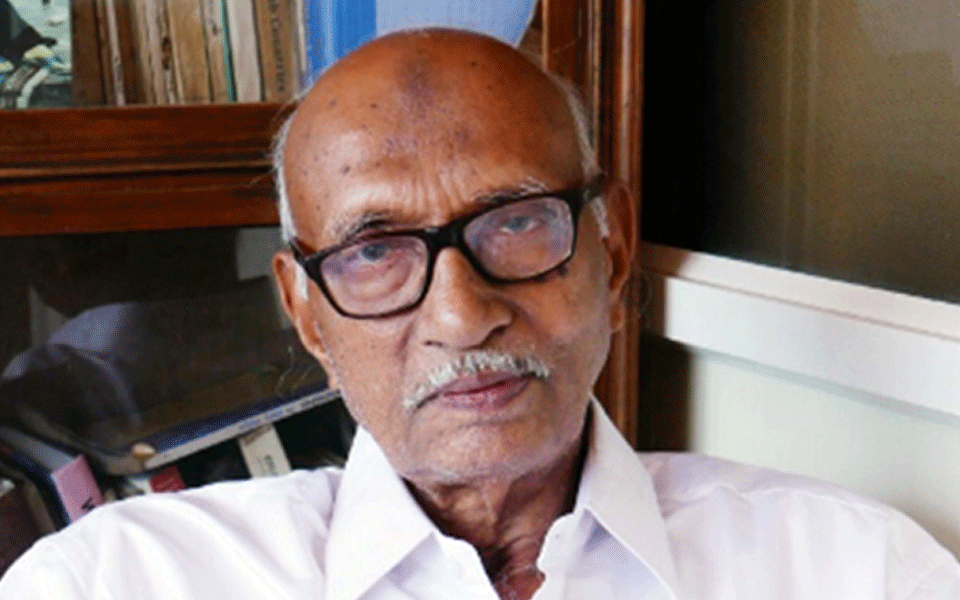
Mangaluru: Acclaimed writer, Journalist, and Beary researcher Prof. BM Ichlangodu passed away on late Sunday night at a private hospital here in Mangaluru. He was 84.
Prof. Ichlangodu is survived by his wife, four sons and a daughter.
He was known for his in-depth study and research about Beary community which he had culminated through his research from a very young age.
He has also mentored several young research scholars. He also was providing legal aid to the masses from his office near his house. He was also actively involved in literature.
An alumnus of St Aloysius College and MGM college, he did his MA at Mysuru University and pursued law education at Sharada Vilasalaw college of Udupi.
In recognition of his study in the field of Beary language, literature, and culture, he was made the honorary president of the third Beary Literary Conference that occurred in 2001 at Udupi. He served as a member of the Karnataka Beary Sahitya Academy during its first term. He served as the editor-in-chief of the Beary, Kannada, English dictionary, which was released by the Karnataka Beary Sahitya Academy.
Born on March 2nd of 1937 at Ichlangodu in Kasaragod to the couple Haji and Kunjalima, B. Muhammed (BM Ichalngodu) served as a History Professor for a long period in Moodabidri of D.K. District. After his retirement, he moved to reside in Nandigudde at Mangaluru.
After completing his 10th grade at Ichlangodu, he finished his 2nd PUC at St. Aloysius College, Mangaluru, BA from Udupi’s Mahatma Gandhi Memorial College, MA from Manasa Gangotri in Mysore, BL from Udupi's Sharada Vilas Law College, Fellow of General Education (FAGE) from Manipal, Horticulture training from Mangaluru University and also obtained a degree in Reiki healing from Shimoga. Thus, he secured degree after degree and became known as a genius in his town.
Despite being a professor, he researched and studied Tulunadu’s Beary culture, language and wrote many works. After conducting in-depth research on the Beary language, he later came to be known as a researcher. He had garnered attention for various cultural studies, primarily for researching the cultures of Moodabidri, Karkala, and Bantwal and also conducting a special study, which he undertook researching the Muslims of Mangaluru.
From among his work, around 150 stories, more than 200 poems, 25 Comedy literature, 800 intellectually charged literature were published in various newspapers and publications. He had written the introduction to Beary and Tulu languages for the National Language Survey. Many of his thought-provoking speeches were broadcasted on the Mangaluru Radio Network. He also gave a speech on Religious Coordination at Dharmasthala’s Pan-Religion Conference. He has been conferred with more than 200 awards, titles and honours, and recognitions all around the country.
Awards-Recognitions-Honour
The National Prize for translation of Divine Revelation (Holy Qur'an) in 1975, Literary Service felicitation conferred by the Rotary Club of Moodabidri, Recognition from Bearys Welfare Forum for his Research into Beary Culture, Won Beary Literary Awards at the first Beary Literary Conference, Chaired the 3rd Beary Literary Conference in Udupi, Beary Honorary Award from Central Beary Parishad, made member of Karnataka Beary Sahitya Academy, Honorary Award from Karnataka Beary Sahitya Academy, Senior Literary Award of the Year by the Muslim Authors Association, Sahitya Saurabh awarded by DK District Writers Association, Media felicitation from the Federation of Indian Small and Medium Newspapers, Felicitation for Customer Service from DK District Customer Service Consortium, Felicitation for Customer service by Moodabidri Journalists Association, DK District Kannada Rajyotsava Award, Beary Literary Awards from the All India Beary Council, Alvas Education Researcher, Literary Social Worker, Frontier Voice State Award for Karnataka Frontier Kannada Conference, Short Stories Literary Prize by DK District’s 6th Short Story’s Literary Conference, Talent Milad Award from Talent Research Foundation, Bisu Tulunaduda Porlu Prize from Karnataka Tulu Sahitya Academy and Nammuru Nammavara Nelyadi, Poetry and Media Award from the Coastal Cultural Academy of Kasaragod, Karnataka Utsav felicitated at Kerala State’s 5th Kannada Conference, Literary felicitation at the Coastal Karnataka Cultural Conference in Derlakatte, Kuvempu State Award from Survey Cultural Academy, DK District Senior Civil Service Award from the Department of Senior Citizens Empowerment, Beary Literary Award at Alvas Nudisari, Certificate of Excellence in 2015 from Ramlan Trust in Mangaluru, Sheikh Ahmed Sir Hindi Award by UNIVEF Karnataka, Literary-Poet-Organizer-Researcher-Social Worker Honarary Award by DK District’s Kasapa, Karnataka Folklore Academy Award, Sir M. Visvesvaraya National Award, Samajaratna Award from Jnan Mandara Academy in Bengaluru, and several other awards, prizes and honours were conferred upon him.
Let the Truth be known. If you read VB and like VB, please be a VB Supporter and Help us deliver the Truth to one and all.
Lebanon appoints new representative for talks with Israel, rejects linkage to Iran
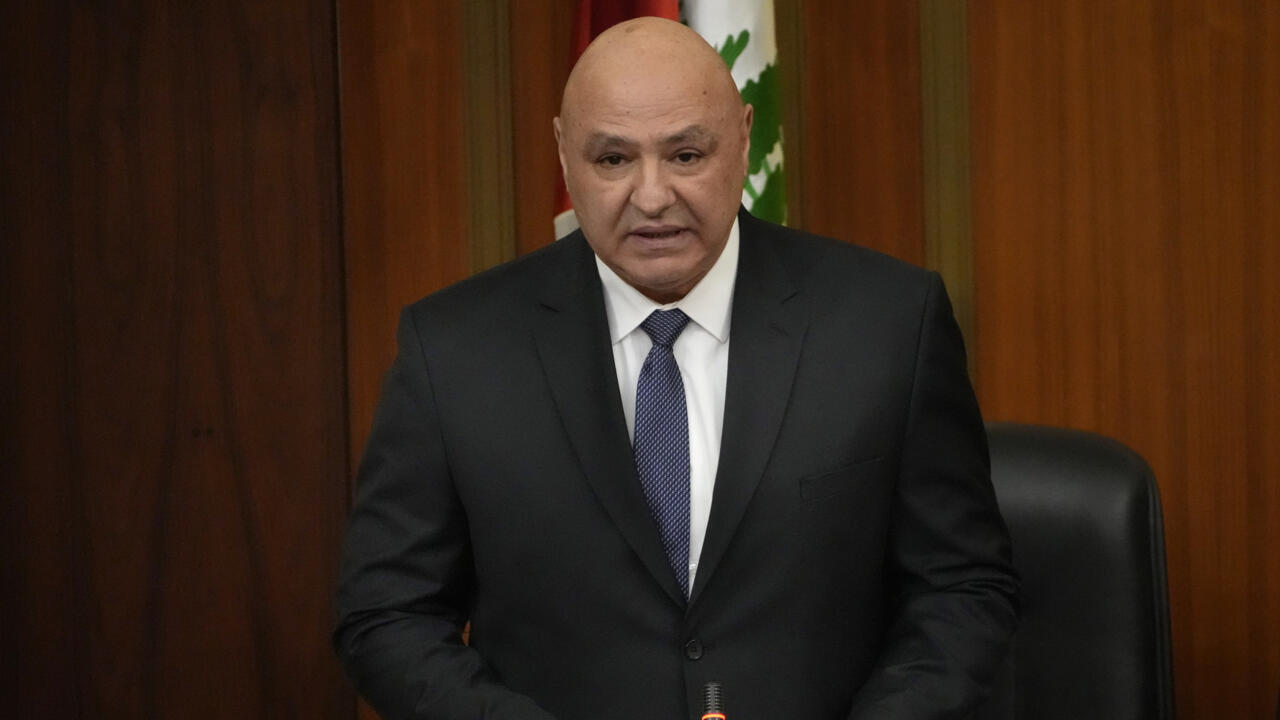
Beirut: Lebanon’s has moved to underline its independent position in ongoing regional developments, amid attempts to link the country to the broader conflict involving Iran, the United States and Israel.
President Joseph Aoun, while announcing the appointment of former US ambassador Simon Karam as Lebanon’s representative in talks with Israel, made it clear that Karam would be the sole representative for Lebanon and that there would be no substitute.
The move comes in response to what the Lebanese officials see as efforts by Iran to tie Lebanon’s situation to the wider regional conflict. Iran had indicated that there would be no ceasefire involving the US, Israel and Iran unless it also included a ceasefire in Lebanon.
Some groups, including Hezbollah and its supporters, had expressed support for linking the situations, citing concerns that the Lebanese government has limited leverage in negotiations with Israel. Lebanon is not formally a party to the conflict, and its army is considered weak.
However, others, including Prime Minister Nawaf Salam, have opposed this approach. They view Iran’s stance as an attempt to influence Lebanon’s internal affairs and see it as undermining the country’s sovereignty.
Officials backing the government’s position say the move is aimed at reaffirming Lebanon’s sovereignty and ensuring that decisions about peace and ceasefire within the country are not dictated externally.
They also see it as a safeguard, so that any breakdown in talks between the US, Israel and Iran does not automatically lead to renewed conflict in Lebanon.