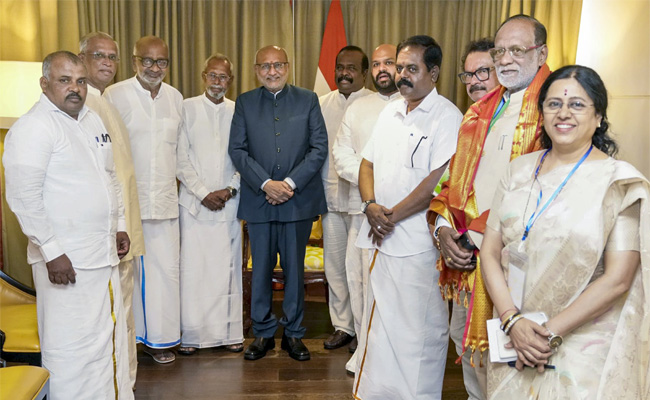
Mangaluru: BIT, BEADS inaugurate six-day second online International Carbon Neutral conference
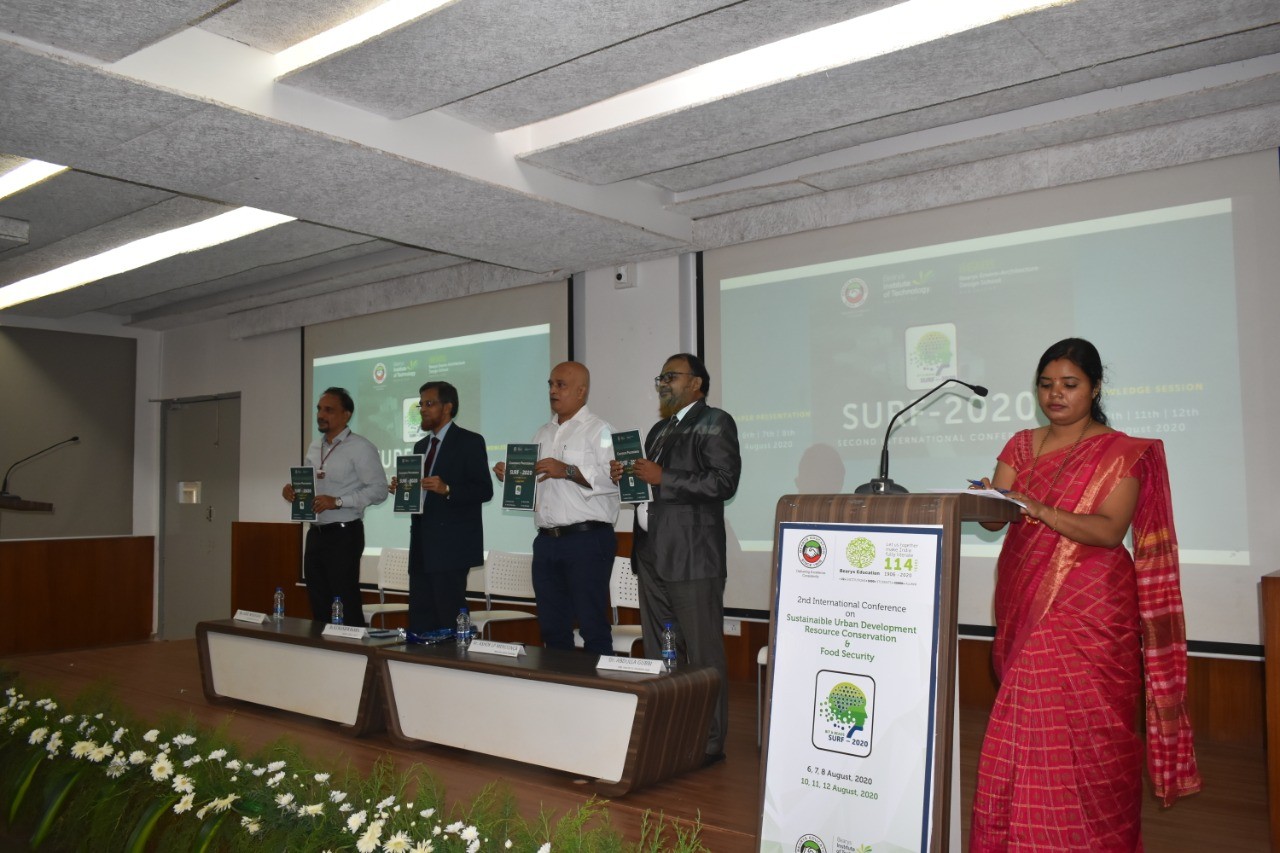
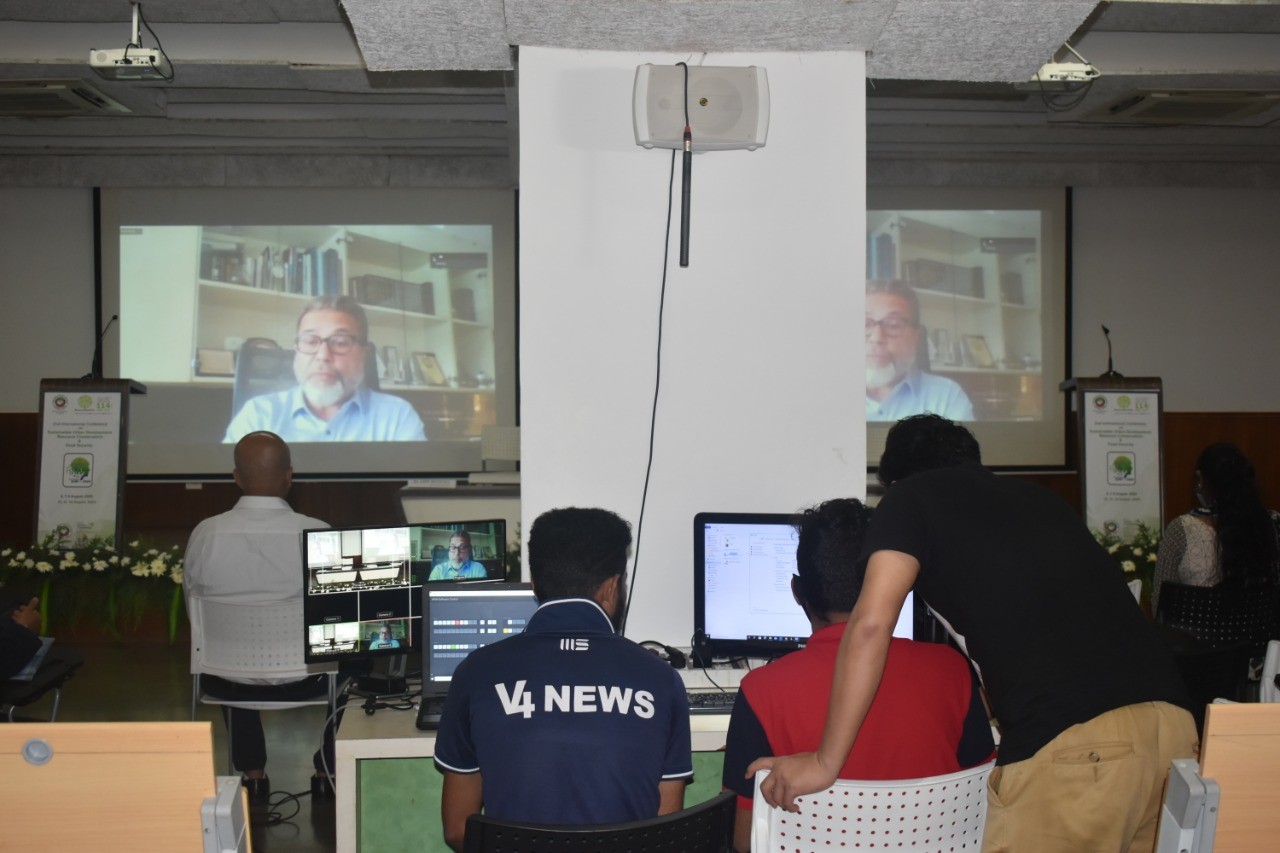
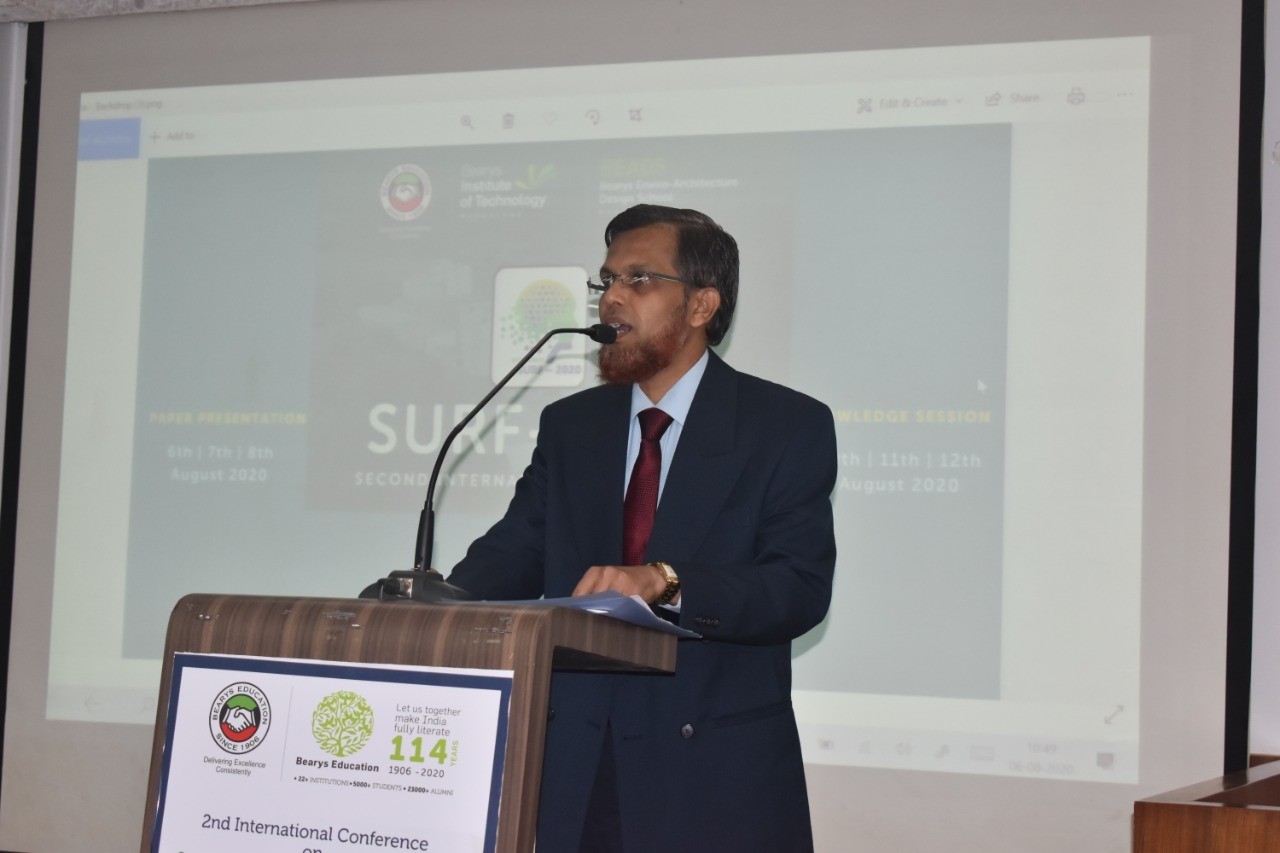
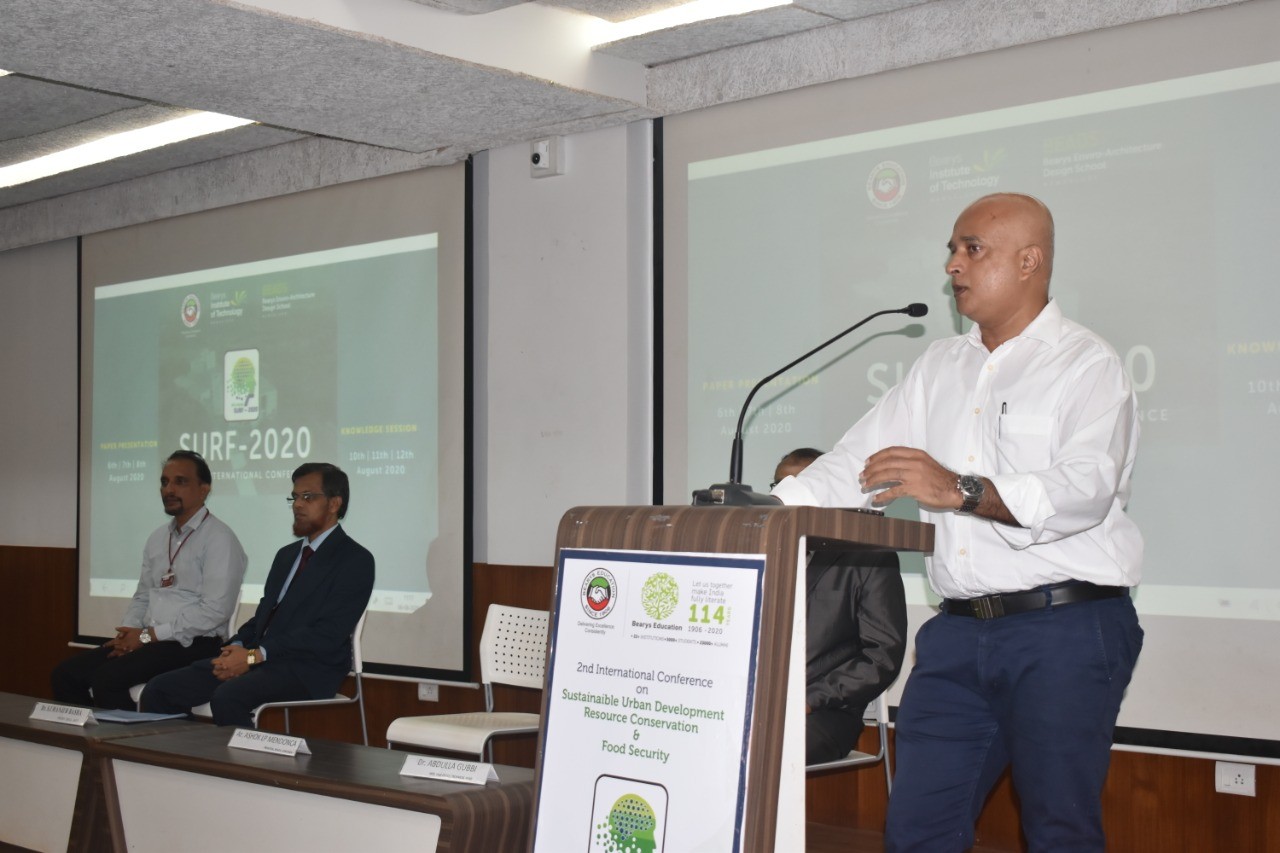
Bearys Institute of Technology, Mangalore, and Bearys Enviro-Architecture Design School has inaugurated the second online International Carbon Neutral Conference on 6th August 2020. The six days mega event Titled “Sustainable Urban Development, Resource conservation & Food Security” (SURF-2020). The event began with the invocation of Almighty.
The BIT Principal, Dr. S.I Manjur Basha welcomed the gathering from International Conference Hall at 10:30 AM. In his speech, he has highlighted the environmental changes and their challenges. Followed by the presidential address by Chairman, Bearys Group, Mr. Syed Mohamed Beary, quoted “Every human activity upon assessment points towards the damage done to nature”. Hence, he stressed on the journal papers should contain the practical solution to the problem faced by society and industry.
He also wished great success for the conference and requested for active participation and feedback to make the next episode even better. He urged the people to extend helping hand to deserving people during this pandemic.
Ar. Ashok LP Mendonca, convener SURF-2020 gave the overall program flow for all six days also spoke about the three webinars conducted. On topics of “Making Slums Livable”, “Online Education- Prospects & Challenges” and “Emergent Architecture & Technologies” conducted on 16th July, 24th July, and 30th July respectively.
Dr. Abdullah Gubbi, Publication Chair gave the statistics about the papers and posters received. He also mentioned the participation from eleven countries across the globe. Dr. Aziz Mustafa, Director BIT-Polytechnic gave the vote of thanks followed by the paper presentation.
A total of forty-nine papers were presented on day one. The ITES head Prof. Afsar Baig M was also present during the inauguration. The program was witnessed by all the Heads of various departments, all Teaching, and non-teaching staff. The master of ceremony for the inauguration was Prof. Ankita Bekal, Faculty of BIT.
Let the Truth be known. If you read VB and like VB, please be a VB Supporter and Help us deliver the Truth to one and all.
No contract was signed with Muzarabani for PSL stint, but verbal agreement was reached: PCB

Karachi (PTI): The Pakistan Cricket Board admitted that no contract was ever sent to Blessing Muzarabani to play in the PSL but insisted that a firm verbal agreement was reached with the Zimbabwe pacer and he had breached the trust while joining the Indian Premier League.
The PCB recently imposed a two-year ban on Muzarabani from playing in the PSL claiming he breached a contract with Islamabad United and joined IPL side Kolkata Knight Riders.
The fast bowler’s agent, Rob Humphries tore into the PCB on Sunday in a social media post for the ban and claimed his client neither took part in the PSL players auction nor signed any contract with Islamabad United.
Humphries said the ban was excessive and unjustified.
But sources in the PCB while conceding no contract was signed with Rabbani claimed that a clear verbal agreement between both the parties was reached.
The source said this was also clear in the PCB announcement about the ban that despite a clear offer and an unequivocal acceptance of essential terms, the player chose to disregard these obligations in favour of a conflicting arrangement.
The PCB source said once essential terms — including remuneration and structure — are agreed upon through written correspondence, a binding obligation is formed.
But Humphries said after talks began with Islamabad United they had made it clear that unless they had a contract they couldn’t apply for an NOC from the Zimbabwe Cricket.
“We've remained quiet publicly over the last six weeks because we did not wish to create or cause anymore animosity for the Pakistan Super League/Pakistan Cricket Board than they had already created for themselves,” Humphries’ statement said.
"[On] 13 February, Blessing [was] approached by Islamabad United about a playing opportunity for the 2026 PSL. The deal [was] agreed subject to obtaining a No Objection Certificate (NOC) from Zimbabwe Cricket.
“An NOC cannot be obtained without a contract from the PSL. Islamabad United/PSL announced the signing to the world via social media,” it said.
Humphries further urged the PCB to gracefully withdraw the ban and accept this situation risen out of an administrative error at their end.
Muzarabani was taken by Islamabad as a replacement for West Indian pacer Shamar Joseph for USD 40,000.