Mangaluru: Hamd foods inaugurates its third outlet in Thokkottu, launches three new products
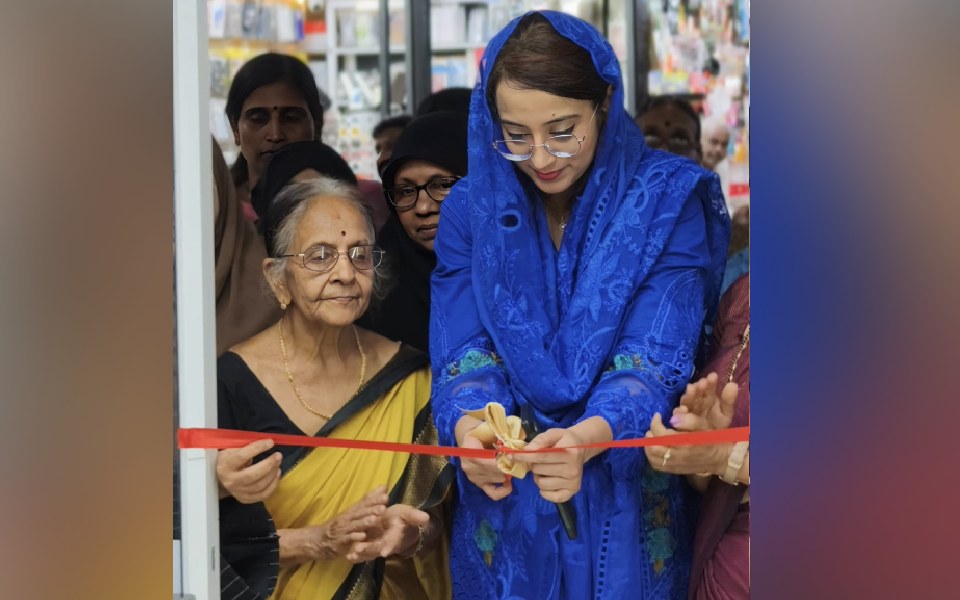
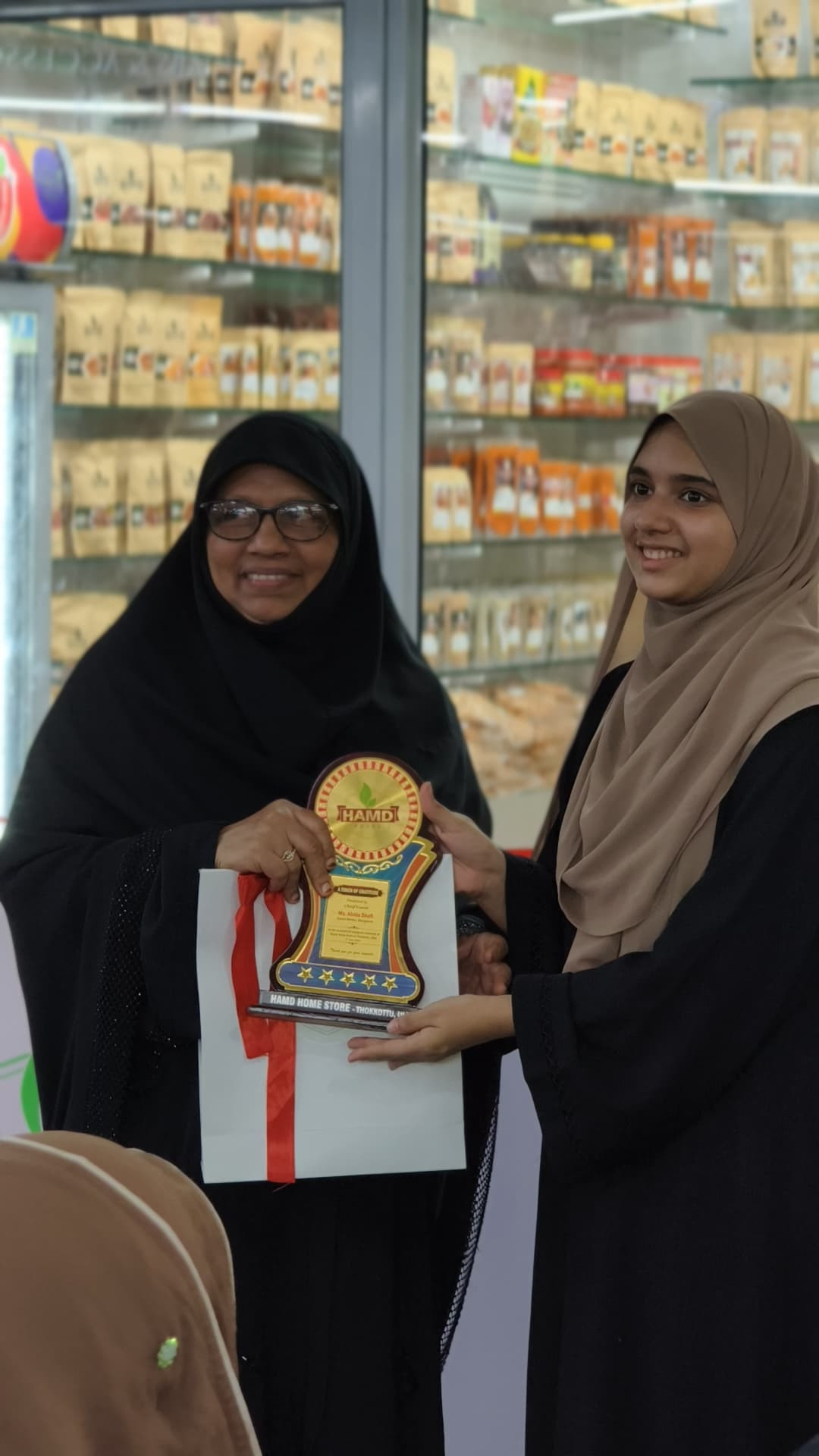
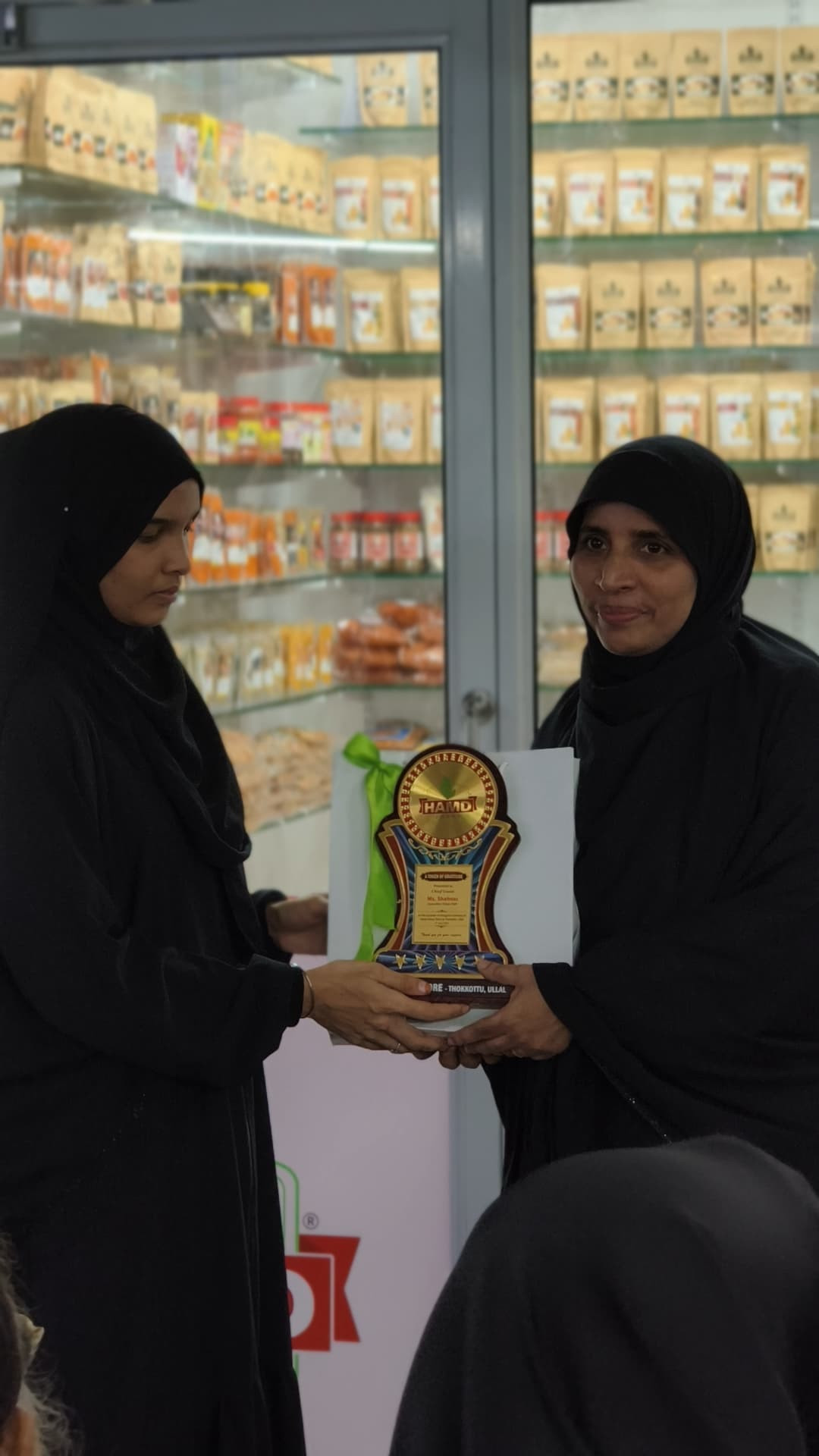
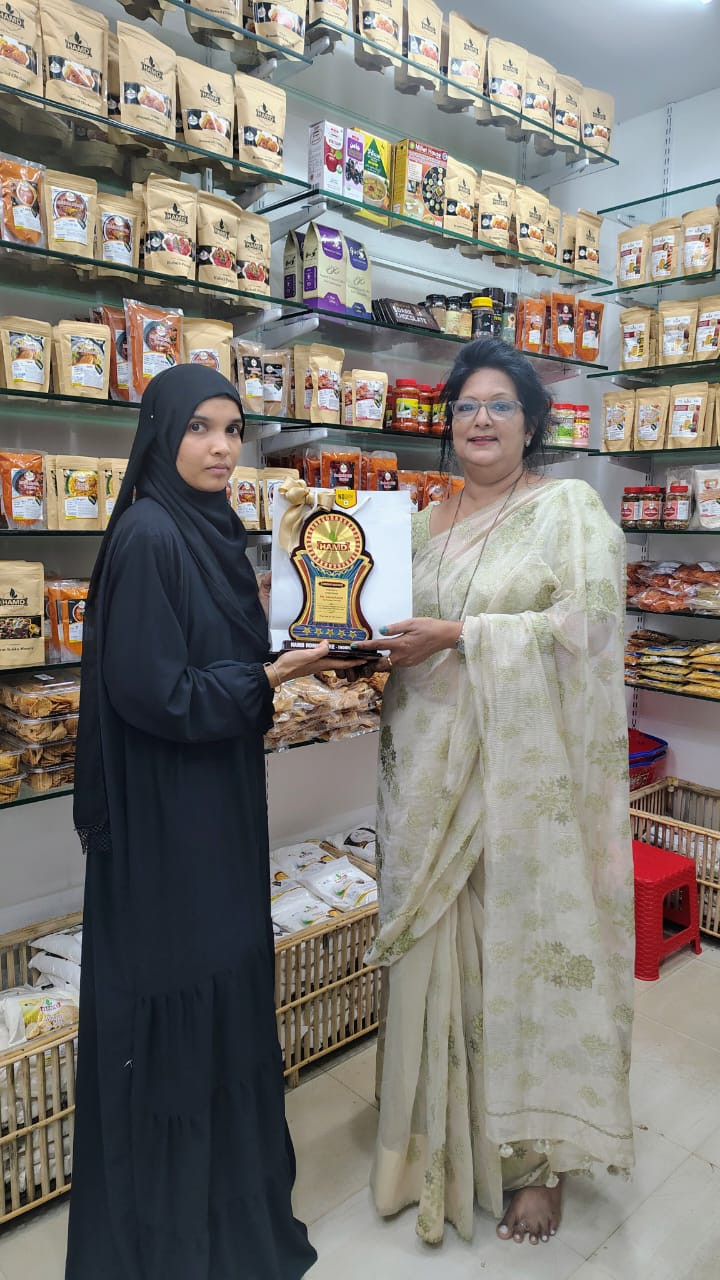
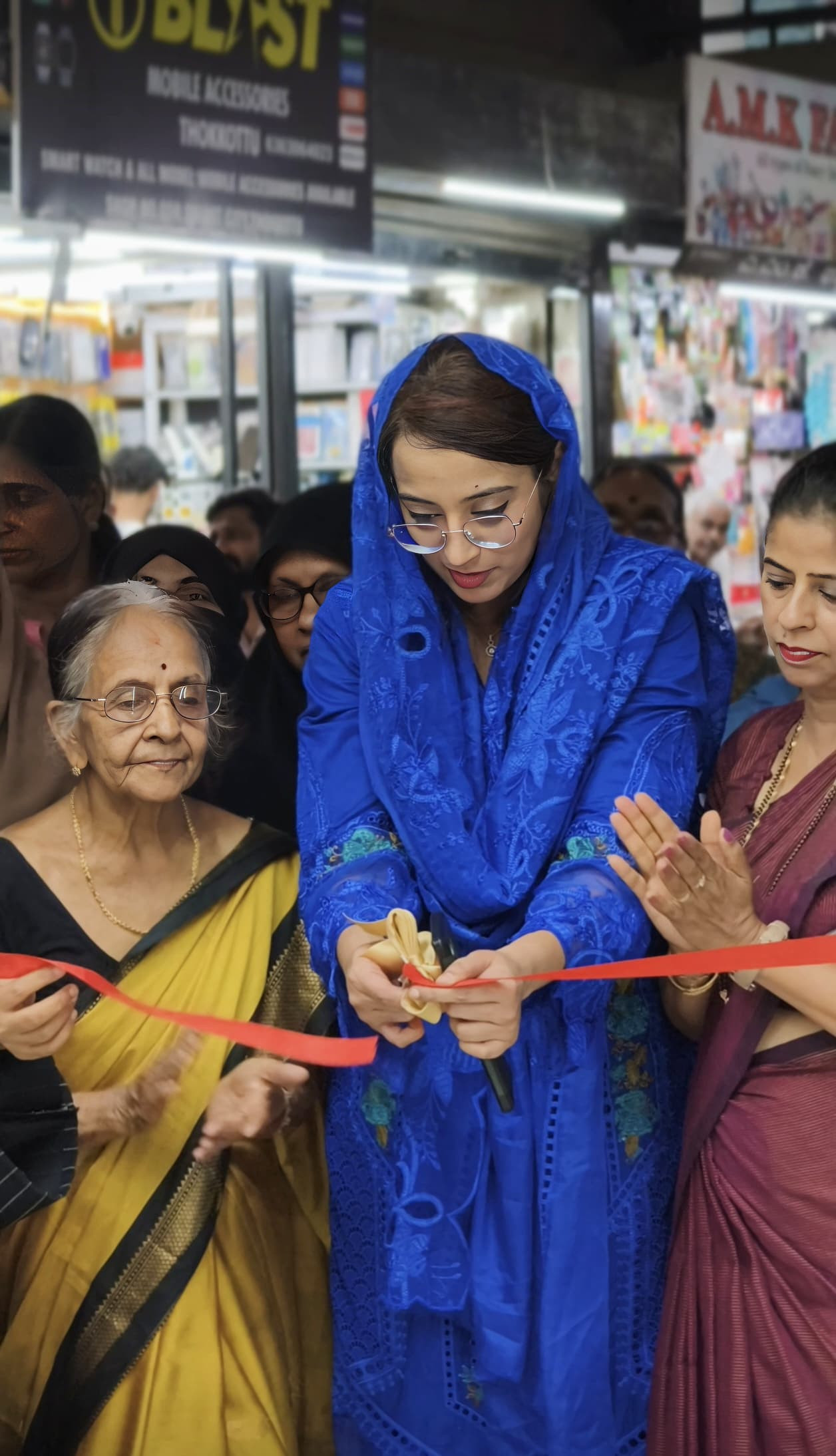
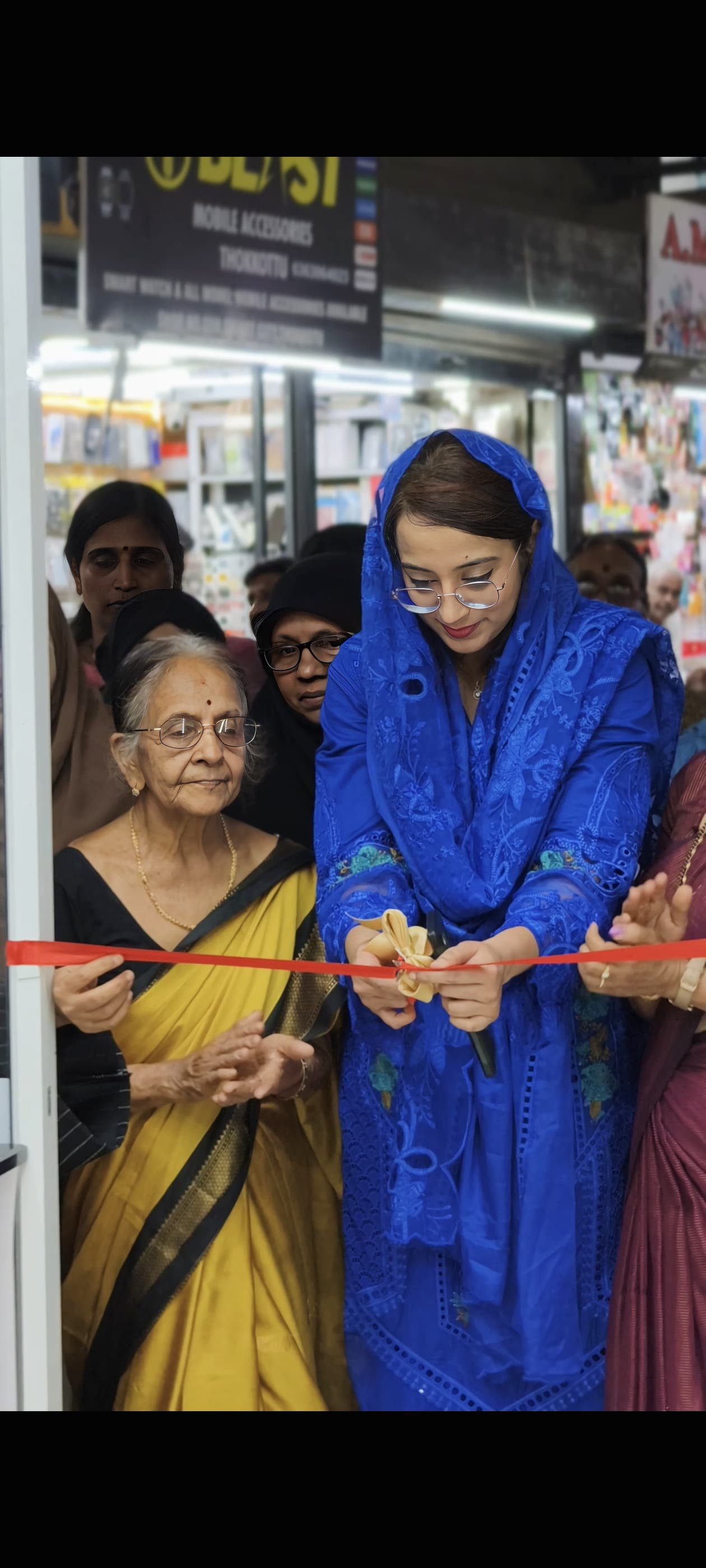
Mangaluru: Hamd Foods, a rapidly growing name in the natural food products sector, inaugurated its third outlet, the Hamd Home Store, in Thokkottu on Monday.
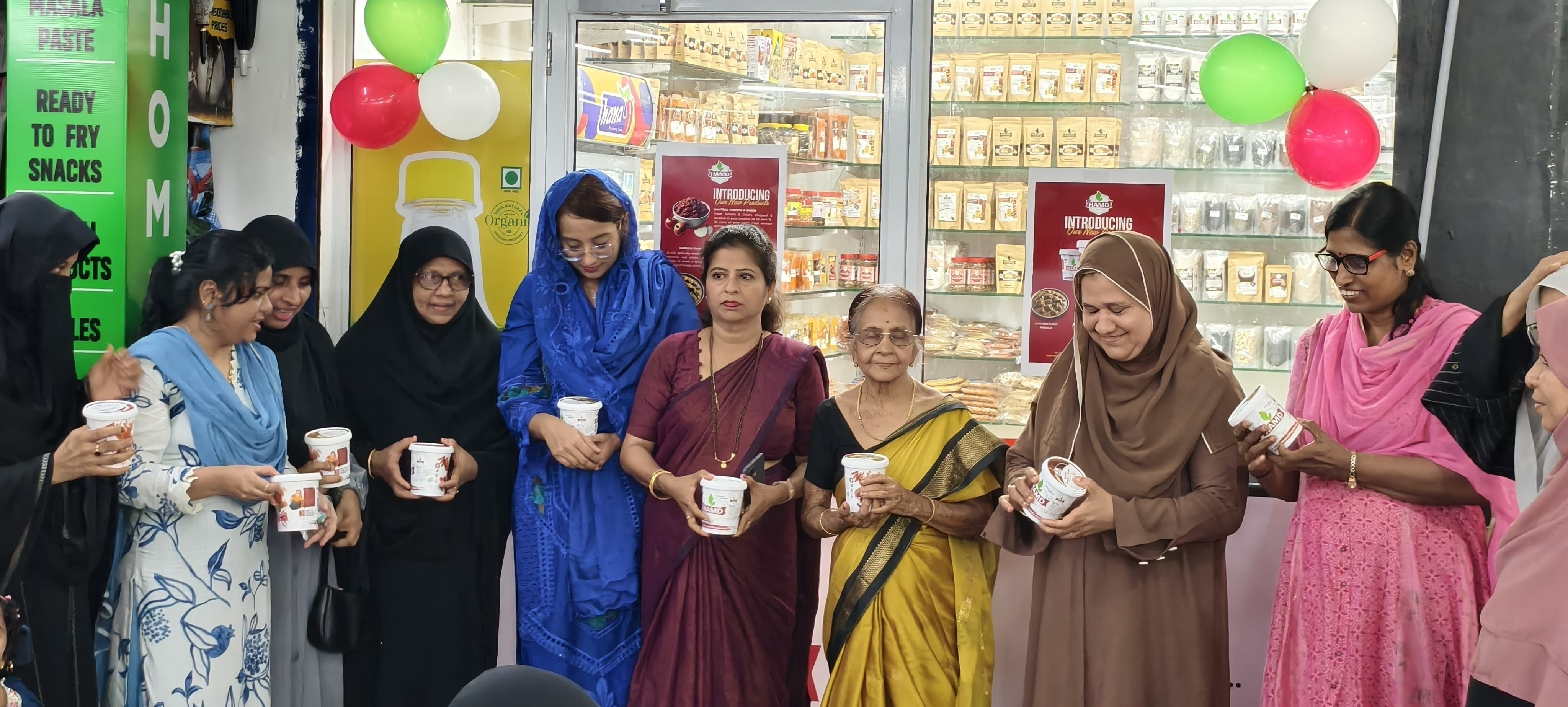
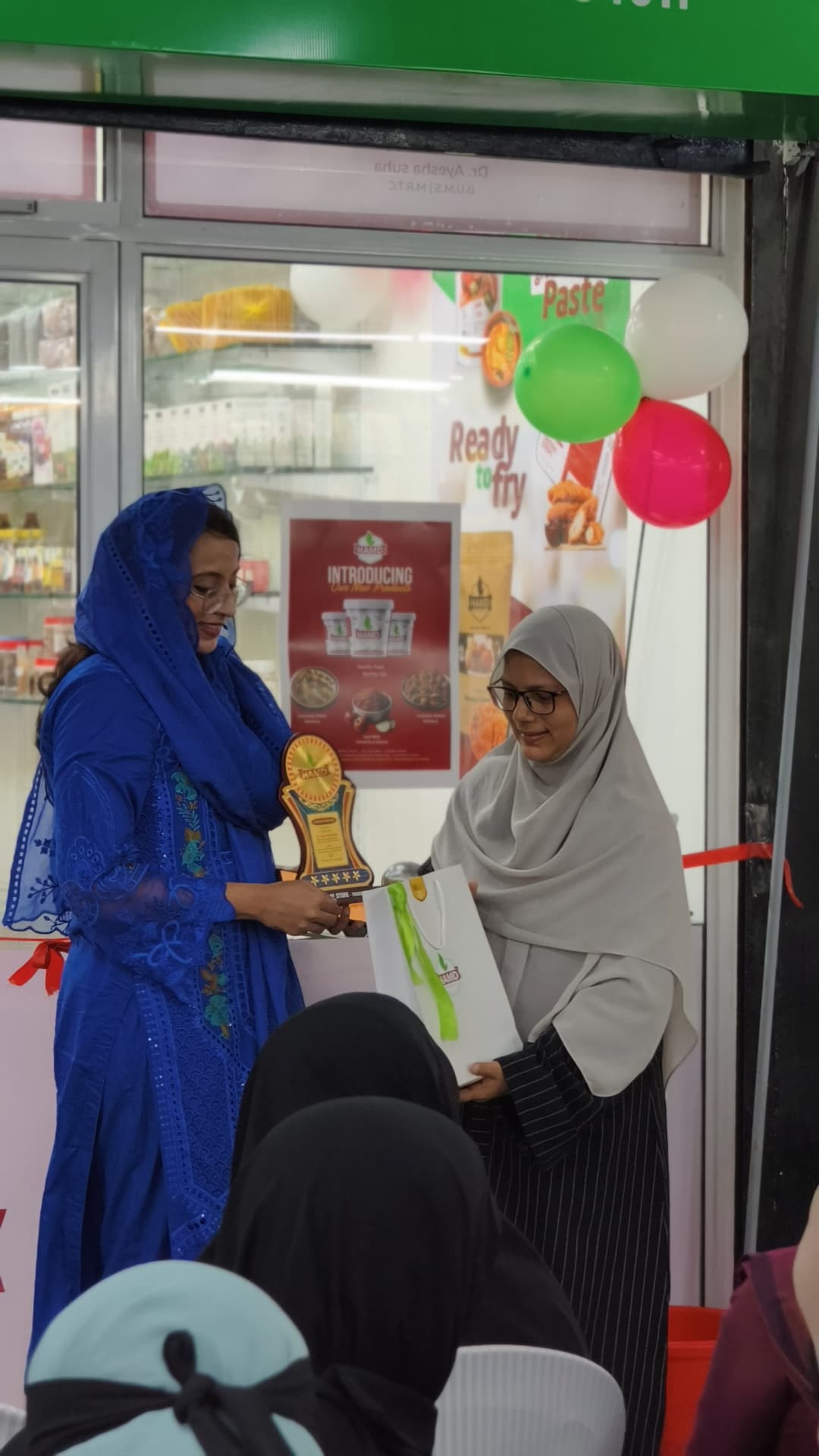
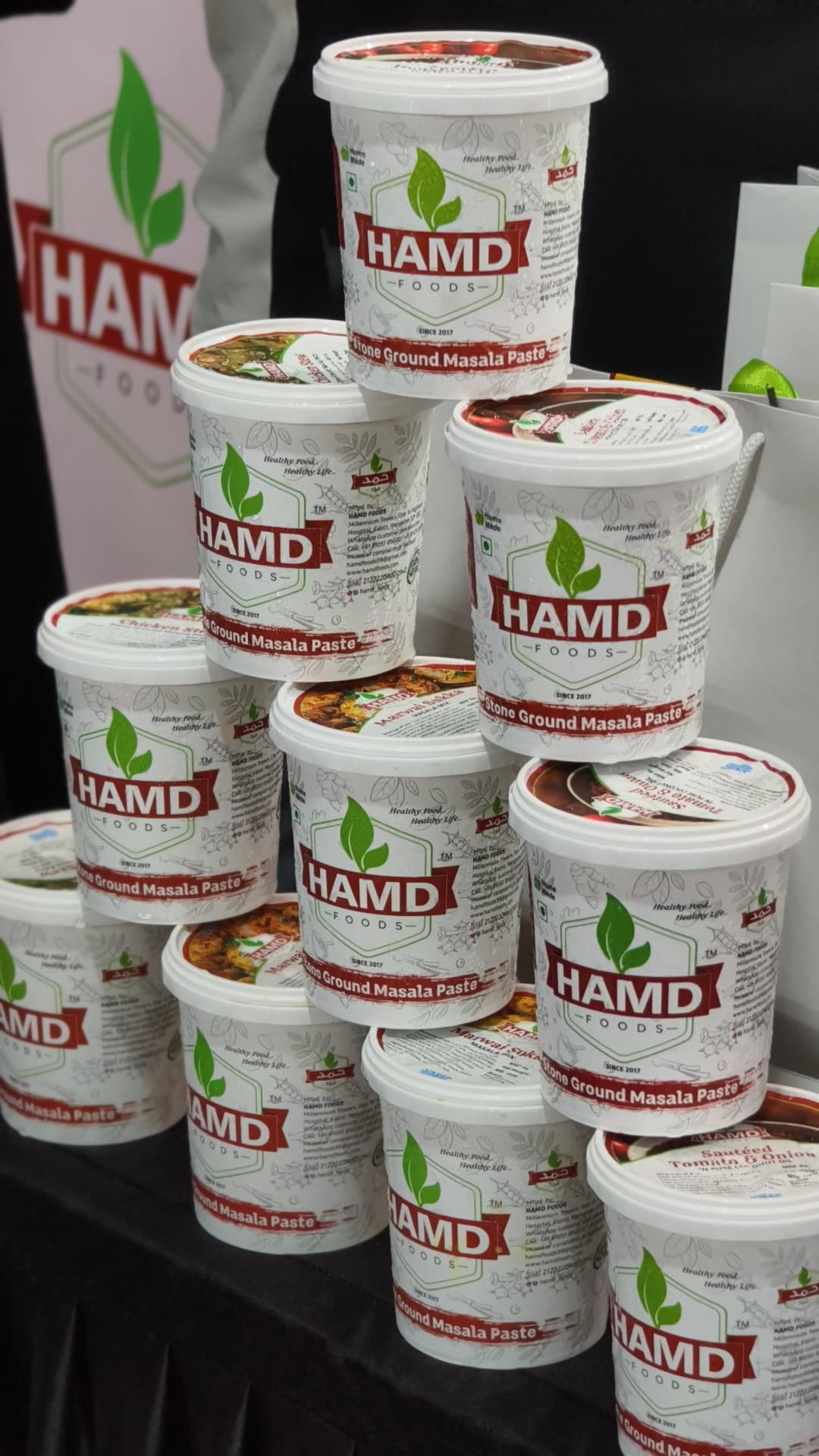
A key highlight of the event was the launch of three new products: Sautéed Tomato-Onion Paste, Chicken Stew Masala, and Marwai Sukka Masala Mix. All three offerings are made with natural ingredients, ensuring hygiene and authenticity.
The new Thokkottu outlet offers over 150 natural and organic food and personal care products. Ranging from spice blends to frozen goods, Hamd Foods is known for avoiding artificial colors and harmful preservatives, winning the trust of customers across India.
Marking the occasion, the co-founder of Hamd Foods Mariyam Shahira said, “We bring convenience & save your time, not to encourage laziness, but to boost productivity by helping you focus your energy on what truly matters..”
Following the success of its previous stores in Falnir and Krishnapura, the Thokkottu outlet has been launched, with more planned in the near future.
"In today’s fast-paced world, many people don’t have the time to cook healthy meals at home and end up depending on unhealthy outside food. That’s why Hamd is committed to offering natural, ready-to-use products that make everyday and special meal prep easier, with growing demand from our customers, we’ve opened our new outlet in Thokottu to serve areas like Ullal, Ucchila, Talapady, K C Road, Babbukatte, Deralakatte, and beyond", said founder of Hamd Foods, Shahida A.
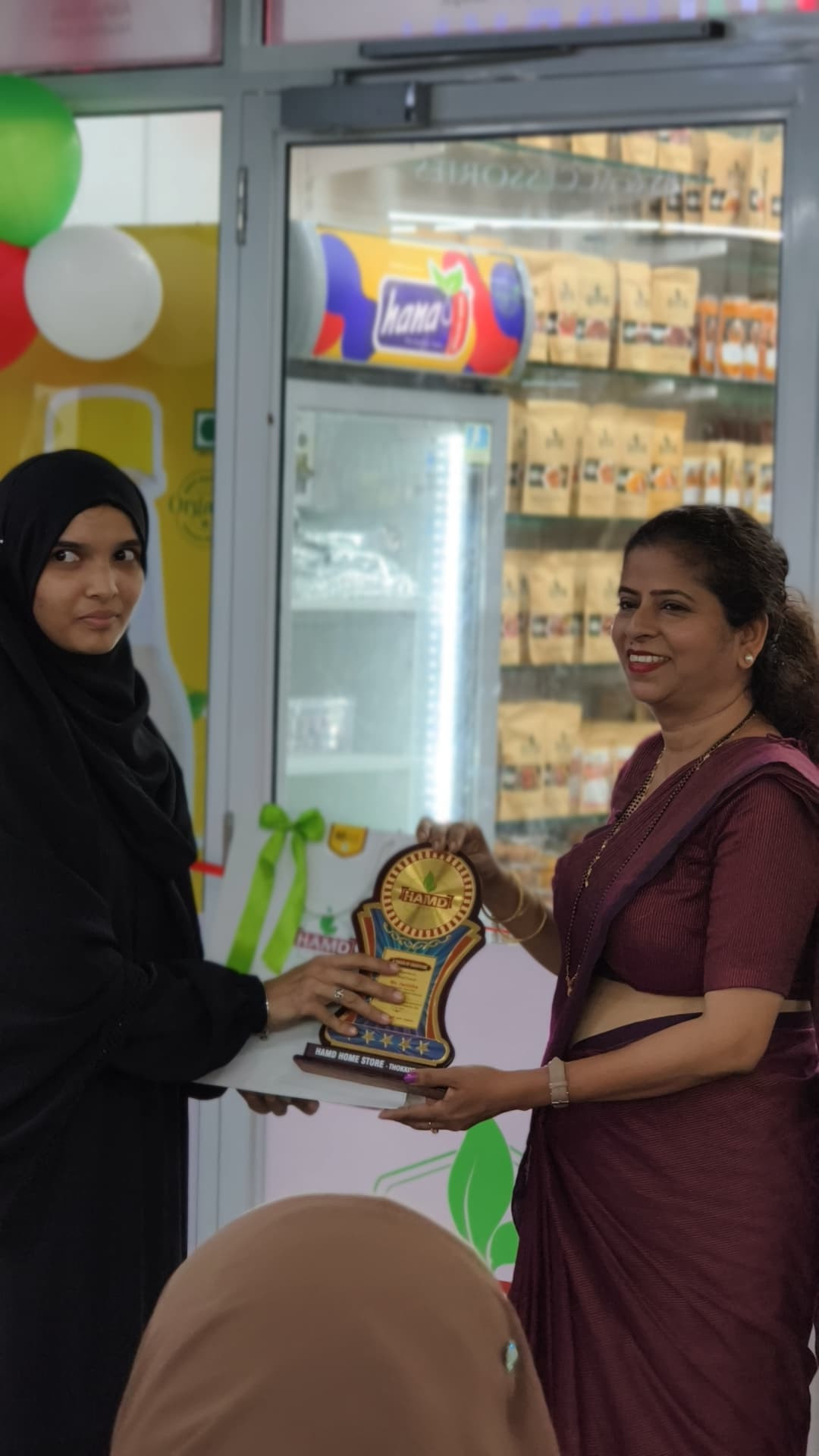
The event was graced by a distinguished panel of women guests, led by Dr. Sara Noushad, Consultant Gynecologist & Obstetrician. Chief guests included educators, entrepreneurs, social workers, and civic leaders, who included Suhasini Babbukatte, Abida Shafi, Fathima Mahroon, Zareena Begum, Ramlath, Jacintha, Sapna Harish, Dr. Umme Amarah, Shahbaz, Anisha, and Mumtaz.
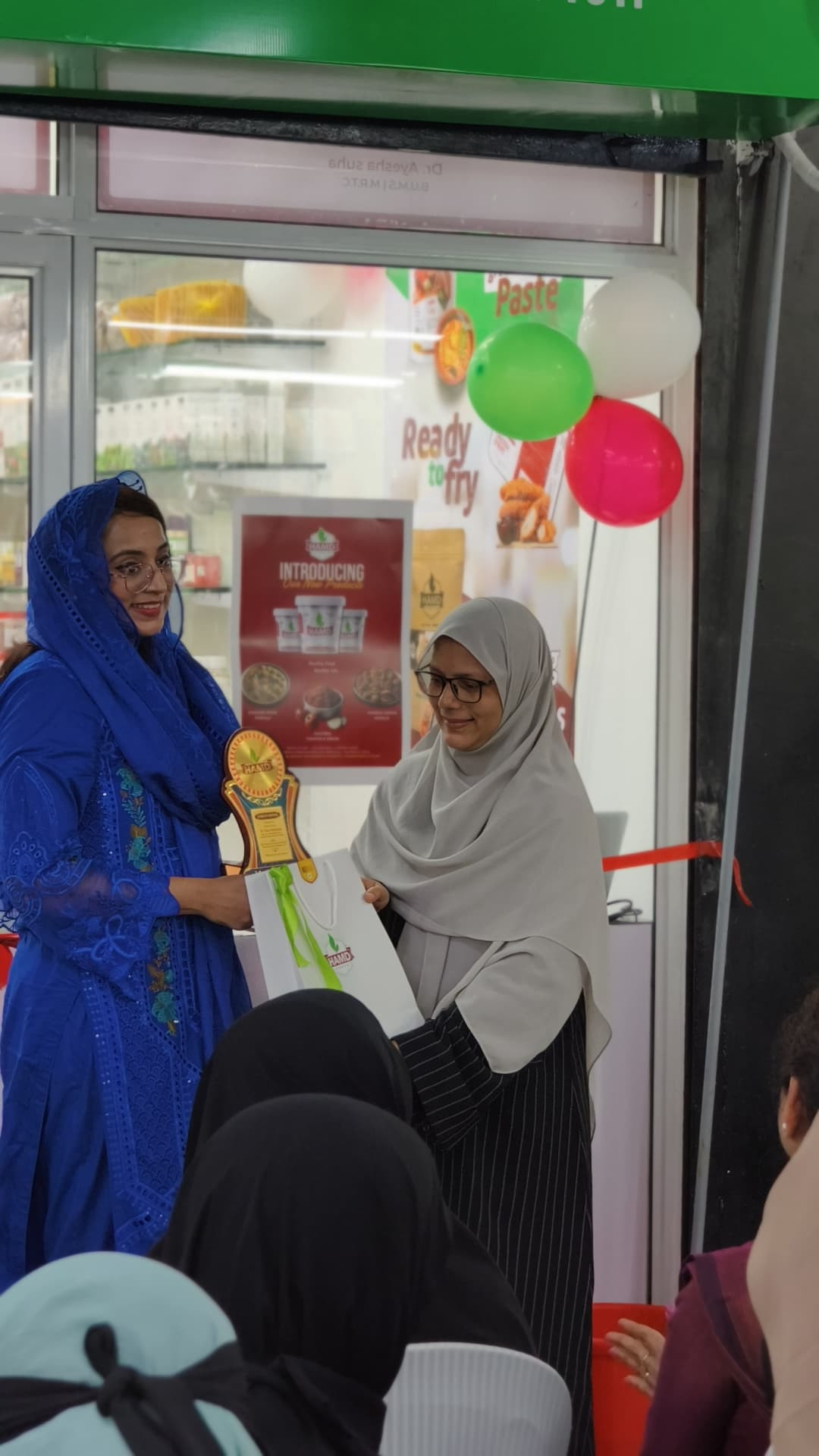
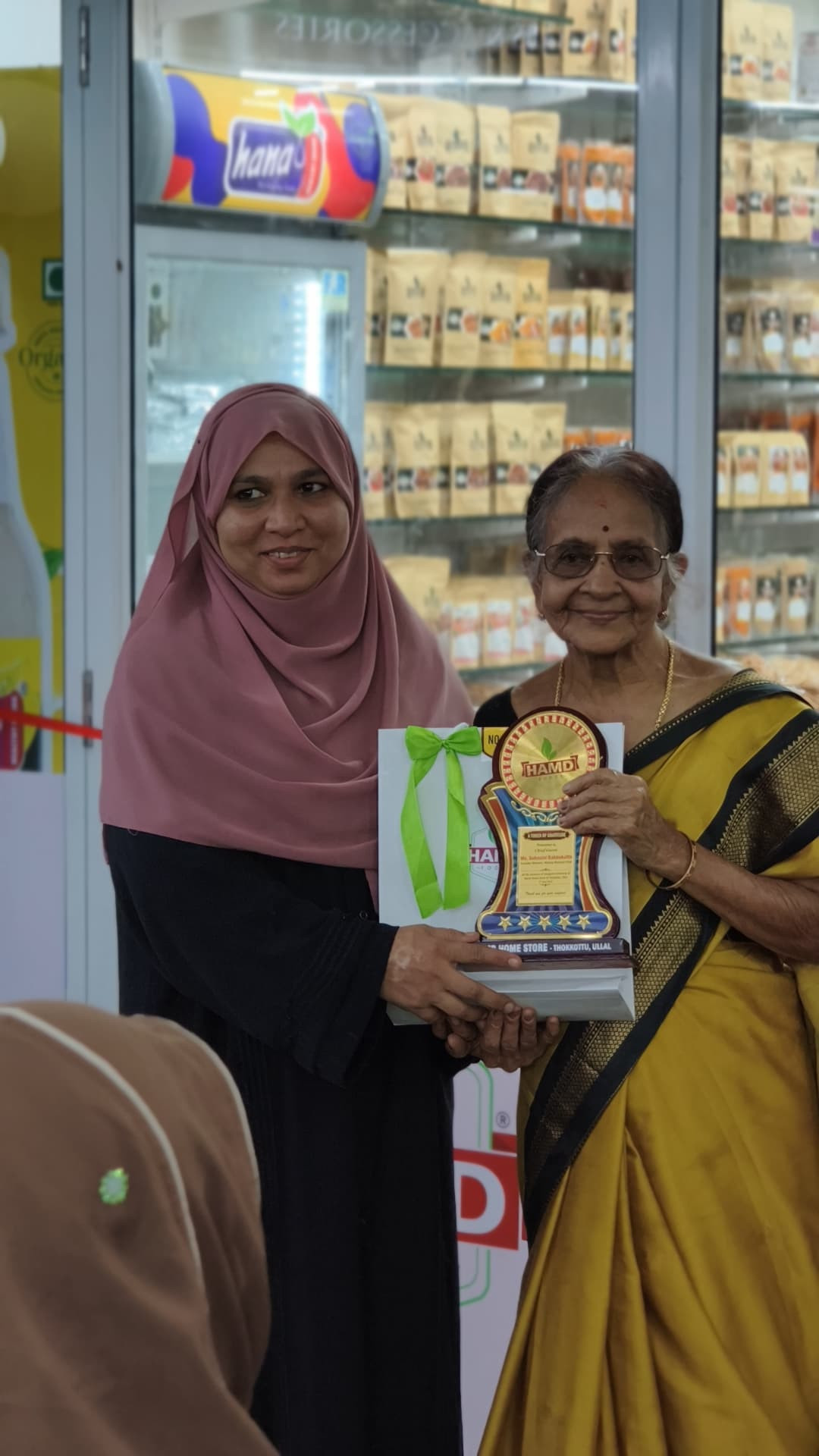
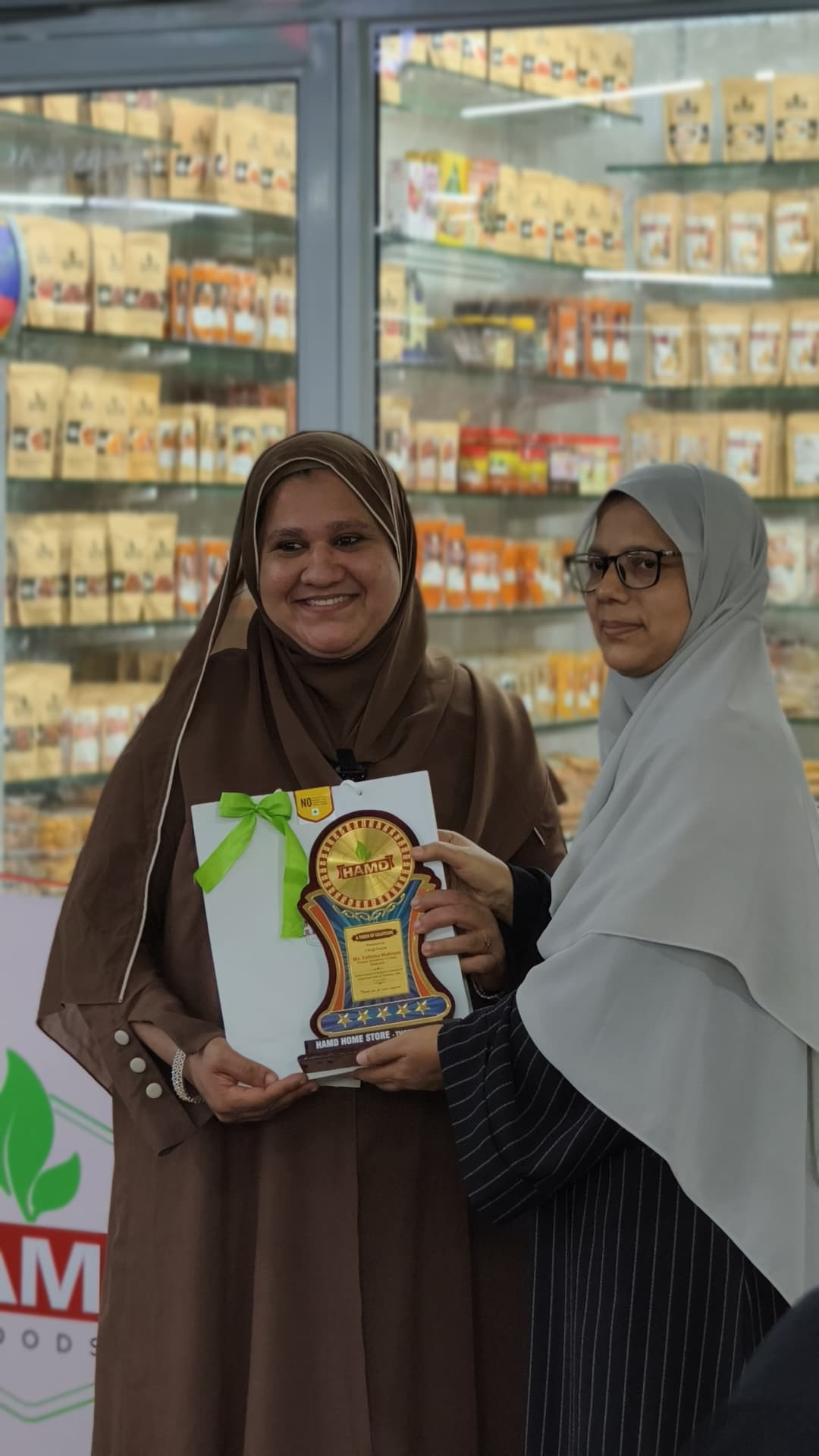
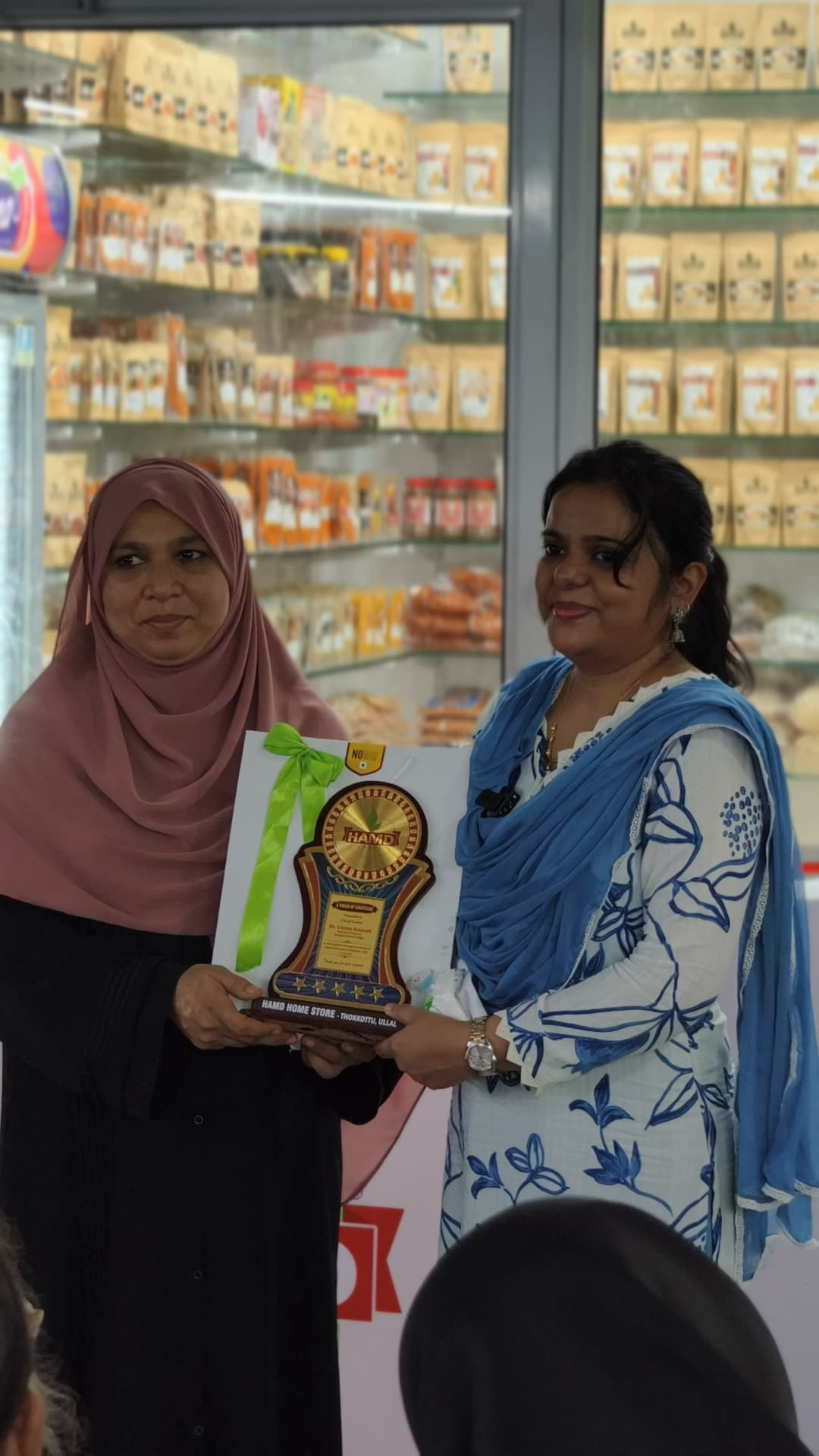
Let the Truth be known. If you read VB and like VB, please be a VB Supporter and Help us deliver the Truth to one and all.
At UN, India flags concerns over targeting of vessels in Strait of Hormuz
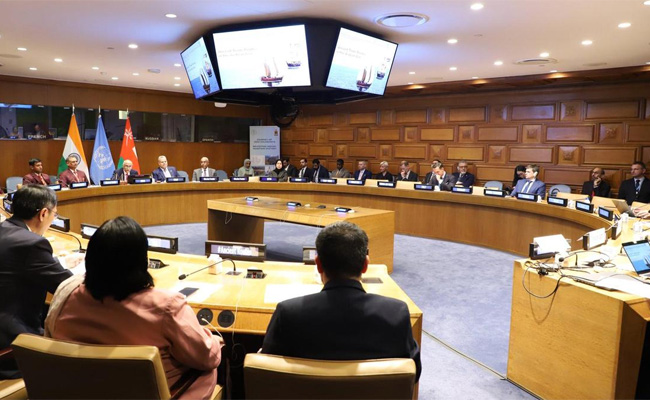
United Nations (PTI): Targeting commercial shipping, endangering civilian crew and impeding freedom of navigation in the Strait of Hormuz is "unacceptable", India’s Permanent Representative to the UN Parvathaneni Harish has said.
Harish's remarks at a special meeting of the United Nations Economic and Social Council (UNECOSOC) on safeguarding energy and supply flows came days after an India-flagged commercial vessel came under attack off the coast of Oman.
Omani authorities rescued all 14 crew members of the vessel sailing from Somalia, but it was not immediately known who carried out the strike.
In a post on X on Sunday, Harish said that at the UNECOSOC meeting, he shared India's approach to the recent energy and fertiliser crisis caused by the West Asia conflict.
"A combination of short-term and structural measures alongside international cooperation are essential to respond to the crisis," he said.
"Reiterated that targeting of commercial shipping, endangering civilian crew and impeding freedom of navigation in the Strait of Hormuz, are unacceptable. International law in this regard must be fully respected," he added.
The attack on the India-flagged vessel on May 13 took place amid the fragile situation in the Strait of Hormuz, a narrow waterway close to the coast of Oman through which roughly one-fifth of the world's energy supplies pass.
It has been severely disrupted by the conflict in West Asia that started on February 28, with the US and Israel launching joint attacks on Iran, triggering retaliatory strikes.
Earlier, India had described the attack as "unacceptable".
At least two other Indian-flagged ships have been attacked since the conflict broke out.
According to the UNECOSOC website, the meeting, which took place on Friday, focused on “Safeguarding energy and supply flows: Supporting global development through international cooperation”.