Mangaluru: Hamd Foods opens second store in Krishnapur
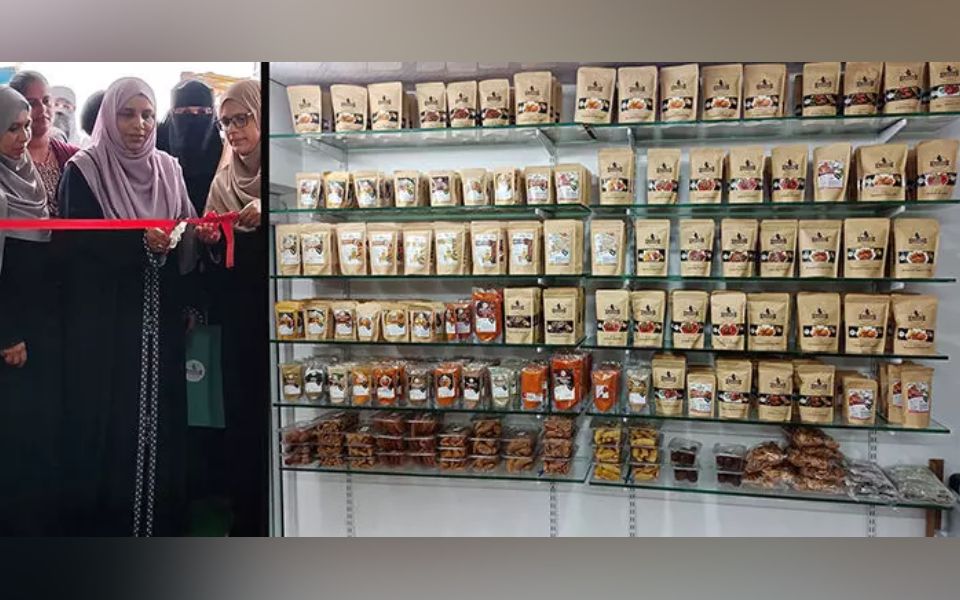
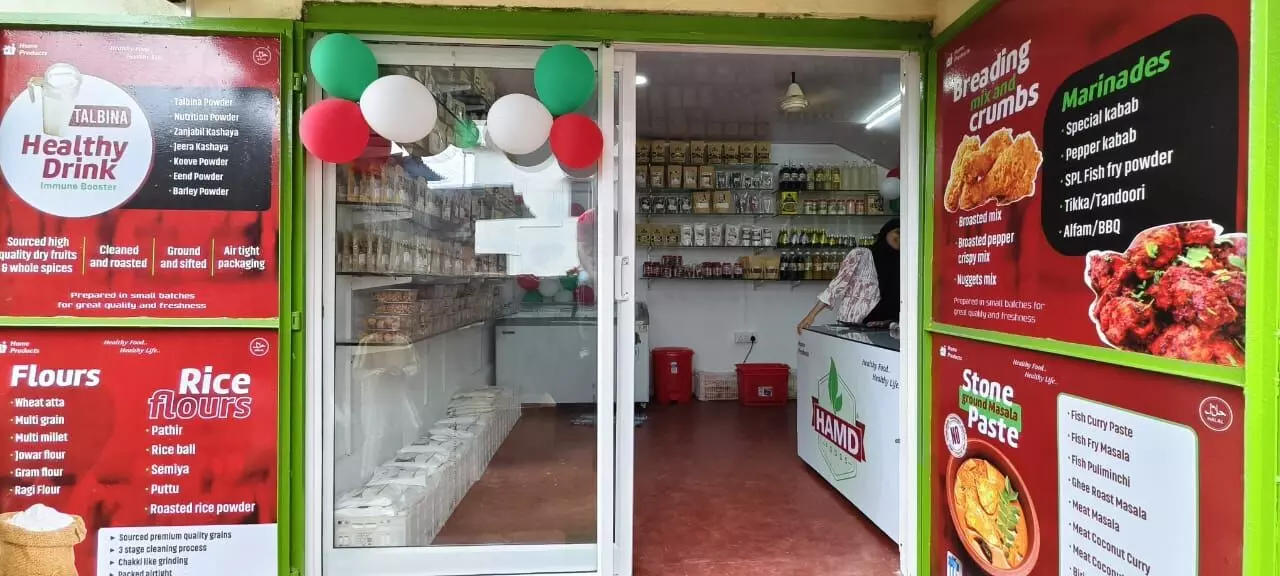
Suratkal: Hamd Foods — known for its exclusive food products crafted to reduce reliance on unhealthy instant meals — inaugurated its second store on Monday at the Welcome Complex in 7th Block, Krishnapura.
The store was inaugurated by a distinguished group of women, reflecting the core of what Hamd Foods stands for — a brand powered by women.
In her address, Chief Guest Dr. Wahida Banu — an Ayurvedic practitioner, Principal & Head at Karnataka Ayurveda Medical College, Mangalore — highlighted that Hamd's team is doing a great job with its emphasis on natural and chemical-free products. "Hamd Foods’ products and services are the need of the hour in this busy world when people are resorting to unhealthy instant foods” she said and wished the company continued success.
“We’re thrilled to bring Hamd to Surathkal,” said the founder, Shahida A. “This store isn’t just about selling products — it’s about sharing a lifestyle, where health, flavor, and convenience go hand in hand.”
“We have noticed that in the present times, the children's health is deteriorating. Oftentimes because the parents are busy, and have no time to cook healthy food and feed their children. I'm glad to see that such a store has now opened in Krishnapura. I will surely use & recommend these products.”, said Ms. Bhavya, Principal of Hira Public School, Krishnapura.
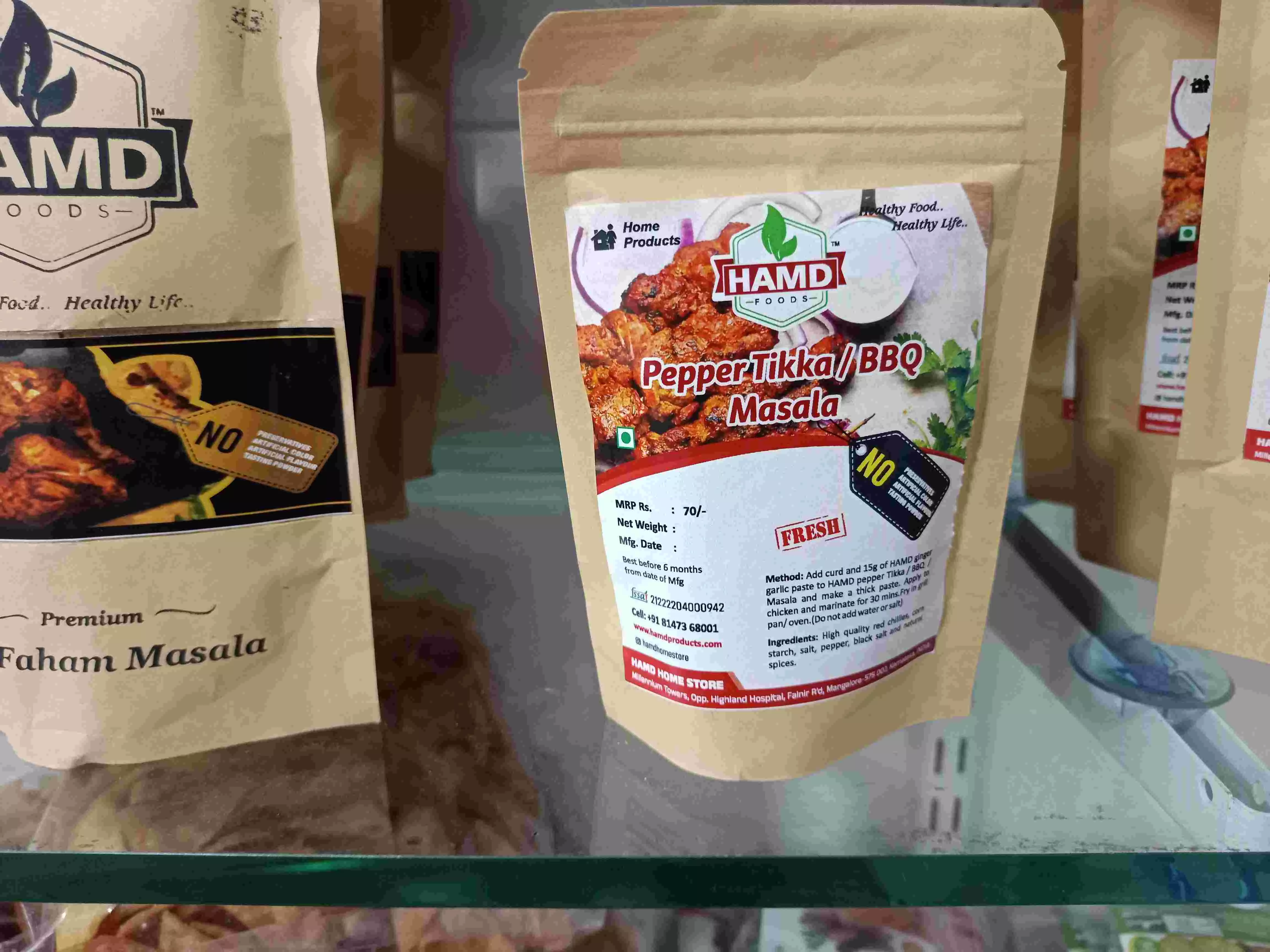
Abdul Hafeez & Shareef, the franchise owners of Hamd in Krishnapura, detailed that the company produces over 150 products, all natural, and free from artificial colors, harmful preservatives & chemicals. He mentioned that while the first store is located in Falnir, Mangalore, the second has now opened in Krishnapura, with plans to launch a third one in Thokkottu soon.
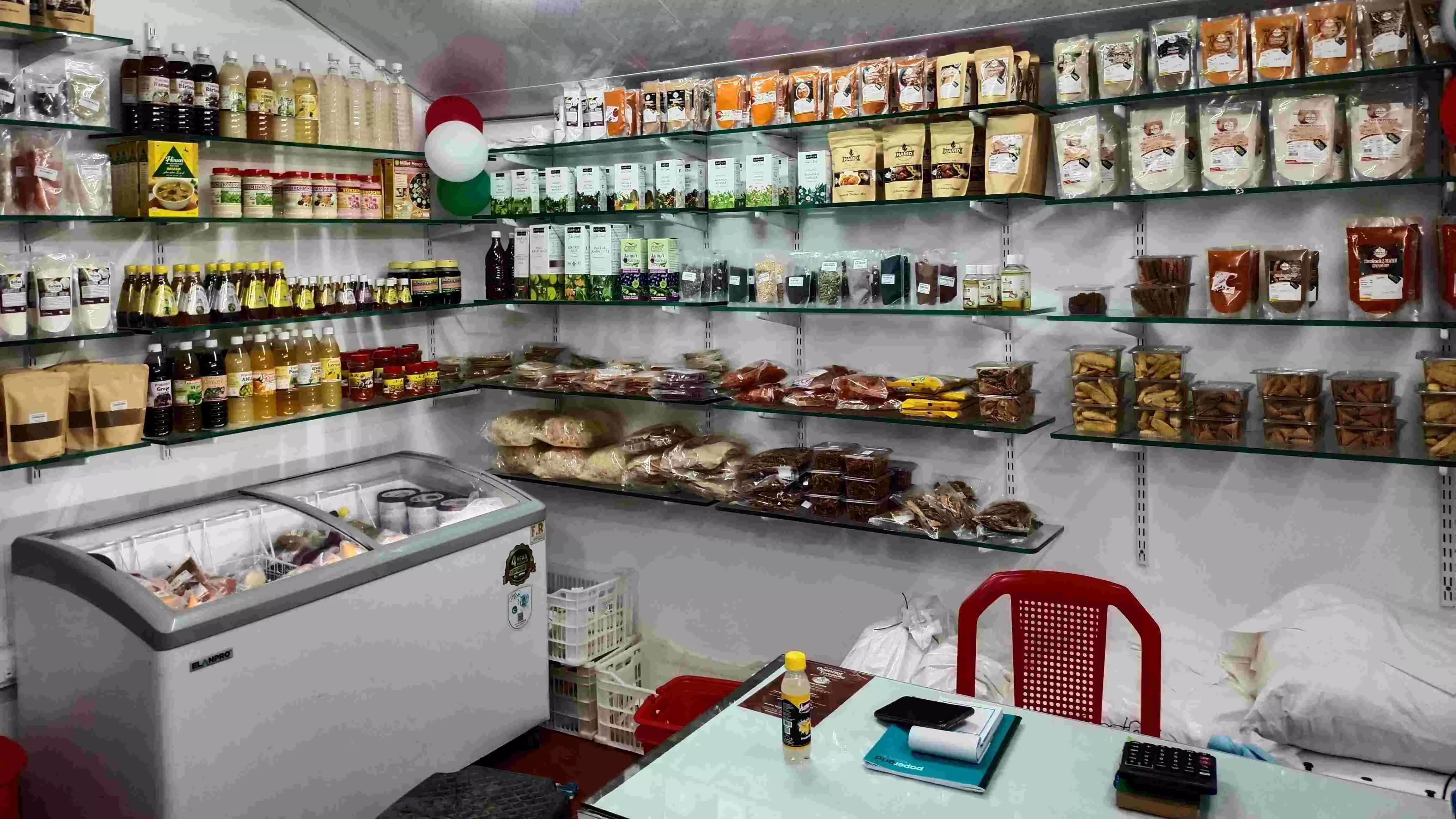
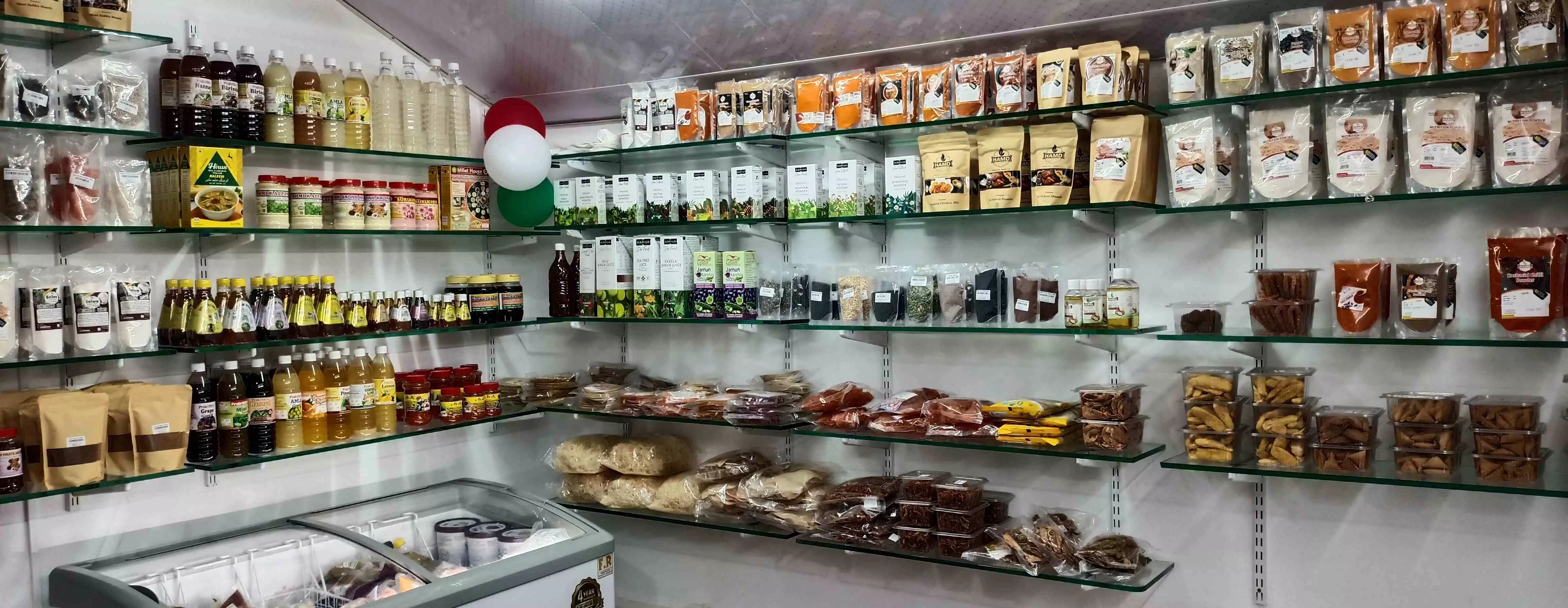
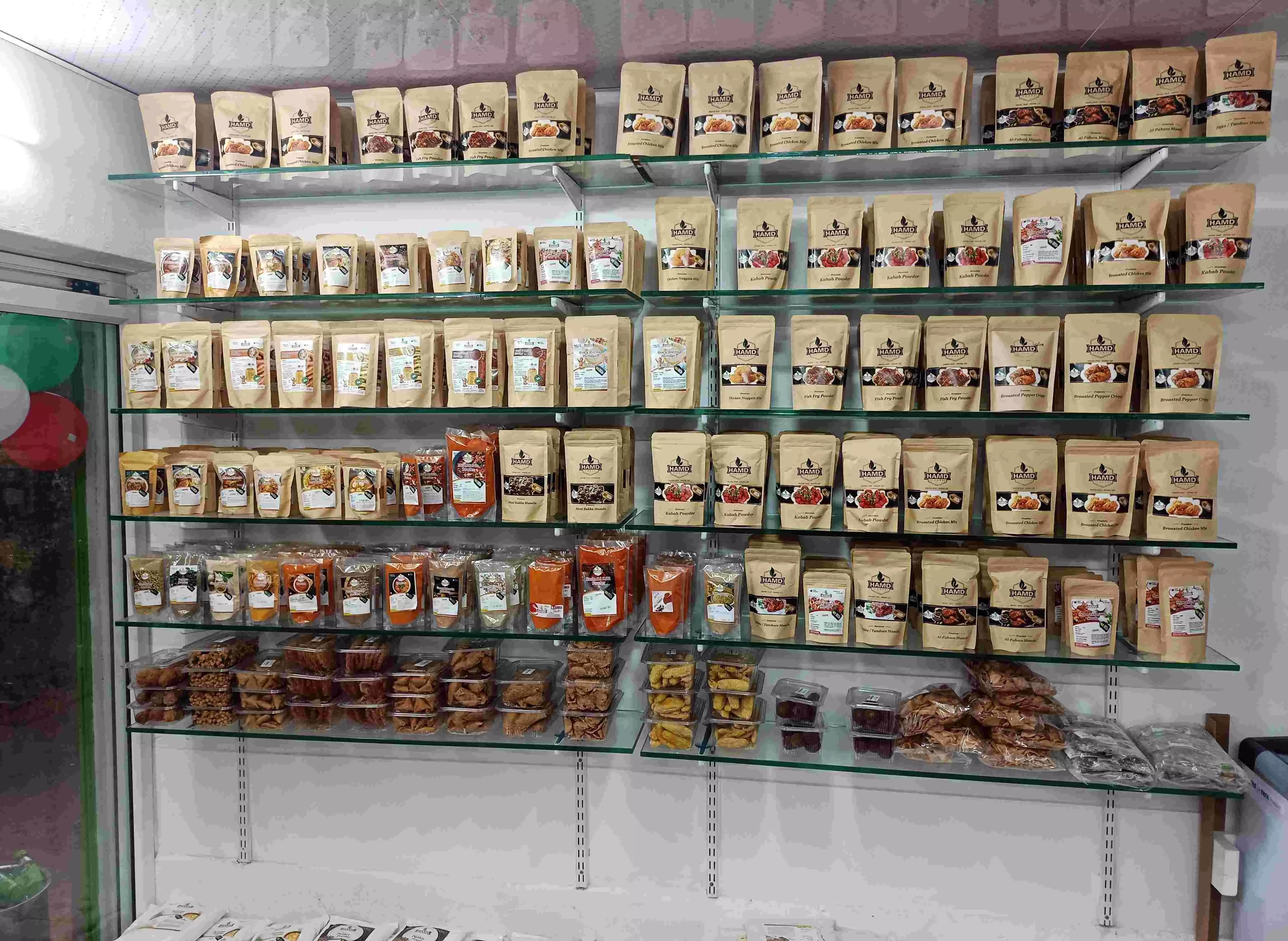
Rooted in the philosophy “Healthy Food, Healthy Life,” Hamd Home Store will offer an exclusive range of stone-ground masala pastes, fresh spice powders, flours, frozen snacks, personal care products, baby & postpartum foods, and more. Some of the flavors of Coastal cuisines like Fish Curry Masala, Ghee Roast, Pulimunchi, and others, have gained the trust and love of many of its customers.
The store was inaugurated by several dignitaries, including former Mangalore City Corporation member Shamshad Aboobacker, Rufina from Karunya Church School, Advocate Mamthaz, Bhavya — Principal of Hira Public School, Shabnam — Principal of Suffah English Medium School, Jazeela Iqbal of Royal Burka, YouTuber Fathima M., in the presence of Hamd Foods’ founders — Shahida A, & Mariyam Shaheera.
The launch marks another milestone in Hamd Foods' journey to bring wellness-driven, homemade products to more homes across Karnataka and beyond.

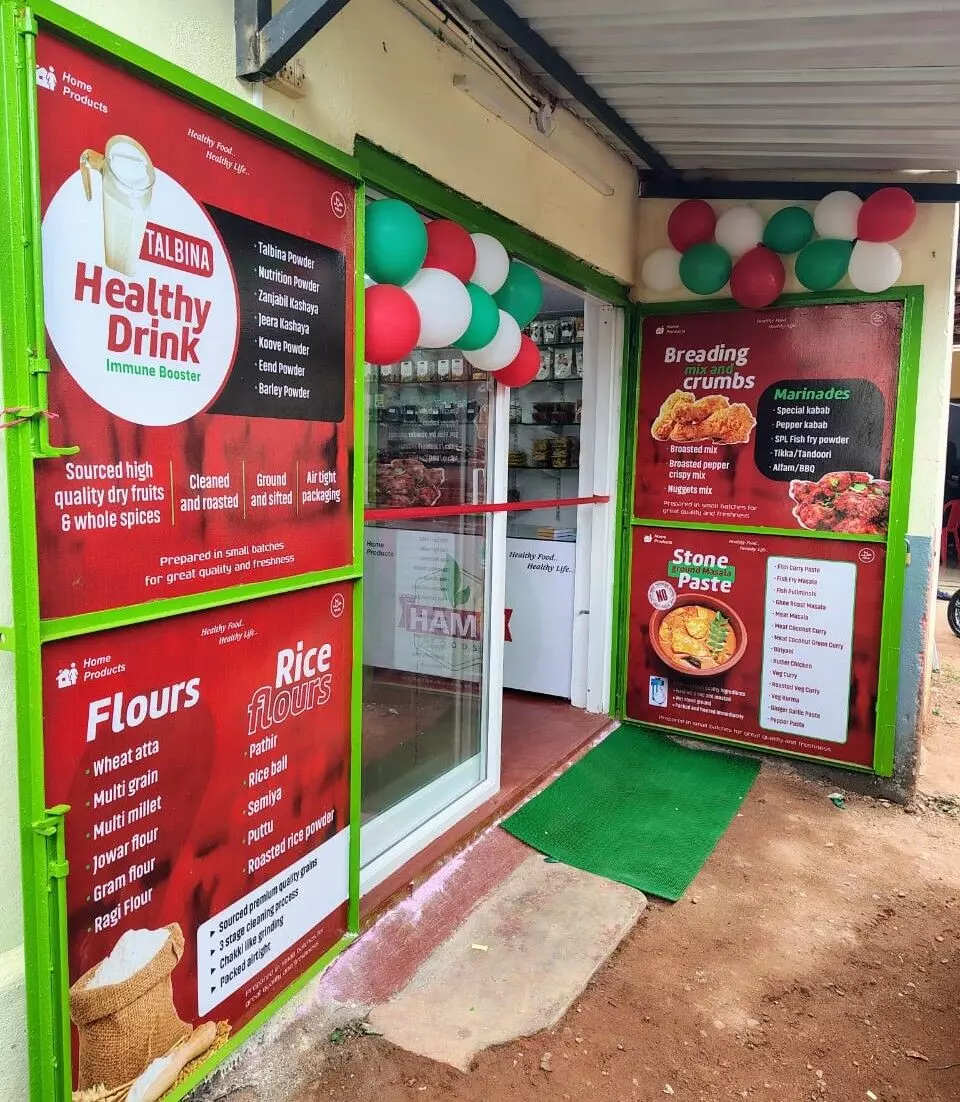

About Hamd Foods:
Headquartered in the city of Mangaluru, Hamd Foods is a food products company manufacturing a variety of fresh food ingredients ranging from various spices powders to stone ground paste. Founded in 2017, Hamd Foods stands true to its motto 'Healthy food, Healthy Life', producing natural, chemical-free and preservative-free products of taste without compromising on health.
Hamd Foods is not just a family run business but is a platform brought up to this level by a number of women through their dedication and specialisation in preparing certain food products. What began as a small, family-driven initiative has grown into a trusted brand led and supported by women — now serving households across cities.
Event Details:
Location: Welcome Building, Near Dr. Ravichandra Pragnan, 7th block, Krishnapura, Surathkal.
Opening Time: 11.00 am.
Customers can look forward to the same trusted taste and quality they love — now in a fresh, and welcoming space at Welcome Building, 7th block, Krishnapura.
For more information or queries contact:
Mr. Najmuddin Rafath Hasan
Marketing Manager
rafathhasan379@gmail.com
+91 9980013195
Let the Truth be known. If you read VB and like VB, please be a VB Supporter and Help us deliver the Truth to one and all.
Rajnath to top commanders: Outmaneuver adversaries with strategic surprise
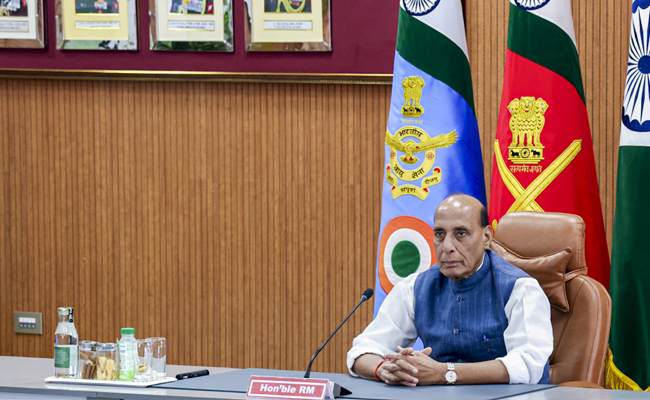
Jaipur/New Delhi (PTI): Defence Minister Rajnath Singh on Friday directed the top military commanders of the three services to integrate an "element of surprise" into modern warfare to outmaneuver India's adversaries and bolster strategic posture.
In his address at the joint commanders conference in Jaipur, Singh also described the Operation Sindoor as a testament to the "swift, precise, and joint response" of the Indian armed forces to safeguard national interests and called upon the military to remain ready to deal with any security challenges.
In their two-day deliberations, the commanders carried out a comprehensive review of the combat preparedness of the military in the wake of the evolving regional security situation.
Operation Sindoor was a demonstration of India's growing capabilities and a symbol of the nation's collective resolve and new military ethos, Singh said, a day after the first anniversary of Operation Sindoor.
He also unveiled a 'Joint Doctrine for Integrated Communication Architecture' that is aimed at strengthening doctrinal clarity, interoperability and integrated communications across the armed forces in future multidomain operations.
The joint commanders' conference, themed 'Military Capability in New Domains', brought together the top leadership of the defence ministry and the three services to deliberate on emerging security challenges and future readiness.
Comprehensive deliberations were held on future warfare, multidomain operations, technological transformation and joint capability development.
The conference witnessed extensive discussions on cognitive warfare, cyber resilience against evolving quantum and AI-enabled threats, military capability development in emerging domains, indigenous innovation and AI-enabled warfighting concepts.
It was attended by Chief of Defence Staff Gen Anil Chauhan, Chief of the Naval Staff Admiral Dinesh Kumar Tripathi, Chief of the Army Staff Gen Upendra Dwivedi, Chief of the Air Staff Air Chief Marshal AP Singh and Defence Secretary Rajesh Kumar Singh among others.
In his remarks, Singh asked the commanders to remain "future-ready" by learning from the operation as well as the current global security landscape.
He underscored the need to strengthen capabilities in artificial intelligence, autonomous systems, data analytics and secure communication networks to stay prepared in the rapidly evolving geopolitical security scenario. He emphasised that future conflicts will increasingly be shaped by hybrid threats, information dominance and operations conducted simultaneously across cyber, space, electromagnetic and cognitive domains, according to an official readout.
Highlighting the transformative impact of emerging technologies, Singh stressed on the importance of ensuring integrated national preparedness across all spectrums of conflict, it said.
Singh's remarks at the conference came a day after the first anniversary of Operation Sindoor.
The defence minister appreciated the progress achieved in enhancing jointness, integration and technological adoption across the three services, the readout noted.
Singh said that jointness constitutes a pivotal dimension within the transformative changes sweeping across the global defence sector.
"Future wars will not be won solely through weaponry, but through innovative thinking and enhanced synergy," he said.
The defence minister exhorted the commanders to cultivate the "element of surprise" to remain unpredictable to the nation's adversaries and secure a strategic edge in any given situation.
He, however, urged them to remain vigilant of the element of surprise of the enemy and always stay two steps ahead.
Singh also reiterated the Narendra Modi government's commitment to enhancing the capabilities of the defence forces through state-of-the-art weapons and platforms. He added that special focus is being laid on research in niche domains.
During the conference, he released a documentary film on Operation Sindoor.
The film reaffirms the nation's and defence forces' commitment to operational preparedness and decisive national response capabilities.
Demonstrations of advanced systems and platforms developed for intelligence fusion, operational planning and information management were also showcased during the conference reflecting growing integration of cutting-edge technologies into joint operational structures, according to the defence ministry.
The discussions will contribute significantly towards shaping India's future military transformation and integrated operational preparedness, it said.