M'luru: Woman commits suicide by jumping into Netravati River after tying 1-year-old child to waist
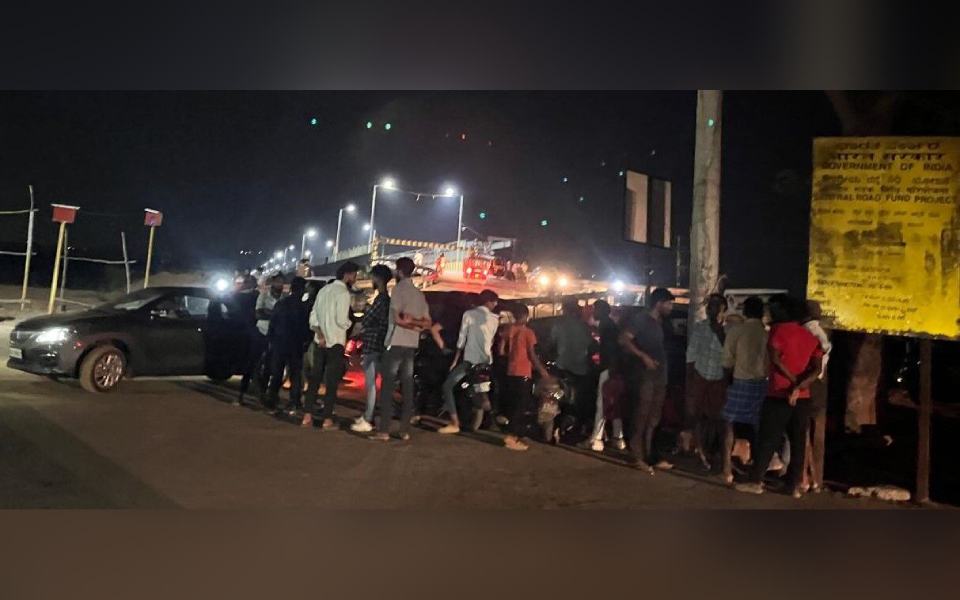
Mangaluru: In a tragic incident, a 30-year-old woman jumped into the Netravati river along with her one-year-old daughter near the Harekala-Pavoor dam , Adyarpadavu on the outskirts of the city on Friday evening.
The deceased woman has been identified as Chaitra, she reportedly jumped into the river after tying her toddler daughter to her waist.
They had been missing since Friday afternoon. According to locals, Chaitra along with the child arrived near the Harekala-Pavoor bridge and was walking along the riverside footpath towards Pavoor Gadigadde.
ALSO READ: M’luru: Lifeless body of individual found in deserted location on Panambur-Jokatte road
Chaitra’s lifeless body, with her daughter tied along the waist, was discovered on the banks of Netravati river near Harekala-Pavoor.
The reason for the extreme step is yet to be ascertained. Chaitra’s mortal remains have been kept at the Wenlock district hospital mortuary. A case in this regard has been registered at the Konaje Police Station, the police are currently probing the matter.
Let the Truth be known. If you read VB and like VB, please be a VB Supporter and Help us deliver the Truth to one and all.
Lebanon appoints new representative for talks with Israel, rejects linkage to Iran
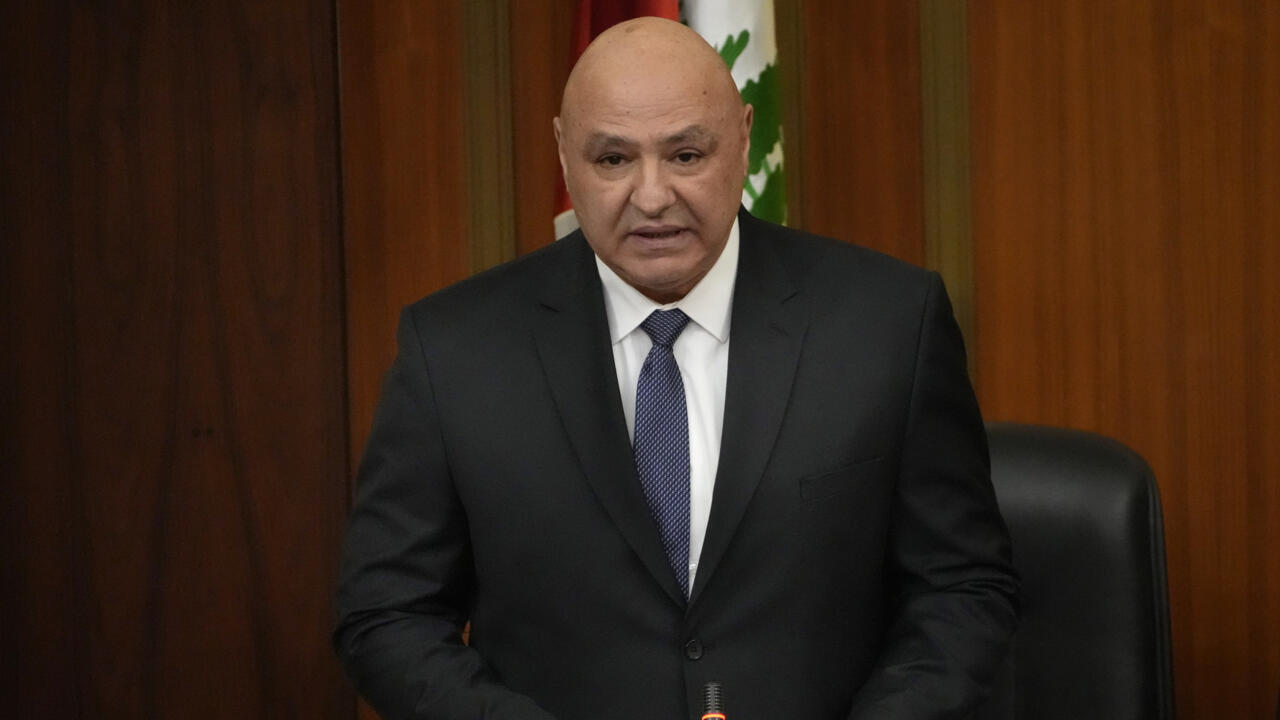
Beirut: Lebanon’s has moved to underline its independent position in ongoing regional developments, amid attempts to link the country to the broader conflict involving Iran, the United States and Israel.
President Joseph Aoun, while announcing the appointment of former US ambassador Simon Karam as Lebanon’s representative in talks with Israel, made it clear that Karam would be the sole representative for Lebanon and that there would be no substitute.
The move comes in response to what the Lebanese officials see as efforts by Iran to tie Lebanon’s situation to the wider regional conflict. Iran had indicated that there would be no ceasefire involving the US, Israel and Iran unless it also included a ceasefire in Lebanon.
Some groups, including Hezbollah and its supporters, had expressed support for linking the situations, citing concerns that the Lebanese government has limited leverage in negotiations with Israel. Lebanon is not formally a party to the conflict, and its army is considered weak.
However, others, including Prime Minister Nawaf Salam, have opposed this approach. They view Iran’s stance as an attempt to influence Lebanon’s internal affairs and see it as undermining the country’s sovereignty.
Officials backing the government’s position say the move is aimed at reaffirming Lebanon’s sovereignty and ensuring that decisions about peace and ceasefire within the country are not dictated externally.
They also see it as a safeguard, so that any breakdown in talks between the US, Israel and Iran does not automatically lead to renewed conflict in Lebanon.