Moodbidri: Puthige Convention Center inaugurated
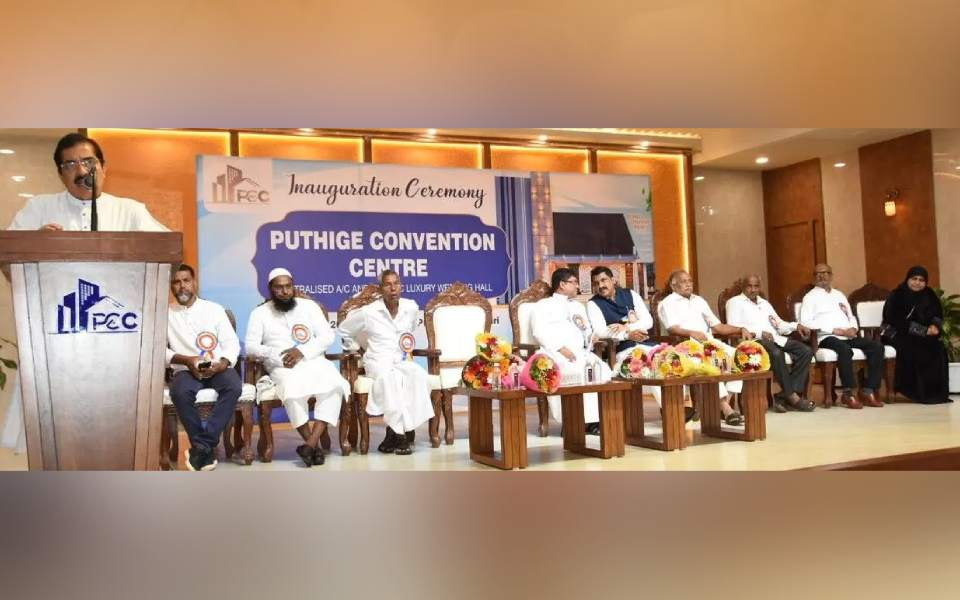
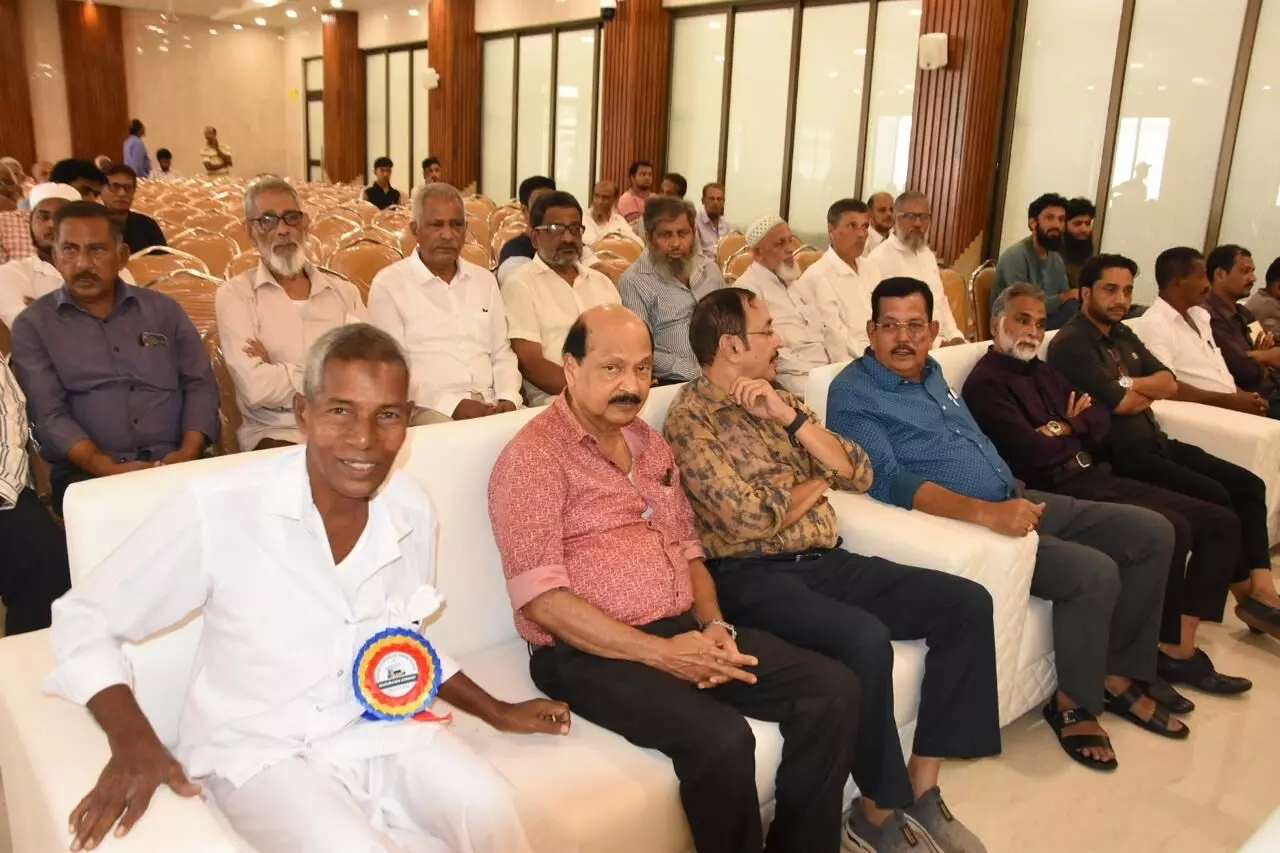
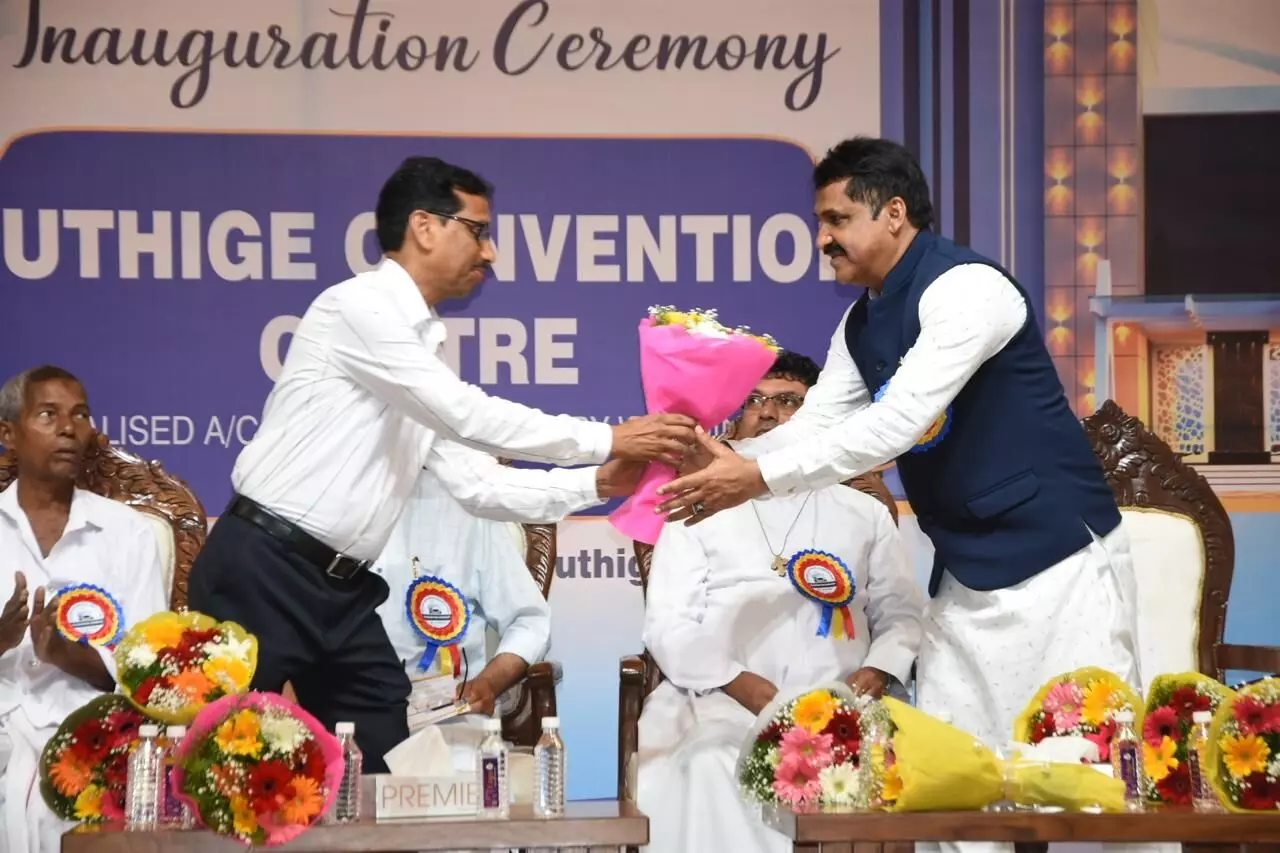
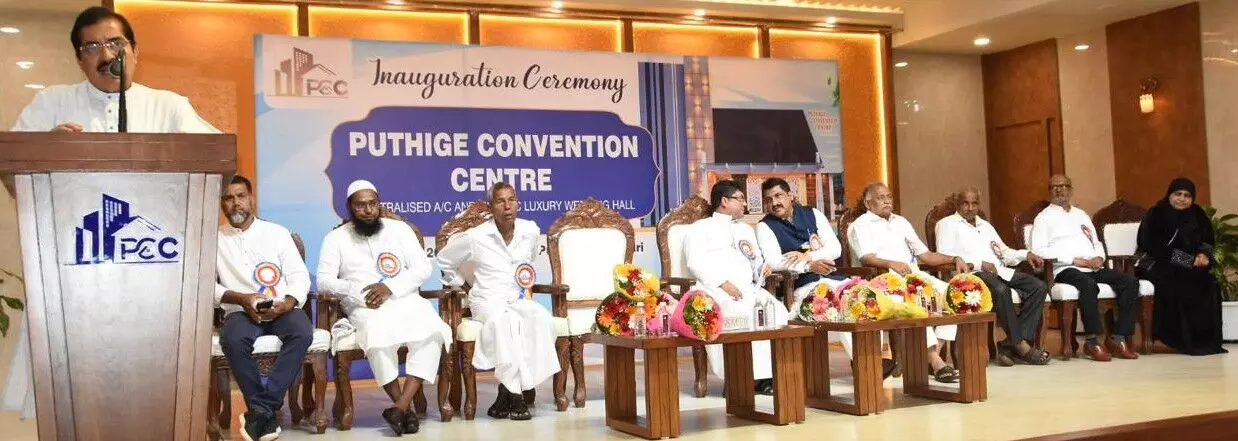
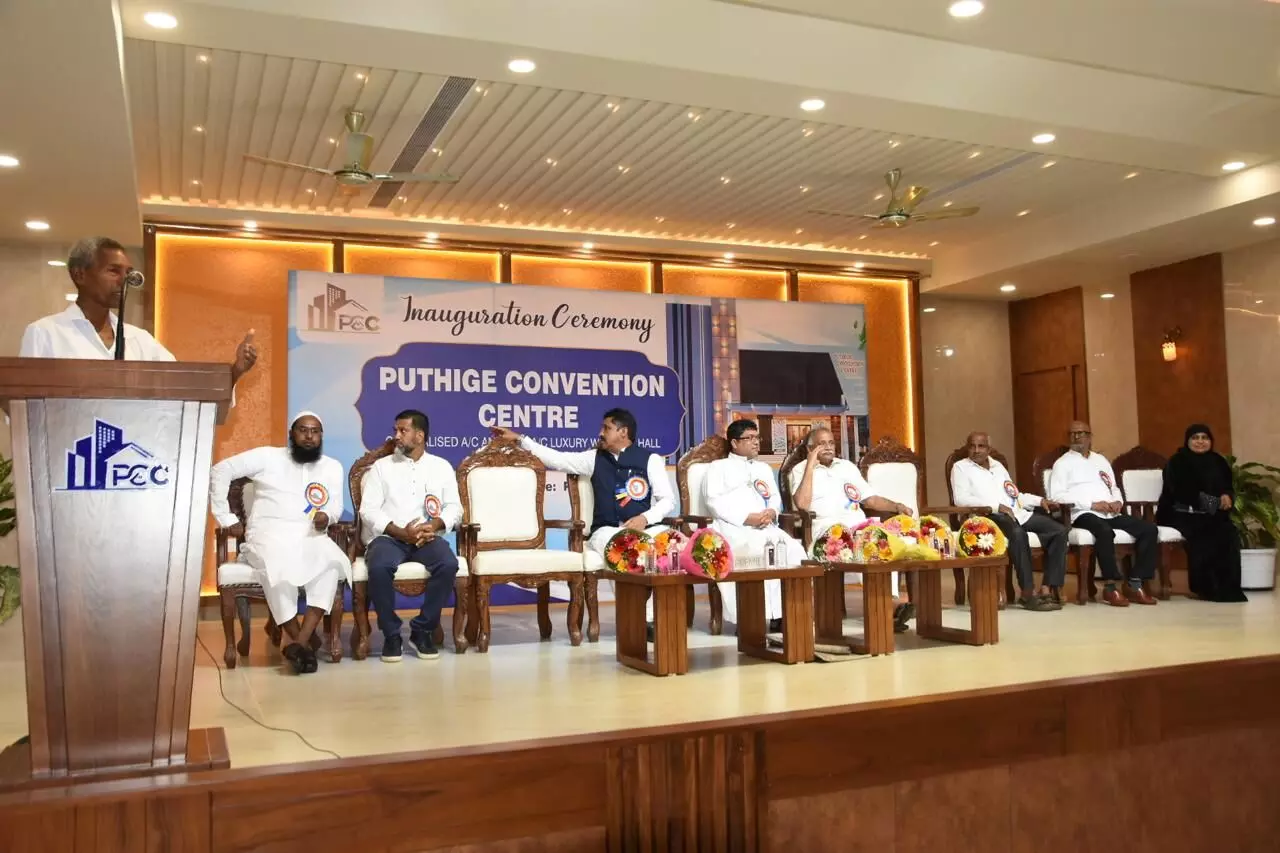
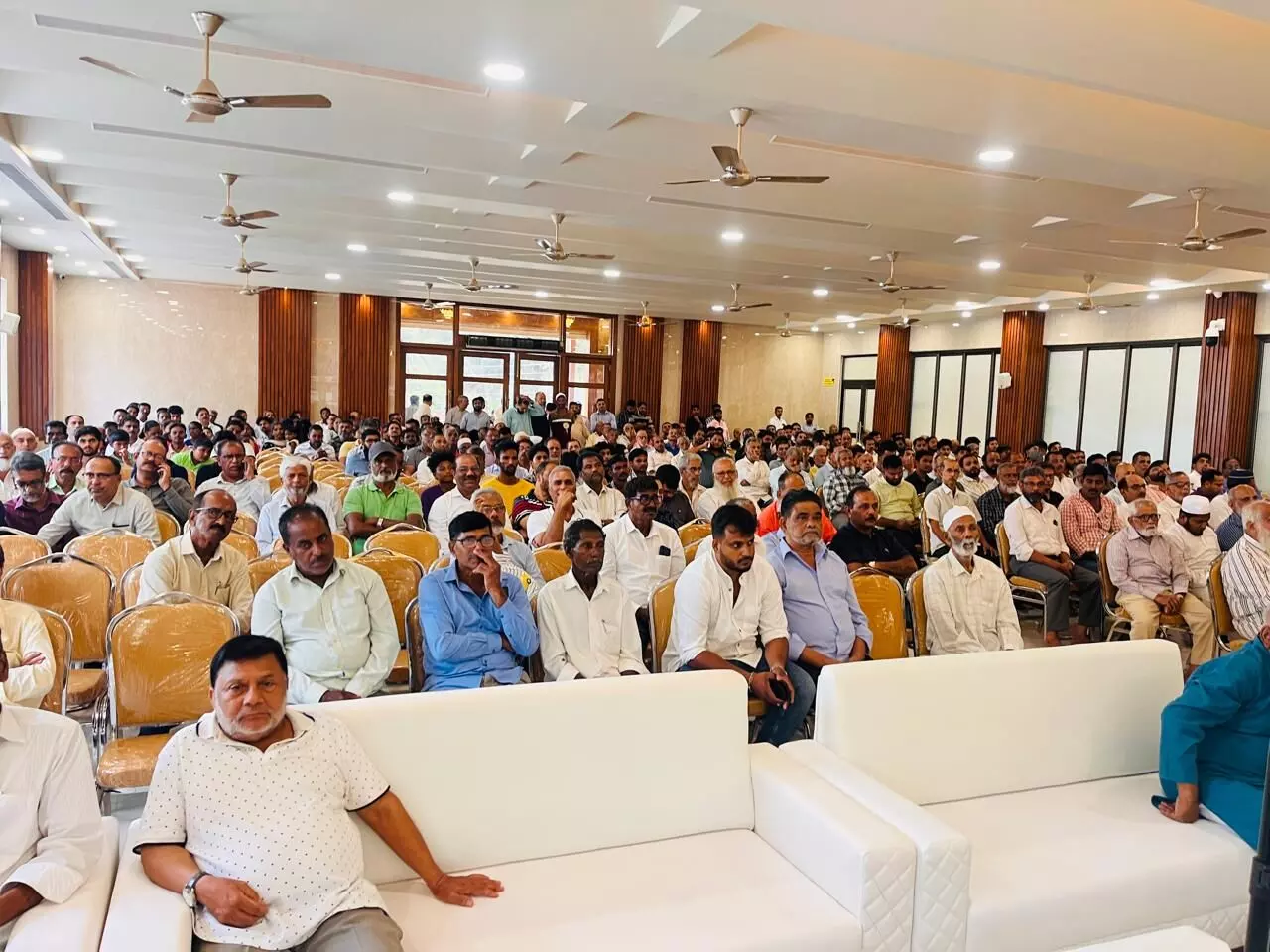
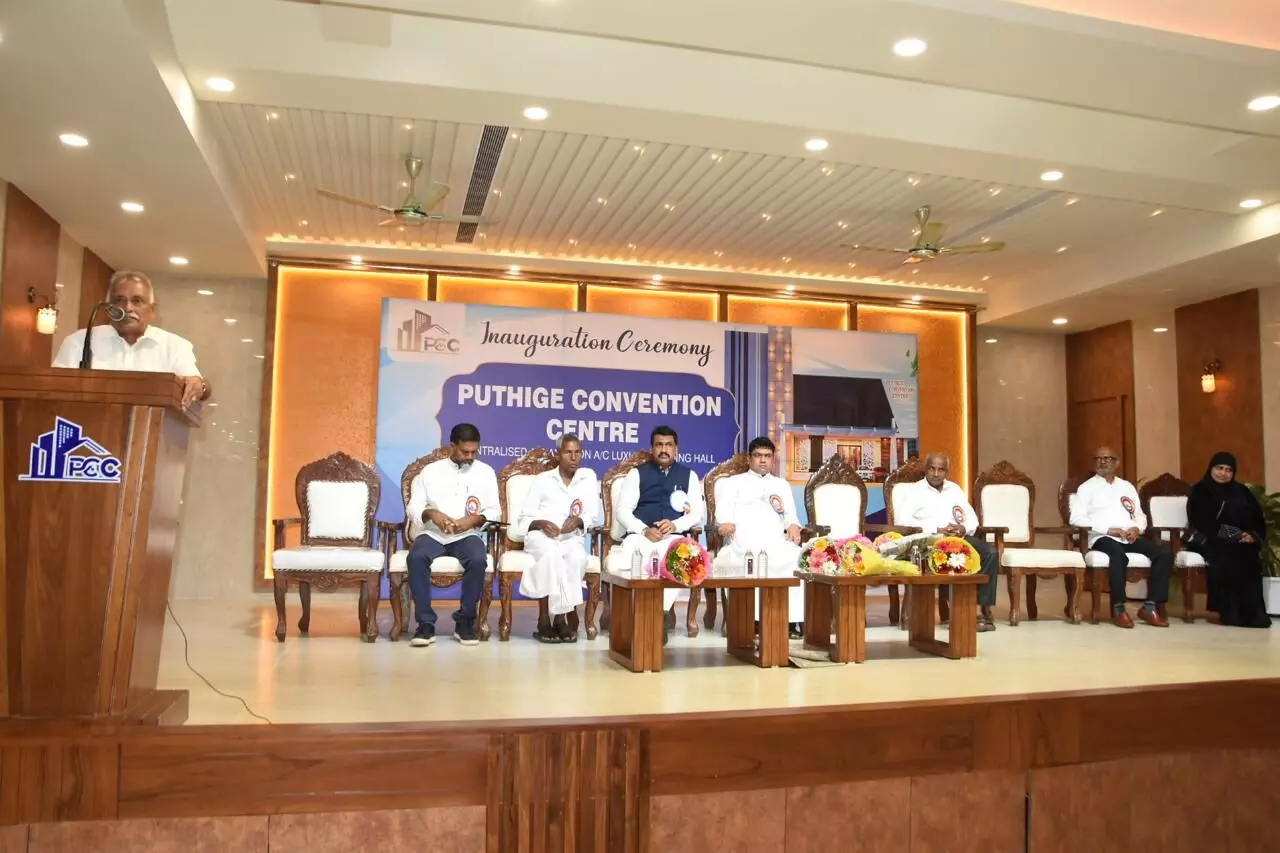
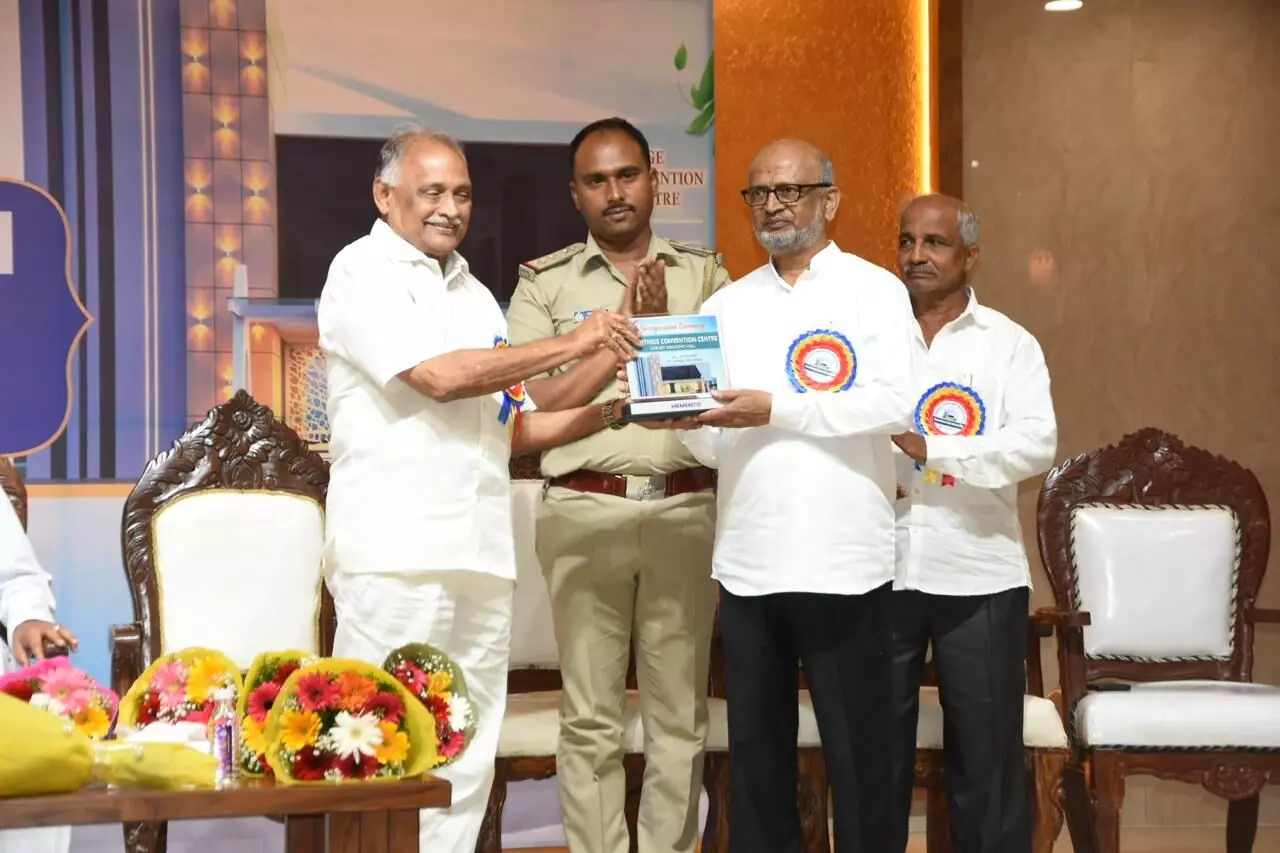
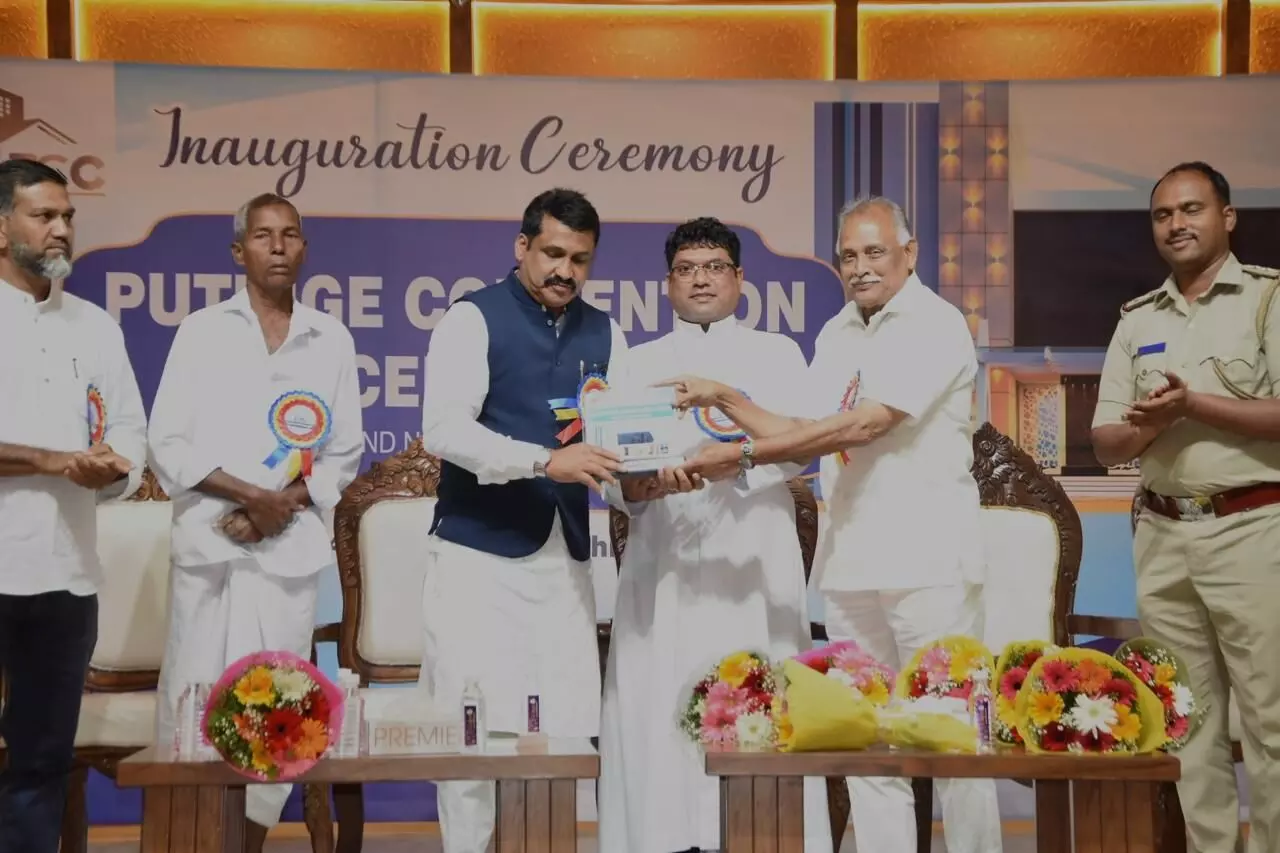
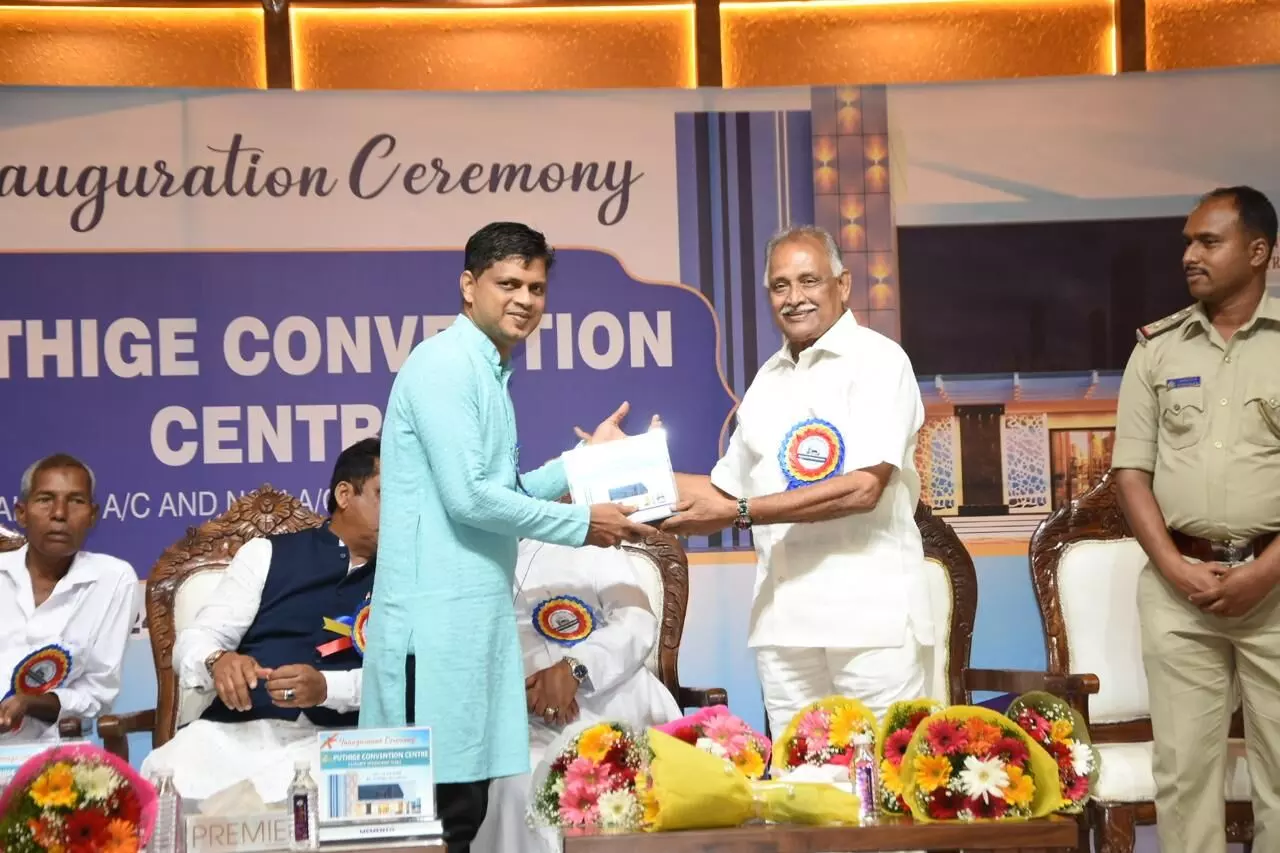
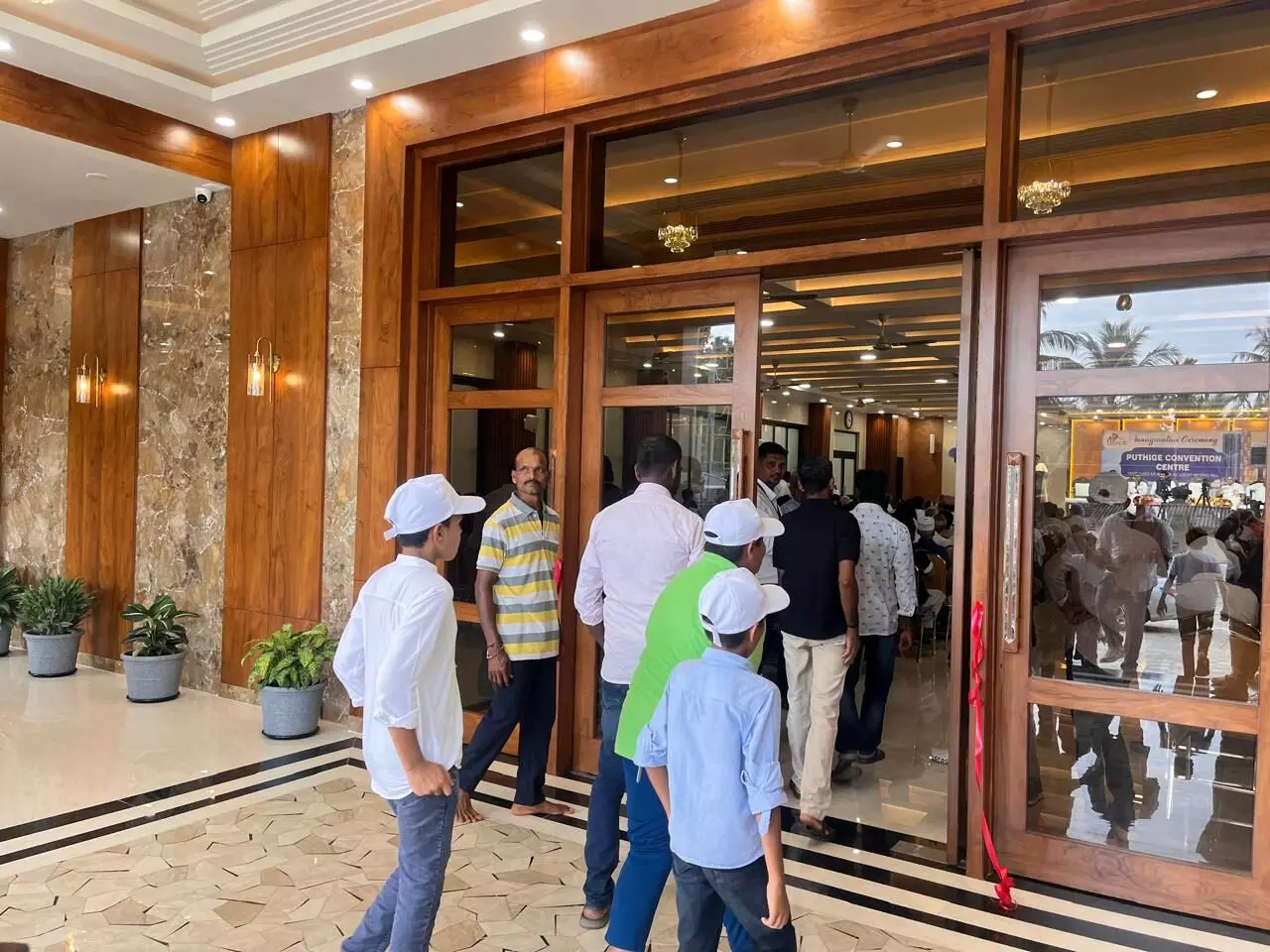
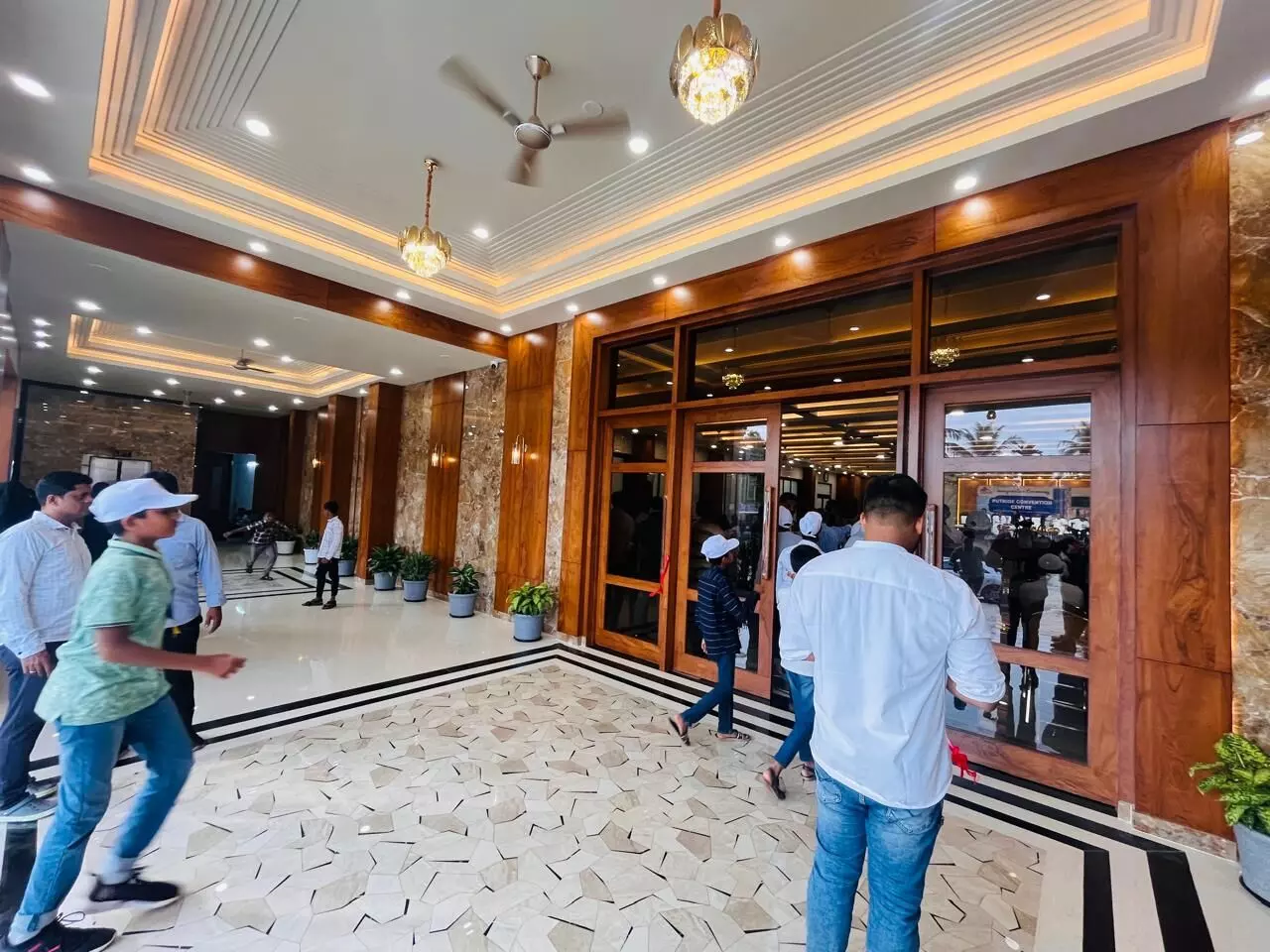
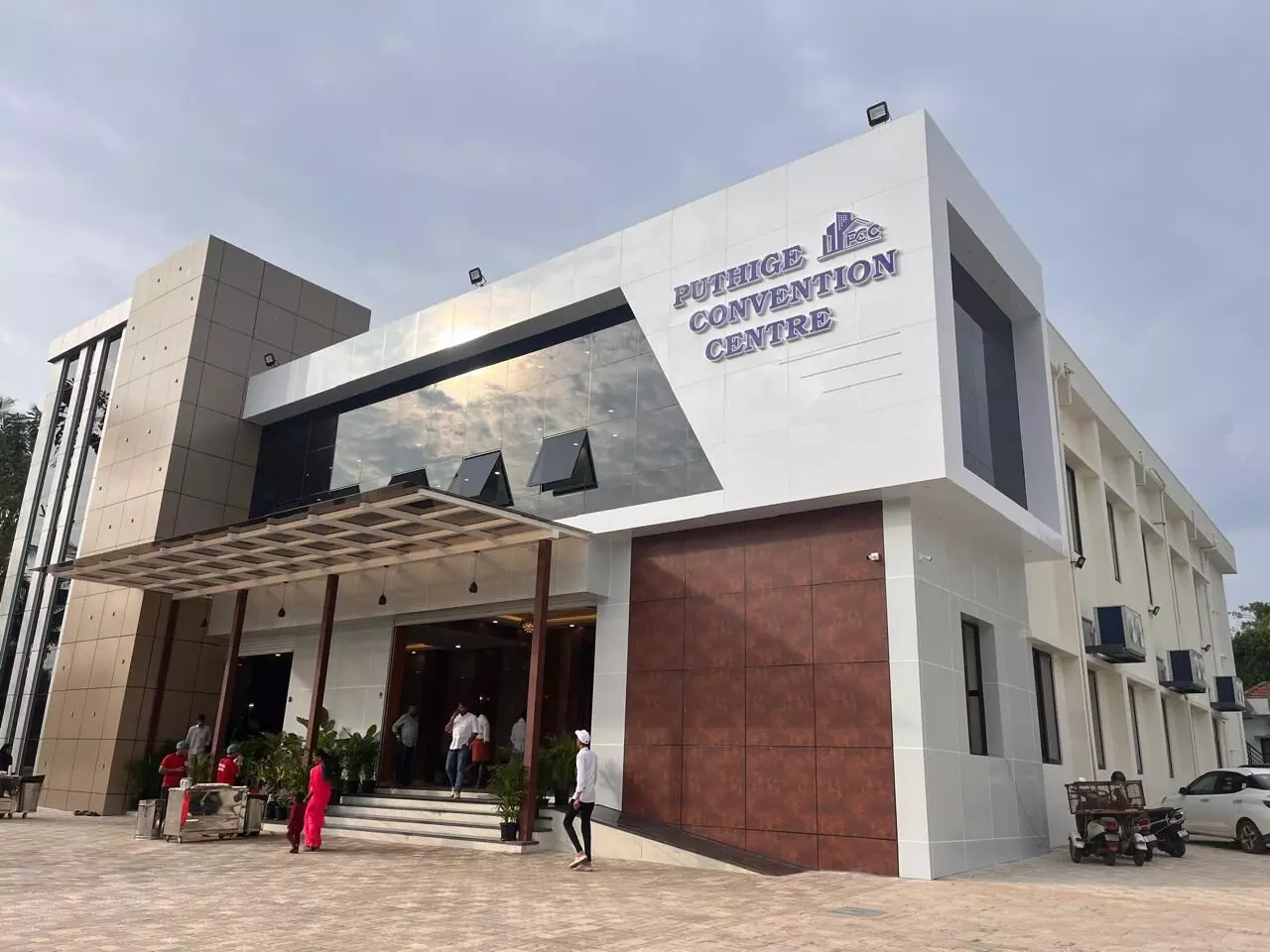
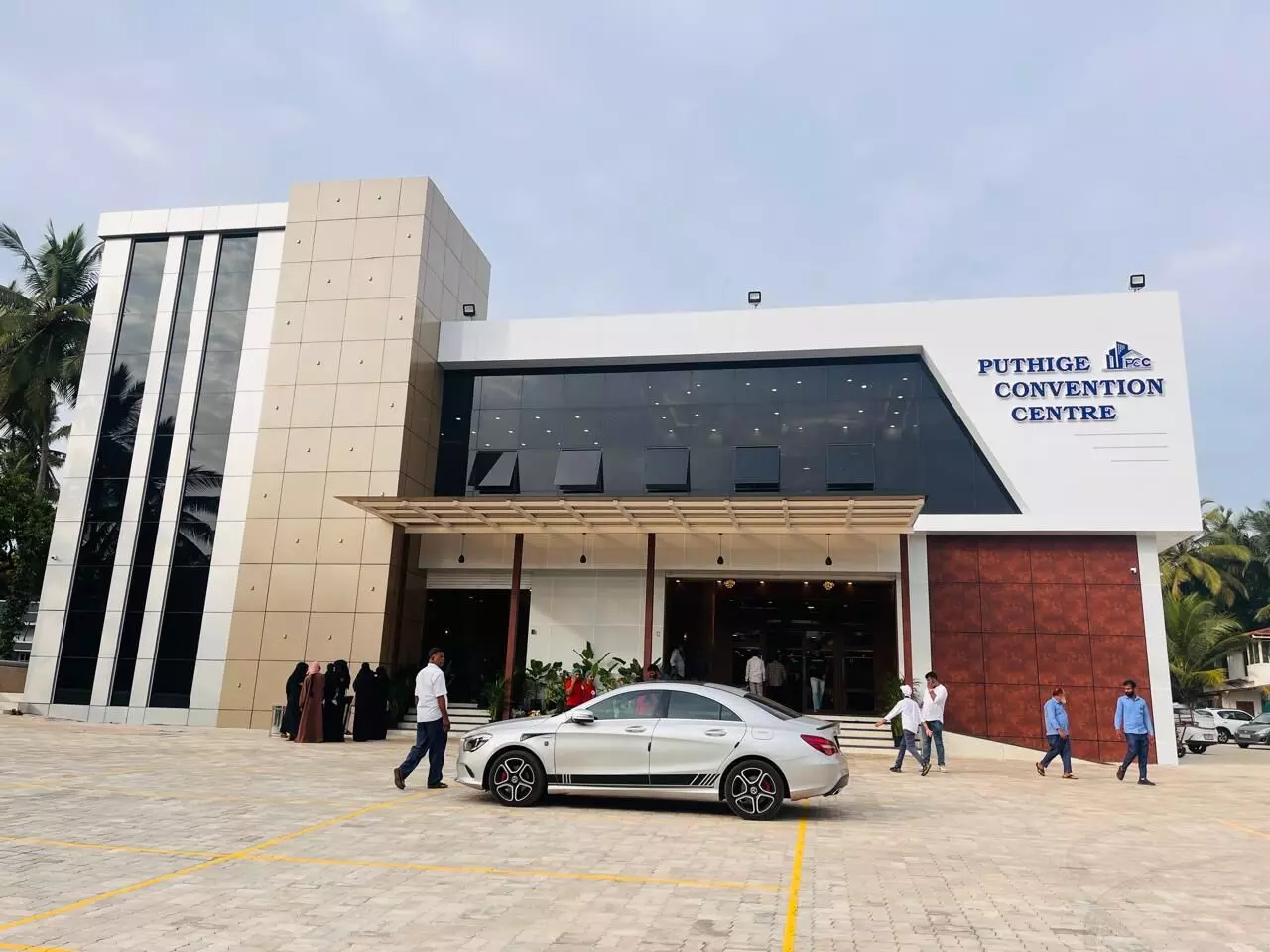
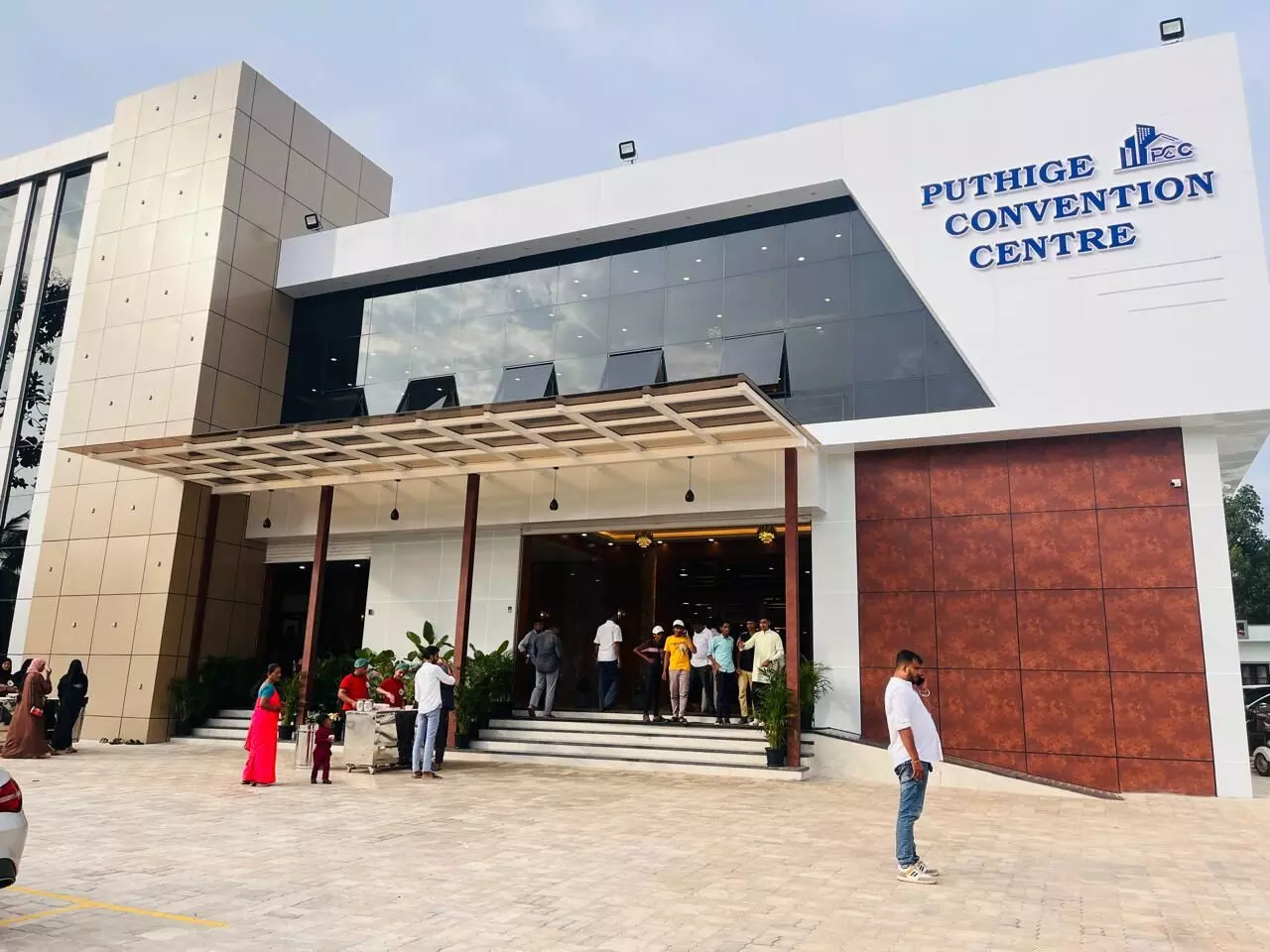
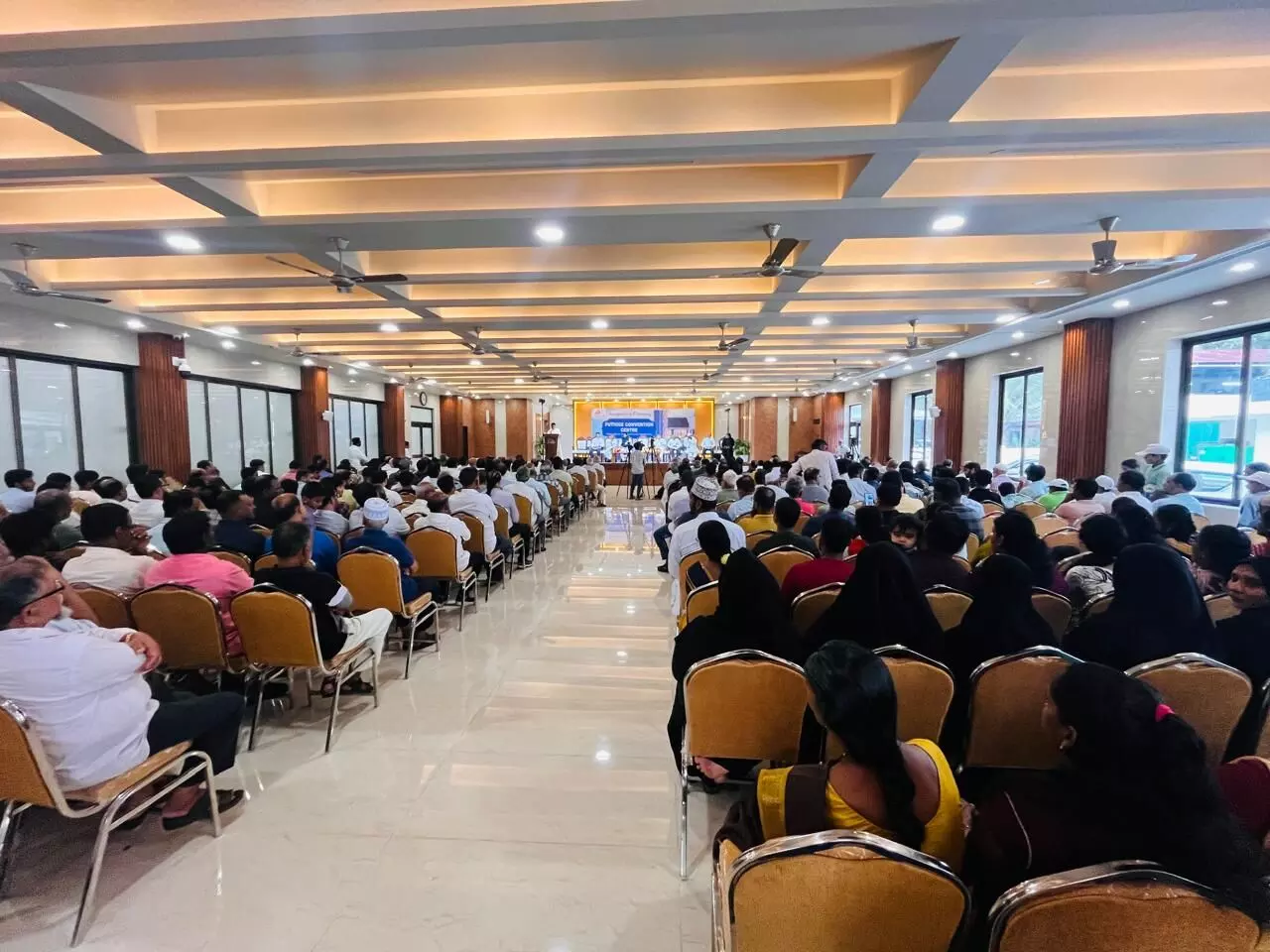
Moodbidri: The newly constructed Puthige Convention Center, built by the Puthige Kadalakere Noorani Masjid, was officially inaugurated on Thursday, December 12.
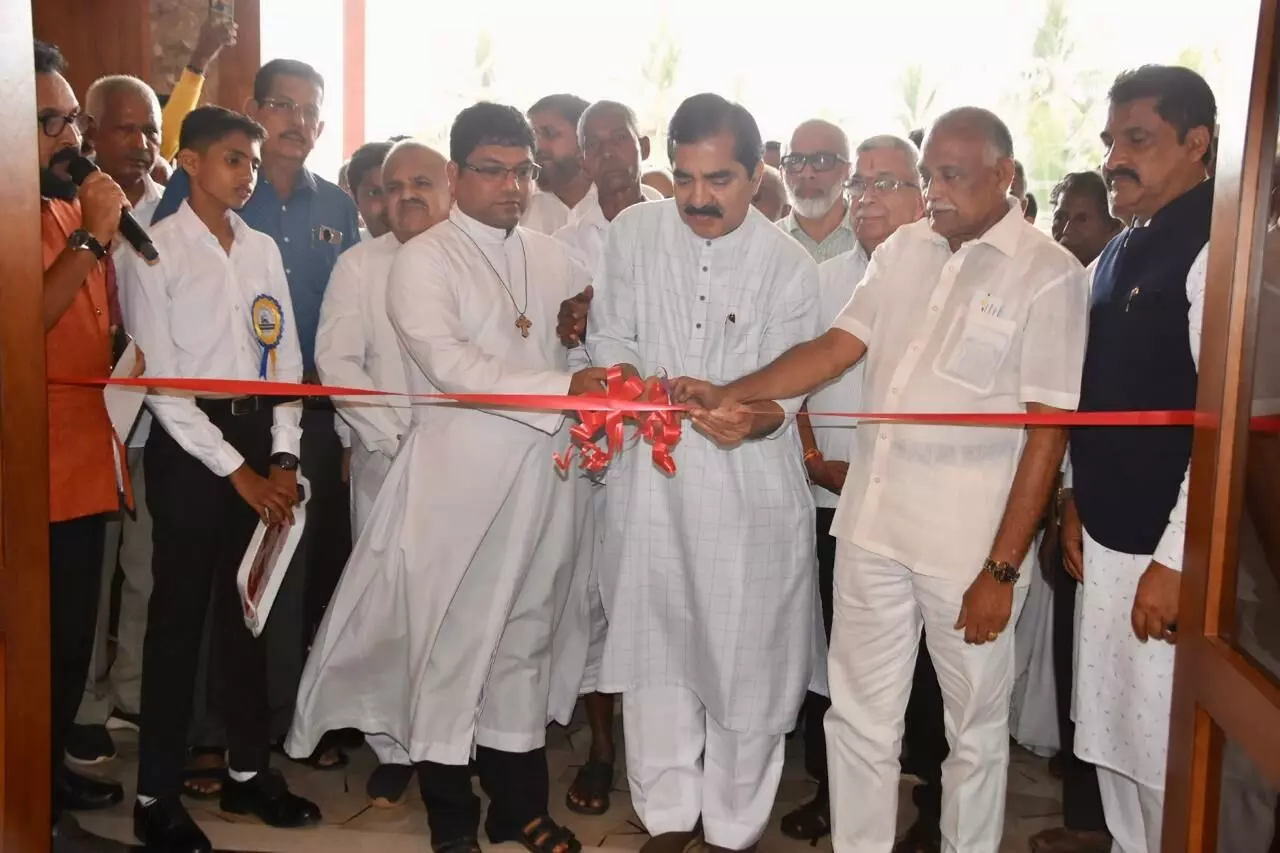
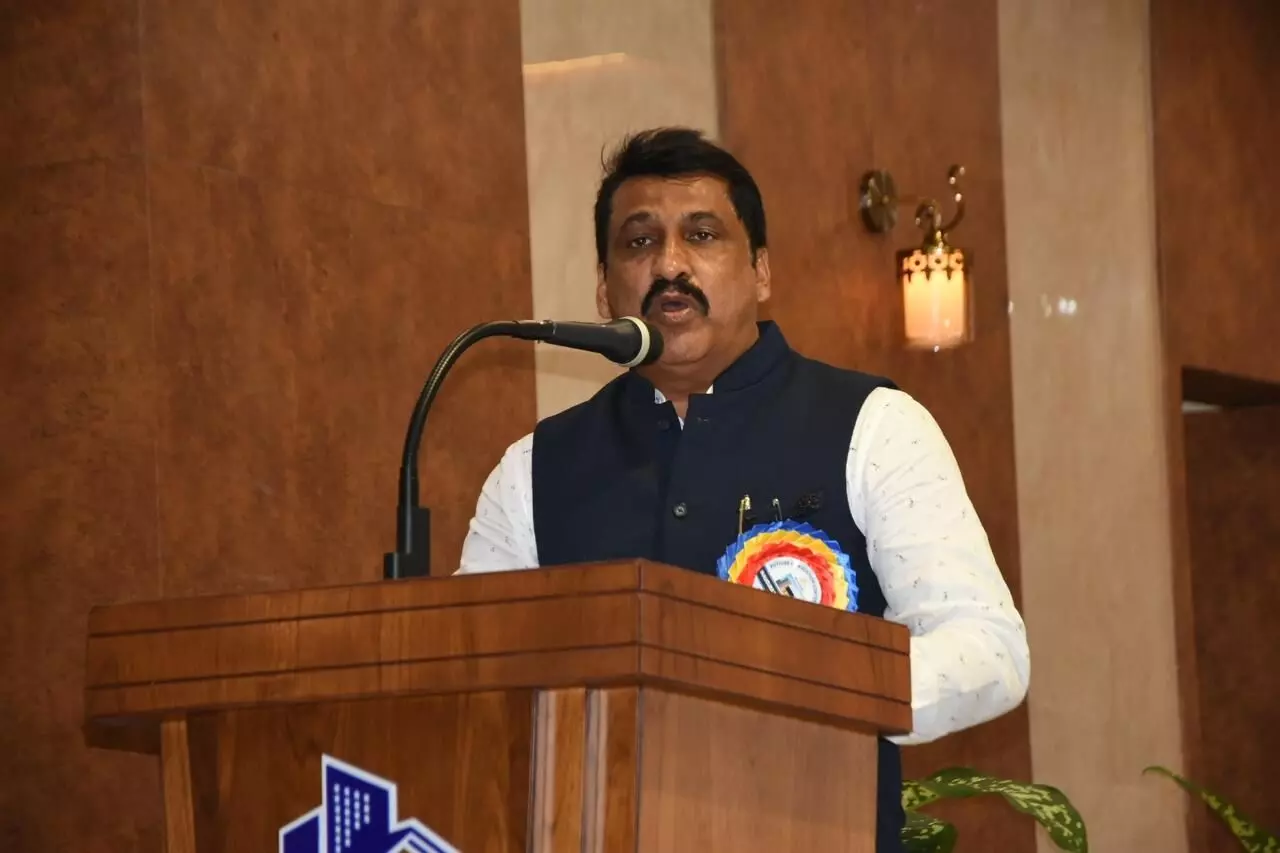
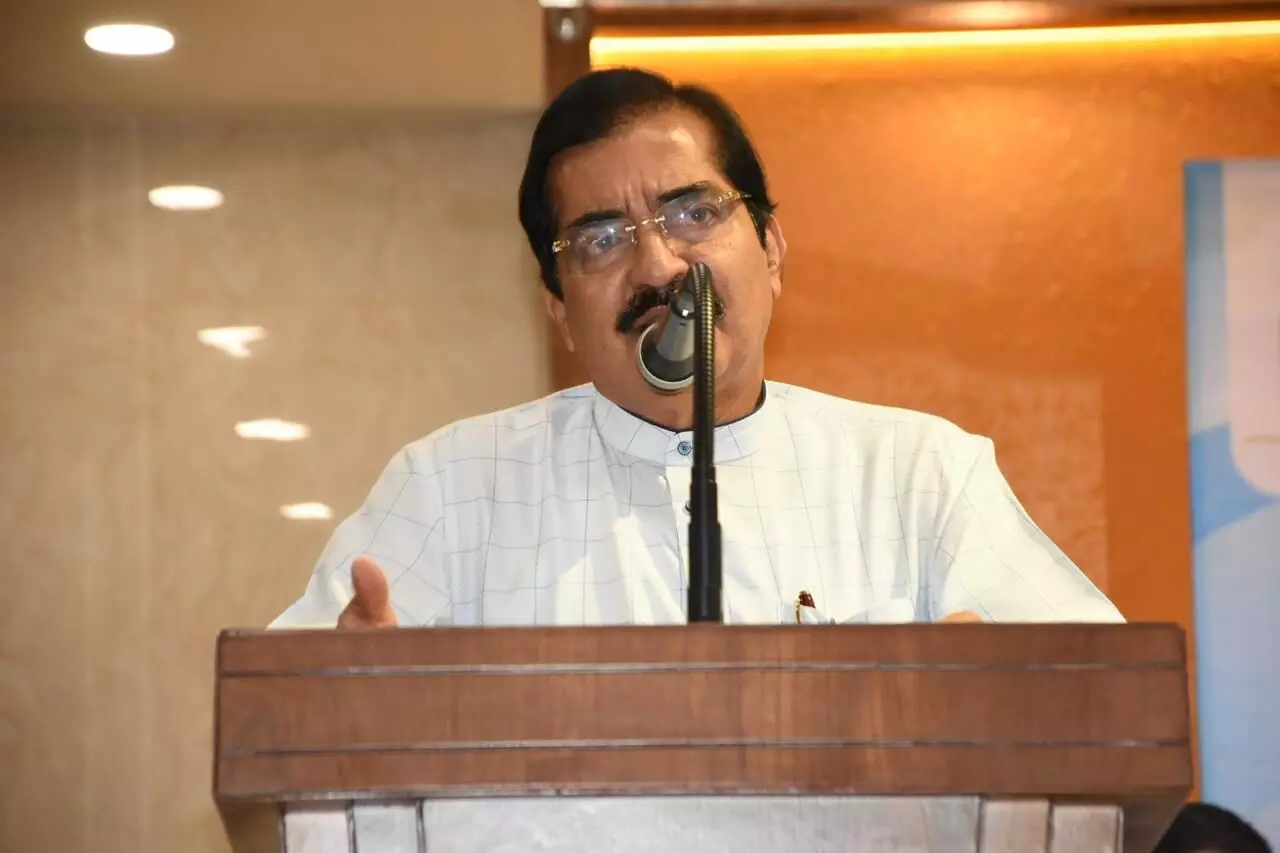
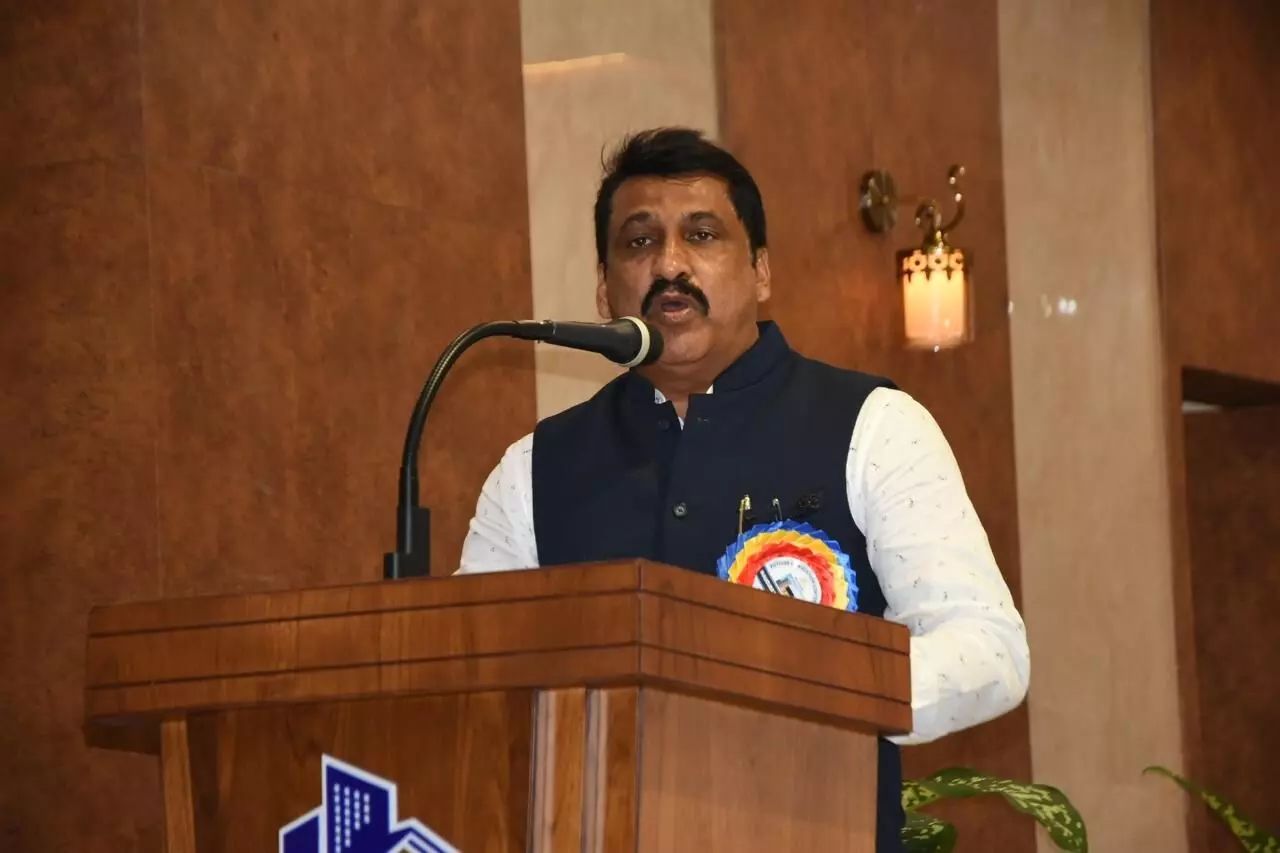
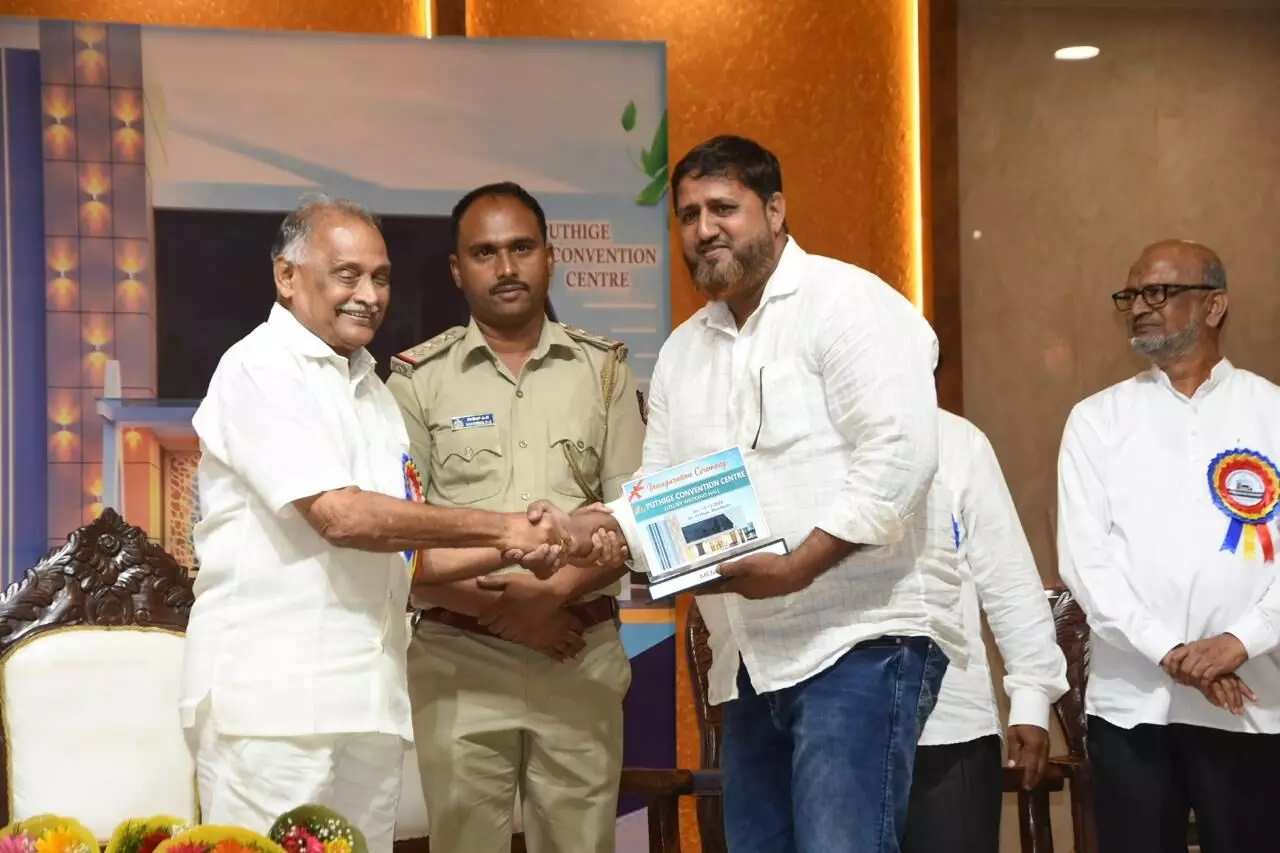
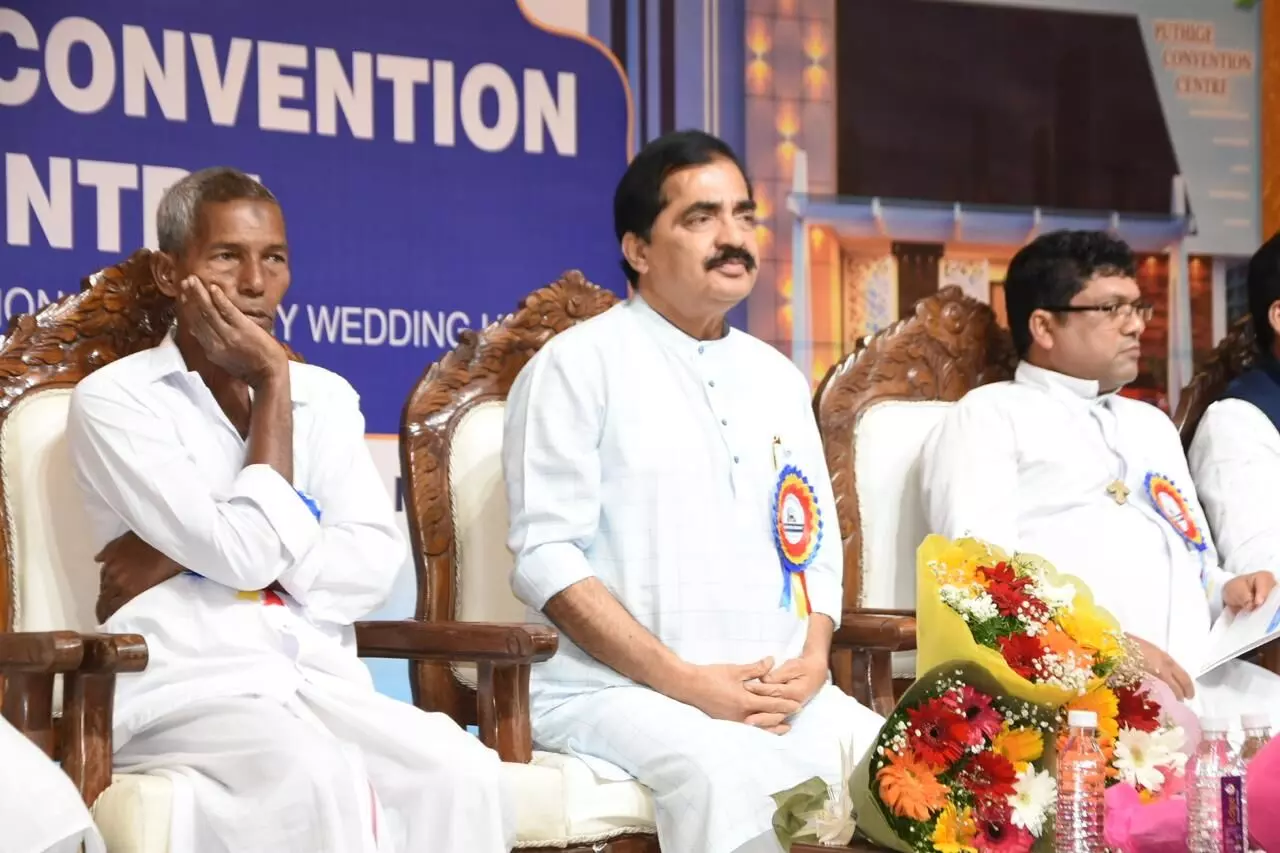
The convention center was inaugurated by Dr. M. Mohan Alva, President of Alva's Education Foundation. Speaking later, he said, "We are all fortunate to be born in this country. India is an ideal country in the world. Despite having the largest population, it is not limited to one caste, caste, religion, or language. Moodbidri is a land of harmony. It should continue like this."
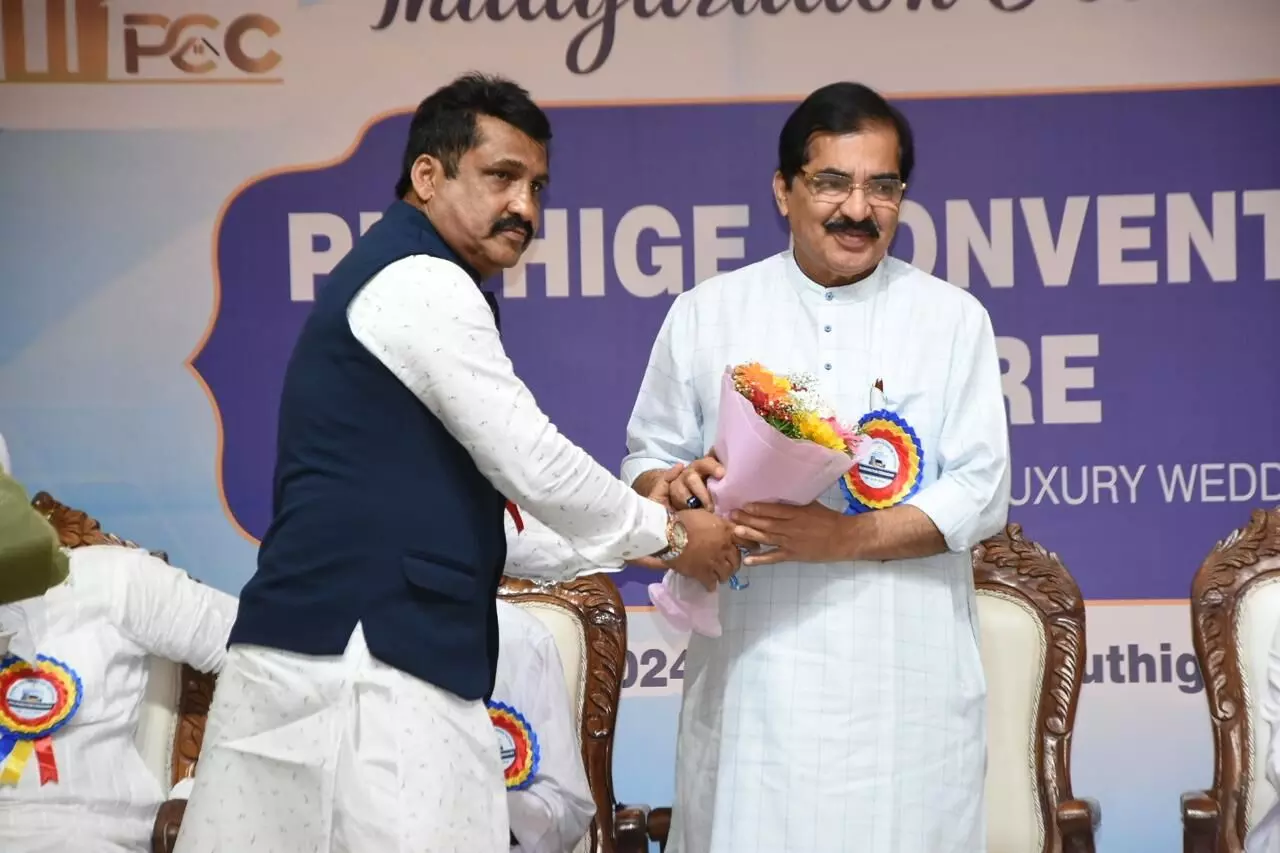
“We need to deeply understand the caste, religion, and language that our ancestors have created and incorporate them into our lives. It is possible to live as a human being only if we have culture. It is a sign of harmony to fully understand one's own caste and religion and to view other castes and religions with respect and brotherhood,” added Alva.
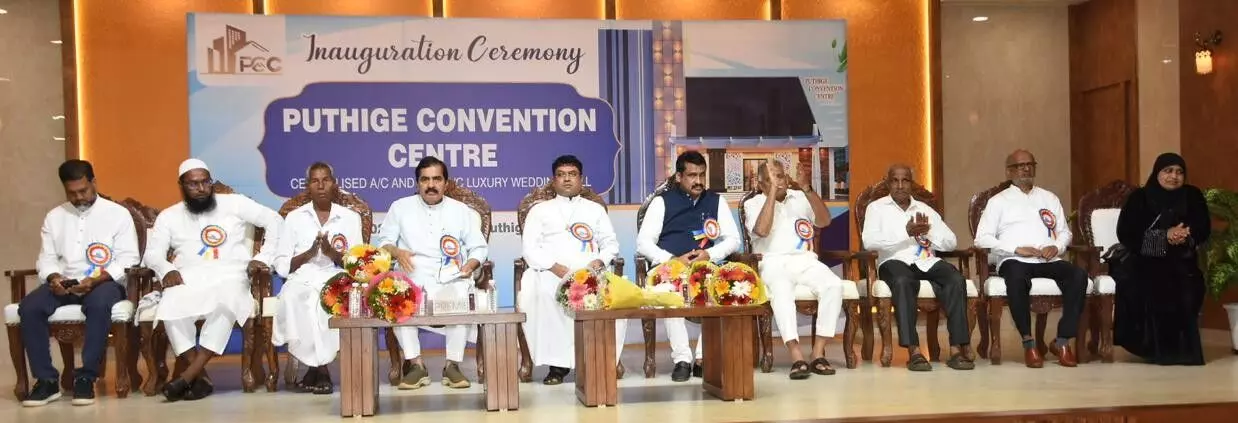
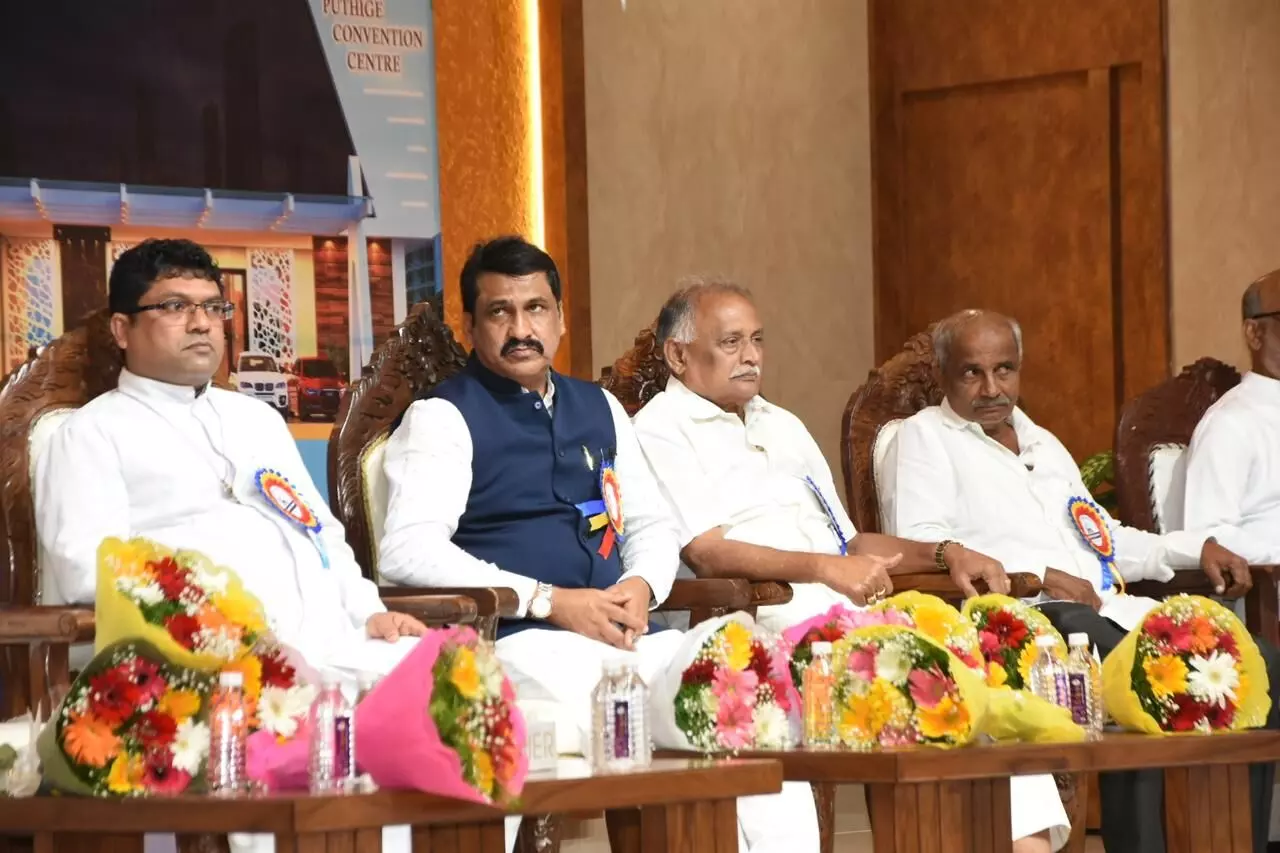
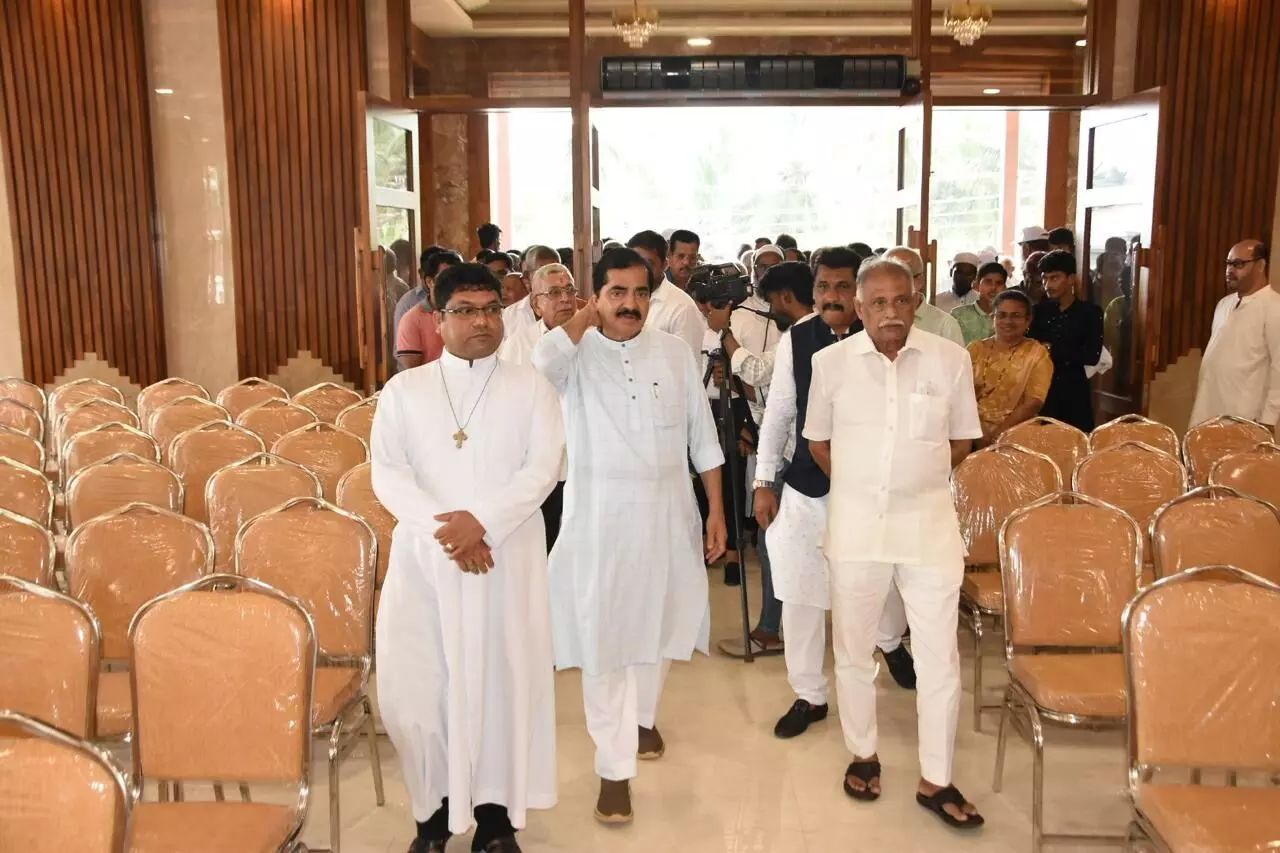
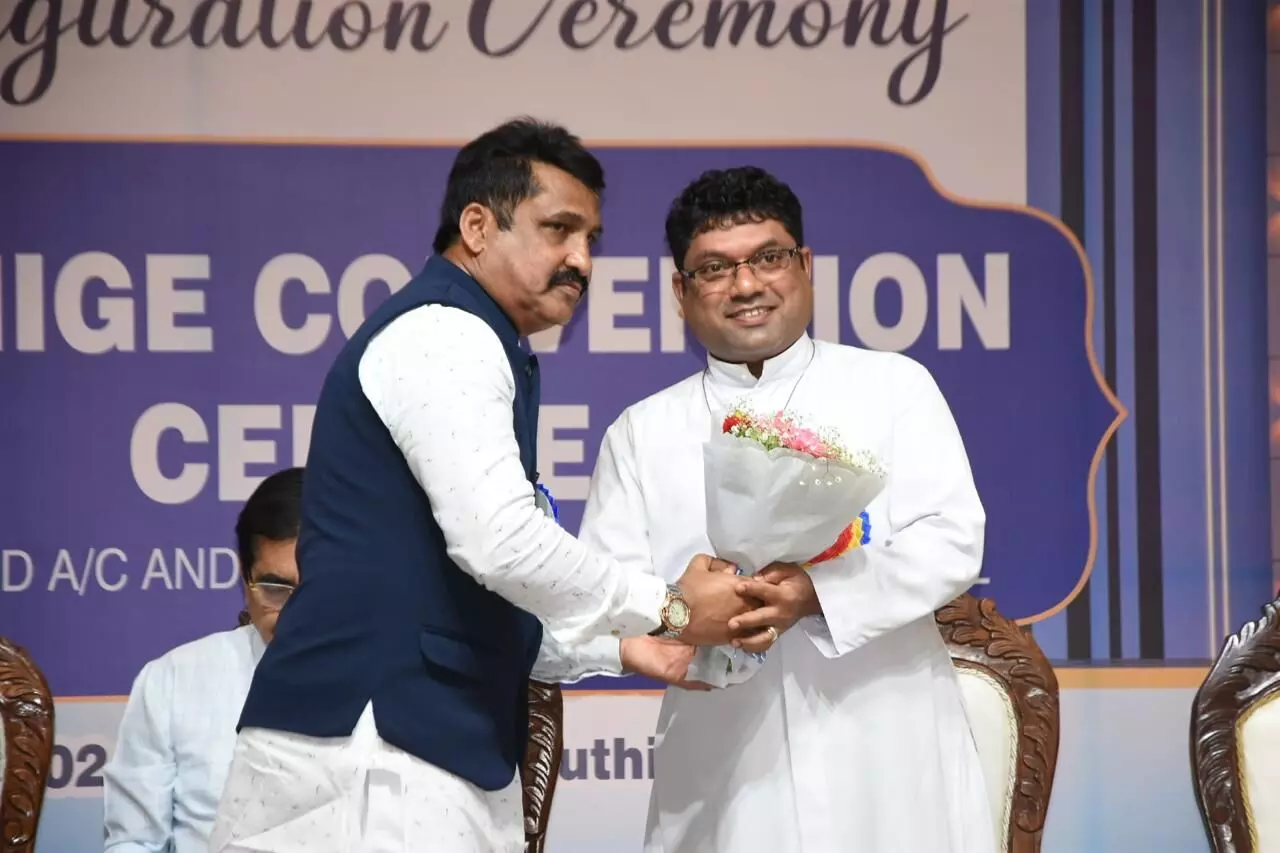
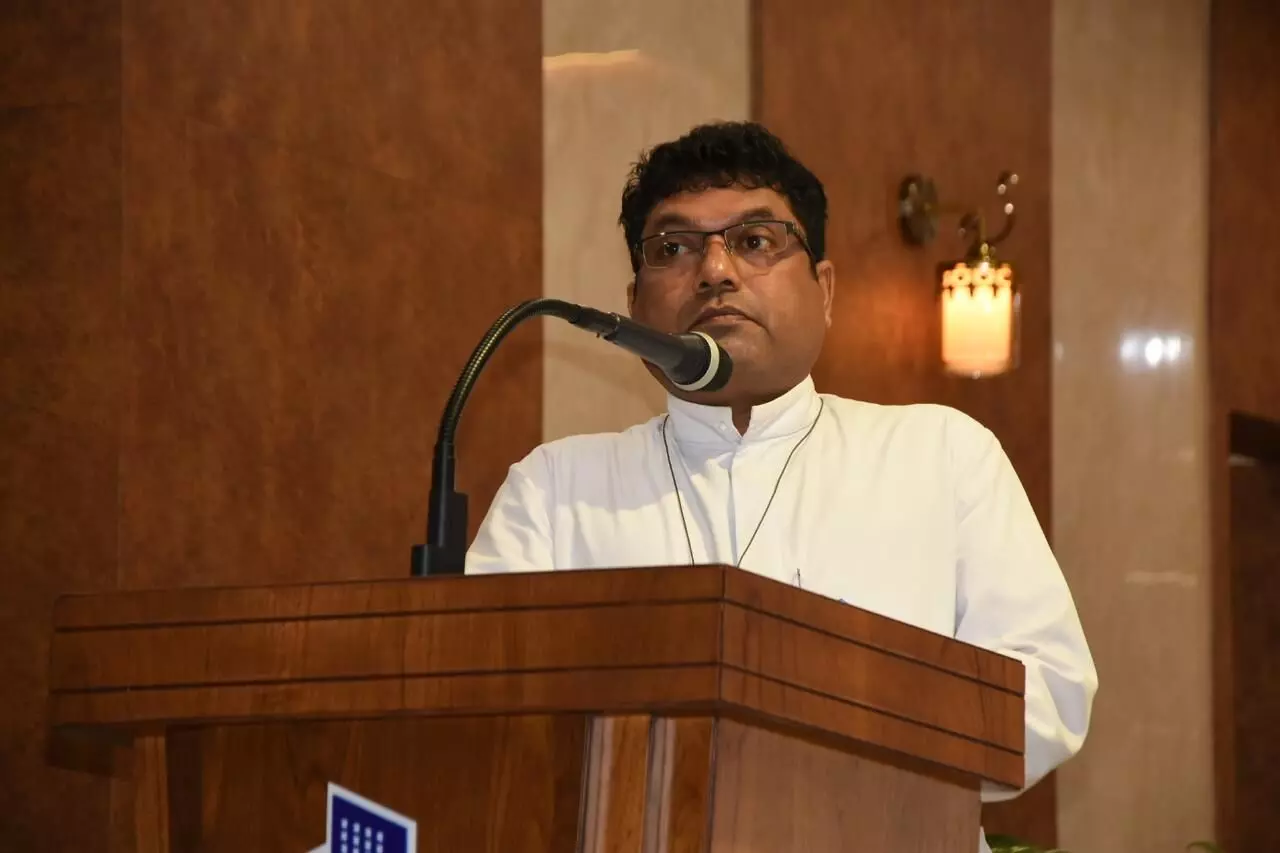
Rev. Fr. Melwyn Noronha, Parish Priest of Holy Rosary Church, Alangar, who graced the event as the chief guest, said that Moodbidri is still a place full of harmony. The Noorani Masjid here is a symbol of harmony and the programs that everyone is doing together, setting aside the barriers of caste and religion.
Abul Ala Puthige, President of Puthige Noorani Masjid, who presided over the ceremony, said that the true picture of harmony is evident in the program held at the inauguration of Puthige Convention Center. He said, “This is the specialty of our Moodbidri.”
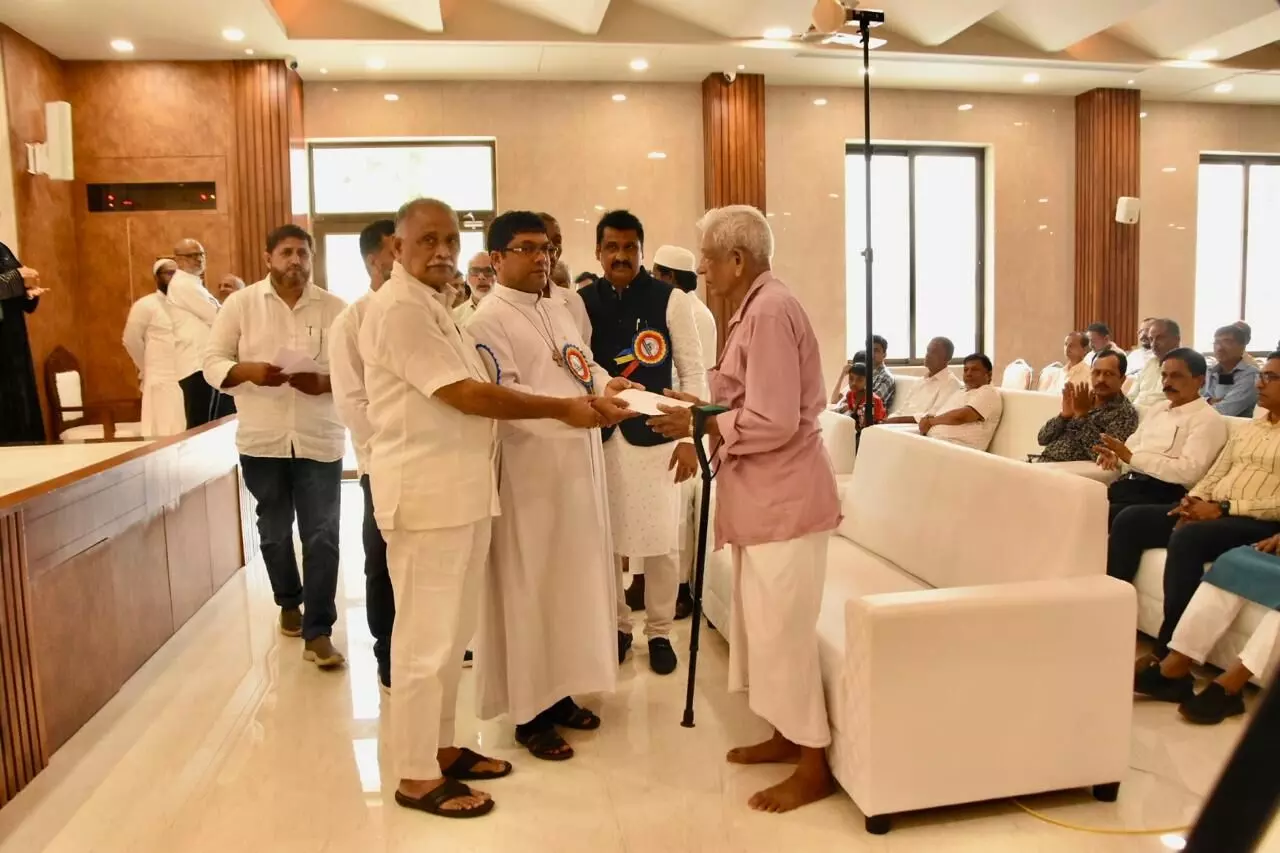
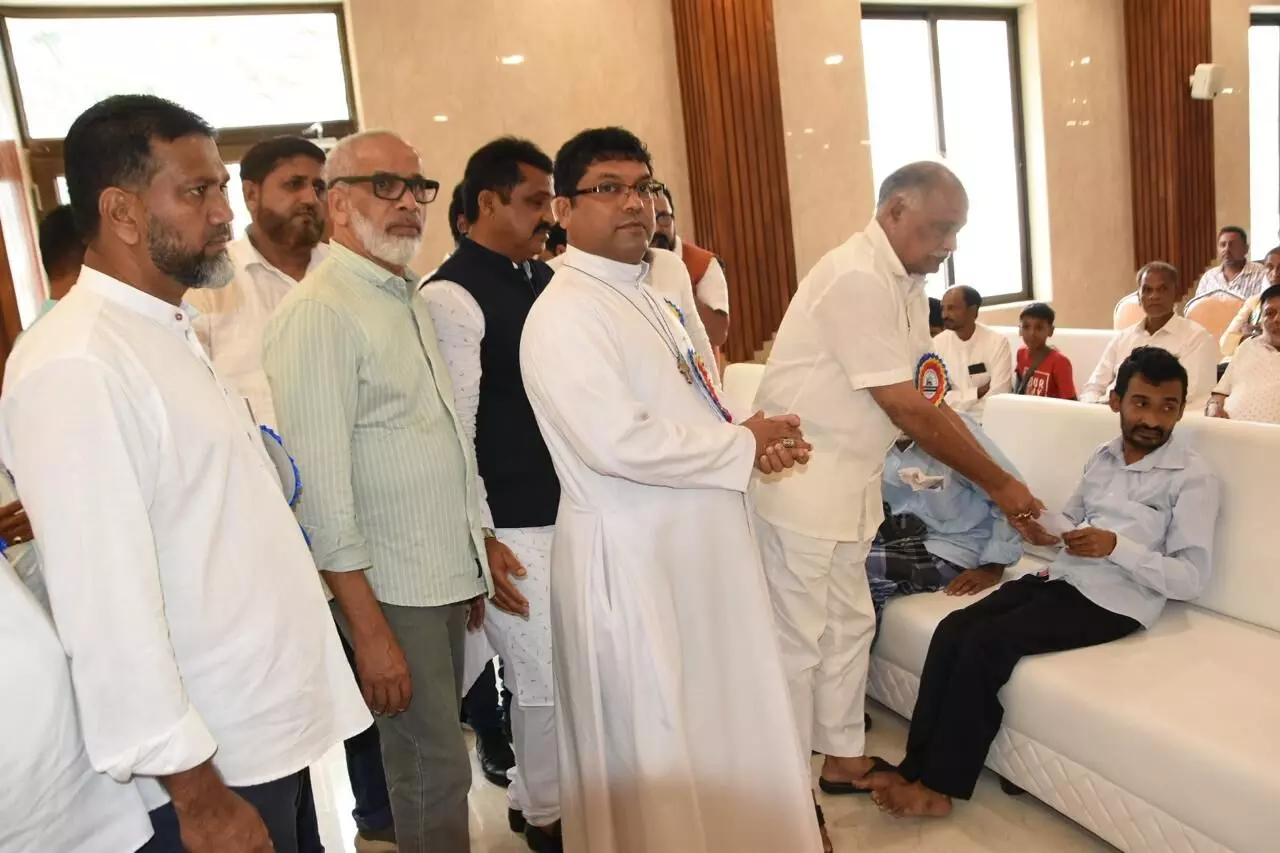
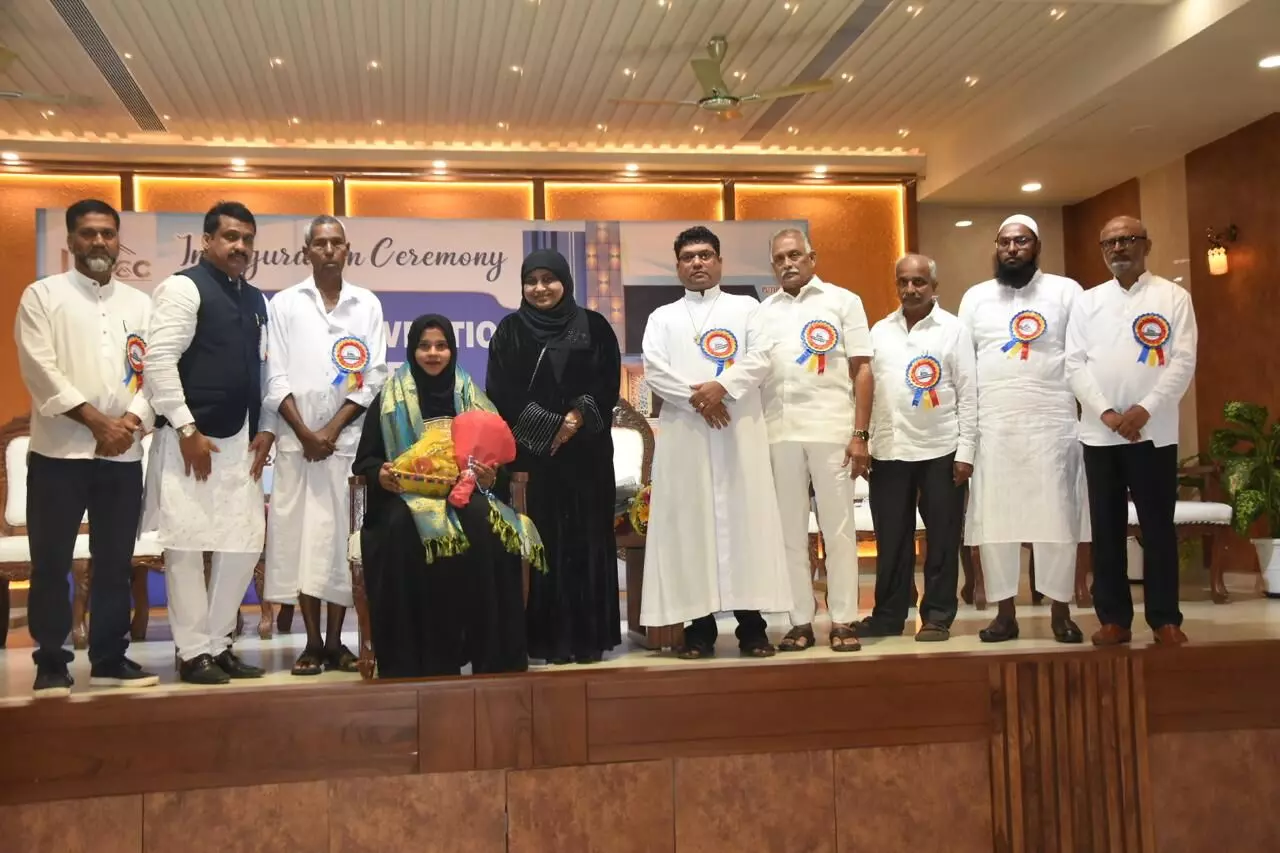
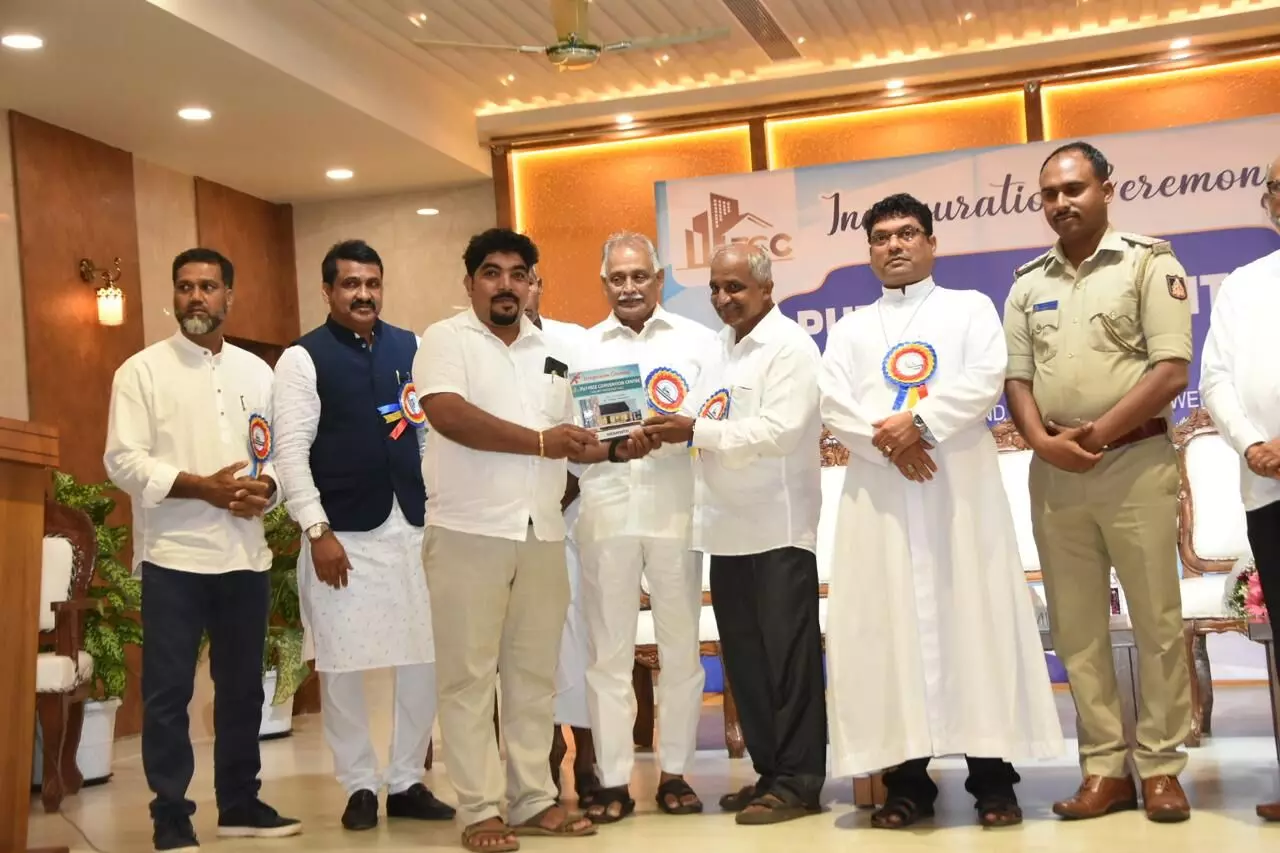
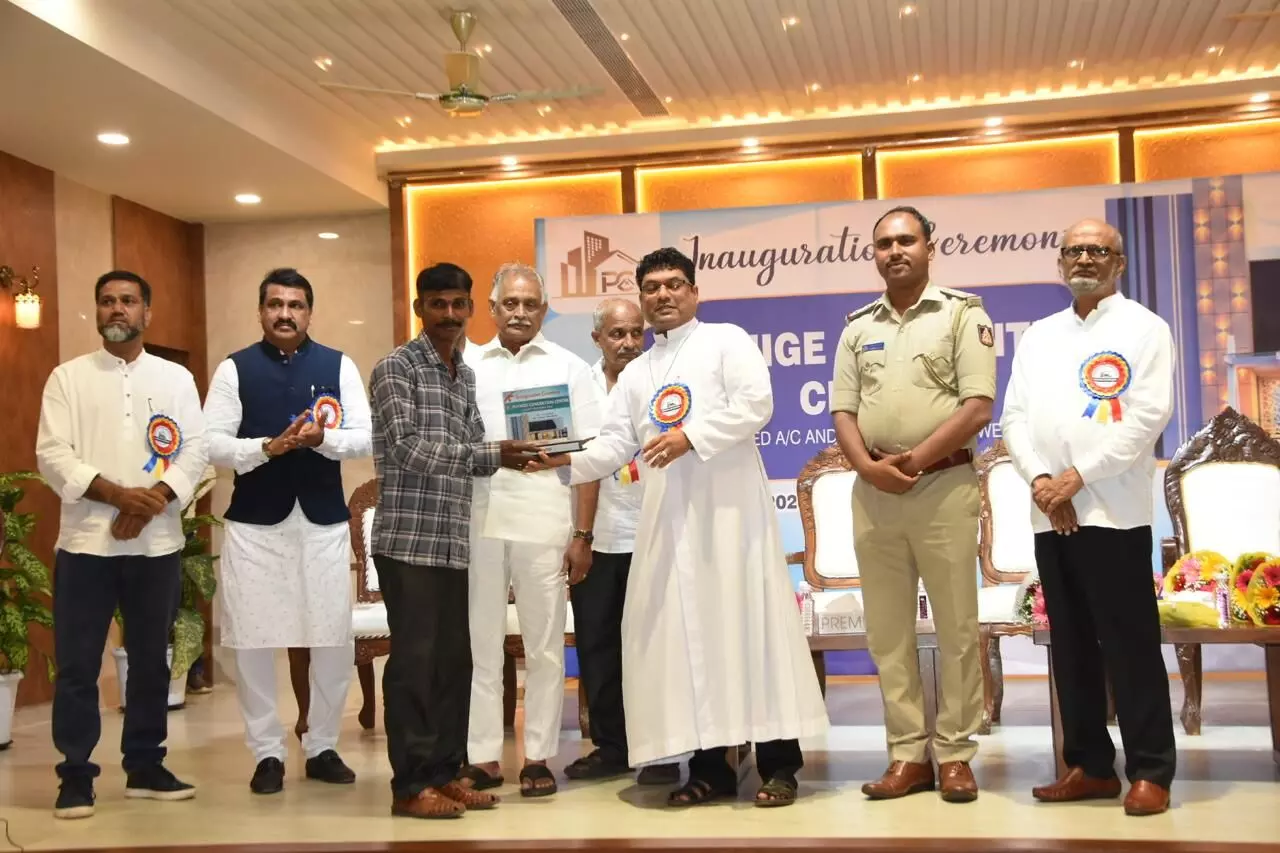
The ceremony included the distribution of financial assistance to over 10 families from various religions who are struggling with ill health and financial difficulties. Several individuals, including sportsperson Amrin, health worker Vimala K., academic workers Riza Sheikh Riaz, Aisha Amna Sheikh, Riya Rafique, and businesswoman Nazma, were felicitated for their contributions.
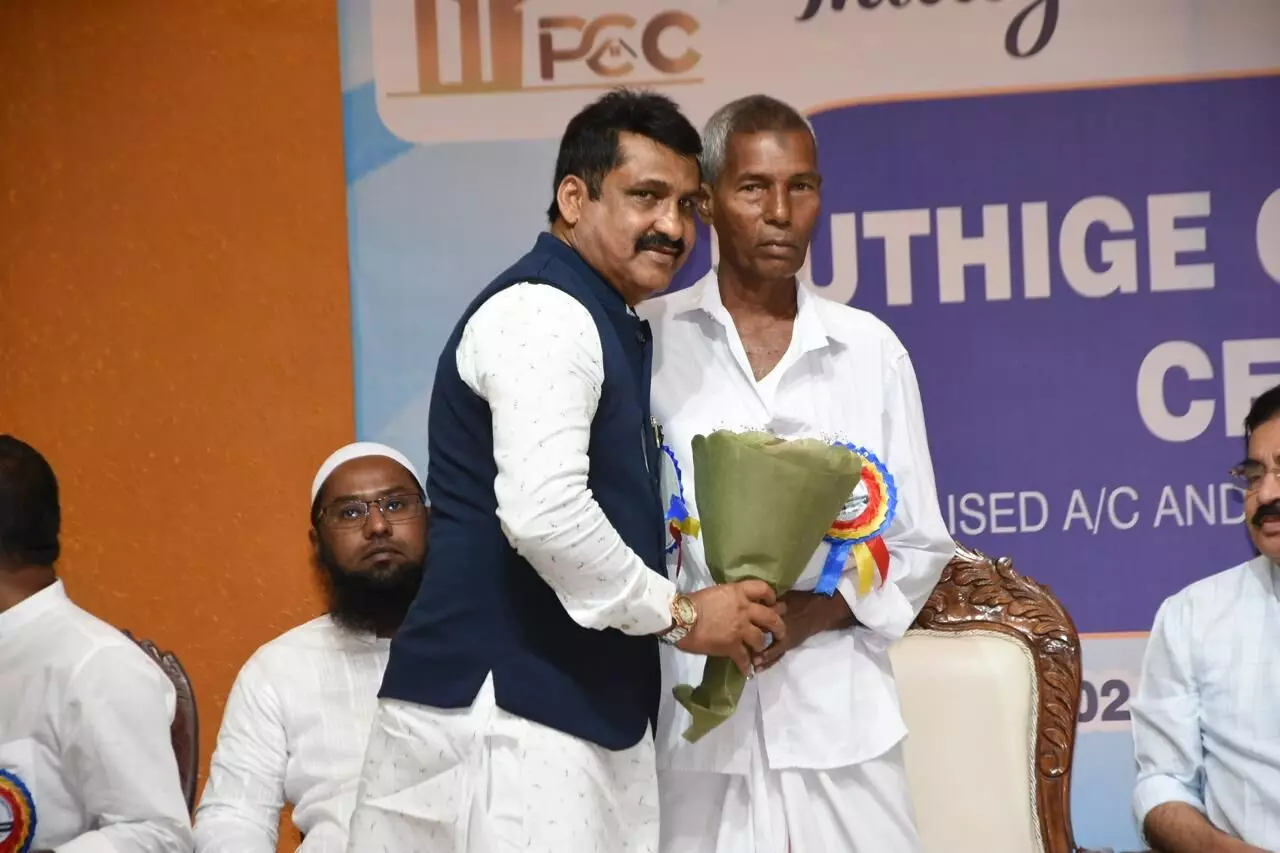
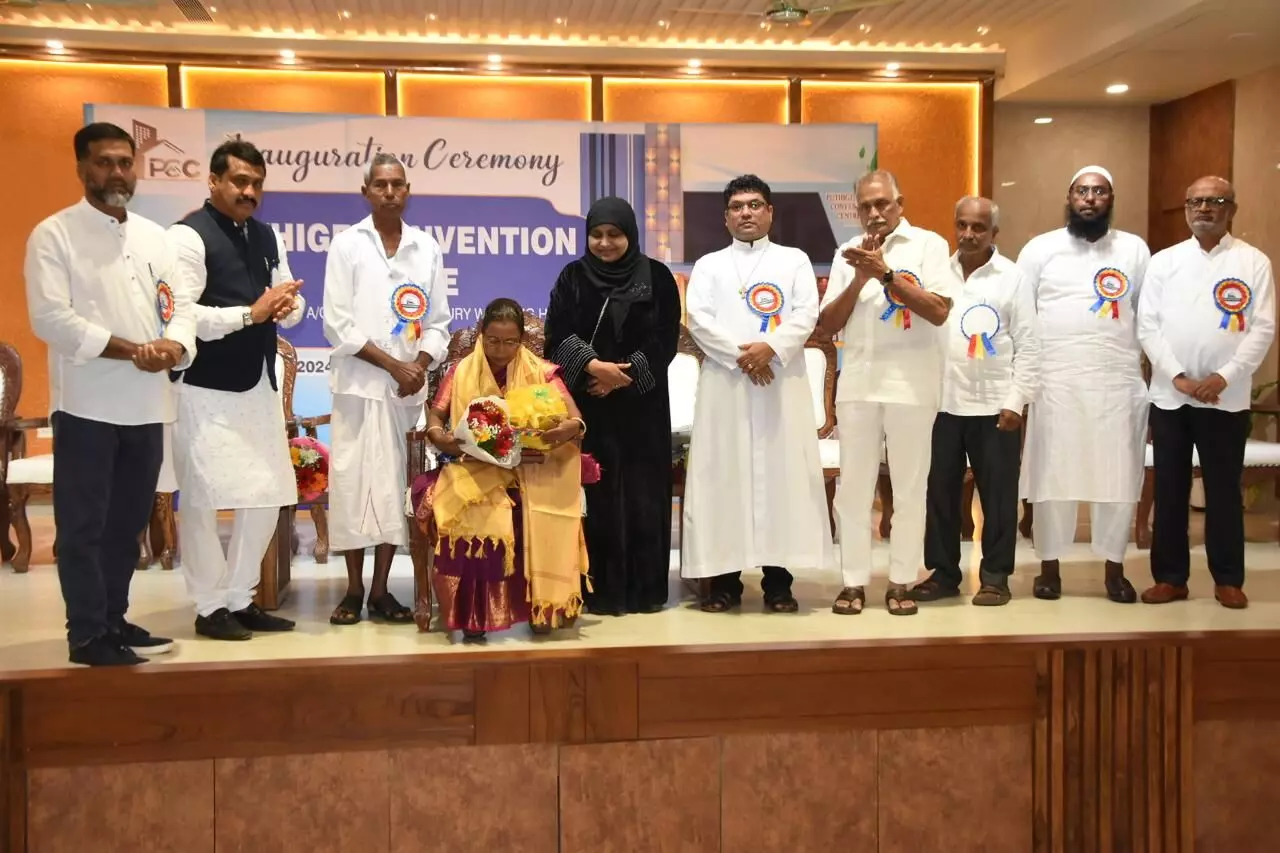
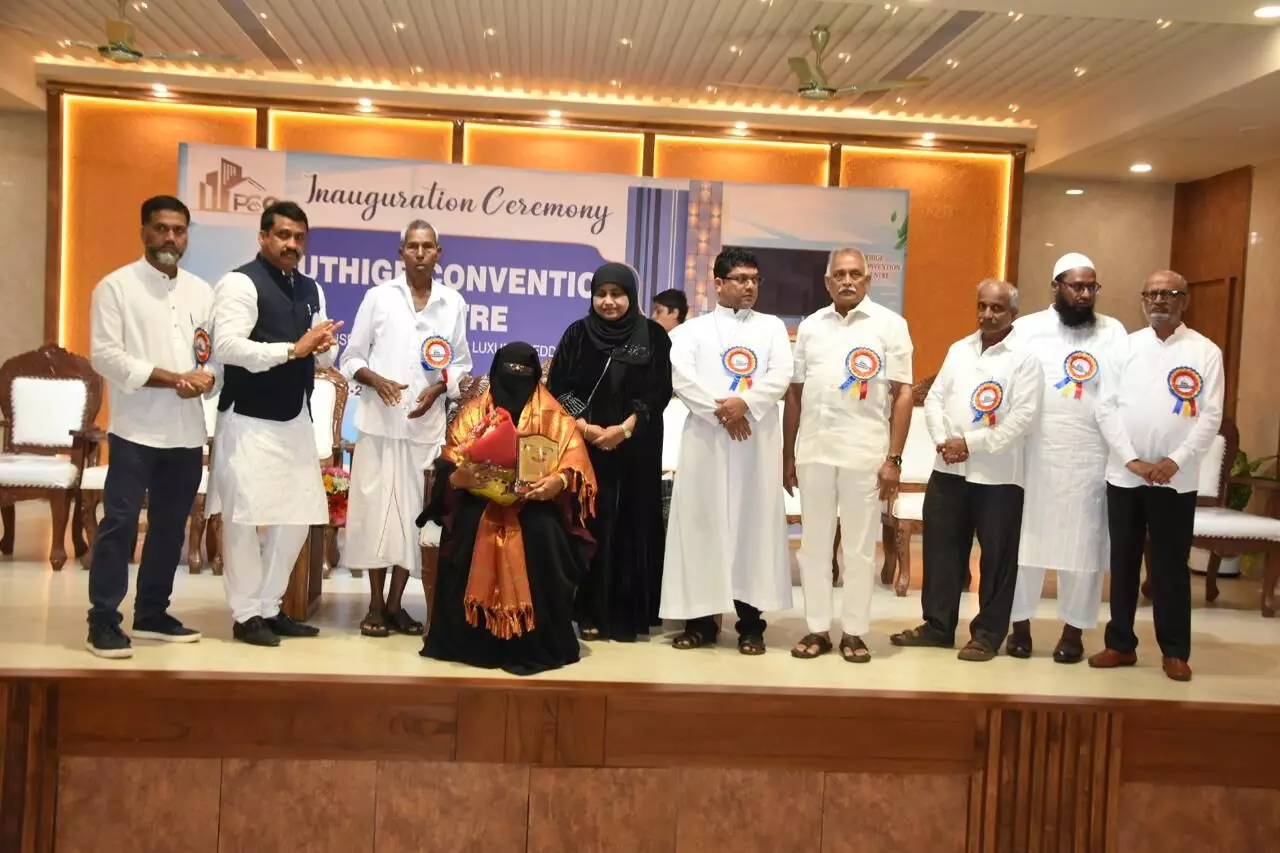
On this occasion, Padma Shri Harekala Hajabba was felicitated by Puthige Convention Center and Noorani Welfare Trust.
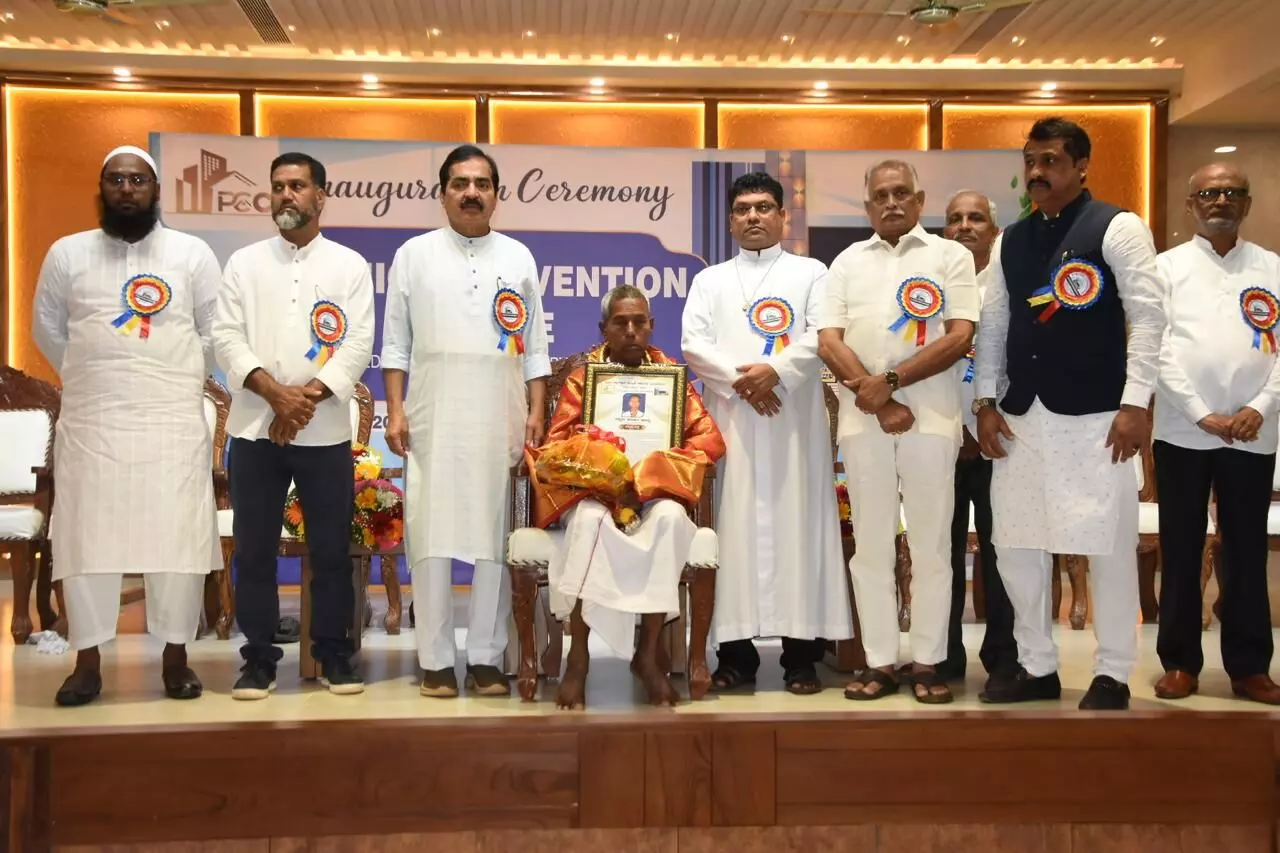
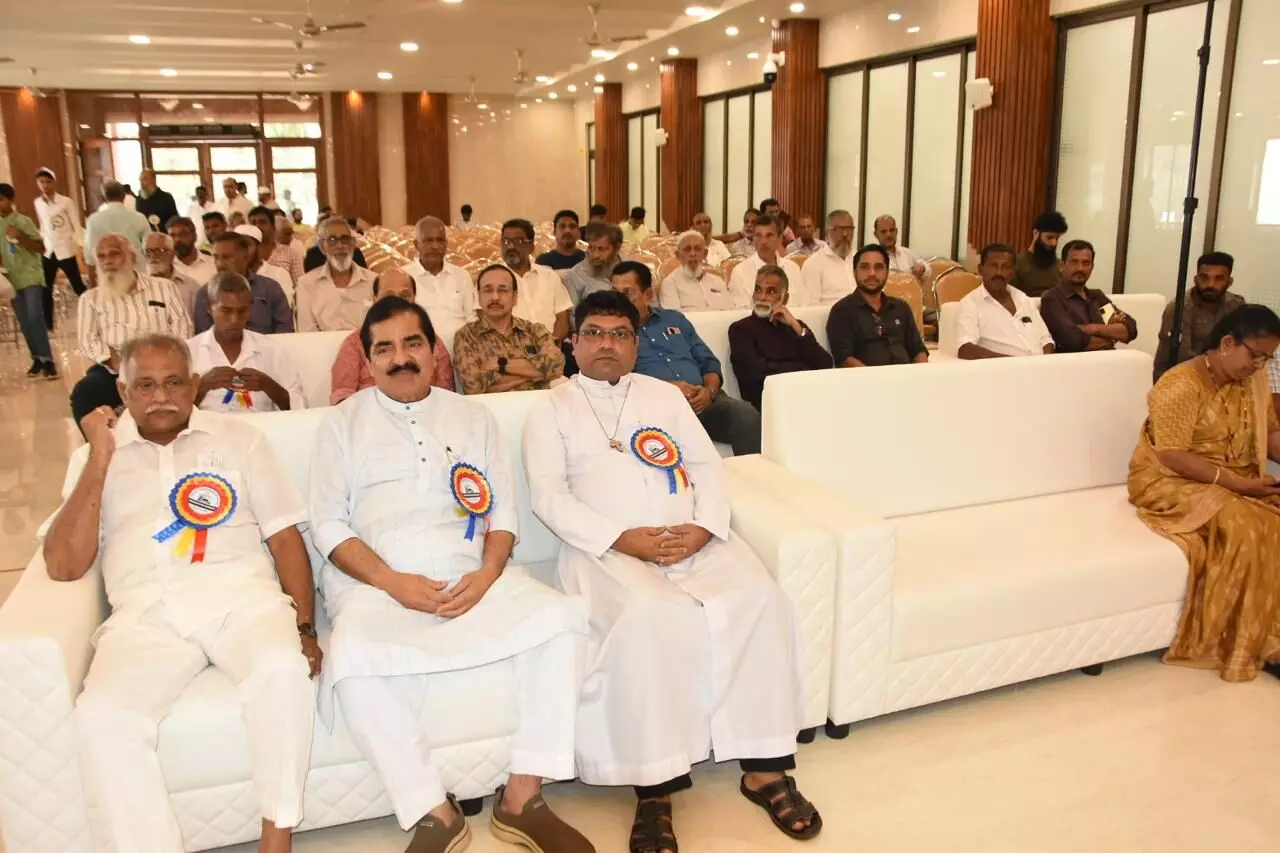
Former Minister K. Abhayachandra Jain, Vice President of Puthige Noorani Masjid Shaikh Basheer, General Secretary Mohammed Khayyum, Puthige Grama Panchayat Member Mohammed Shareef, female entrepreneur Sara Abbas and others were present during the program.
Meanwhile, a 20% discount on bookings for the Convention Center is being offered for events booked by the end of December, and the income generated from the center will be used for supporting the poor, assisting the sick, and educating underprivileged students, as announced by Abul Ala Puthige during the inauguration.

Let the Truth be known. If you read VB and like VB, please be a VB Supporter and Help us deliver the Truth to one and all.
EC role, Hindu vote consolidation among factors for BJP win in Bengal polls: J-K CM Omar
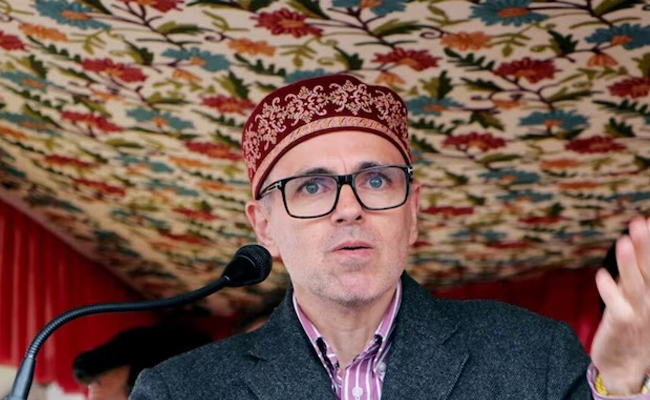
Srinagar (PTI): Jammu and Kashmir Chief Minister Omar Abdullah on Tuesday attributed the BJP's West Bengal win to a "significant role" played by the Election Commission (EC), alongside a consolidation of Hindu votes and a fractured minority mandate.
Abdullah also said the INDIA bloc needs to define its role in the political landscape of the country and make it clear whether the opposition alliance was limited to the parliamentary elections or extended to the state elections as well.
Talking to PTI Videos, Abdullah hinted that the EC has compromised its neutrality by conducting the Special Intensive Revision (SIR) in West Bengal and linked it to the BJP's gains in the state, claiming large-scale deletion of legitimate voters.
On the performance of the BJP in the just concluded assembly elections, Abdullah said the saffron party has almost nothing to show in southern states.
"So then you look at West Bengal and Assam. Yes, the BJP improved its tally in Assam. There are various reasons for that. You know as well as I do, what those are. West Bengal, I think we need to look at the results very carefully," he said.
"The easiest explanation for the West Bengal result is the serious curtailing of voter list," Abdullah said.
"Voters found their names deleted. People who served in uniform and fought for this country on the borders, who were considered Indian citizens all their lives, were suddenly held to a higher standard and not allowed to vote. Something is not right," he said.
While alleging that the EC played a "significant part" in the results, the chief minister admitted the outcome was multifaceted and noted a consolidation of over 60 per cent of the Hindu vote towards the BJP and a "significant fracture" in the minority vote, particularly in seats where Muslims constitute over 50 per cent of the population.
"There is no doubt that the role of the Election Commission played a significant part in the results but we will also have to look at the other factors," he said.
He said the results of West Bengal cannot be compared to those in other states. "The situation was unique to West Bengal. The SIR that was done, the way in which the voter lists were changed, the sort of minute scrutiny that the Election Commission subjected West Bengal to, the role of the central investigative agencies.
"All of these are situations that at least in recent electoral history of India are unique to West Bengal. So to suggest that we can learn lessons from West Bengal and implement them in other parts of the country, I think would not be correct," he said.
Abdullah had recently said that if the West Bengal results throw a surprise, the role of EC will come under scrutiny.
However, during Tuesday's interview, the chief minister said he still maintains that electronic voting machines (EVMs) do not lead to vote theft.
"What we saw in West Bengal...I know there are a lot of people who believe that the EVMs themselves are flawed. I am not a proponent of that conspiracy theory.
"But I do believe that the Election Commission has done itself no favours in the way in which it has gone about both the process of delimitation and the process of finalisation of electoral rolls," he said and cited the example of delimitation exercise in Jammu and Kashmir or Assam.
"These are clear examples of how the process was done to benefit one party or in the case of Jammu and Kashmir, one party and its allies. And the results speak for themselves. You created seven new seats in Jammu and Kashmir and out of those six seats were won by the BJP. You redrew assembly constituencies to benefit one particular party or its allies. And the same is true for West Bengal as well," he said.
Referring to the INIDA bloc, he said the election results were no new message for the alliance.
"We need to decide what the INDIA bloc is for. Is it only for Parliament or for state elections as well?" he asked.
"What happened in West Bengal is unfortunate. The Congress and TMC fought against each other. Now the Congress agrees with Mamata Banerjee that 100 seats were stolen, but the fact is they fought each other," he said.
Despite the friction, Abdullah reaffirmed the "pre-eminent position" of the Congress within the opposition alliance, dismissing the idea of any other party assuming the mantle.
"The Congress is the only party other than the BJP with a pan-India presence. All of us acknowledge this," he stated.
"To suggest someone else can assume a leadership role would be incorrect. Kharge Sahib is the president of the Congress, and by virtue of that, he assumes leadership of the INDIA bloc meetings. That is the way it should be," the chief minister said.
Abdullah said any 'Common Minimum Programme' would depend on whether the opposition alliance decides to fight state assembly elections collectively, noting that he would share his specific views with the bloc internally rather than through the media.