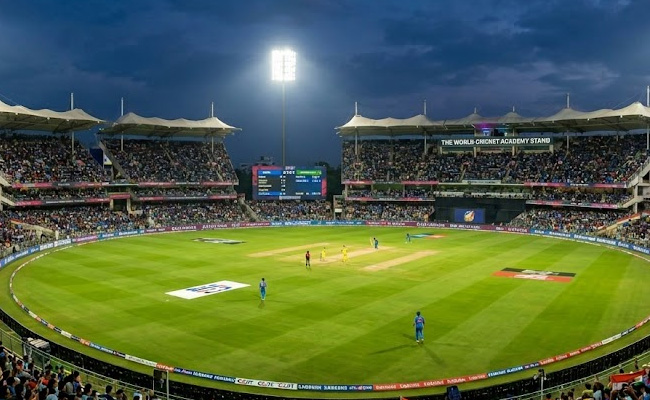
Murudeshwar beach tragedy: Tourism officer, UK DC booked for negligence
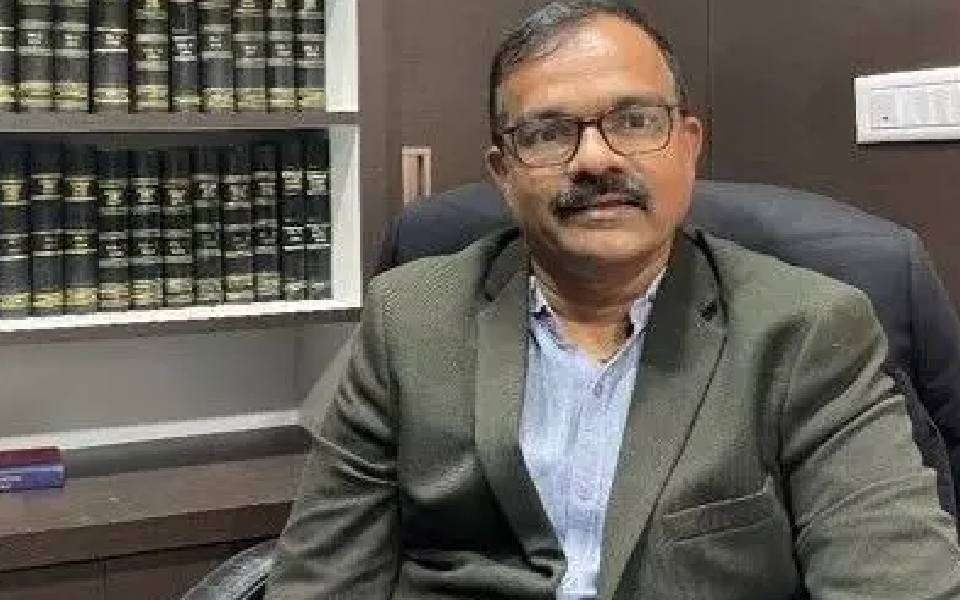
Murudeshwar: Renowned advocate Nagendra Naik from Bengaluru has filed a complaint at Murudeshwar police station against Deputy Director of Tourism Department Jayant H.V. (Mumbai-Karwar) and Uttara Kannada District Deputy Commissioner Lakshmi Priya in connection with the repeated tragic deaths at Murudeshwar beach.
The complaint alleges violation of the Karnataka Tourism Policy 2020-25, Supreme Court guidelines, and the Disaster Management Act 2005.
Four students of Morarji Desai School in Mulbagilu drowned on December 11. The complaint also mentions the death of a 17-year-old pre-university student on the same beach on October 6. The complaint alleges that the authorities, which earn Rs 3.38 crore from water sports activities at Murudeshwar beach every year, have failed to provide basic life-saving and safety facilities, the complaint said.
ALSO READ: Four school students drown at Murudeshwar Beach, CM Siddaramaiah announces Rs 5 lakh ex-gratia
Life-saving devices, watchtowers, lifeguards and emergency response measures are missing from the beach. Failure to implement regulations as per Karnataka Tourism Policy and Supreme Court guidelines.
Man-made disasters at the beach are prime examples of administrative negligence. Despite earning crores of rupees annually from tourism activities, the money has failed to be spent on safety measures, the complaint alleges.
The complaint seeks registration of a case against Jayant H.V. and Lakshmi Priya under BNS sections 106 (causing death by negligence), 125 (conduct endangering life), and IPC section 503 (intention to cause harm).
Let the Truth be known. If you read VB and like VB, please be a VB Supporter and Help us deliver the Truth to one and all.
ED searches: Karnataka CM Siddaramaiah accuses Centre of targeting Cong leaders
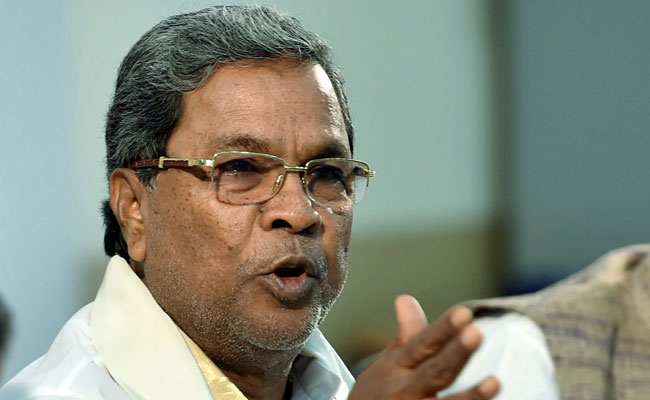
Chamarajanagara (Karnataka) (PTI): Karnataka Chief Minister Siddaramaiah on Tuesday accused the central government and its agencies of consistently targeting Congress members by using searches on their properties, and questioned why similar action is not taken against BJP leaders.
He was reacting to searches conducted by the Enforcement Directorate on Monday on several individuals, among them the sons of Karnataka Congress MLA N A Haris and the grandson of former Union Cabinet minister K Rahman Khan, in connection with a cryptocurrency-linked money laundering case.
"The central government always targets Congress leaders. Will they raid the houses of BJP leaders?" Siddaramaiah said in response to a question. More than a dozen premises in the city were searched as part of the operation carried out by the ED under the provisions of the Prevention of Money Laundering Act (PMLA).
The premises searched comprised those of Mohammed Haris Nalapad and Omar Farook Nalapad, the sons of the MLA; Aqeeb Khan, the grandson of veteran Congress leader K Rahman Khan; and an alleged crypto hacker, Srikrishna Ramesh, alias Sriki, officials said.
The money laundering case stems from Karnataka Police FIRs and charge sheets filed in a 2017 case involving the hacking of national and international websites, theft of bitcoins, and the sale of these stolen virtual digital assets (VDAs) through crypto platforms by the alleged hacker Sriki and his associates.
Mohammed Haris Nalapad, Omar Farook Nalapad, and Aqeeb Khan are alleged to be beneficiaries of the proceeds of crime generated through this crypto-linked activity, officials added.