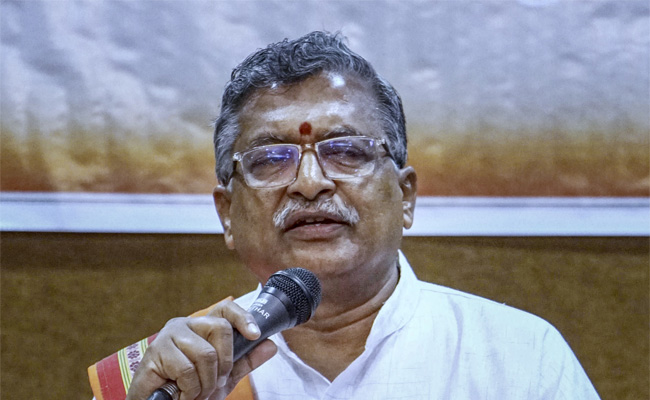
Need to scrap differences within community to flourish: Wali Rahmani says in Mangaluru
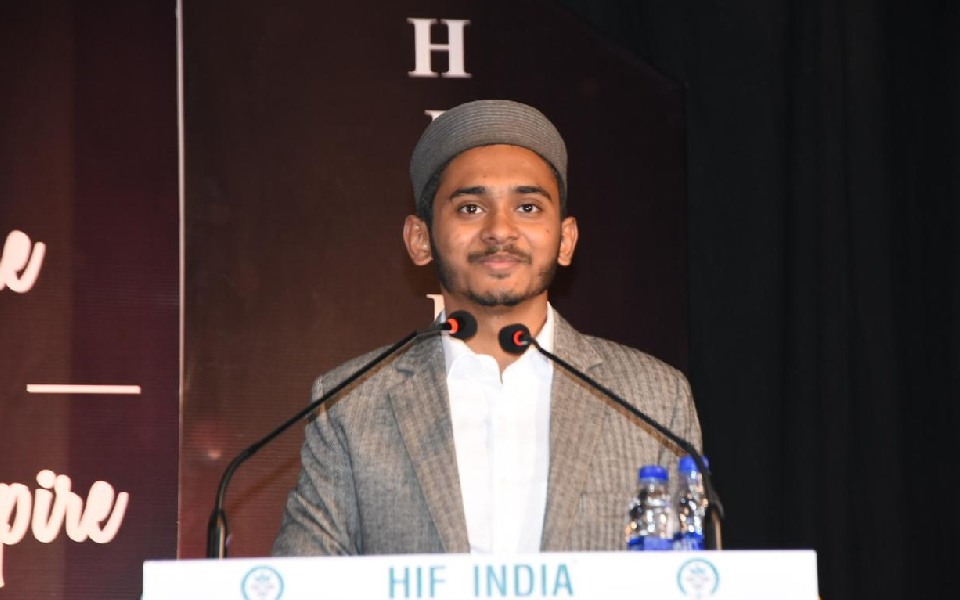
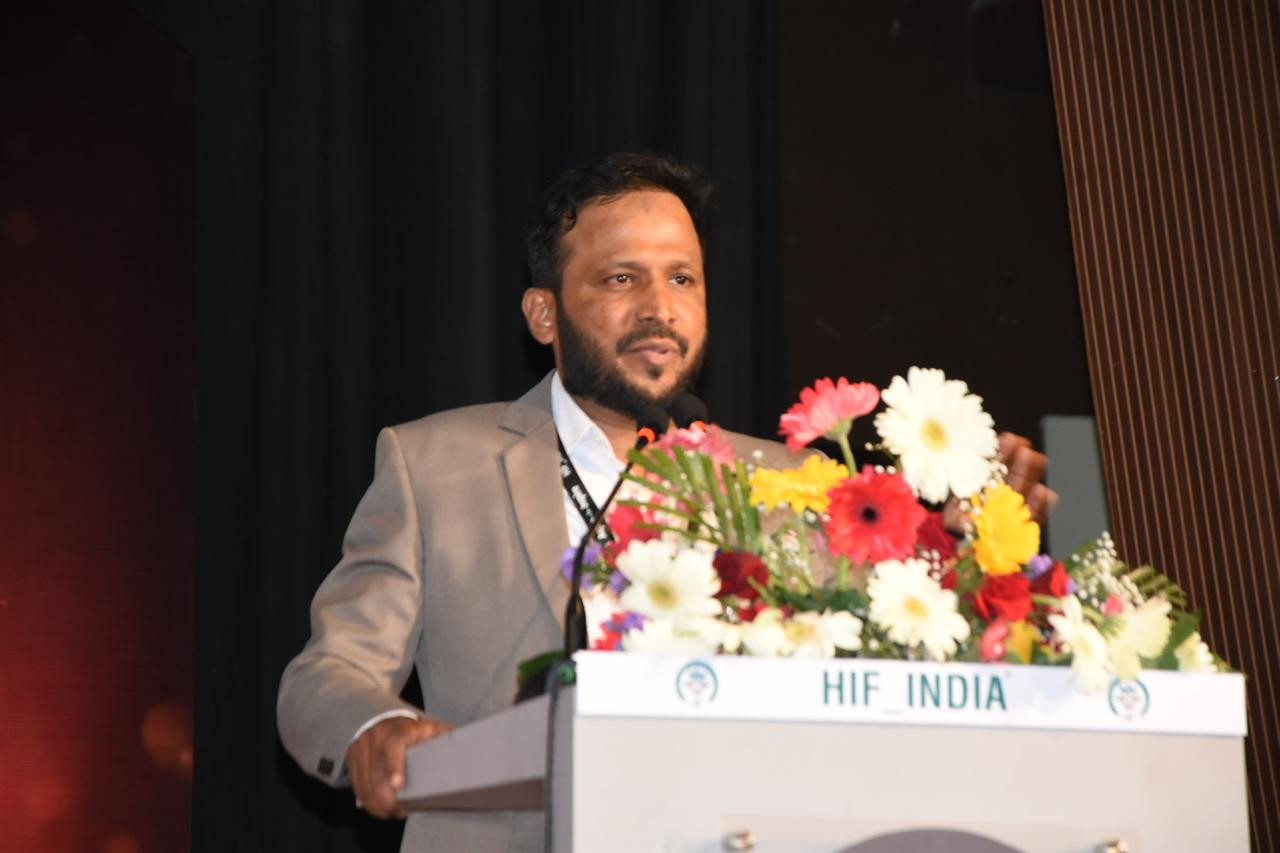
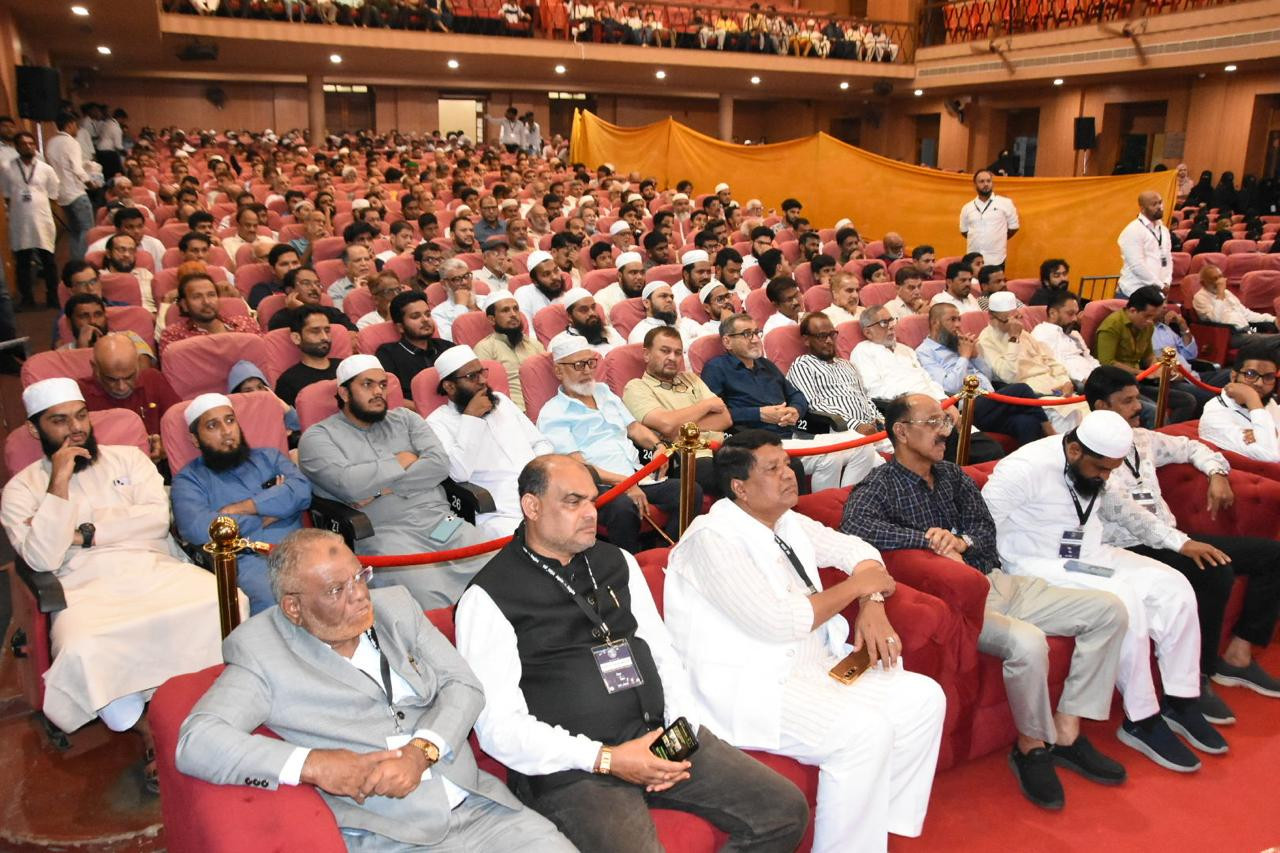
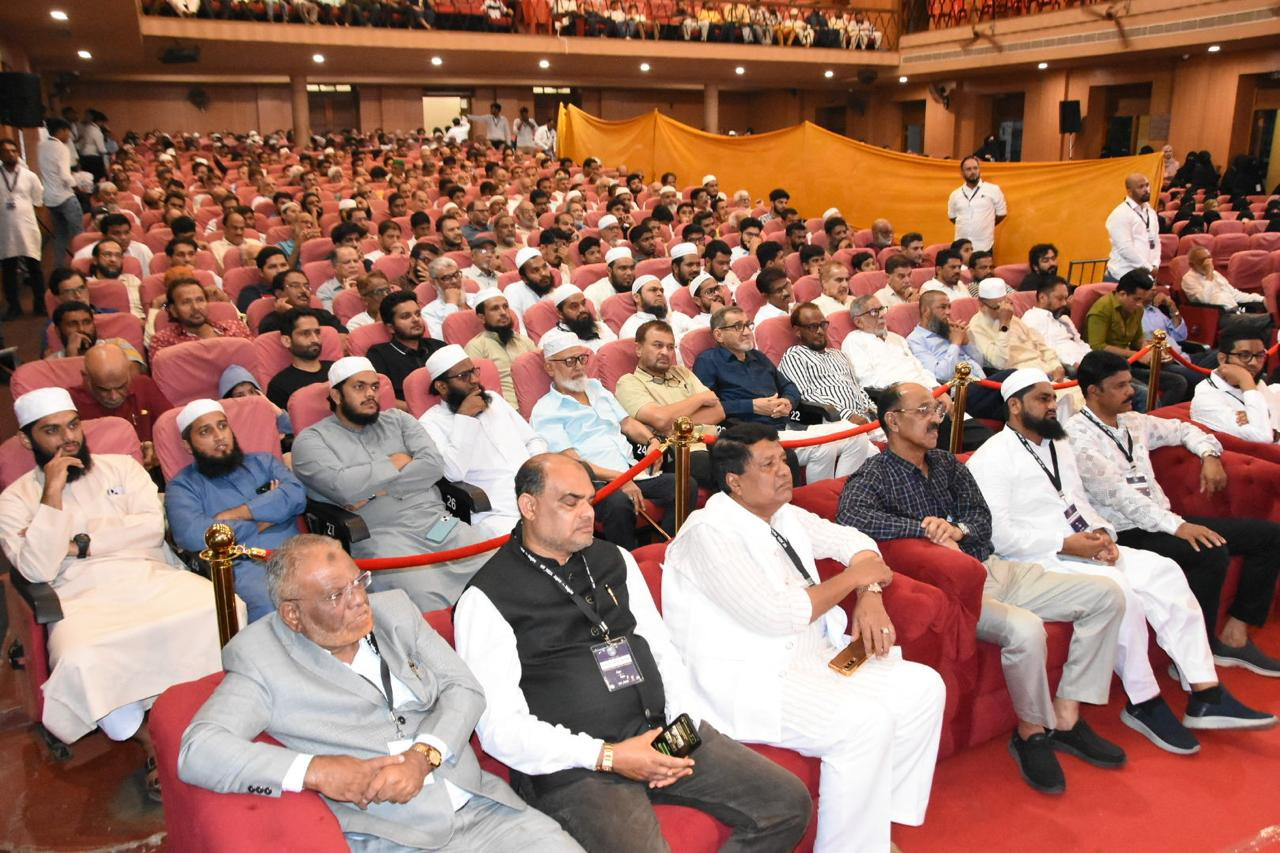
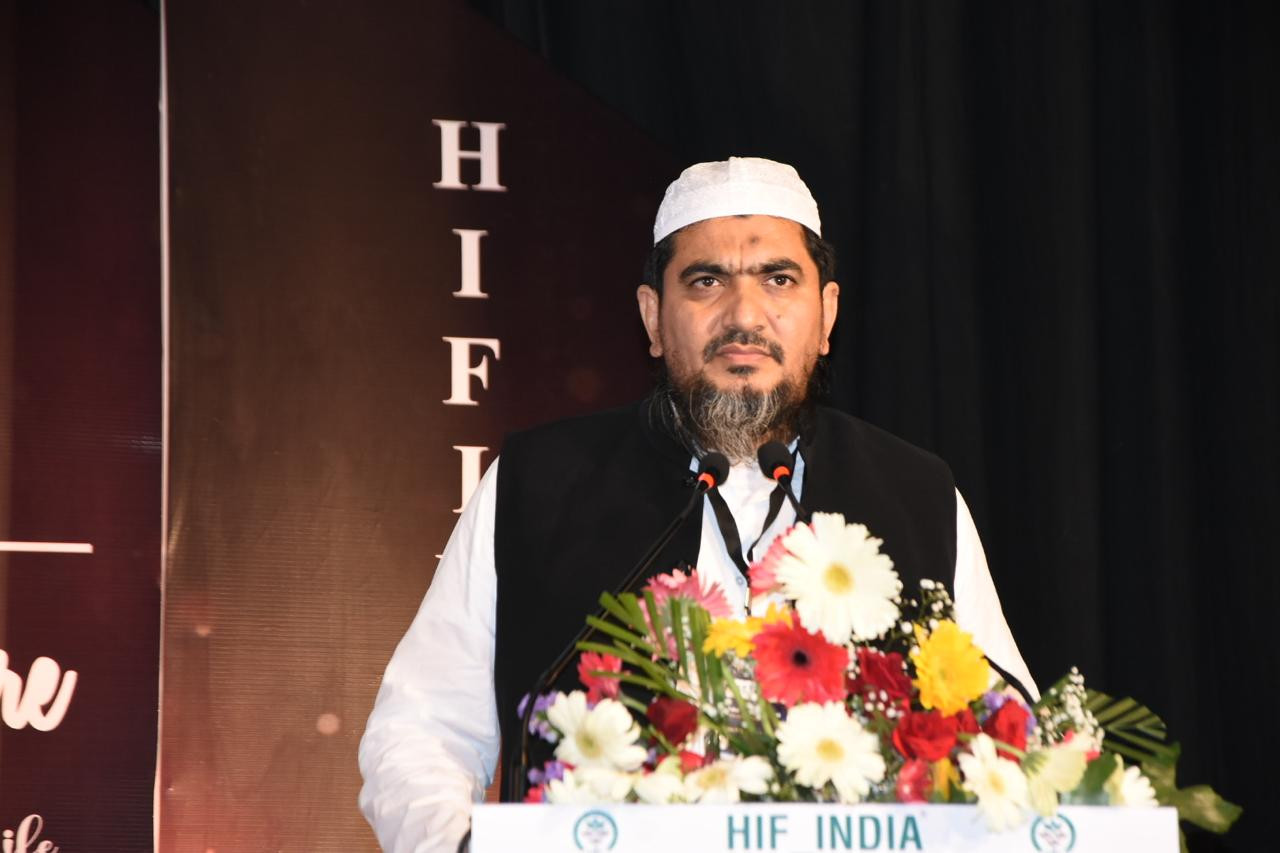
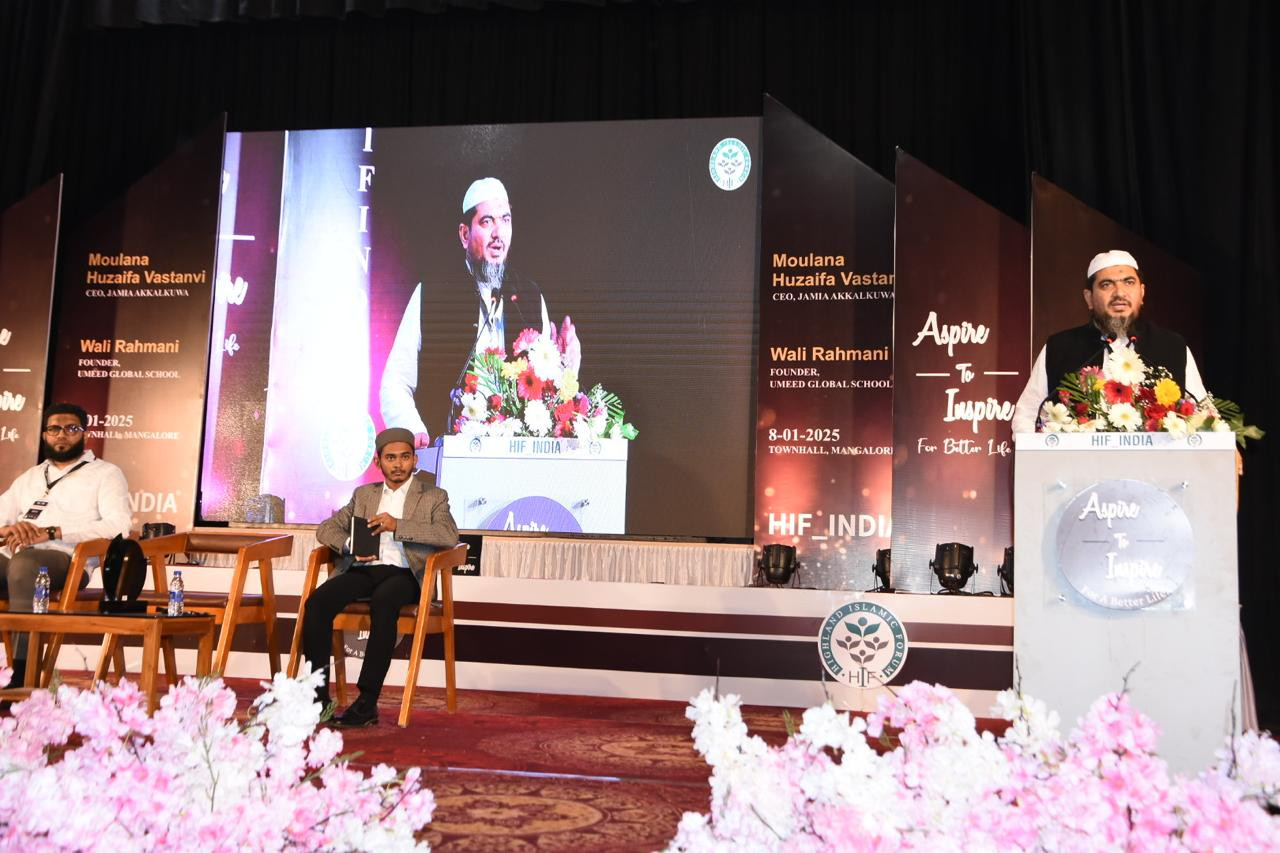
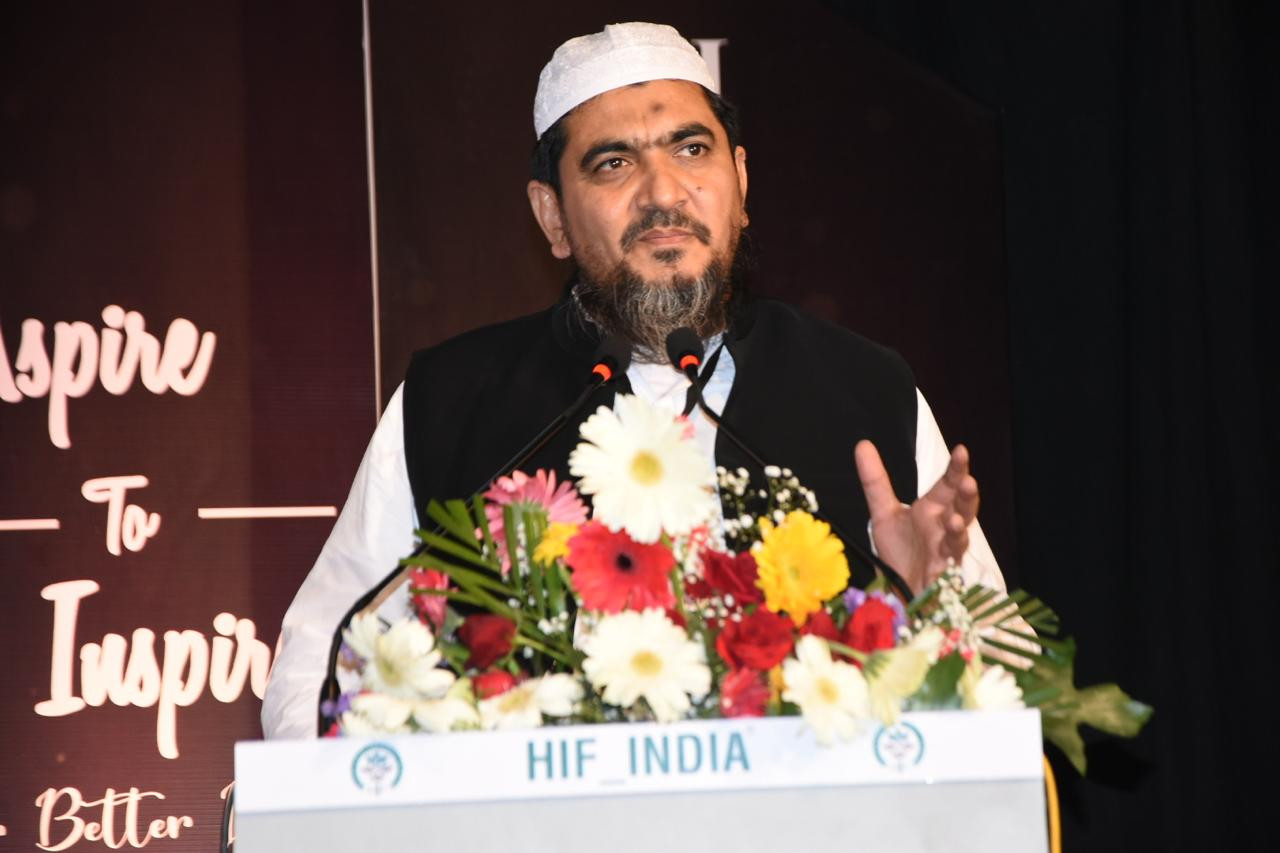
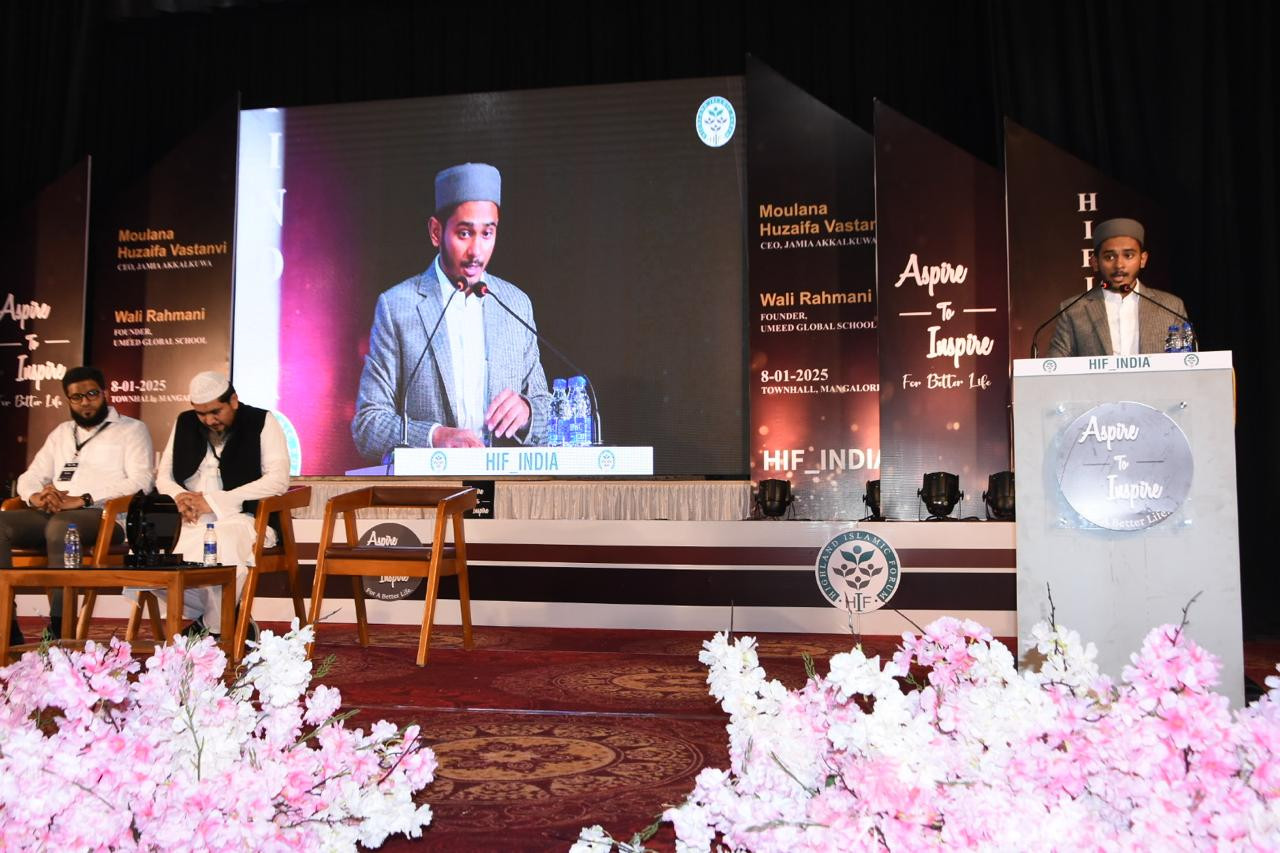
Mangaluru: The Highland Islamic Forum (HIF) organised an event titled "Aspire to Inspire for Better Life" at the Town Hall here on Wednesday. The programme aimed to motivate and guide individuals towards leading a meaningful and improved life.
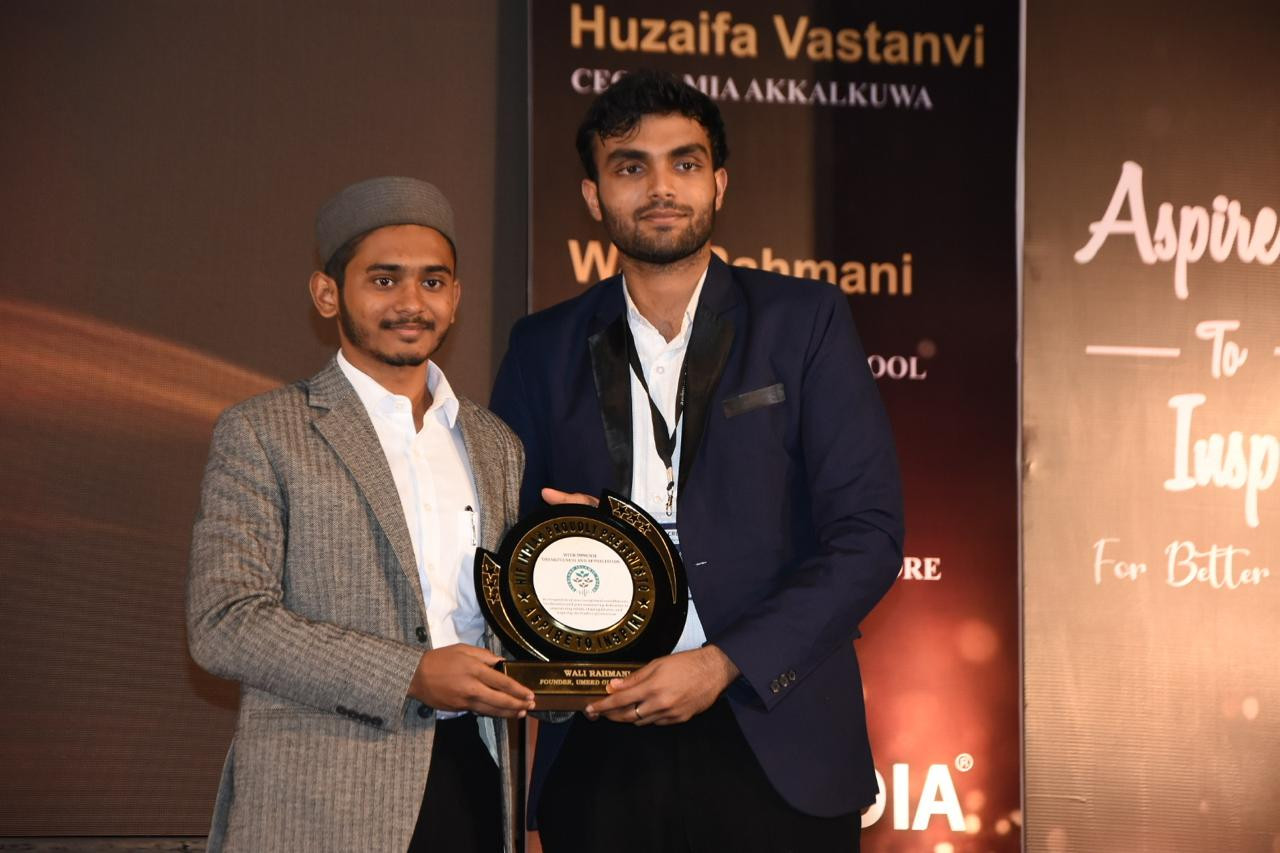
Prominent personalities Moulana Huzaifa Vastanvi, CEO of Jamia Akkalkuwa, and Wali Rahmani, Founder of Umeed Global School, graced the event as distinguished guests.
The programme commenced with a recitation of verses from the Holy Quran by Aahil SM, setting a spiritual tone for the gathering. This was followed by Rizwan Pandeshwar, who delivered an introduction and provided an insightful overview of HIF India and its mission.
Moulana Huzaifa Vastanvi spoke about human existence through the teachings of the Quran, explaining that it encompasses two forms: physical and spiritual. He emphasized that spiritual existence is of greater importance, as it defines the purpose of life and our connection with the divine.
He shed light on the Quran's guidance regarding human existence and the reason for being sent to earth. He highlighted that the Quran is not merely a religious text but a complete way of life, offering solutions to many modern-day challenges, including widespread issues like depression, anxiety, and stress, which have gripped a large portion of the population.
He further pointed out that education alone cannot address the problems faced by humanity. Instead, he stressed the need for a balance between education and spirituality, urging people to hold firmly to their faith in Allah. He called upon social organisations to work towards fostering this balance to create a more harmonious society.
Moulana Vastanvi also addressed misconceptions about Islam, stating that it is not just an alternative solution but the ultimate solution to the problems of the world. He underlined that the principles of Islam are universal and not confined to Muslims alone, offering guidance and remedies for people across the globe.
Wali Rahmani, Founder of Umeed Global School, addressed the audience with a compelling speech on the qualities of great leaders, drawing inspiration from Islamic history and the life of Prophet Muhammad (PBUH) and Hazrat Umar (RA). He urged Muslims to seek these qualities in their leaders, emphasizing the need for integrity, justice, and inclusivity in leadership.
Rahmani referenced Mahatma Gandhi's recognition of Hazrat Umar's exemplary rule, noting that Gandhi listed him as the top ruler in his book Harijan. He pointed out that a key trait of a great leader is their reluctance to seek power. To illustrate this, he recounted the instance when Hazrat Abubakar (RA) chose Hazrat Umar (RA) as his successor, a decision that deeply moved and humbled Umar.
He encouraged individuals to aspire to be leaders who embody these values whenever they are elected or appointed to any position of responsibility. Highlighting the inclusivity of Hazrat Umar’s governance, Rahmani noted how he maintained harmony and fairness across all communities and religions during his rule, setting an example for leaders today.
Rahmani also called upon people and organisations to foster unity within the community. He stressed the importance of working with pure intentions and refraining from judging others based on personal faith practices. He urged the Muslim community to avoid complacency, reminding them of the continuous effort needed to work towards the betterment of society and their own progress.
Wali Rahmani also shared his inspiring journey of establishing Umeed Academy, which he started with just three orphaned children. Today, the academy has grown into a global institution, nurturing the futures of 350 students from diverse backgrounds.
He credited the success of Umeed Academy entirely to Allah’s blessings, emphasizing the importance of pure intentions, hard work, and sacrifices. Rahmani reflected on the challenges he faced, particularly the sacrifices he made during his youth, which he dedicated to building the institution.
These addresses were followed by questions and answers session wherein the speakers took questions from audience and answered their queries.
Adil Pandeshwar, HIF President was present on stage during the event.
The event concluded with Shaaz Yusuf Rasheed presenting vote of thanks to the attendees.
Let the Truth be known. If you read VB and like VB, please be a VB Supporter and Help us deliver the Truth to one and all.
Two people killed as poultry vehicle rams into parked truck in Belagavi

Belagavi (Karnataka) (PTI): Two people were killed, and another was severely injured after a goods vehicle transporting poultry birds allegedly rammed into a stationary truck on a national highway in Belagavi in the early hours of Tuesday, police said.
The deceased have been identified as Wasim (28) and Mubarak (22), both natives of Shivamogga district, they said.
The driver of the vehicle, Basavaraj Eerappa Hanchinamani (37), suffered critical injuries and has been admitted to a hospital, police said.
According to police, the accident occurred when the driver reportedly lost control of the vehicle, allegedly due to drowsiness, and crashed into a truck parked along the highway.
The goods vehicle was en route from Kolhapur to Sorab in Shivamogga district, carrying poultry. Several chickens were also killed in the impact, a senior police officer said.
Police personnel from the Hirebagewadi Police Station visited the spot and conducted an inspection.
Injured people and the bodies of the deceased were shifted to a hospital, police added.