Private bus operators in Dakshina Kannada to make available cashless options
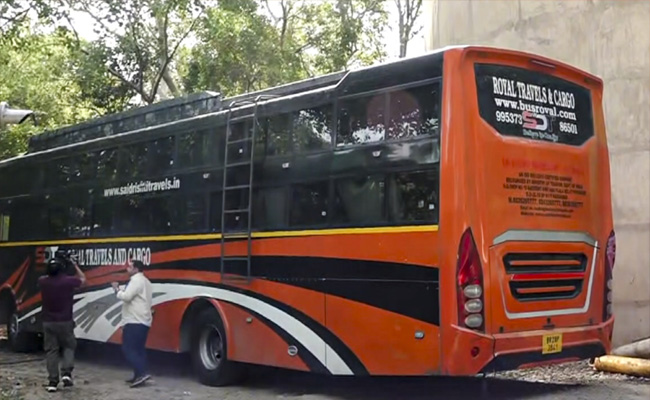
Mangaluru (PTI): A much-needed move towards digitisation in the private bus sector in Dakshina Kannada district will likely be witnessed.
In an initiative spearheaded by the Dakshina Kannada Bus Owners’ Association (DKBOA), private buses will soon accept UPI payments from passengers, aiming to enhance convenience and efficiency of bus travel in the coastal region.
This is the second transport system after KSRTC to digitise ticketing system in Karnataka.
As part of an upgrade, private buses will also be equipped with GPS systems, allowing for real-time tracking and improved service management. The introduction of UPI payment options will enable passengers to purchase tickets online during their journey, streamlining the ticketing process.
Previously, private bus operators introduced the 'Chalo Cashless Cards', which has been well received by commuters for offering significant discounts.
In a media interaction, Association president Aziz Parthipady noted the success of 'Chalo Cards', which offer a 60 per cent fare discount to students and are distributed free of charge to those with valid identification.
'Chalo Cards' are prepaid bus travel cards available from designated offices throughout Mangaluru, making it easy for students to benefit from discounted fares.
According to the new update with the UPI option being introduced, the 'Chalo Cards' held by students would be continued as DKBOA Student Cards.
With this upgrade on the cards, the Dakshina Kannada District Bus Owners' Association is trying to improve the overall travel experience while ensuring the highest standards of passenger safety across all its operations.
Let the Truth be known. If you read VB and like VB, please be a VB Supporter and Help us deliver the Truth to one and all.
Youth Congress demands Pradhan's resignation over NEET question paper leak
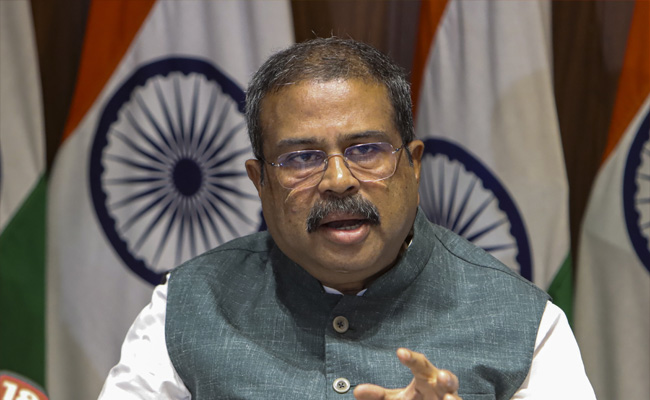
Bhubaneswar (PTI): Youth Congress activists on Friday staged a protest here demanding the resignation of Union Education Minister Dharmendra Pradhan over the NEET question paper leak.
Holding posters, banners and party flags, the Youth Congress activists took out a protest rally in Bhubaneswar from the state Congress office to Master Canteen Square and burnt effigies of Pradhan and Prime Minister Narendra Modi.
The education system has collapsed during the tenure of the BJP-led NDA government, Youth Congress leader Laxmipriya Nayak alleged.
During the past 12 years of Modi's rule, there have been 89 paper leaks and 48 examinations retested, she claimed.
"About 2 crore youths have been affected by the question paper leaks in the last 7-10 years. And, 24 lakh students have been affected by the recent NEET question paper leak incident," another protester, Shilpishree Harichandan, claimed.
"The Union government is playing with the future of the youths of the country. So, Pradhan has no moral right to continue in his position. He should step down," Harichandan said.
The National Testing Agency (NTA) had cancelled the NEET-UG exam, held on May 3, after a paper leak. The Union education minister on Friday announced that the NEET-UG re-exam will be conducted on June 21.