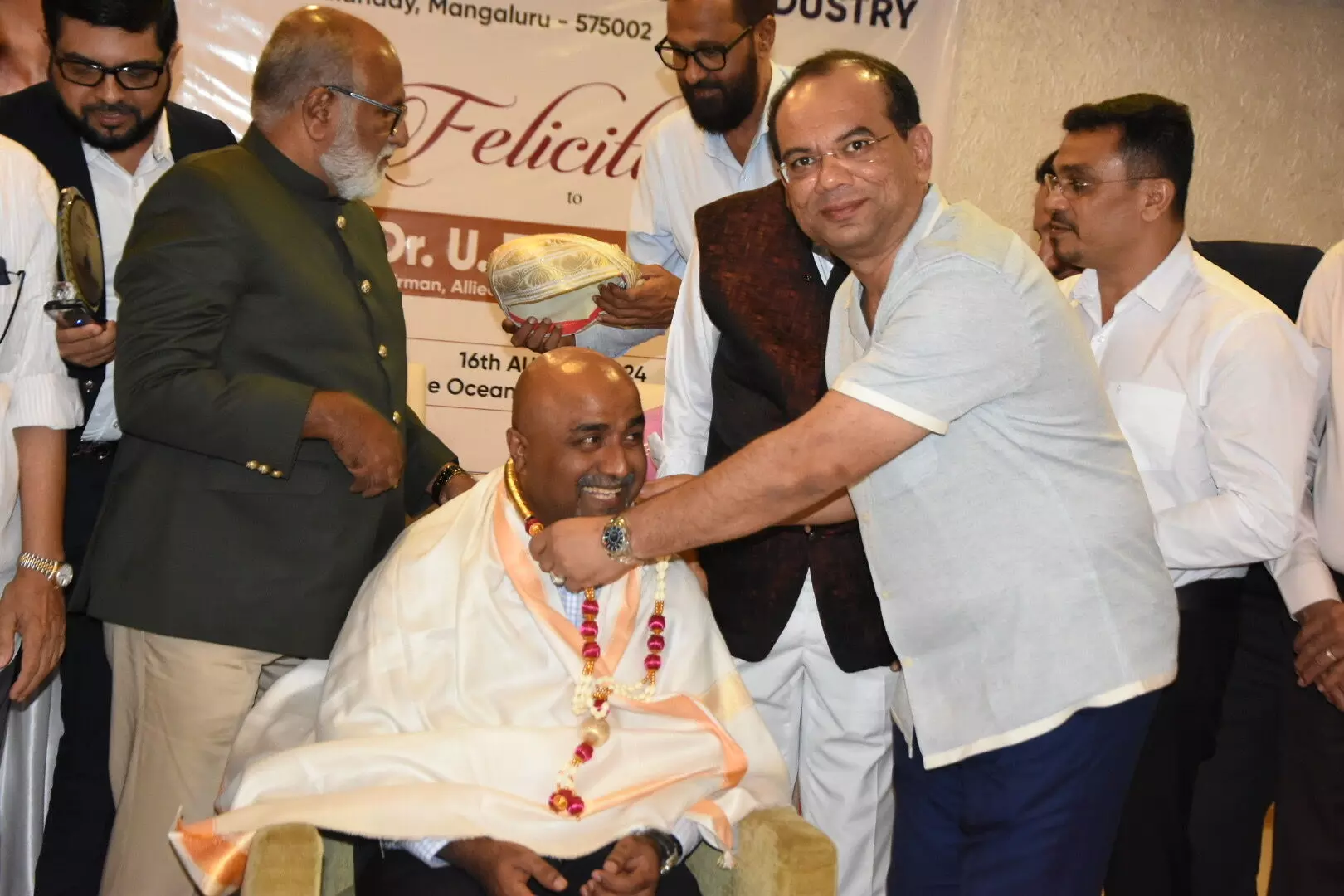
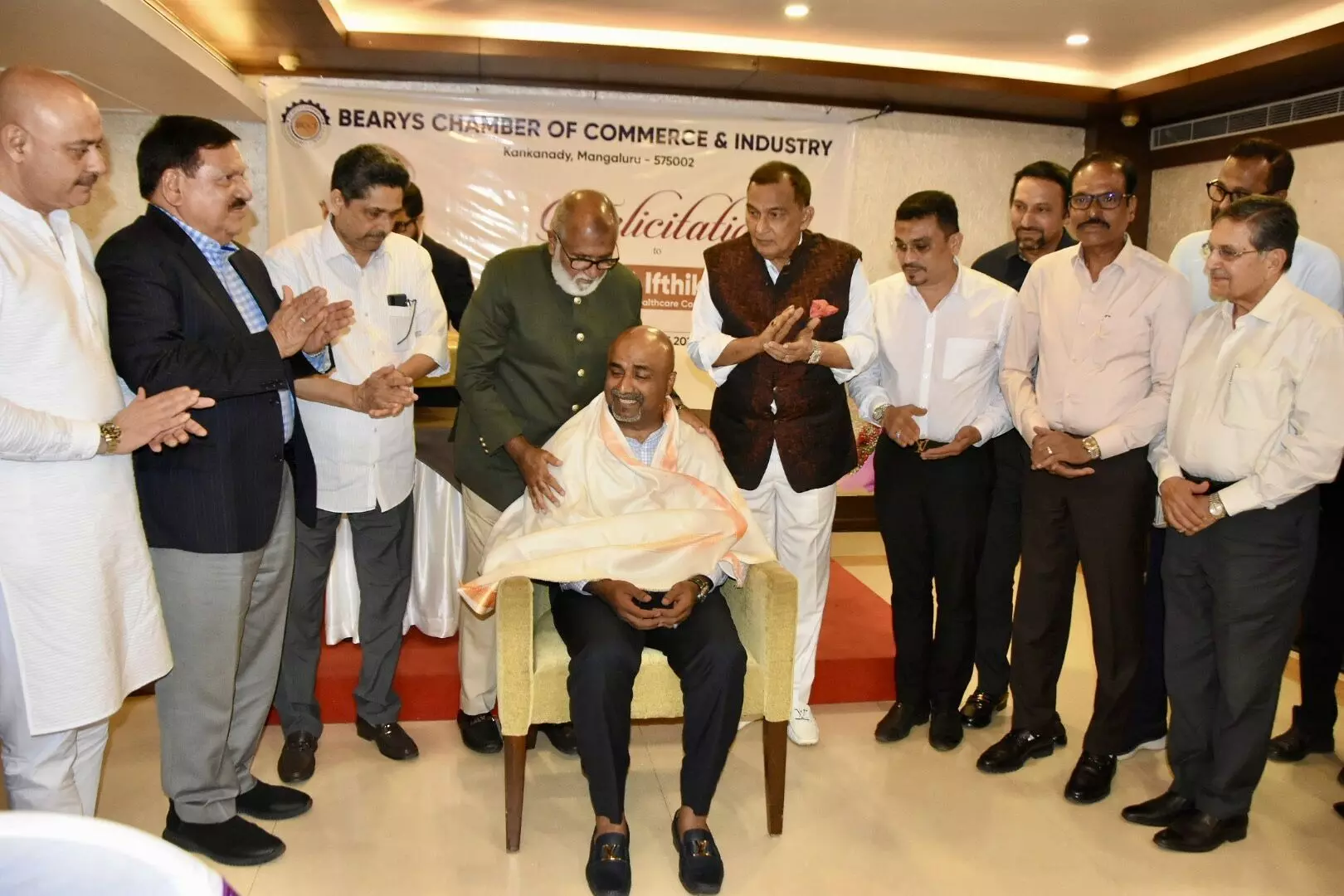
Prof. Dr. UT Iftikhar Ali felicitated by Bearys Chamber of Commerce and Industries

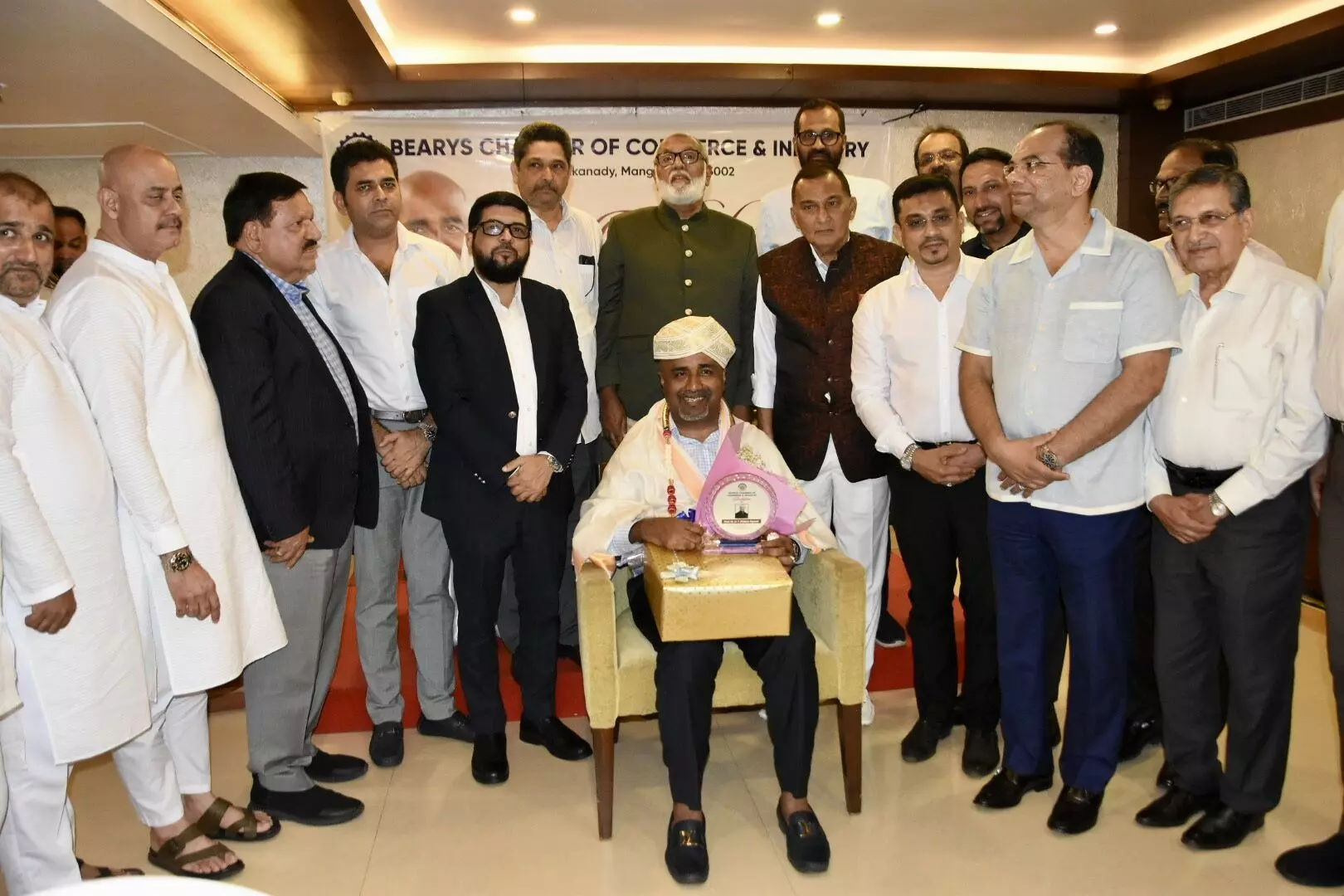
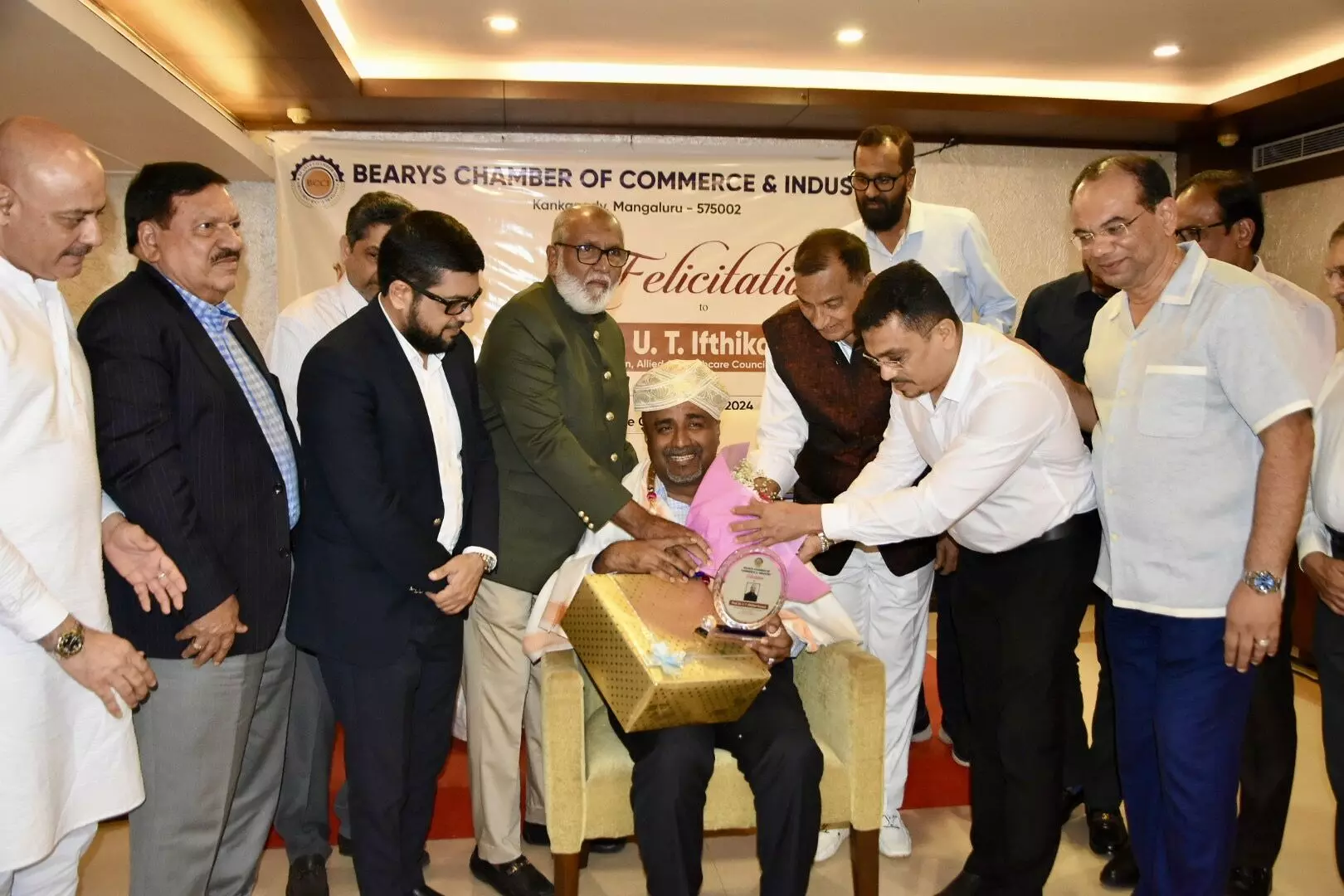
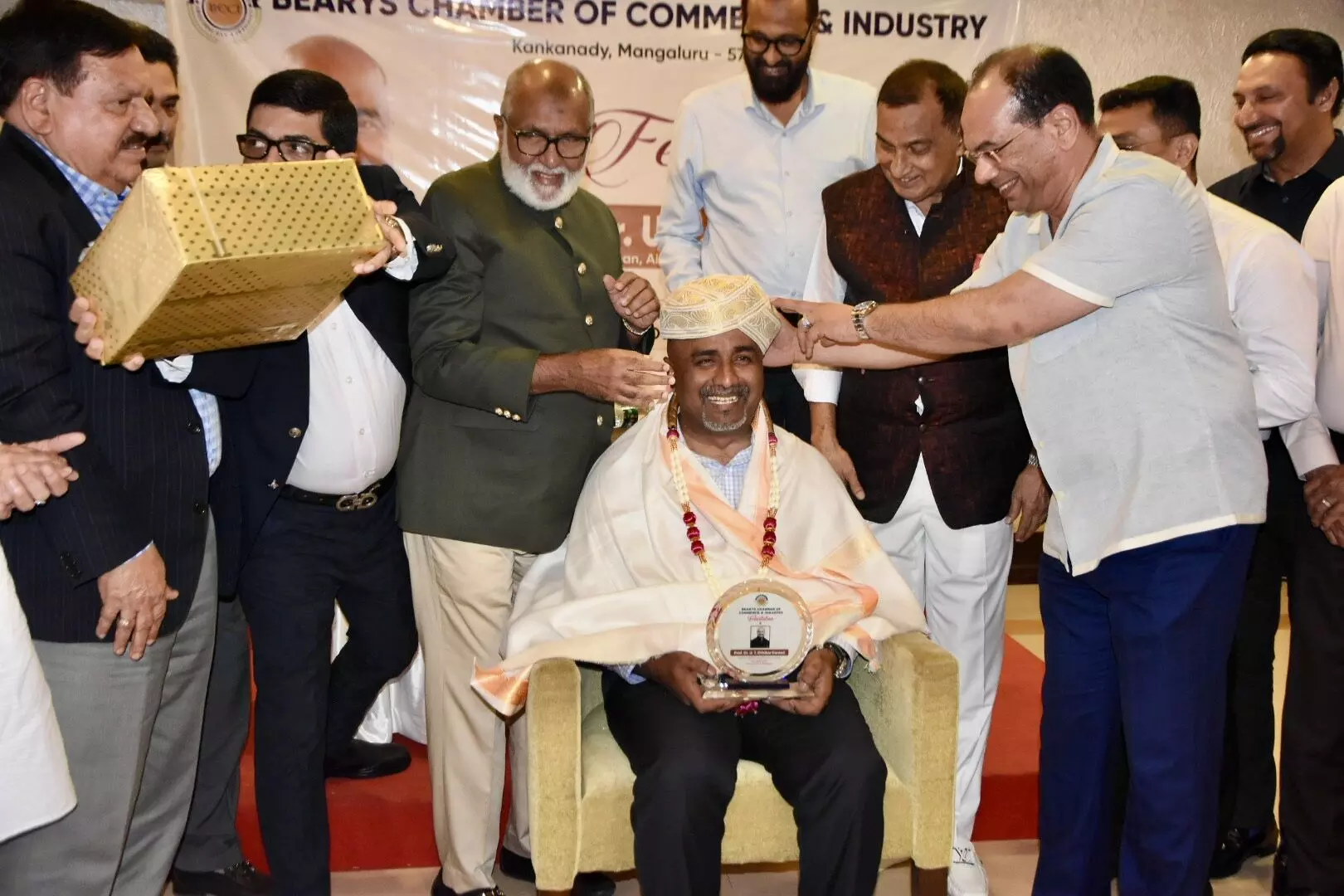
Mangalore: Prof. Dr. UT Iftikhar Ali, who has recently been appointed as the Karnataka State President of the National Commission for Allied and Healthcare, was honored at a felicitation ceremony organized by the Bearys Chamber of Commerce and Industries (BCCI) on Friday at Ocean Pearl Hotel in Mangalore.
During the event, Prof. Dr. Iftikhar Ali expressed his gratitude for the recognition and shared details about his new role. He highlighted that 54 healthcare-related courses have been unified under a single council. He mentioned that several candidates were considered for the Chairmanship of the council, but the government ultimately selected him for the position. Prof. Ali revealed that even his brother, Karnataka Assembly Speaker UT Khader, was unaware of his appointment until the official order was released. He assured that he would only use government facilities in Bangalore and expressed his commitment to assist deserving individuals to the best of his ability.
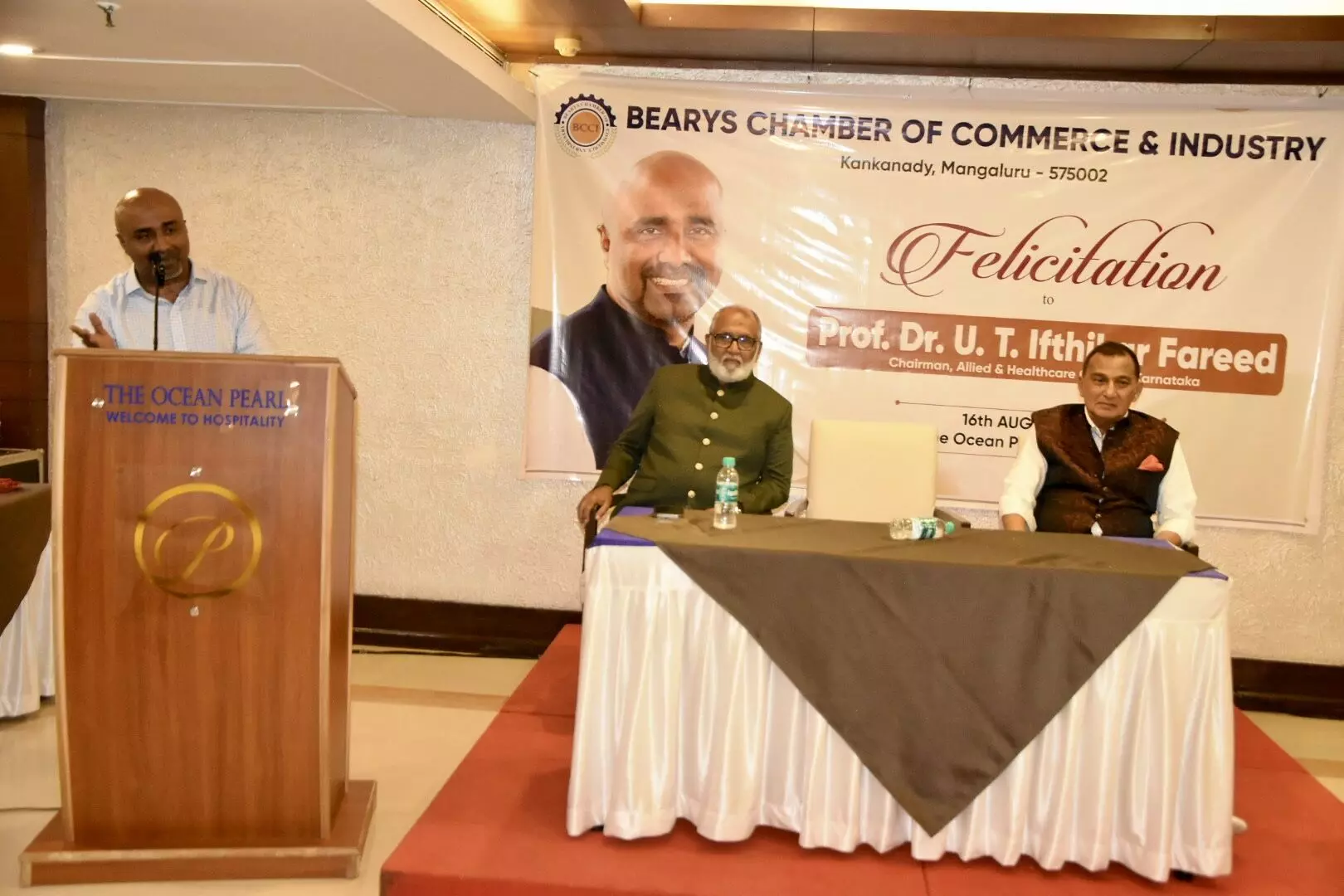
He also emphasized the importance of educational institutions, especially those serving minority communities, in taking advantage of opportunities to introduce new healthcare courses. He noted that nearly 90% of minorities in the Kerala-Karnataka region are receiving education here locally.
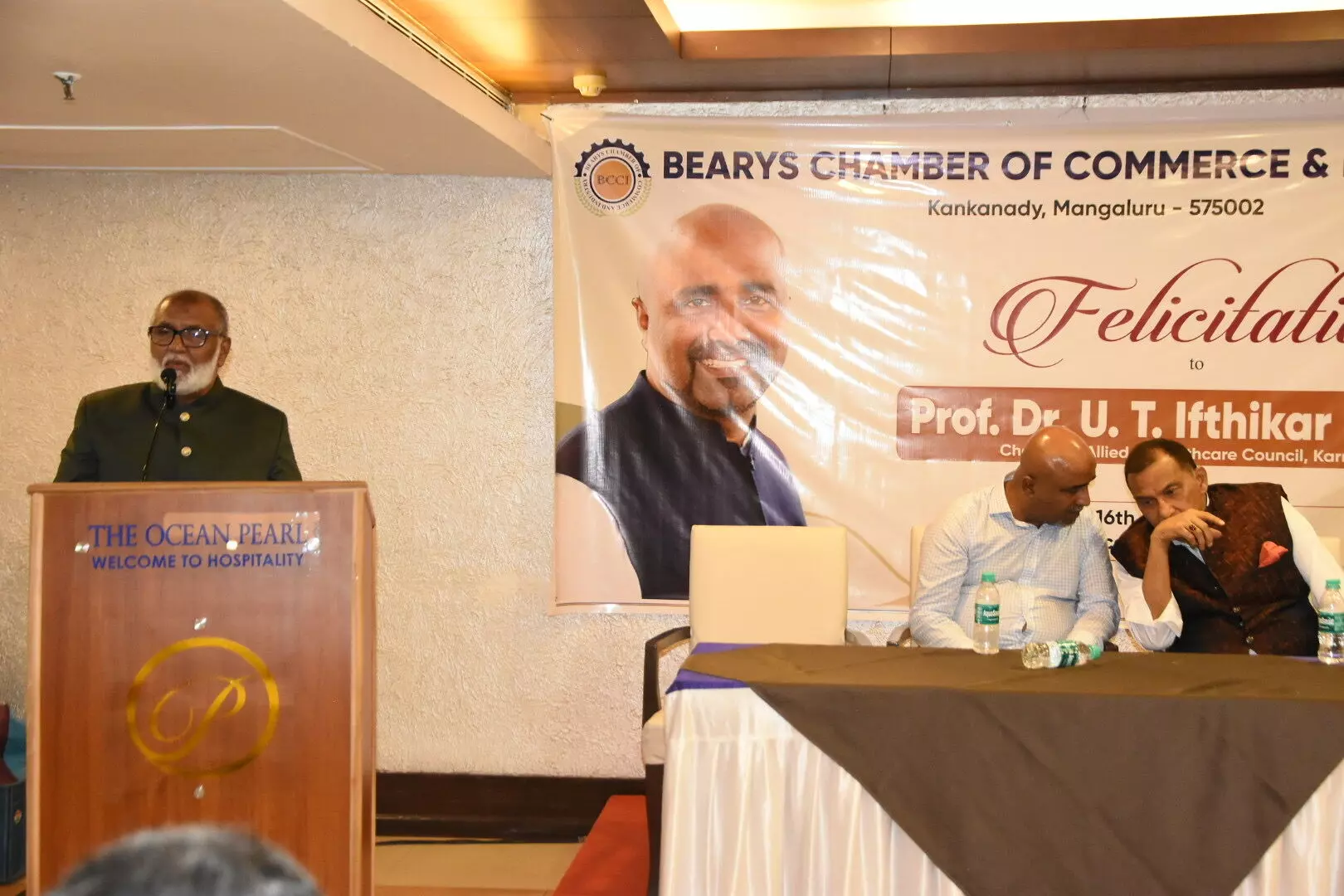
Dr. Yenepoya Abdulla Kunhi, Vice Chancellor of Yenepoya University, congratulated Prof. Ali on his appointment. He praised Prof. Ali for his upbringing in a cultured family and his ability to build strong relationships with colleagues. Dr. Kunhi described Prof. Ali as a role model for the youth and credited his success to the support of his wife and family.
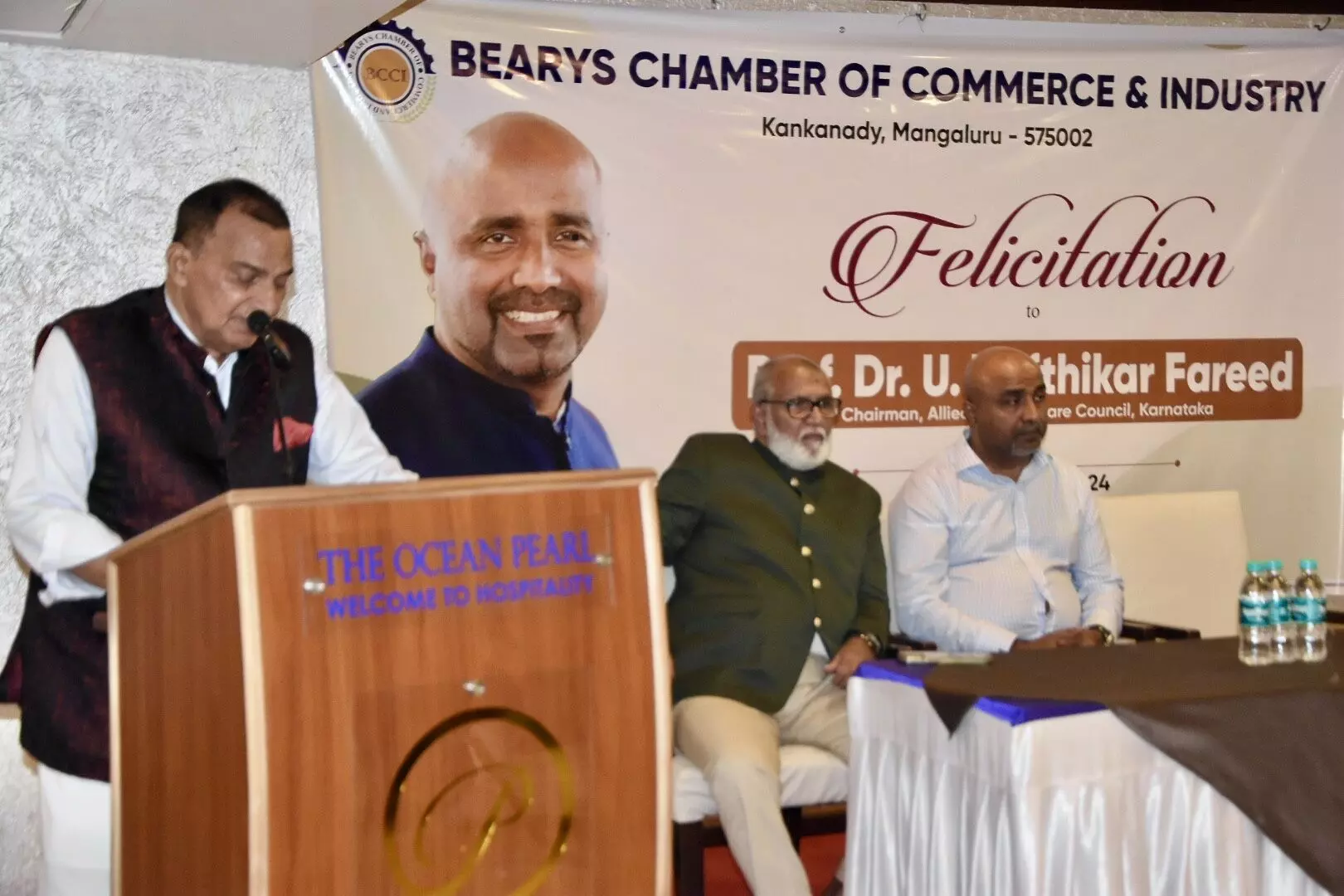
BCCI President SM Rasheedd Haji, who presided over the event, expressed confidence in Prof. Ali's future prospects. He voiced hopes that Prof. Ali’s elder brother, UT Khader, would one day become the Chief Minister of Karnataka and that Prof. Ali would be elected as a Member of Parliament representing the Dakshina Kannada constituency. Haji emphasized the need for a strong leader within the Muslim community and urged Prof. Ali to take on that responsibility.
BCCI officials like Mansoor Ahmed Azad, Shaukat Shourie, BM Mumtaz Ali, Muhammad Harris, Abdul Razzak Goltamzalu, A.H. Muhammad, Abdullah Monu, Badruddin Delta, Muhammad Arabi, Rahim Karnire, Hamid Kuliyar, Altaf Khatib, H. Muhammad, Latif Mulki, P. Hashir, Iqbal Ahmed Bangalore, Dr. Yusuf Dubai, Dr. Kapu Muhammad, Ibrahim Kalak, Ibrahim Kodijal, Haider Parthippadi, K. Ashraf and others were present.
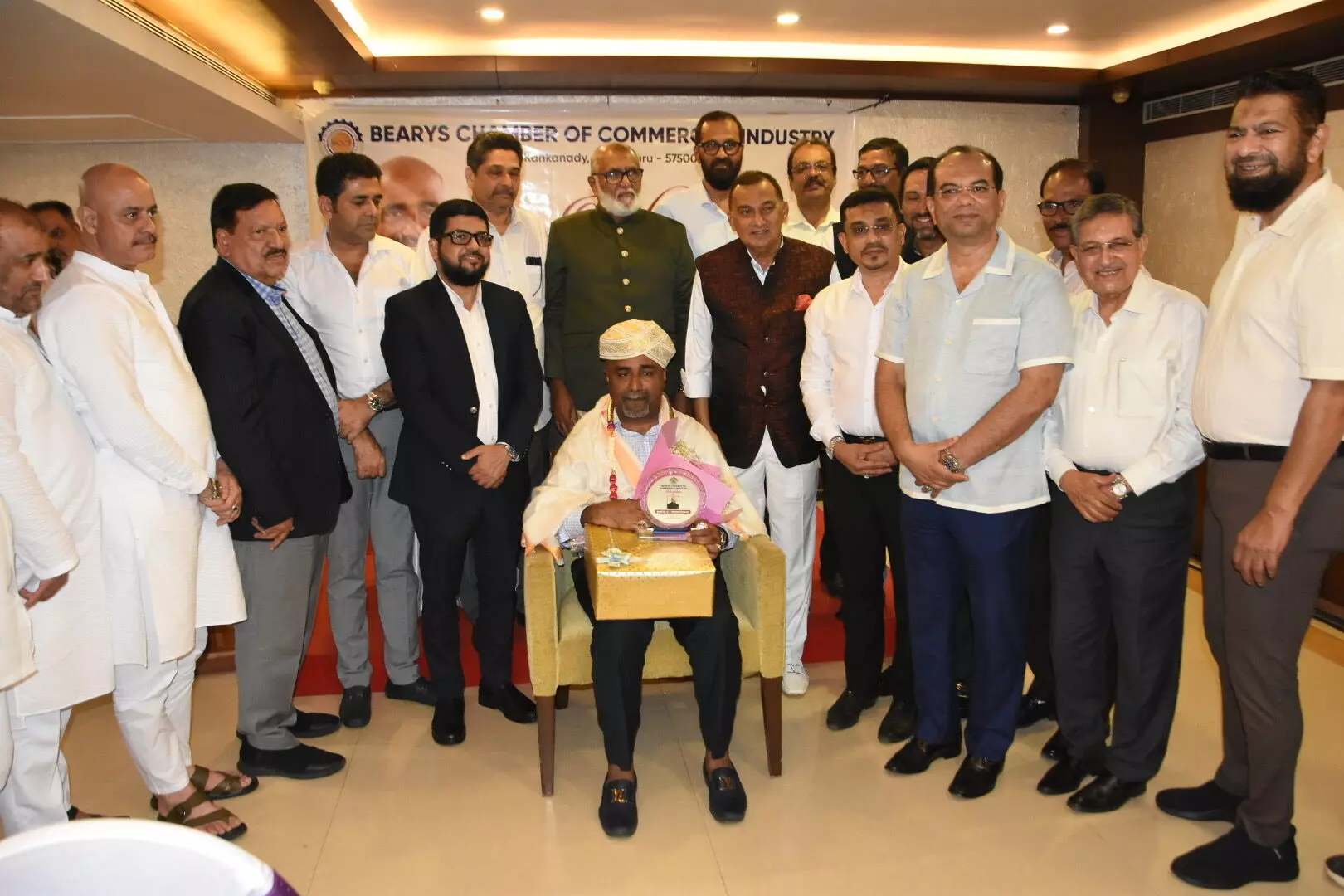
The program began with a recitation of the Qiraat by Hafiz Hasan Ashiq Abdullah. BCCI Organizing Secretary Nissar F. Mohammed welcomed the attendees, General Secretary Muhammad Imthiyaz delivered the vote of thanks, and Rafiq Master served as the program’s narrator.


Let the Truth be known. If you read VB and like VB, please be a VB Supporter and Help us deliver the Truth to one and all.
Road crash in UP leaves 10 dead
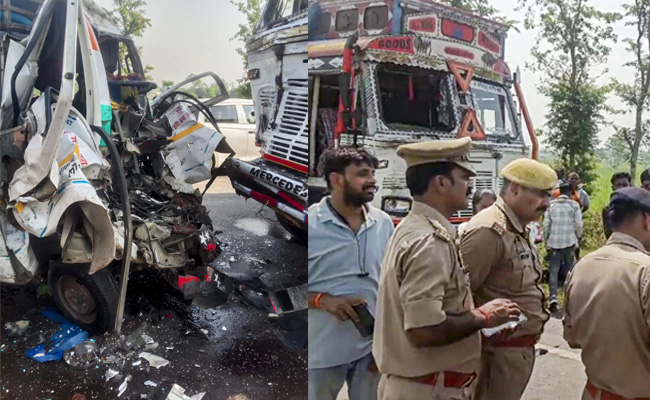
Lakhimpur Kheri (UP) (PTI): Ten people were killed when a van collided head-on with a truck on the Sisaiya-Lakhimpur national highway on Monday, police said.
The van was going to Sisaiya from Lakhimpur when the accident took place between Unchgaon and Bharehta villages.
Circle Officer of Dhaurahra, Shamsher Bahadur Singh, said all nine passengers travelling in the van and the driver were killed.
District Magistrate of Lakhimpur Kheri Anjani Kumar Singh told reporters that the van collided with a truck coming from the opposite direction, leading to nine casualties on the spot, while one succumbed to injuries at the district hospital.
Circle Officer, Dhaurahra, Shamsher Bahadur Singh told PTI, "Efforts are on to establish the identity of other deceased persons."
The seven of the deceased have been identified as Jaideep Singh (25), Pawan (23), Sohan (21), Ram Goyal (42), Sahajram (35), Pappu (18), all residents of Bahraich district and Adnan Khan (15), a resident of Lakhimpur Kheri district, police said.
Condoling the loss of lives in the accident, Uttar Pradesh Chief Minister Yogi Adityanath in a post on X, said, "The loss of life in the unfortunate road accident in Lakhimpur Kheri district is deeply distressing and heart-wrenching. My condolences are with the bereaved families."
"I have directed the local administration to provide prompt and adequate assistance to the injured and the victims. I pray to Lord Shri Ram to grant the departed souls a place at His divine feet and to bestow a speedy recovery upon the injured," Adityanath said on X.
Deputy Chief Minister Keshav Prasad Maurya and Brajesh Pathak too condoled the loss of lives in the accident.
"The loss of lives resulting from the road accident in Lakhimpur Kheri district is deeply tragic and heart-wrenching. My deepest condolences go out to the bereaved families," Maurya said.