Project Spark 2025 Ignites Innovation and Curiosity Among Budding Engineers
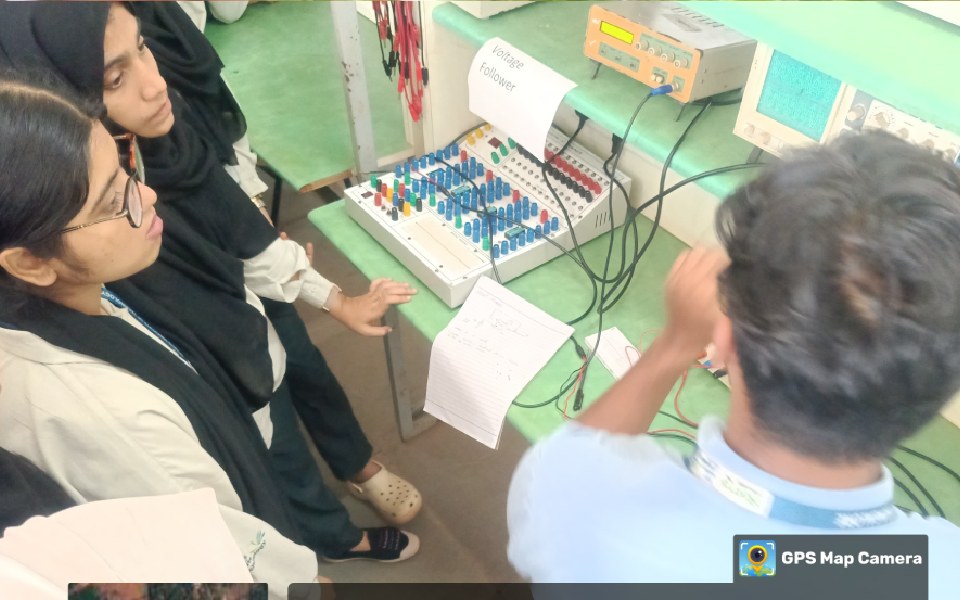
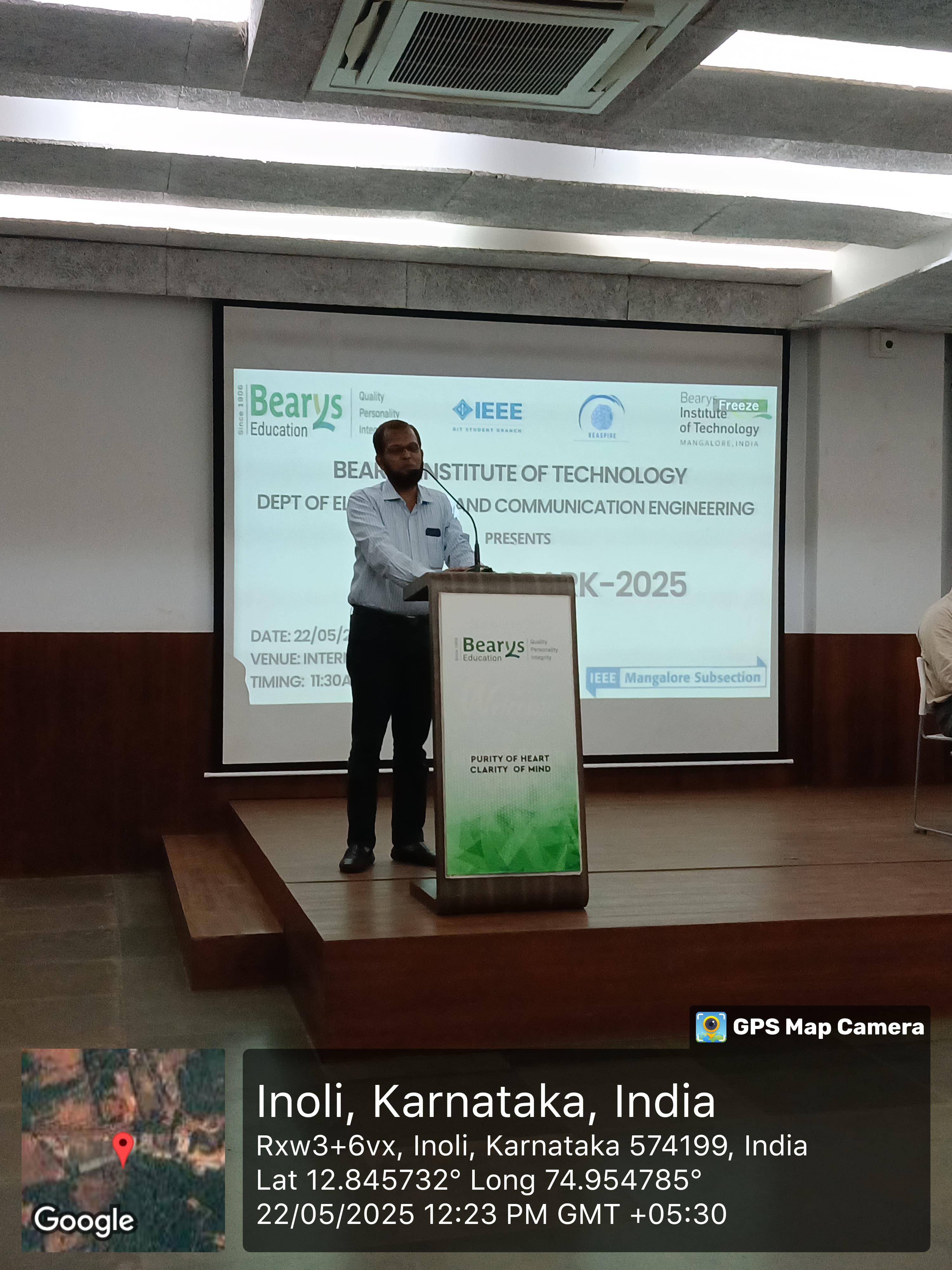
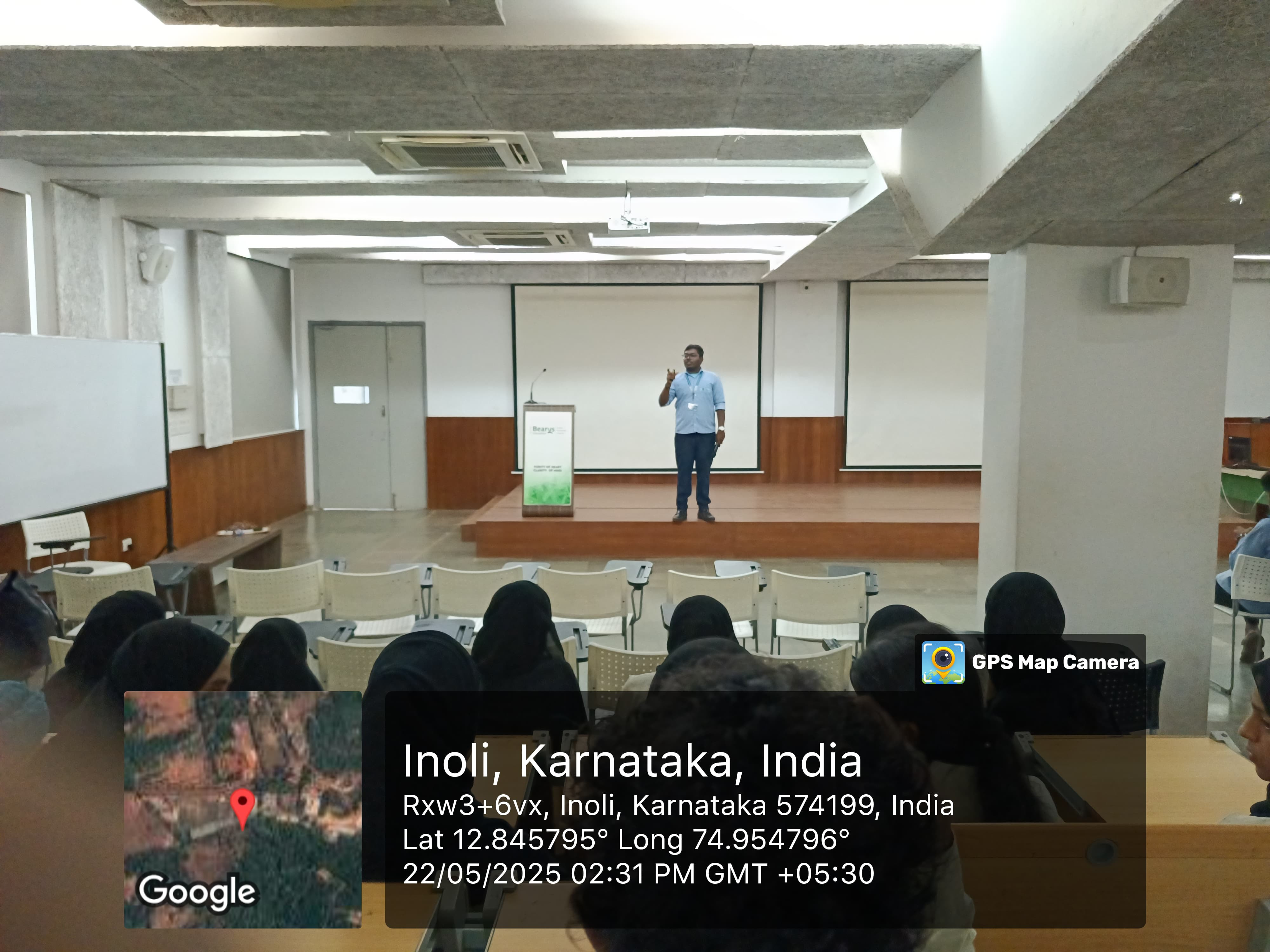
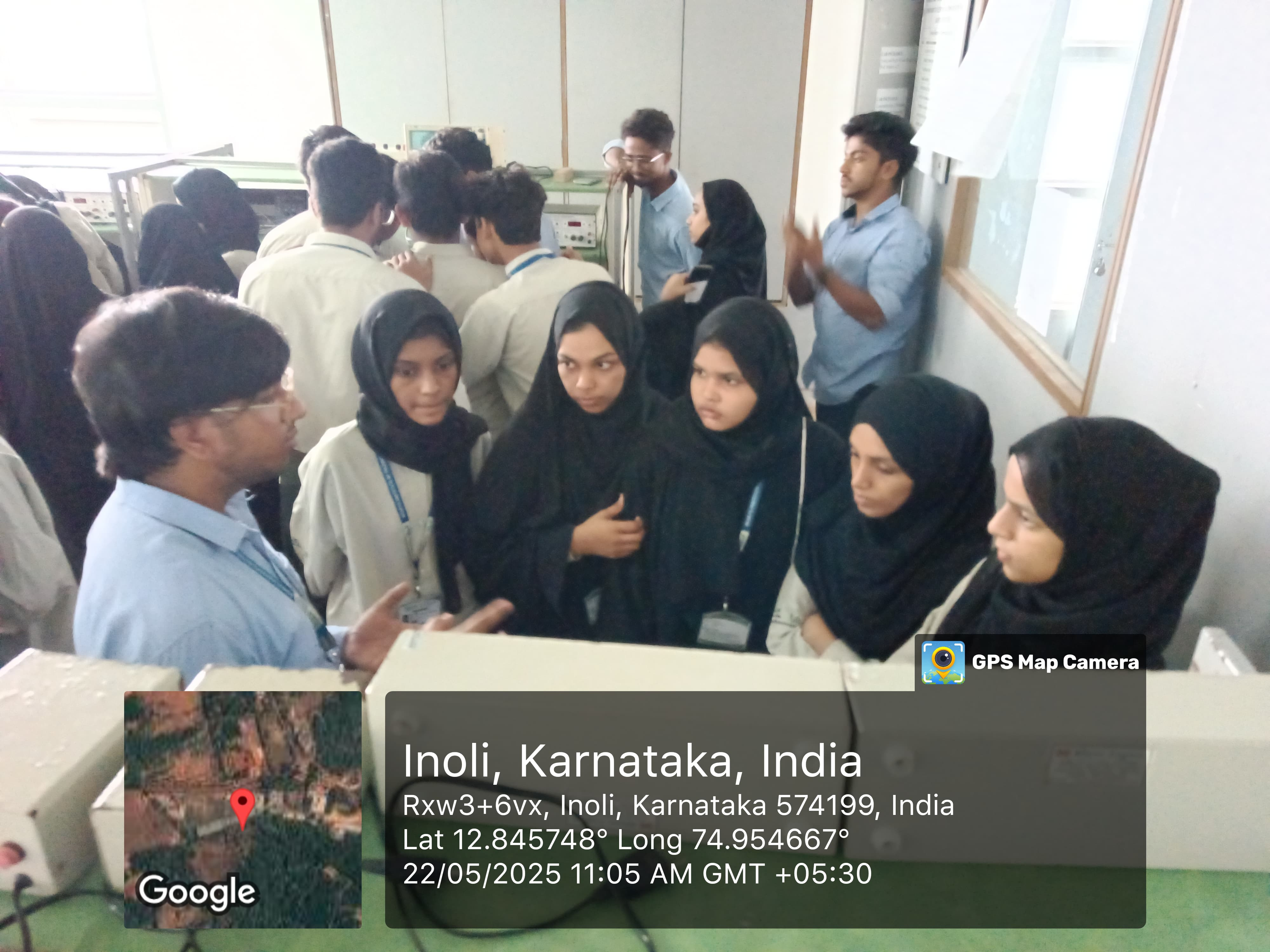
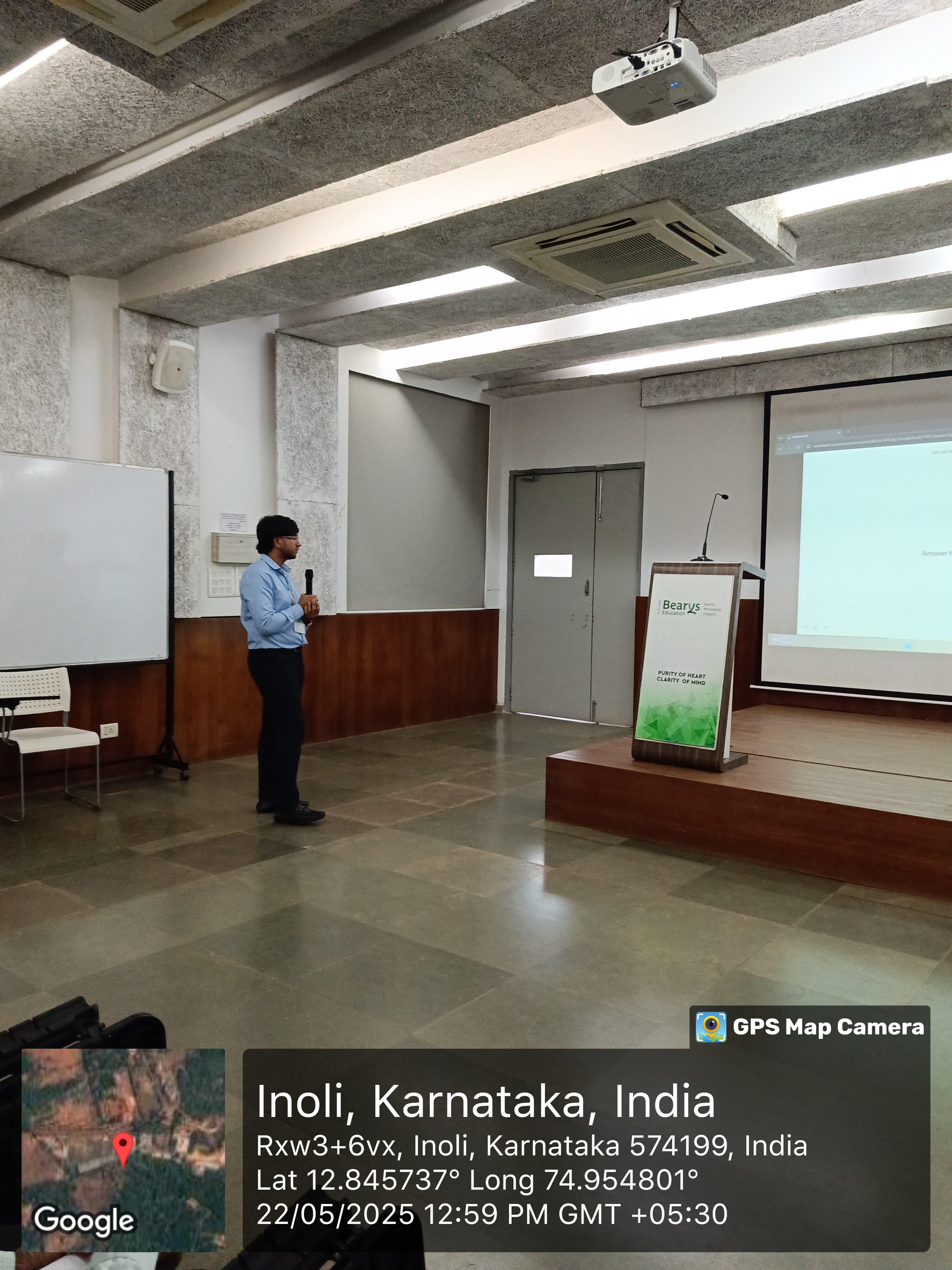
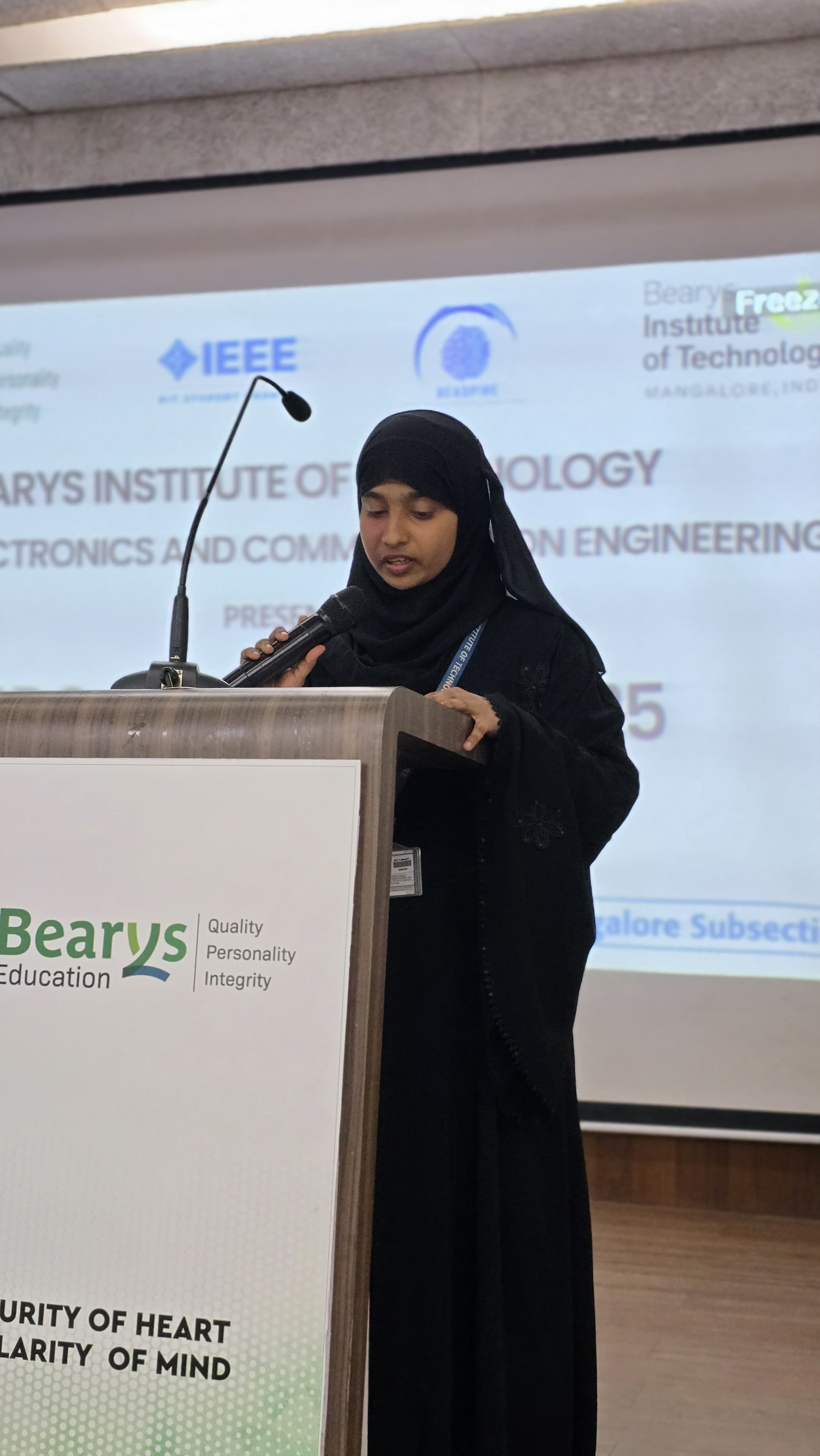
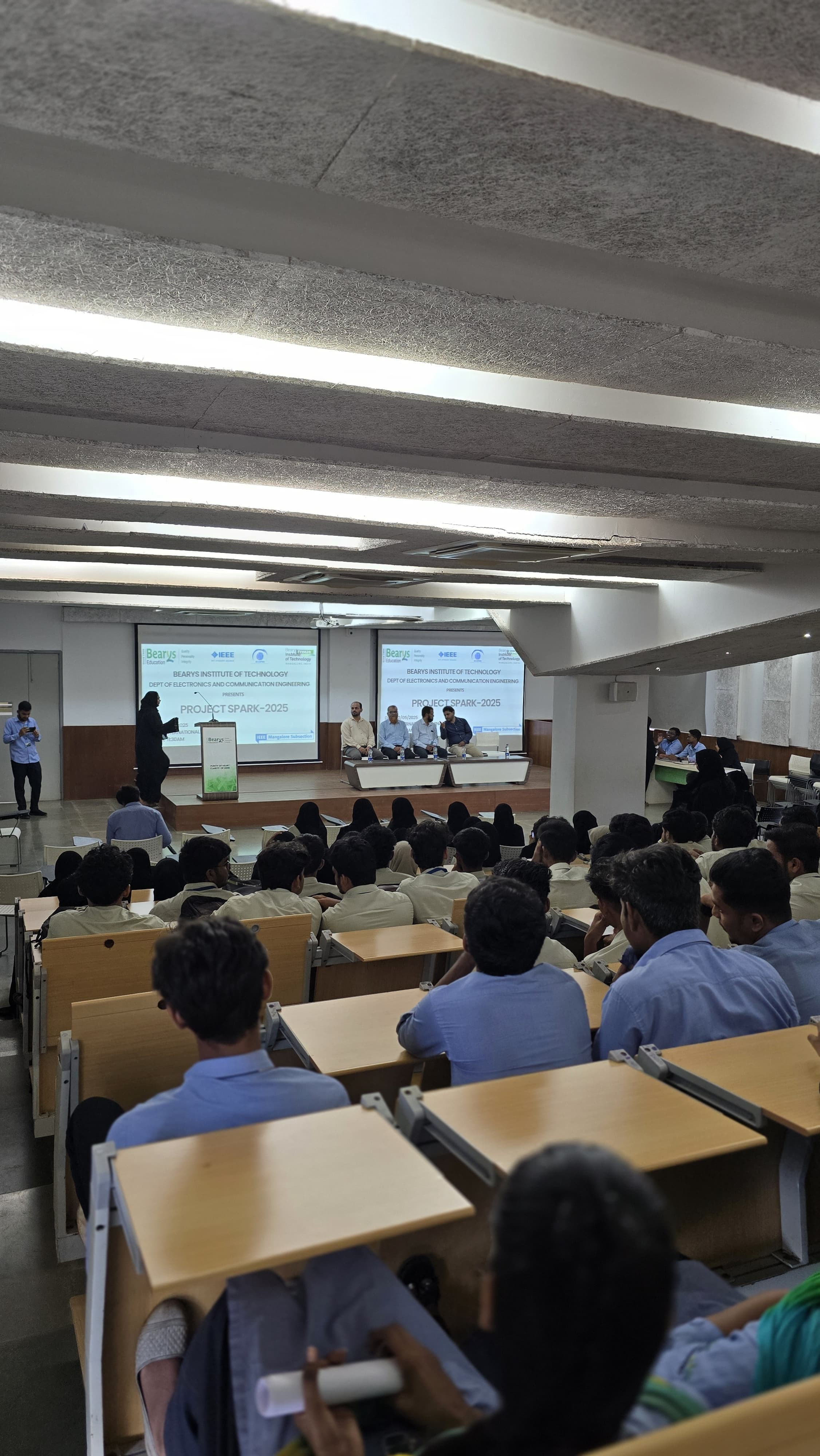
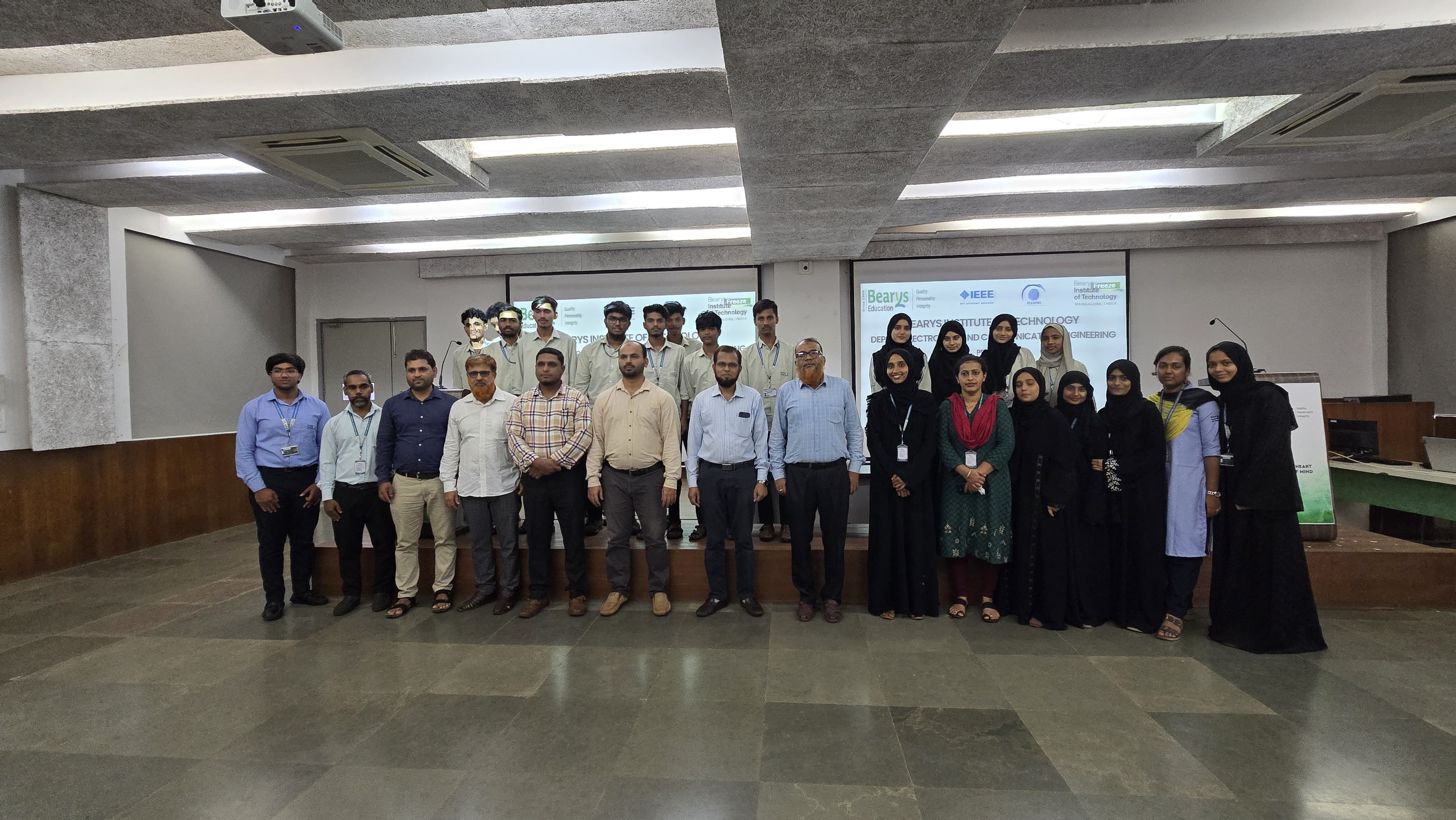
Bearys Institute of Technology, Mangalore – May 2025 (Press Release): The Electronics and Communication Engineering department at BIT, in collaboration with its student association BEASPIRE and the IEEE Student Branch, successfully organized Project Spark 2025 — a vibrant platform that encouraged students to showcase their creativity, innovation, and technical skills. The event was energetically anchored by Shabaz S. M. and Nidha.
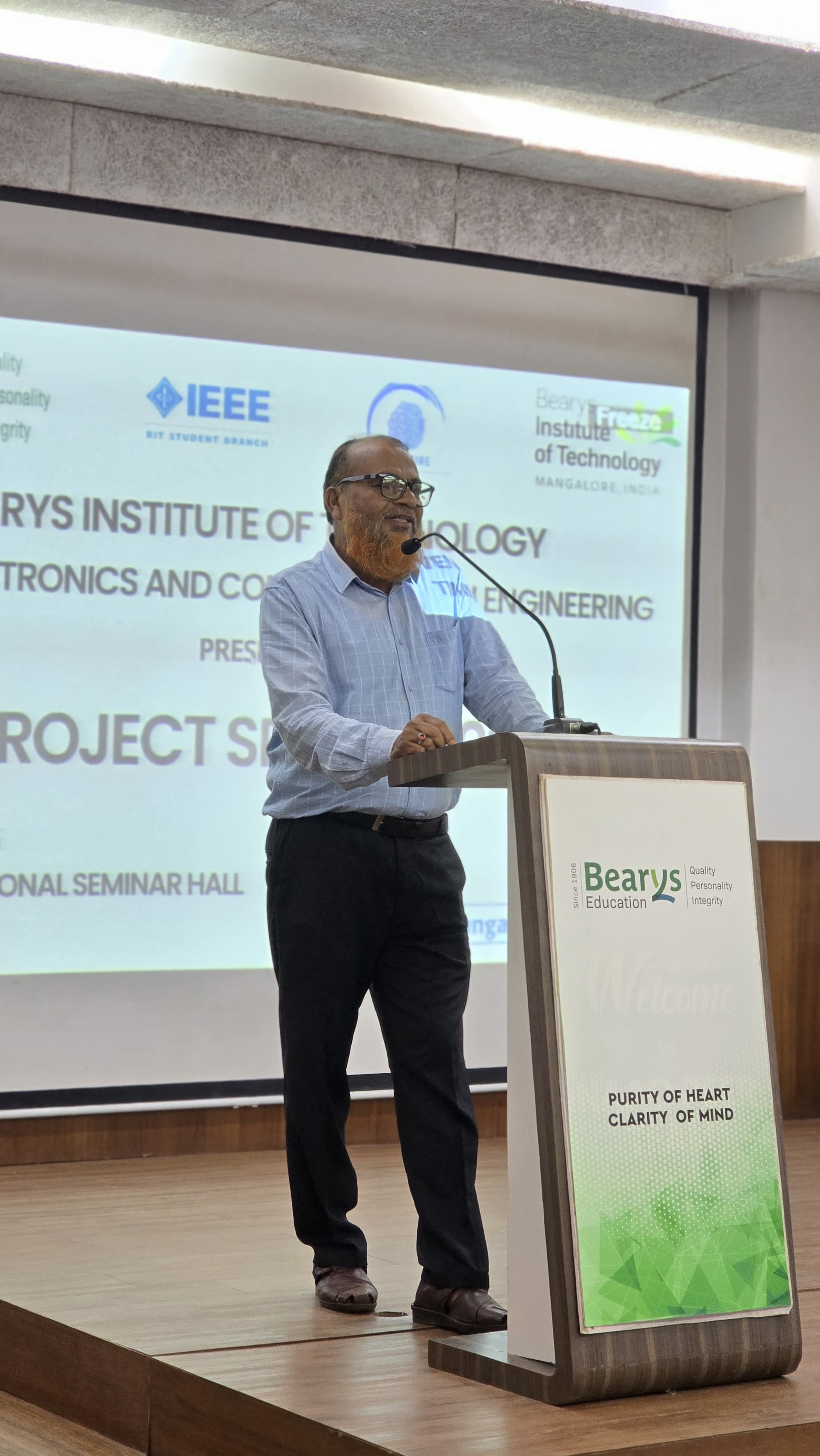
The program commenced with a warm welcome by Ms.Avvabi Shahna. Dr. Abdullah Gubbi, Head of the Department and event coordinator, emphasized the significance of learning through experimentation, motivating students to apply classroom knowledge in real-world scenarios. Principal Dr. S.I. Manjur Basha, in his keynote, urged students to stay updated with emerging technologies to thrive in today’s competitive environment.
The event featured:
A circuit show highlighting practical circuit applications.
A project display showcasing innovative student projects.
A technical quiz designed to test knowledge and critical thinking.
A presentation on electronic components to deepen understanding of hardware fundamentals.
Project-building sessions that promoted collaboration and hands-on learning.
The success of the event was driven by the meticulous efforts of student coordinator Mr. Avinash and his dedicated team.The program concluded with a vote of thanks by Arifa Farhana.
Project Spark 2025 stood as a powerful demonstration of BIT’s commitment to experiential learning and the cultivation of future-ready engineers.



Let the Truth be known. If you read VB and like VB, please be a VB Supporter and Help us deliver the Truth to one and all.
Ordinance issued to increase number of Supreme Court judges from 34 to 38

New Delhi (PTI): The government has promulgated an ordinance to increase the strength of the Supreme Court from the present 34 judges to 38, including the Chief Justice of India.
The law ministry notified the ordinance on Saturday, which amended the Supreme Court (Number of Judges) Act, 1956, to increase the sanctioned strength of the top court.
So far, the sanctioned strength of the top court was 34, including the Chief Justice of India (CJI). Now, the number of judges has been increased by four, taking the sanctioned strength to 38.
The top court will now have 37 judges, other than the CJI.
With the apex court having two vacancies at present, and the ordinance coming into force immediately, the Supreme Court Collegium will now have to recommend six names for appointment as judges in the top court.
A bill will be brought in the Monsoon Session of Parliament to convert the ordinance – an executive order – into a law passed by Parliament.
The Union Cabinet had cleared a draft bill on May 5 to increase the number of apex court judges.
The strength of the Supreme Court was last increased from 30 to 33 (excluding the CJI) in 2019.
The Supreme Court (Number of Judges) Act, as originally enacted in 1956, put the maximum number of judges (excluding the CJI) at 10.
This number was increased to 13 by the Supreme Court (Number of Judges), Amendment Act, 1960, and to 17 by another amendment to the law.
The Supreme Court (Number of Judges) Amendment Act, 1986, augmented the strength of judges from 17 to 25, excluding the CJI.
A fresh amendment in 2009 further increased the strength from 25 to 30.
Article 124(3) of the Constitution lists the qualifications required to become a Supreme Court judge.
An Indian citizen who has either served as a high court judge for at least five years, or as an advocate for 10 years, or is a distinguished jurist, can be appointed to the top court.
The strength of the Supreme Court is increased based on the recommendations of the CJI, who writes to the Union law minister. After consulting the finance ministry, the Department of Justice under the law ministry moves the Cabinet with a draft bill.