Sangh parivar activist arrested for recording video of neighbor woman while taking bath
Cops blamed for filing weak case
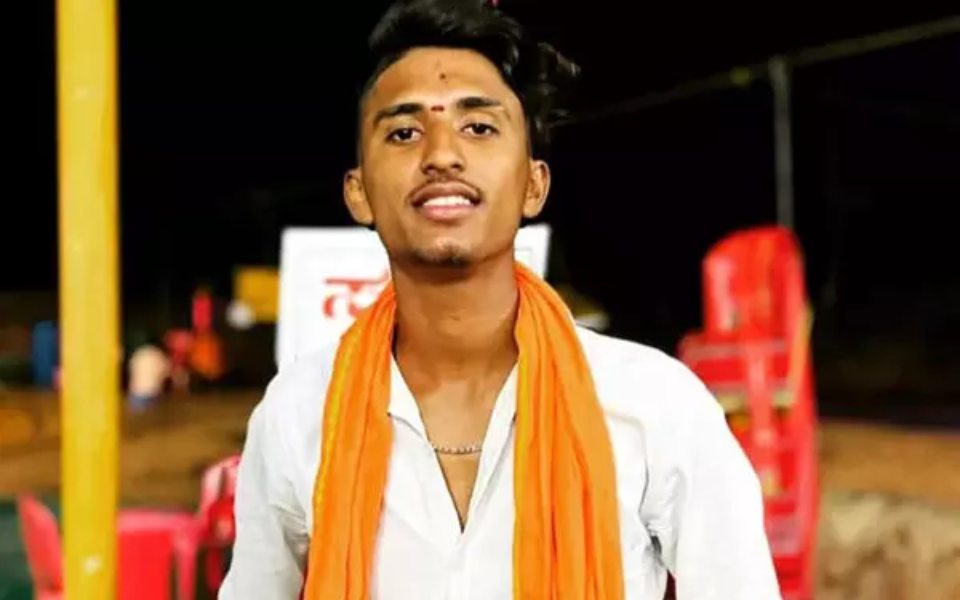
Mangaluru: A Sangh Parivar activist was arrested by the Mulki Police on Wednesday after he was allegedly caught recording a video of his neighbor woman while she was bathing. The accused, identified as Sumanth Poojary (22) from Hosakadu in Pakshikere, is known to be an active member of the Hindu Jagarana Vedike's Pakshikere unit.
The incident came to light a little late and is said to have occurred on Wednesday night around 11:00 in the Kemral Grama Panchayat area, near Paksikere’s Hosakadu. According to reports, Sumanth secretly recorded the woman's video while she was bathing in the bathroom. When the woman noticed the mobile camera, she raised an alarm, attracting neighbors and locals to the scene. They apprehended Sumanth and subsequently informed the local police.
Upon arriving at the location, the police took Sumanth into custody and seized the mobile phone used for recording the video. However, there are allegations that the police, under pressure from Sangh Parivar leaders, filed a case under sections of the law that could result in the accused being granted bail during the trial.
In an unexpected turn of events, on Thursday, a relative of the accused visited the police station and provided a surety bond worth Rs 50,000. After signing an undertaking, the police released Sumanth on bail.
During the investigation, it was revealed that the accused's mobile phone contained several explicit videos and photos.
Let the Truth be known. If you read VB and like VB, please be a VB Supporter and Help us deliver the Truth to one and all.
Trump says he ‘hasn’t even thought about’ continuing Iran ceasefire
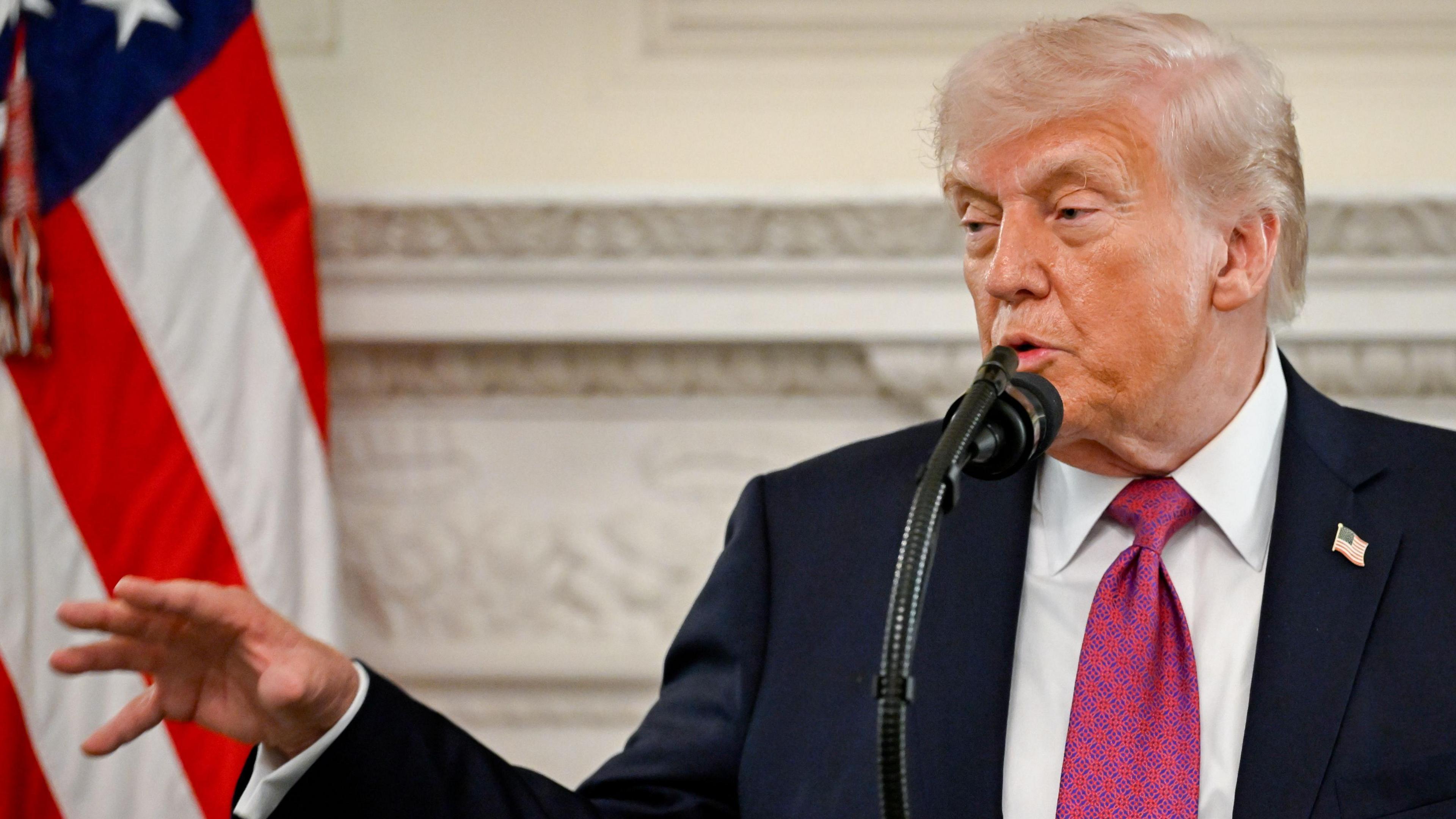
Washington: US President Donald Trump has said he has not yet considered whether he would continue the ceasefire involving Iran, while also claiming the United States holds the advantage in negotiations.
Speaking to reporters, Trump said he was prepared to make a deal with “whoever is running the show” in Iran.
“They are fighting with each other, there’s tremendous infighting. They’re probably fighting for leadership in many cases. I think they’re fighting not to be leader because we knocked out two levels of leaders,” he said.
Trump added, “When they want they can call me. We have all the cards, we’ve won everything.”
Referring to ongoing negotiations, he said, “They gave us a paper that should’ve been better. And, interestingly, immediately when I cancelled it [envoy trip to Pakistan], within 10 minutes we got a new paper that was much better.”
“We talked about they will not have a nuclear weapon, very simple … They offered a lot, but not enough,” he added.
When asked whether he would continue the ceasefire, Trump replied, “I haven’t even thought about it.”
The remarks come as uncertainty remains over the future of the temporary truce and broader negotiations between Washington and Tehran.