The Kross Bikes Mangalore cyclothon 2024: 1200+ cyclists pedal for road safety, fitness awareness
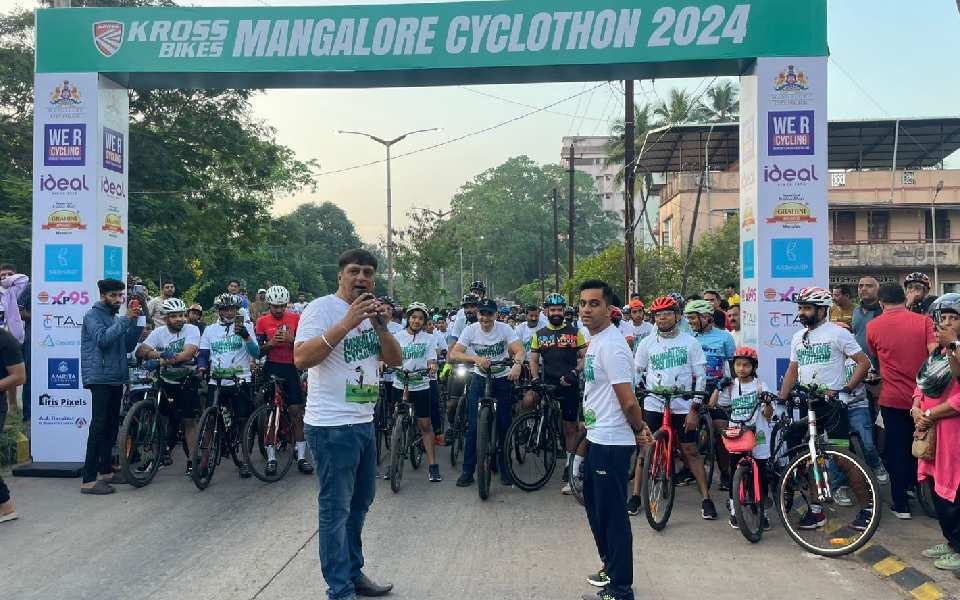
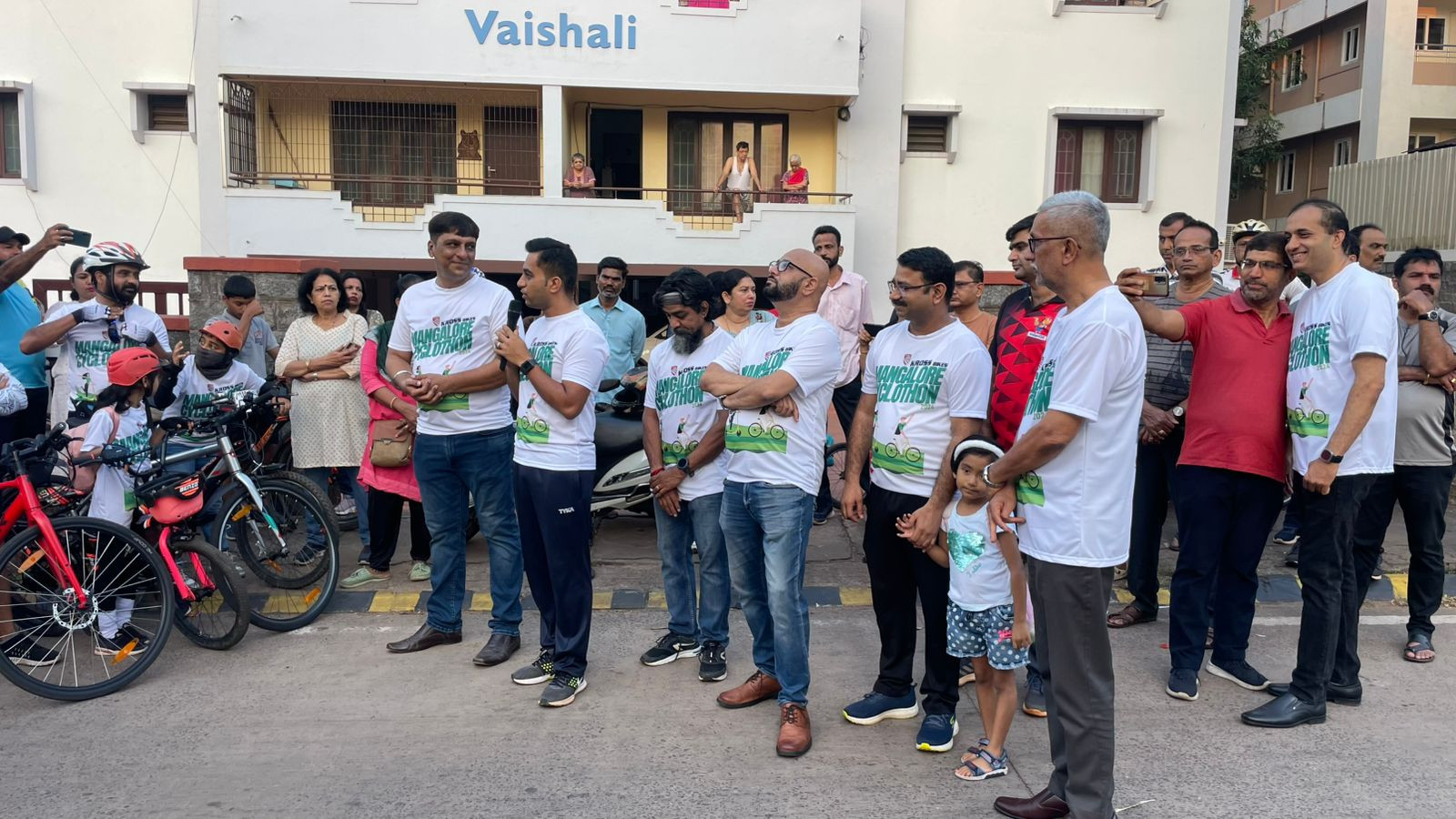
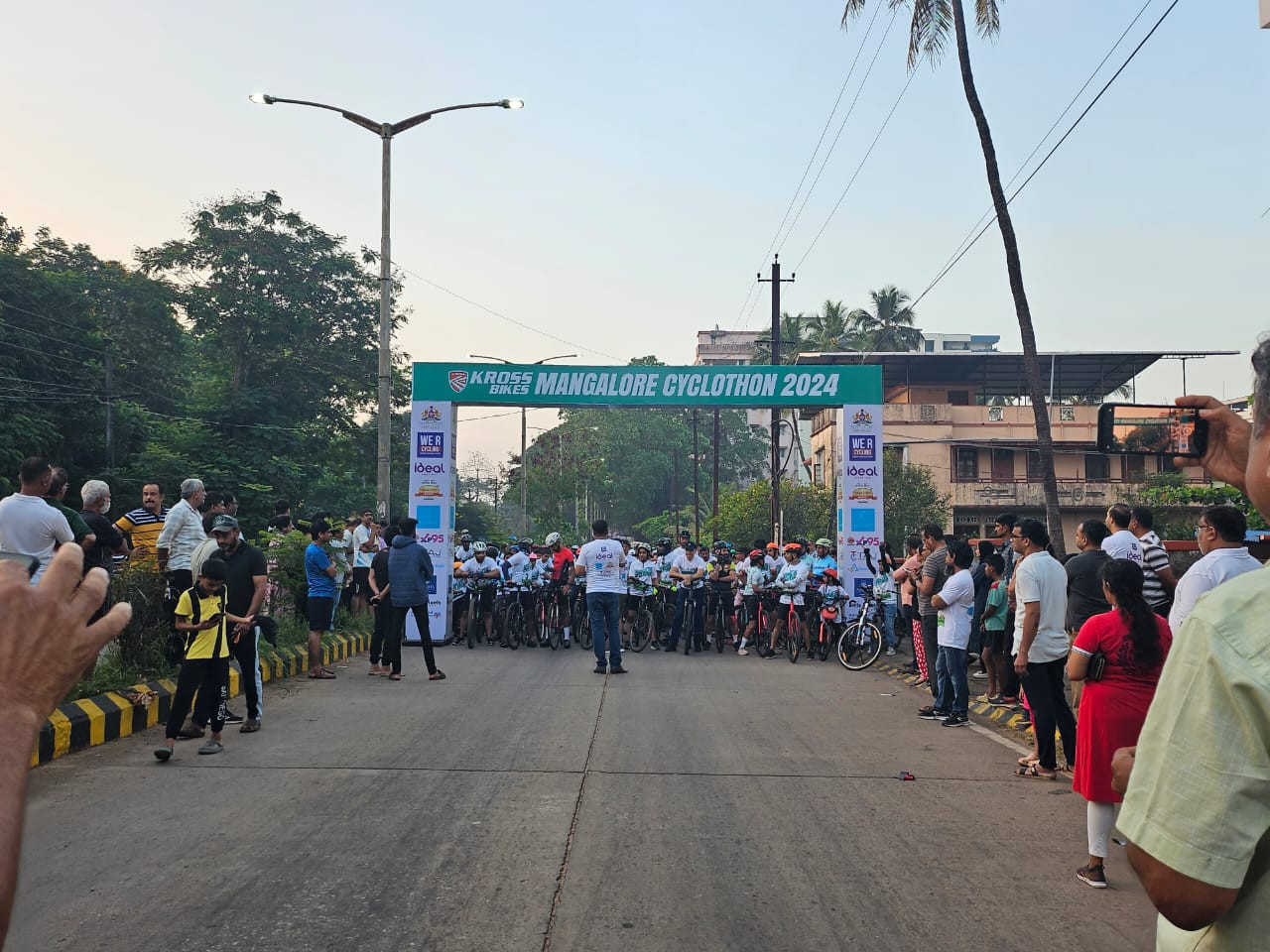
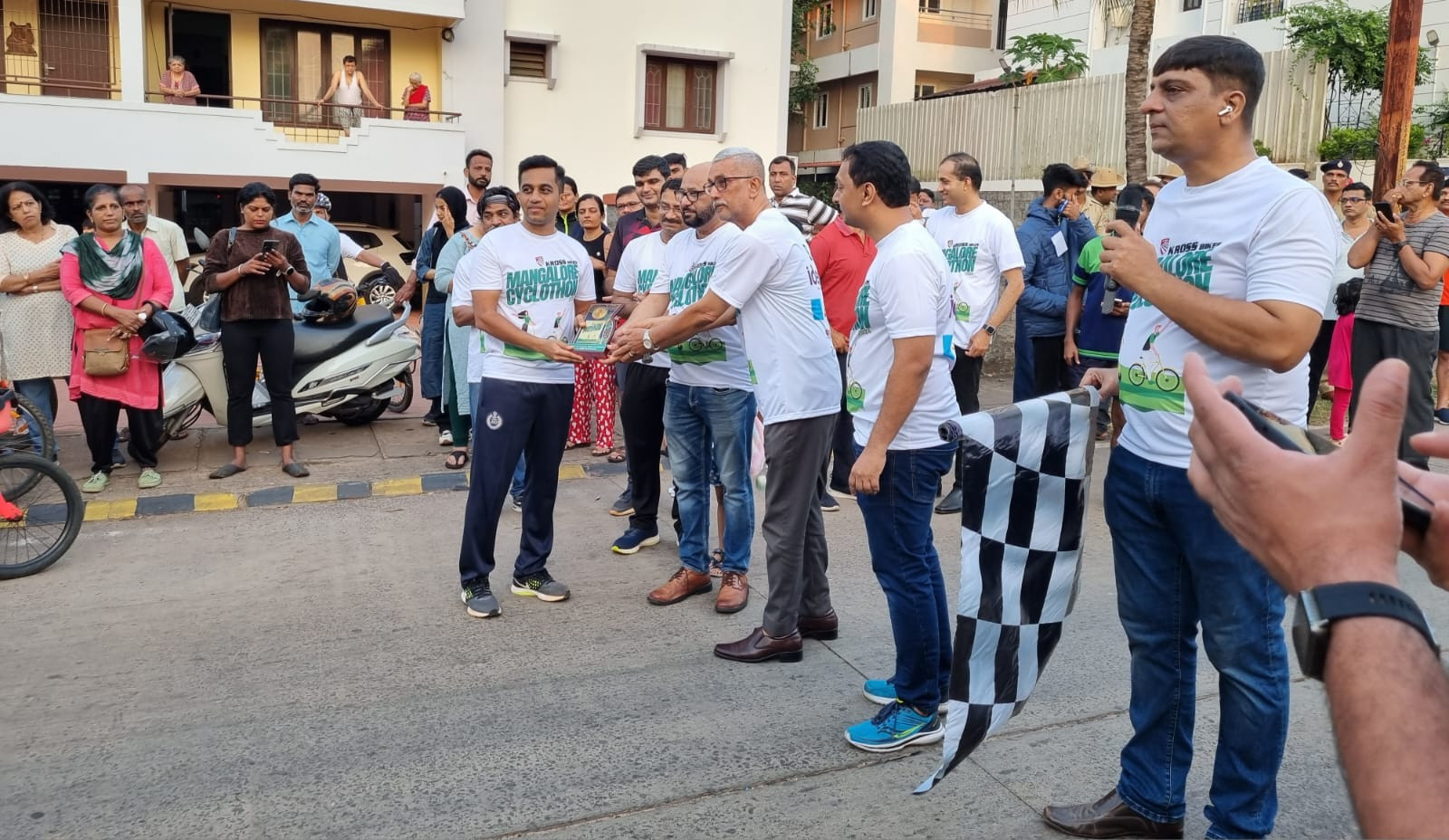
Mangaluru: The Kross Bikes Mangalore Cyclothon-2024, held on Sunday morning, attracted around 1,200 cyclists, including schoolchildren, professional cyclists, and regular riders from different clubs. The event focused on promoting road safety and responsible cycling, with a special emphasis on school students and their parents.
"The rally was organized to raise awareness about road safety and responsible cycling for students and their parents," said Harnish Raj of We R Cycling.
The event was flagged off by Dakshina Kannada SP Yatish N, who expressed his delight at seeing so many children enthusiastically participating in the event, which focused on fitness, road awareness, and safety. The children were divided into two batches, with a lead car from the police department, a safety car, and senior cyclists guiding the ride. The rally began at Mangala Stadium at 7.15 am, covering a distance of 6.5 km through prominent city locations like Shri Narayana Guru Circle, Lalbagh, Jail Road, and Karangalpady Market, before concluding at the Amrita Vidyalayam school ground in Boloor around 8.15 am.
Following the rally, a post-rally workout was conducted by Kasharp Fitness. The valedictory ceremony was attended by various guests, including R S Jamwal, Zonal Sales Head of Kross Bikes; Mukund Kamath of Ideal Ice Cream; Yogesh Patidar, Divisional Sales Head of IOCL; Anand Prabhu of Kasharp Fitness; Shubhananda and Shivananda Rao of Grahini Masala; and S M Muthalib of Taj Cycle Co. A lucky draw was held for registered participants, with two cycles given away to lucky winners Mohammad Diyan and Ewan D'Souza.
Cyclist Gleona D'Souza, who represented Karnataka State in the Senior Women Cycling category at the National Cycling event, was honored for her remarkable achievement, marking a first for a Mangalorean. Hardik Rai, who participated in the state-level cycling competition and the 642 km Deccan Cliffhanger endurance race from Pune to Goa, was also felicitated for his accomplishments. Young cyclist Shamanth Bhat was recognized for his representation in the state-level cycling event.
We R Cycling president Sarvesha Samaga congratulated all the cyclists and encouraged budding riders to work harder in organized events to secure podium finishes at the state and national levels. He urged cyclists to pursue their dreams of representing the district, state, and national teams. First-aid and ambulance services were provided by A.J. Hospital, and Taj Cycles offered backup vehicles and mechanic assistance. The event was organized by Team 'We R Cycling' in collaboration with Kross Cycles, Ideal Ice Cream, Indian Oil Corporation Ltd, Kasharp Fitness, Grahini Masala, Canara Bank, and Taj Cycles.
Let the Truth be known. If you read VB and like VB, please be a VB Supporter and Help us deliver the Truth to one and all.
Telangana survey flags 89,000 child labourers, highlights caste disparities in employment
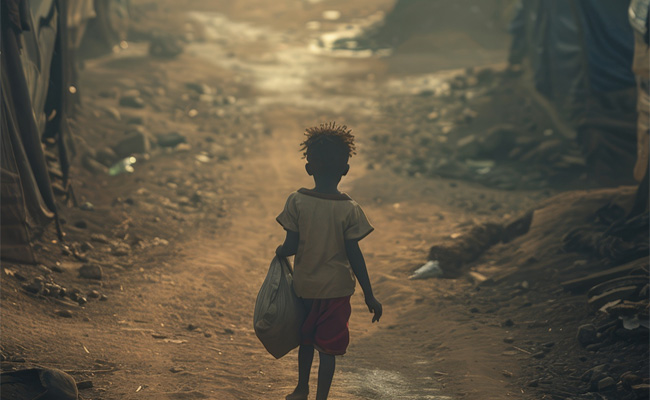
Hyderabad: A caste-based survey conducted by the Telangana government for 2024–25 has identified around 89,000 children engaged in labour across the state, with a large share belonging to Scheduled Caste (SC) and Scheduled Tribe (ST) communities.
The findings are part of the Socio, Economic, Educational, Employment, Political and Caste (SEEEPC) Survey, which covered about 3.5 crore people across 242 caste groups. According to the report, nearly one per cent of individuals below 18 years are involved in daily wage work. While the percentage appears small, officials noted that the absolute number reflects a serious concern.
The survey found that 11 per cent of identified child labourers belong to the ST Lambadi community, while 14 per cent are from the SC Madiga community. The highest incidence was reported among the ST Kolam group, where 7.2 per cent of minors are engaged in daily wage labour.
The data also revealed wider socio-economic disparities. Nearly half of the Scheduled Caste population is dependent on daily wage work, while only around 5 per cent are employed in the private sector, compared to about 30 per cent among General Castes.
State Welfare Minister Ponnam Prabhakar said the findings show that SC and ST communities remain three times more backward than General Castes, while Backward Classes are about 2.7 times more disadvantaged.
The report further noted that, on average, 31.3 per cent of people in the 25–65 age group depend on daily wage work. Among communities, the BC-A Odde group recorded the highest share at 55 per cent. In contrast, only 2.6 per cent of OC Brahmins rely on such work.
Several SC and ST communities, including Kolam, Beda, Madiga, Koya, Gond, Yerukulas and Mala Sale, were found to have among the highest proportions of daily wage earners. On the other hand, most General Caste communities and some Backward Class groups such as Goldsmiths and BC-C Christians showed lower dependence on daily wage employment.
The survey also pointed to inequalities in access to formal employment. Communities such as OC Rajus, OC Brahmins and Kapus were found to have a higher presence in private sector jobs, with up to 27 per cent of their population employed in such roles.