Udupi Netrajyoti Paramedical College video case handed over to CID for investigation
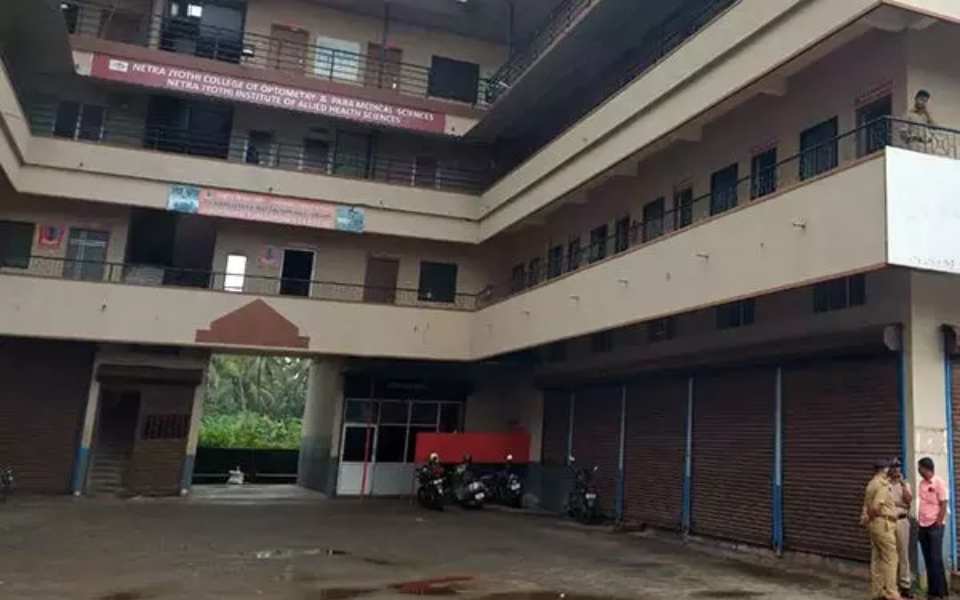
Udupi, Karnataka: On Monday, August 7, the state government took the decision to hand over the investigation of the Udupi Netrajyoti Paramedical College video case to the Criminal Investigation Department (CID).
The case revolves around an incident that occurred on July 18, where three female students from the college allegedly filmed a video of another female student while she was using the restroom. The incident sparked widespread controversy across the state, leading to public outcry and demands for a thorough investigation.
ALSO READ: KPCC spokesperson questions BJP's silence on Sangh Parivar activist in filming woman in bathroom
Initially, a week after the incident, the Malpe police registered a suo-moto case and began conducting an inquiry. However, in response to protests and demands for a high-level investigation by the Bharatiya Janata Party (BJP), Akhil Bharatiya Vidyarthi Parishad (ABVP), and Sangh Parivar, the investigating officer was replaced by Kundapur Deputy Superintendent of Police (DySP) Belliyappa.
Now, in the latest development, the state government has transferred the case to the CID for further examination. The CID police team is set to arrive in Udupi on Tuesday and will meet with the Superintendent of Police (SP) and the investigating officer to collect all relevant documents and evidence.
Let the Truth be known. If you read VB and like VB, please be a VB Supporter and Help us deliver the Truth to one and all.
Trump says he ‘hasn’t even thought about’ continuing Iran ceasefire
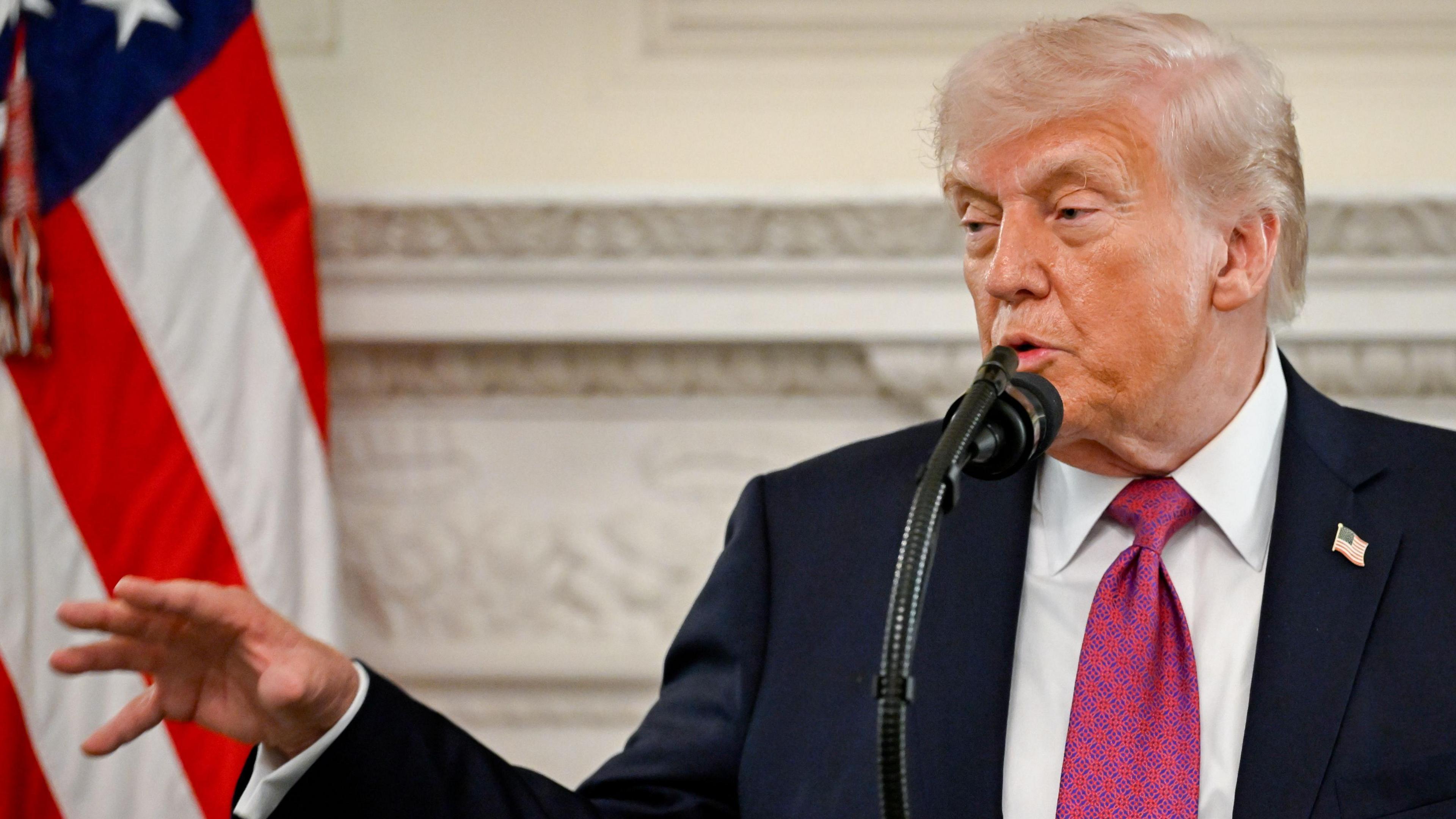
Washington: US President Donald Trump has said he has not yet considered whether he would continue the ceasefire involving Iran, while also claiming the United States holds the advantage in negotiations.
Speaking to reporters, Trump said he was prepared to make a deal with “whoever is running the show” in Iran.
“They are fighting with each other, there’s tremendous infighting. They’re probably fighting for leadership in many cases. I think they’re fighting not to be leader because we knocked out two levels of leaders,” he said.
Trump added, “When they want they can call me. We have all the cards, we’ve won everything.”
Referring to ongoing negotiations, he said, “They gave us a paper that should’ve been better. And, interestingly, immediately when I cancelled it [envoy trip to Pakistan], within 10 minutes we got a new paper that was much better.”
“We talked about they will not have a nuclear weapon, very simple … They offered a lot, but not enough,” he added.
When asked whether he would continue the ceasefire, Trump replied, “I haven’t even thought about it.”
The remarks come as uncertainty remains over the future of the temporary truce and broader negotiations between Washington and Tehran.