Where is Priyanka Gandhi? Her voter lynched in Mangaluru, still no response
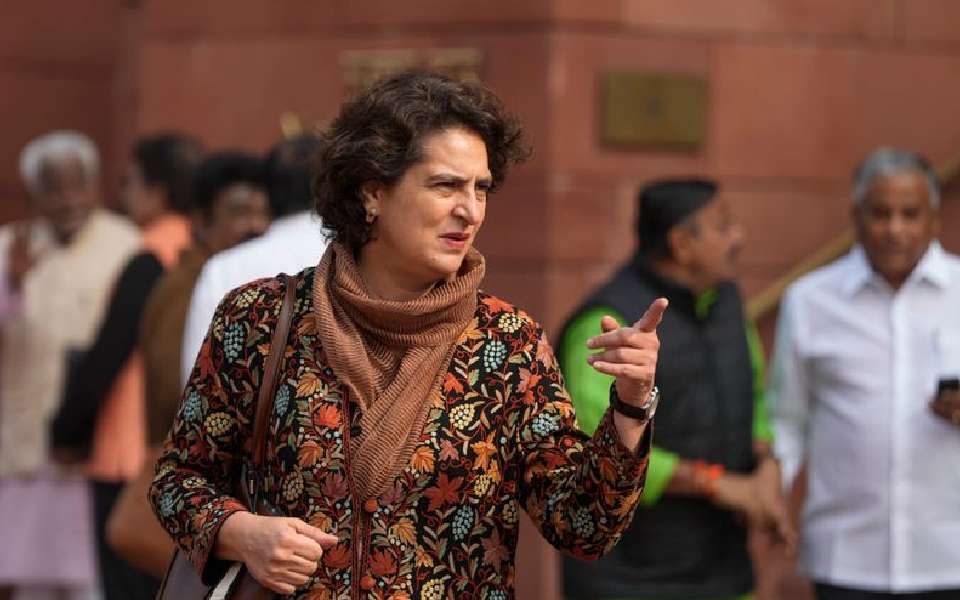
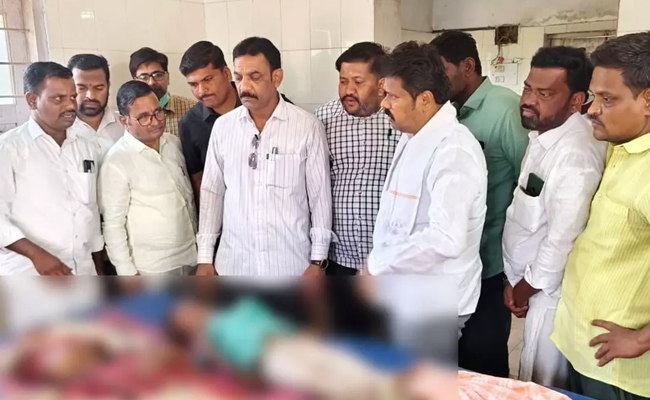
A voter from Wayanad, the very constituency that elected Priyanka Gandhi to the Lok Sabha with a record margin of over four lakh votes, has been brutally murdered in Mangaluru. Yet, there has been no statement, no visit, and no visible intervention from the newly elected Member of Parliament.
Ashraf, a mentally ill man from Wayanad, was reportedly lynched by a mob of Hindutva activists on the outskirts of Mangaluru. Eyewitness accounts suggest that he was chased and beaten mercilessly, despite some locals pleading with the attackers to stop. However, the police allegedly attempted to suppress the nature of the crime, initially dismissing it as a case of drunkenness or an accident. Bruises on Ashraf’s body were ignored, and for two days, the case was handled with silence and negligence.
It was only due to consistent media reporting and the voices of political and social leaders that the truth began to emerge. It is now widely believed that around 30 individuals were involved in the brutal assault on Ashraf. The attempt to hush up the murder has drawn serious questions about the functioning and intention of the police.
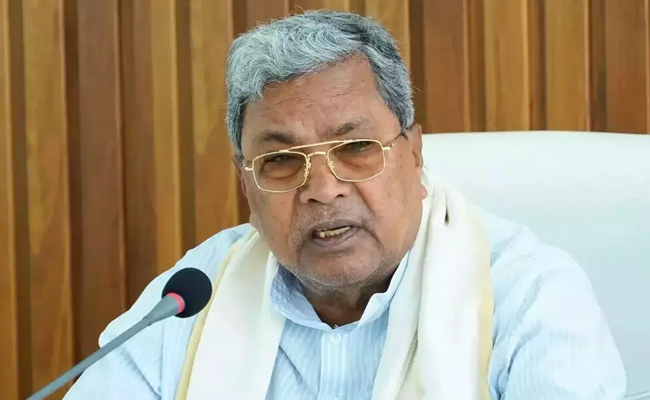
Adding to the controversy, Karnataka Home Minister Dr G Parameshwar claimed that the attack happened because Ashraf allegedly shouted “Pakistan Zindabad.” This statement has further derailed the investigation, critics say. It has triggered outrage across Karnataka, with many asking how the Home Minister had access to information about such a slogan but did not know the basic fact that Ashraf was mentally unwell.
Even more disturbing is the silence of other senior leaders. The District In-charge Minister Dinesh Gundu Rao's reference to Ashraf as someone from a “different community” has also sparked public anger. Citizens are asking how a Muslim man from Wayanad can be referred to as a non-Muslim. The statement has only added to the confusion and suspicion around the case.
Now, Ashraf’s family has taken his body back to Wayanad. And the questions remain unanswered: Will Priyanka Gandhi visit Ashraf’s home? Will she express solidarity with his grieving family? Will she demand that the Karnataka government take strict action against the killers?
The voters of Wayanad are watching. Will Priyanka Gandhi call Karnataka’s Home Minister and question him about his controversial statement? A statement that mirrored the claims made by the very people accused in the case? Since when did statements made by the accused become the basis of public messaging in a murder case?
Will the Wayanad MP hold the Congress government in Karnataka accountable for failing to act promptly? Will she ask why neither the Chief Minister nor the Deputy Chief Minister has spoken on the matter?
The Congress came to power in Karnataka promising justice, equality, and safety for all communities. Karnataka’s Muslim voters, especially, placed their faith in the Congress by turning away not just from the BJP but also from the JDS. What are they being given in return?
At a time when Priyanka Gandhi should have been standing with her constituents and in Parliament against the Waqf Amendment Bill, she was reportedly abroad during the passing of the Waqf Amendment Bill. Many now wonder if this absence is a convenient escape from politically sensitive issues.
If she is back, it is time for her to act. The family of Ashraf, a man from her own constituency, deserves justice. Every single accused in this lynching case—from those who carried out the violence to those who orchestrated it—must face the maximum punishment under the law.
If not, it will not just be Ashraf’s family, but the entire electorate of Wayanad that will be left questioning: why did Priyanka Gandhi contest from their constituency where the party ticket was to be given to a Muslim party worker?
Let the Truth be known. If you read VB and like VB, please be a VB Supporter and Help us deliver the Truth to one and all.
SRH beat CSK by 10 runs

Hyderabad (PTI): Nitish Kumar Reddy and Eshan Malinga shared five wickets between them as hosts Sunrisers Hyderabad defeated Chennai Super Kings by 10 runs in their IPL match here on Saturday.
Defending 195, Hyderabad restricted struggling CSK to 184 for eight. CSK have crashed to fourth defeat in six matches.
Abhishek Sharma (59) and Heinrich Klaasen (59) took CSK to 194 for nine with their splendid batting. For CSK, Jamie Overton and Anshul Kamboj picked up three wickets apiece while Mukesh Choudhary bagged two.
Brief Scores:
Sunrisers Hyderabad: 194 for 9 in 20 overs (Abhishek Sharma 59, Heinrich Klaasen 59; Jamie Overton 3/37, Anshul Kamboj 3/22).
Chennai Super Kings: 184 for 8 in 20 overs. (Ayush Mhatre 30, Matthew Short 34; E Malinga 3/29, N Reddy 2/31).