Will the drug menace in Dakshina Kannada stop?
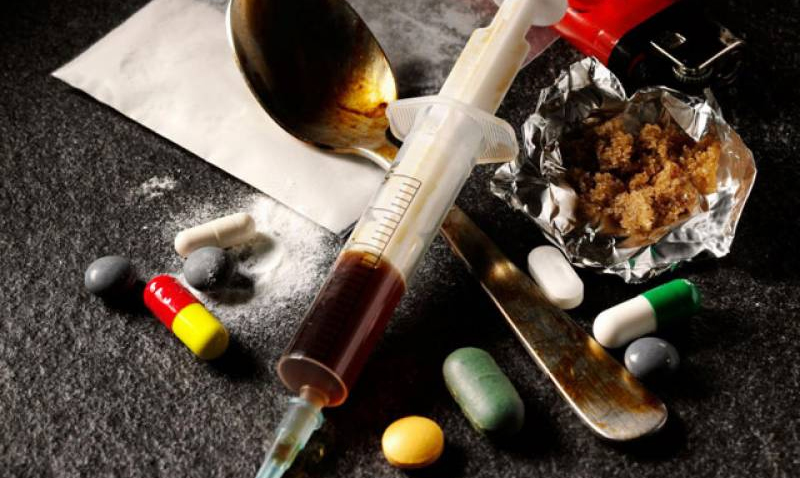
The drug menace in the state has grabbed a lot of headlines recently. After a reported crackdown on one of the major drug rackets in the state’s capital, several sandalwood stars are said to be under the scanner of authorities for drug abuse. But Mangaluru in Dakshina Kannada has been a hub for the peddling and circulation of drugs in Dakshina Kannada District. This has resulted in compromising the future of the youth in the district and the administration has hardly put in any major efforts to combat the drug mafia.
Although the police have been seizing a large amount of drugs and arresting accused every now and then, it has failed to catch hold of the roots of this mafia and to nab their kingpins.
Several youngsters in Dakshina Kannada District have been trapped into this dangerous nexus of the drugs which has clouded uncertainty over their future and their families have been left with nothing but despair and pain.
Despite efforts of public awareness in the district and the efforts of the police department, the nexus has only expanded its wings across the district. The police department has been issuing and publishing reports of drug seizure and arrests of the accused which in fact has been making it evident that how the nexus has expanded itself in the district.
Drugs worth 38.60 lakh Rupees seized in two months in Mangaluru:
According to the data provided by the office of Mangaluru Police Commissioner, the police department has registered 18 cases drugs peddling, smuggling, and consumption between January and August 2020. 33 people have been arrested in these 18 cases reported under Mangaluru Commissionarate this year.
The department has seized drugs worth Rs. 40,30,150 which includes 146 kg Ganja, 30.14 grams MDMA, 153 MDM pills, and other drugs.
Interestingly, more than 90% of this seizure has come in the span of the last two months i:e July and August. The department has seized drugs worth Rs. 38, 60,300 in the two months.
Asserting that the menace of drugs in universal, the Mangaluru City Police Commissioner, Vikash Kumar admitted that since Mangaluru shares its borders with neighboring states, it becomes critical to pay extra attention to these issues. He also added that the city police were working in coordination with Hassan, Udupi, and DK District Police to cap the spread and peddling of these drugs among the residents.
“But to act accordingly, we will need the support and co-operation of the people. If they have any information on drugs or related activities they should share it with us which will enable us to crack the nexus down. We never want our youth and our society get trapped into this and we will everything that we can to stop this menace” Vikash Kumar said while talking to Vartha Bharati.
Vartha Bharati has repeatedly pressed upon the need of creating wider awareness among the people against the drugs mafia. We also launched a campaign in February 2020 against the nexus which had to be put on hold after publishing the first few issues of the campaign, owing to the COVID-19 pandemic spread.
Dakshina Kannada has been one of the major targets of drugs mafia in the coastal Karnataka and they’ve been smuggling these drugs to the district from other states. Kerala, Kasargod, Goa, and Maharashtra are some of the routes through which the drugs make its way into Dakshina Kannada mostly using train routes. Once it reaches Dakshina Kannada, the local peddlers use websites, email, and WhatsApp as a means to sell, book these drugs.
Even as the School and Colleges have remained closed since March this year due to COVID-19, the police department continues to bust drug rackets, arrest peddlers, and accused which calls for a wider introspection and a comprehensive action by the district administration against the nexus.
LSD is among one of the most sought drugs among the youngsters in the district who also have access to Brown Sugar, Heroin, Cocaine, Opium, MDMA, MDS, and others. Believed to be able to change and alter the emotions of people, the lethal LSD has made its way to Dakshina Kannada and is easily available to the seekers.
Dr. Shrinivasa Undaru Bhat, Professor at KS Hegde Medical Academy’s Department of Psychiatry says that the drug industry is the second most successful and wealthy industry in the world after the weapon industry. He believes that in Mangaluru the kingpins of the drugs mafia enroll themselves or their representatives in the colleges to market the drugs.
“This I can say from the experience of dealing with the victims who come to me for treatment and deaddiction of the drugs. So finding the roots of the network becomes a challenge for the police department. We have a dedicated ward for the treatment of drug addicts, apart from this, I have also dealt with at least 500 people at my clinic over the last 12 years who were victims of this nexus.
“In the beginning the victims begin with habits like smoking, consuming alcohol, and then get addicted to drugs gradually. They say it gives them pleasure and happiness. And once they are high, they forget all their stress and they will enjoy” he said.
A victim who had fallen into the trap of this nexus spoke to Vartha Bharati and explained his ordeal.
“In a bid to enjoy the life I fell into this trap. And it took me three years to realize its consequences and to come out of this. I am now using my experience to warn young people like me against getting into this. I have been there and I know how people suffer in this. So I want to save as many people as I can from getting into this and putting their careers and futures at risk” the victim said.
Let the Truth be known. If you read VB and like VB, please be a VB Supporter and Help us deliver the Truth to one and all.
2 days' WFH for govt offices, Metro use by ministers: Delhi CM's call for fuel conservation
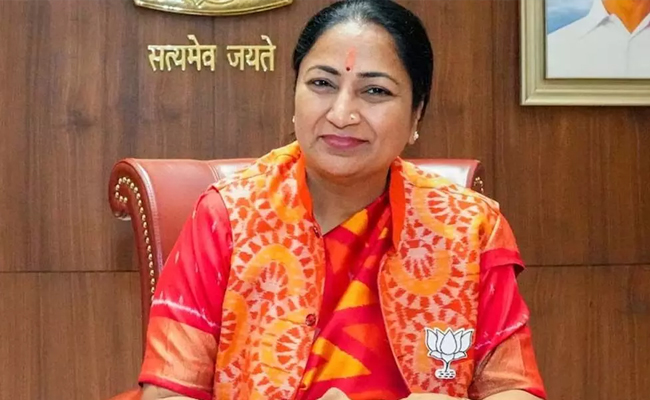
New Delhi (PTI): Delhi Chief Minister Rekha Gupta on Thursday announced a slew of measures including two days of 'work from home' (WFH) for government offices, use of Metro trains on Mondays by ministers and officers, and a voluntary 'no-vehicle day' every week.
Gupta said in a press conference attended by her Cabinet colleagues that the government has drawn an extensive plan under "Mera Bharat, Mera Yogdan" to implement the appeal of Prime Minister Narendra Modi for saving fuel and wise expenditure.
She said all Delhi government offices will follow WFH two days a week. The private sector will also be requested to follow it, she said.
Gupta said all ministers, officers and she herself will use Metro for commuting on Mondays while people will be requested to observe 'no-vehicle day' every week.
The government has also decided to cancel all official foreign visits by ministers for one year while no big events will be hosted by it for the next three months, she said.
The chief minister said petrol and diesel quotas of the Delhi government officers have also been slashed by 20 per cent.
Earlier, Gupta headed a meeting with all her Cabinet ministers and senior officers of the government to discuss ways to save fuel and other resources amid global uncertainty over crude oil and gas supplies.
The chief minister has also cut down on her carcade by 60 per cent, following Prime Minister Narendra Modi's appeal to people to spend wisely and save fuel in view of the war in West Asia.
The chief minister's convoy now has only four vehicles, including two EVs.