14 UK returnees to Karnataka test positive for COVID-19; samples sent for genetic sequencing
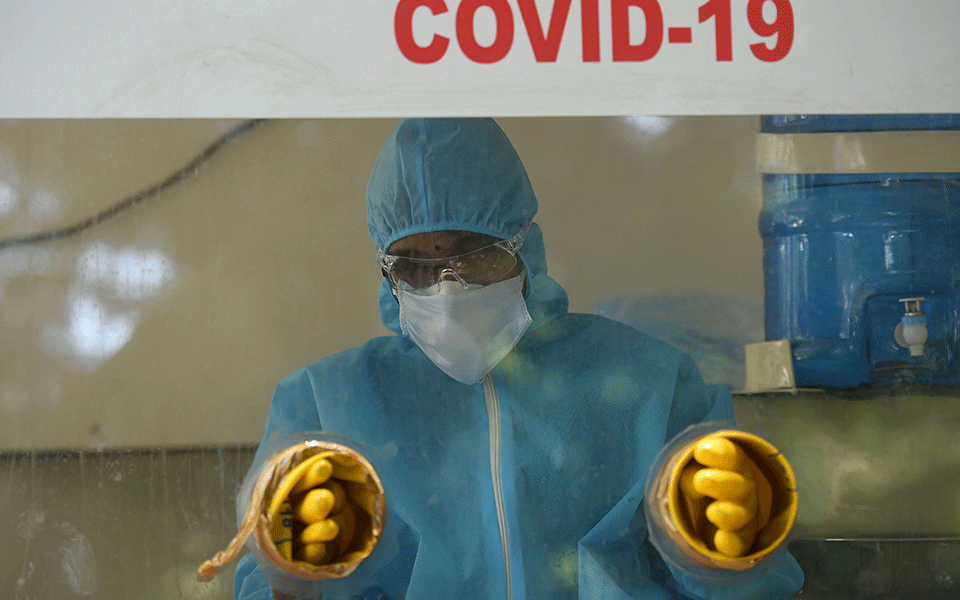
Bengaluru: Karnataka Health Minister K Sudhakar on Saturday said 14 people who have come to the state from the UK so far have tested positive for COVID-19 and their samples have been sent for genetic sequencing to find whether it is a new strain of virus that has infected them.
"A total of 2,500 people have come (from the UK), of them 1,638 have been tested. According to information I received last night 14 of them have tested positive. All the 14 (samples) have been sent to NIMHANS for (genetic sequencing)," he said.
Speaking to reporters here, he said, the Central government has notified ten designated labs in the country for genetic sequencing, out of them two are in Bengaluru- NIMHANS and National Centre for Biological Sciences (NCBS).
"The 14 samples are undergoing genetic squening. The second variant of virus in the UK is said to have undergone 17 mutations, the genetic sequencing will test in detail about mutations, which may require 48 hours, probably it (report) will come tomorrow," he said.
A total of 2,500 people have come to the state from the UK from November 25 till December 22 in two flights-Air India and British Airways- that operate, and efforts were on to trace, monitor their health and subject them to tests.
The Minister however, said information regarding the genetic sequencing test reports as per the Prime Minister's Office message will be sent to Indian Council of Medical Research which is likely to share the information to the public in a day or two.
"...a total of 38,500 passengers have come to the country from the UK since November 22 and after gathering information about samples, positives and final report after genetic sequencing from all states, ICMR either tomorrow or the day after will share the information to the media," he added.
Let the Truth be known. If you read VB and like VB, please be a VB Supporter and Help us deliver the Truth to one and all.
Ordinance issued to increase number of Supreme Court judges from 34 to 38
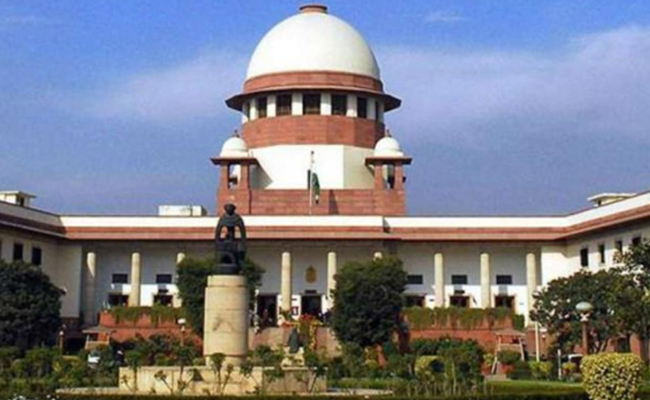
New Delhi (PTI): The government has promulgated an ordinance to increase the strength of the Supreme Court from the present 34 judges to 38, including the Chief Justice of India.
The law ministry notified the ordinance on Saturday, which amended the Supreme Court (Number of Judges) Act, 1956, to increase the sanctioned strength of the top court.
So far, the sanctioned strength of the top court was 34, including the Chief Justice of India (CJI). Now, the number of judges has been increased by four, taking the sanctioned strength to 38.
The top court will now have 37 judges, other than the CJI.
With the apex court having two vacancies at present, and the ordinance coming into force immediately, the Supreme Court Collegium will now have to recommend six names for appointment as judges in the top court.
A bill will be brought in the Monsoon Session of Parliament to convert the ordinance – an executive order – into a law passed by Parliament.
The Union Cabinet had cleared a draft bill on May 5 to increase the number of apex court judges.
The strength of the Supreme Court was last increased from 30 to 33 (excluding the CJI) in 2019.
The Supreme Court (Number of Judges) Act, as originally enacted in 1956, put the maximum number of judges (excluding the CJI) at 10.
This number was increased to 13 by the Supreme Court (Number of Judges), Amendment Act, 1960, and to 17 by another amendment to the law.
The Supreme Court (Number of Judges) Amendment Act, 1986, augmented the strength of judges from 17 to 25, excluding the CJI.
A fresh amendment in 2009 further increased the strength from 25 to 30.
Article 124(3) of the Constitution lists the qualifications required to become a Supreme Court judge.
An Indian citizen who has either served as a high court judge for at least five years, or as an advocate for 10 years, or is a distinguished jurist, can be appointed to the top court.
The strength of the Supreme Court is increased based on the recommendations of the CJI, who writes to the Union law minister. After consulting the finance ministry, the Department of Justice under the law ministry moves the Cabinet with a draft bill.