
5,102 nominations filed by over 3,600 candidates for Karnataka polls, scrutiny of papers today
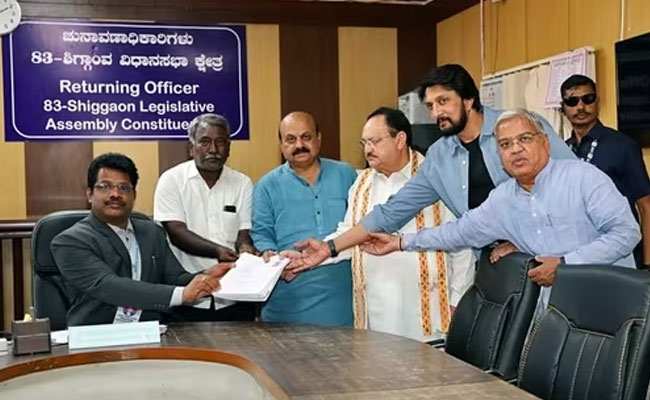
Bengaluru (PTI): Over 3,600 candidates have filed a total of 5,102 nominations for the upcoming Assembly polls in Karnataka till April 20, the last day for filing of the papers, with the documents set to be scrutinised on Friday, election officials said here.
The process of filing nomination papers began on April 13 with the election notification being issued. Scrutiny of nominations will take place today, and the last day for the withdrawal of candidature is April 24.
Voting will be in a single phase across the state on May 10 and the counting of votes is scheduled for May 13.
Of the total nominations, 4,710 were filed by 3,327 male candidates and 391 nominations were by 304 female candidates. One nomination has been filed by an "other gender" candidate, the Office of the Chief Electoral Officer of Karnataka said in a statement late on Thursday night.
It said 707 nominations were filed by candidates who identified themselves with the BJP, 651 Congress, 455 JD(S) and the rest from other smaller parties and Independents.
According to the officials, one candidate may file up to four nominations.
On Thursday, the sixth and last day for filing of the papers, 1,934 nominations were filed by 1,691 candidates, including several prominent leaders.
In a surprise move just hours before the deadline for filing of nominations, Congress MP from Bangalore Rural D K Suresh entered the fray from the Kanakapura segment, from where his elder brother and state Congress chief D K Shivakumar is the party's candidate.
According to several Congress functionaries, Suresh has filed his papers as a "backup plan" in the event of the nomination of Shivakumar getting rejected.
In Hassan, JD(S) candidate H P Swaroop filed his nomination with the backing of the entire family of former prime minister and JD(S) patriarch H D Deve Gowda.
BJP candidate from Shivamogga Channabasappa, whose ticket was announced on Wednesday night by the party, filed his papers in the presence of senior leader and sitting MLA K S Eshwarappa, who has announced retirement from electoral politics.
Accompanied by Independent MP Sumalatha Ambareesh and Minister C N Ashwath Narayan, BJP candidate from Mandya Ashok Jayaram filed his nomination papers.
According to reports, Congress working president Satish Jarkiholi filed his nomination from Yemakanmardi in Belagavi district. Minister Shashikala Jolle filed her papers from her traditional seat of Nippani in the district, accompanied by Union Minister Pralhad Joshi.
Among others who filed their nominations on Thursday were the BJP's M P Renukacharya (Honnali), Katta Jagadish (Hebbal) and Ramachandra Gowda (Sidlaghatta), and the Congress' Ramanatha Rai (Bantwal) and Yogesh H C (Shivamogga).
Let the Truth be known. If you read VB and like VB, please be a VB Supporter and Help us deliver the Truth to one and all.
Dear Vaibhav, well done: Kohli''s message after Sooryavanshi blitz against RCB
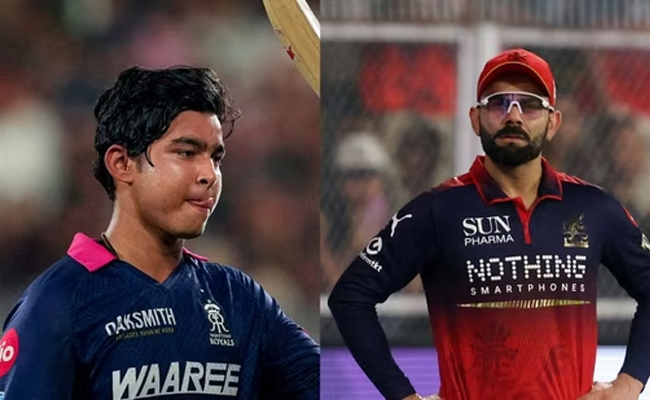
Guwahati (PTI): For a young cricketer, a few words of praise from superstar Virat Kohli can feel like a standing ovation, and Vaibhav Sooryavanshi had his moment after yet another breathtaking performance in the IPL.
The 15-year-old continues to carve a fearless reputation, taking on the best with remarkable ease. Fresh from unsettling Jasprit Bumrah, he went after Australian quick Josh Hazlewood, smashing a stunning 78 off just 26 balls to steer Rajasthan Royals to a comfortable six-wicket win over Royal Challengers Bengaluru here on Friday.
After the match, Kohli signed the youngster’s cap and left a simple but special message: “Dear Vaibhav, well done.”
The innings also propelled Sooryavanshi to the top of the run charts this season, earning him the Orange Cap.
Rajasthan Royals stayed unbeaten with four wins in as many games, while the defending champions suffered their first loss of the campaign.
_vb_08.jpeg)
_vb_13.jpeg)
_vb_70.jpeg)