ARTO, RTO offices in Karnataka to go paperless, DL, LL services will be offered online: Sriramulu
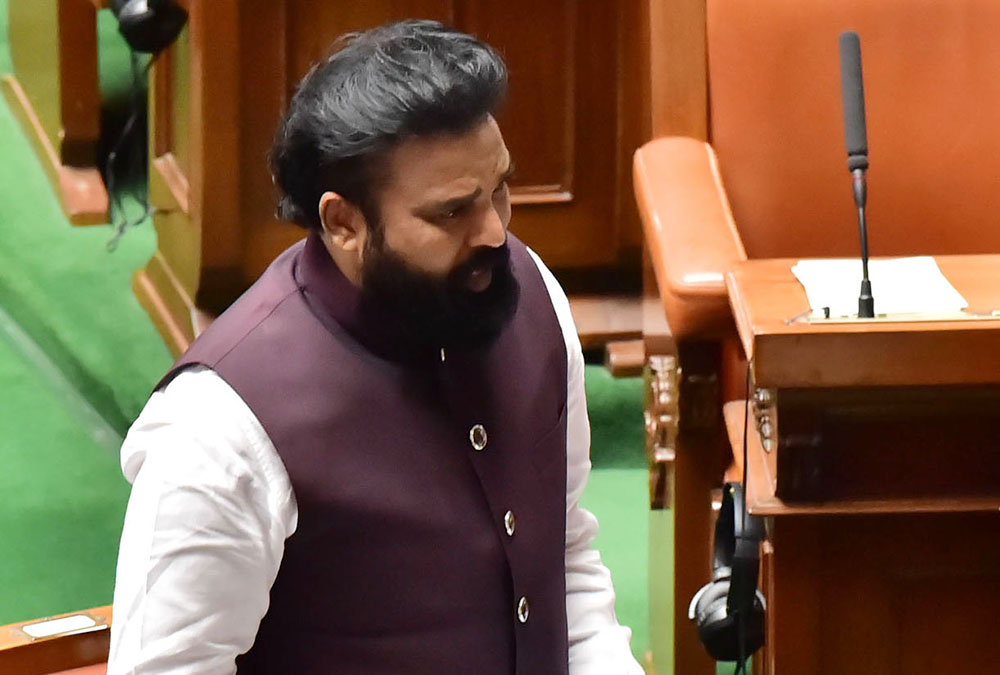
Bengaluru: Karnataka Minister of Transportation Department and Tribal Welfare of Karnataka on Wednesday said his ministry will soon introduce online services for Driving License (DL) and Learning License (LL) in a bid to make offices of Assistant Regional Transport Officer (ARTO) and Regional Transport Officer (RTO) paperless.
Replying to a query posed by Congress leader DS Holegeri, at the Karnataka Assembly in the ongoing session, the Minister said all the services of ARTO and RTO offices will be made available online aiming to go paperless and to reduce the need of people having to visit these offices.
He also added that proposals have been made for establishing new ART/RTO offices in Muddebihal, Sindagi or Indi region in Vijaypura district, Hinnali, Chennagiri in Davangere district, Sedam in Kalaburagi, Sindanur/Lingasur in Raichur district and in Kundapur Taluk of Udupi district.
“There are demands of opening ARTO, RTO offices at various places across the state. We will do it step by step while also considering the availability of the funds with the ministry.” He said.
Let the Truth be known. If you read VB and like VB, please be a VB Supporter and Help us deliver the Truth to one and all.
NEET student hangs self in Rajasthan's Sikar

Jaipur (PTI): A student preparing for the NEET examination allegedly committed suicide by hanging himself in a rented room in Rajasthan's Sikar on Friday, police said.
According to the police, the student allegedly hanged himself from a ceiling fan using his sister's scarf while one sister was attending coaching classes and the other was in the bathroom.
He had appeared in the NEET UG exam 2026, which was cancelled due to paper leak, they said.
Udyog Nagar SHO Rajesh Kumar said that the deceased, identified as Pradeep Meghwal, was a resident of Kanika ki Dhani village in Jhunjhunu's Gudha Gaudji area.
He had been living in a rented room in Sikar's Jaldhari Nagar area with his two sisters while preparing for NEET over the last three years.
His elder sister later found him hanging and informed the landlord and police after bringing him down, officials said.
The SHO said the body was kept at SK Hospital mortuary, and a postmortem had not been conducted.
The student's father, Rajesh Kumar Meghwal, told police that Pradeep's NEET examination had gone well and the family was expecting him to score around 650 marks.
Former Rajasthan deputy chief minister Sachin Pilot expressed grief over the incident and linked it to anxiety among students after reports of irregularities and paper leaks in NEET 2026.
Pilot said repeated paper leak incidents and cancellation of examinations were affecting students' mental health and demanded a time-bound investigation and strict action against those responsible.