Bengaluru teen triumphs at National racing C'ship
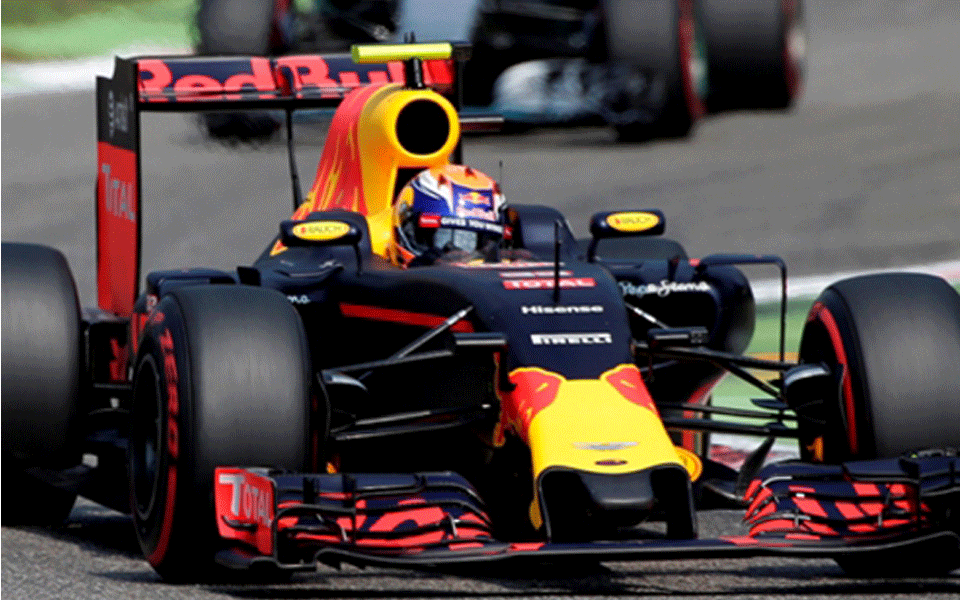
Chennai, Sep 8 : Sohil Shah, a 17-year-old schoolboy from Bengaluru, scripted a fairytale finish to his debut season by emerging the champion in the highly competitive Formula LGB 1300 category in the MRF MMSC fmsci Indian National Racing Championship here on Saturday.
Joining Sohil as a National champion was Prabhu AS (Arka Motorsports) from Namakkal, who took the title in the Indian Junior Touring Cars class.
In the decisive final race today, Prabhu had finished second behind his title rival Chrys D'Souza (Unimek Racing) from Goa but the latter was docked a 30-second penalty for causing a collision, which pushed him to second, while Surat's Nikunj Vagh (Team N1) was elevated to third spot.
Prabhu finished the championship with 103.5 points to D'Souza's 95.5.
Meanwhile, Raghul Rangasamy moved a step closer to his dream of winning the MRF F1600 championship as he finished second behind Mumbai's Nayan Chatterjee and took his tally of points to 152 which put him 14 clear of Goutham Parekh who finished third in the race.
The Championship, whose winner becomes eligible to participate in the Mazda Road To Indy Shootout in the United States later this year, will be decided on Sunday when two more races are run with a maximum of 50 points available.
Later, Arjun Balu (Race Concepts) moved within 13 points of leader Ashish Ramaswamy (Arka Motorsports) from Bengaluru by winning the premier Indian Touring Cars class race with surprising ease.
Balu, hailing from Coimbatore and returning to racing after a five-year break, made capital of his pole position start to win by nearly 13 seconds with Ramaswamy finishing second after getting past team-mate Arjun Narendran who slowed down considerably in the last lap due to handling issues, as he put it.
It meant, going into Sunday's last race, Ramaswamy leads Balu 149-136 with 25 points on offer.
Sohil (M Sport) finished second in the race behind Balaprasath (DTS Racing) but the 18 points he thus earned saw him finish on top in the category with 154 points, just four clear of Chennai's 19-year old Ashwin Datta (Momentum Motorsport) in the final championship standings.
Sohil, who led Ashwin 136-135 after Friday's Race 1, made sure he finished ahead of his rival in Saturday's outing to secure the championship.
"This is my first season in a National Championship and to win a title, it feels fantastic. In Saturday's race, I knew I had to finish in front of Ashwin (Datta) to seal the championship, but it was tough," said Sohil, a 12th standard student of Delhi Public School, Bengaluru.
"I had some issues with the engine and Ashwin was catching up with me, but I managed to stay in front," he added.
The MRF F1600 race saw Chatterjee off to a good start and gradually pulling away from the chasing pack. Through the eight laps of the race, Chatterjee maintained steady pace to won by a handsome margin, while Rangasamy, with an eye on the championship, was content to come in second ahead of his arch-rival Parekh.
Three Indian entries, B Vijayakumar (Coimbatore), Vicky Chandhok and MR Dastur, both from Chennai, qualified in that order for Sunday's Race 1 in the Caterham 7 Asia Zonal Championship double-header while a fourth home driver, Kasha Sai (Salem) took the sixth spot on the grid.
Sandwiched between the home entrants were Sri Lankans Sheran Fernando and Andrew Jude Choksy.
Incidentally, it was the maiden drive in the Caterham cars for Vijayakumar, Dastur and Sai while Chandhok had two podium finishes in the previous round last weekend.
Meanwhile, France's Alessandro Ghiretti, winner of two of the three races last weekend, warmed up for Sunday's triple-header in the Formula 4 South-East Championship by grabbing pole position ahead of Muizz Musyaffa (Malaysia) and Kane Shepherd (UK).
Let the Truth be known. If you read VB and like VB, please be a VB Supporter and Help us deliver the Truth to one and all.
Bengaluru: Commercial building fire brought under control, two rescued
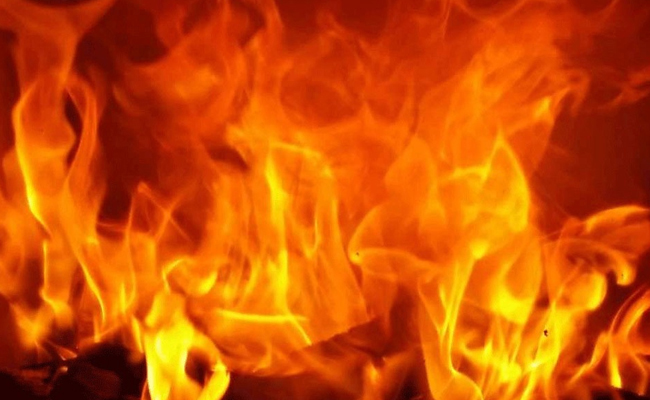
Bengaluru (PTI): A fire broke out in a multi-storey commercial building here on Friday evening, following which two people who were trapped on the terrace were safely rescued, officials said.
The incident occurred at around 5.30 pm at a commercial building located on Coles Road, they said.
However, no casualties were reported, officials added.
According to officials, the blaze started on the terrace, where a pantry and storeroom are located. The situation led to panic as the building is located adjacent to a petrol bunk, raising fears of a possible explosion.
Two people trapped on the terrace due to the fire were rescued by a police team along with Fire and Emergency Services personnel, a senior police officer said.
Four fire tenders were pressed into service, and after nearly an hour of intense firefighting, the blaze was brought under control.
The cause of the fire is yet to be ascertained, police said, adding that further investigation is underway.