Broken gate at Tungabhadra Dam raises alarm for river side residents
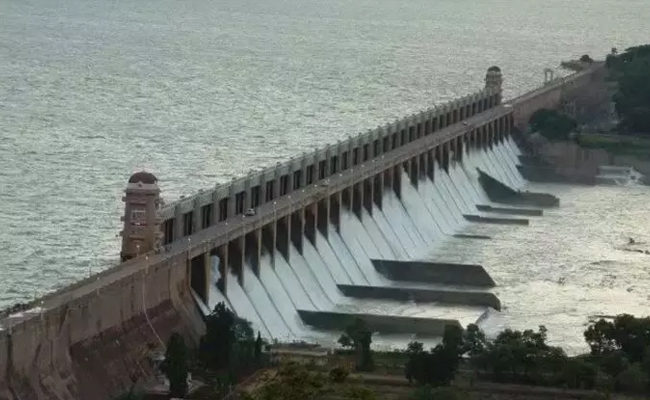
Vijayanagar: A major incident occurred late on Saturday night when the chain link of Gate No. 19 at the Tungabhadra Dam broke, leading to a significant release of water into the river.
At approximately 11:10 PM, officials at the dam heard an unusual noise, and upon investigation, discovered that the gate's chain link had snapped, causing around 35,000 cusecs of water to flow uncontrollably from the gate.
H.N. Muhammad Imam Niazi, Urban Development Authority, visited the site, coordinating with the Tungabhadra Board officials to assess the situation and issue precautionary warnings to downstream areas.
In response to the situation, authorities have initiated the process of emptying water from the dam to facilitate repairs on Gate No. 19. Currently, all 33 gates have been opened, releasing about 1 lakh cusecs of water into the river. Experts have indicated that the water level in the reservoir must be reduced by 20 feet, which requires the release of approximately 2 lakh cusecs of water over the next four days.
River side residents have been advised to remain cautious as the repairs and water release continue.
Let the Truth be known. If you read VB and like VB, please be a VB Supporter and Help us deliver the Truth to one and all.
Ordinance issued to increase number of Supreme Court judges from 34 to 38
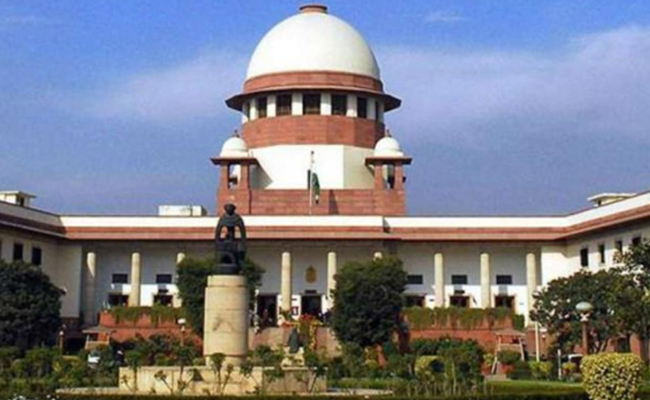
New Delhi (PTI): The government has promulgated an ordinance to increase the strength of the Supreme Court from the present 34 judges to 38, including the Chief Justice of India.
The law ministry notified the ordinance on Saturday, which amended the Supreme Court (Number of Judges) Act, 1956, to increase the sanctioned strength of the top court.
So far, the sanctioned strength of the top court was 34, including the Chief Justice of India (CJI). Now, the number of judges has been increased by four, taking the sanctioned strength to 38.
The top court will now have 37 judges, other than the CJI.
With the apex court having two vacancies at present, and the ordinance coming into force immediately, the Supreme Court Collegium will now have to recommend six names for appointment as judges in the top court.
A bill will be brought in the Monsoon Session of Parliament to convert the ordinance – an executive order – into a law passed by Parliament.
The Union Cabinet had cleared a draft bill on May 5 to increase the number of apex court judges.
The strength of the Supreme Court was last increased from 30 to 33 (excluding the CJI) in 2019.
The Supreme Court (Number of Judges) Act, as originally enacted in 1956, put the maximum number of judges (excluding the CJI) at 10.
This number was increased to 13 by the Supreme Court (Number of Judges), Amendment Act, 1960, and to 17 by another amendment to the law.
The Supreme Court (Number of Judges) Amendment Act, 1986, augmented the strength of judges from 17 to 25, excluding the CJI.
A fresh amendment in 2009 further increased the strength from 25 to 30.
Article 124(3) of the Constitution lists the qualifications required to become a Supreme Court judge.
An Indian citizen who has either served as a high court judge for at least five years, or as an advocate for 10 years, or is a distinguished jurist, can be appointed to the top court.
The strength of the Supreme Court is increased based on the recommendations of the CJI, who writes to the Union law minister. After consulting the finance ministry, the Department of Justice under the law ministry moves the Cabinet with a draft bill.