CM's wife "illegally" allotted alternative land in Mysuru, alleges BJP; Siddaramaiah denies charge
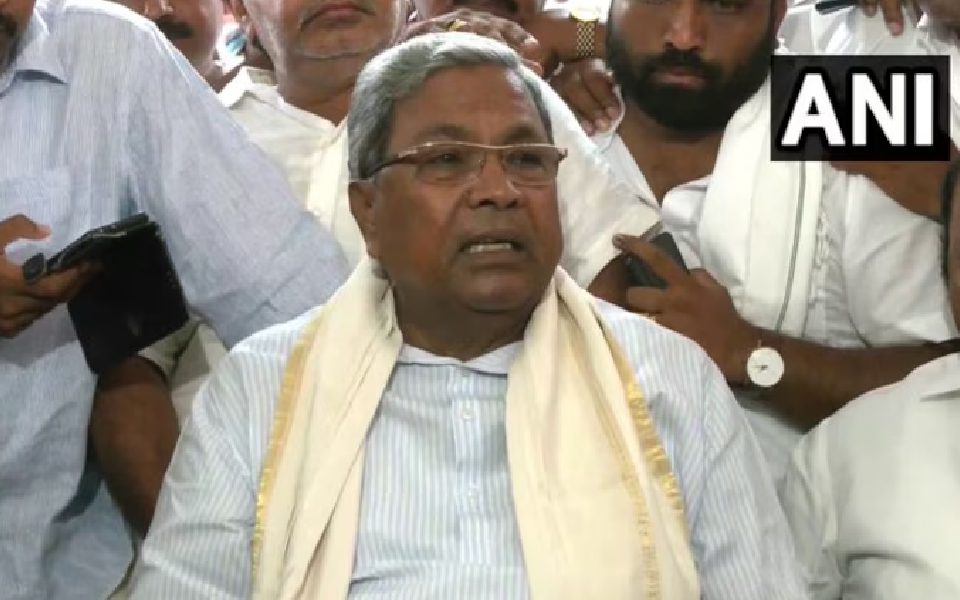
Bengaluru, Jul 2: The opposition BJP in Karnataka on Tuesday alleged that Mysuru Urban Development Authority (MUDA) has "illegally" allotted an alternative land in a posh area to Chief Minister Siddaramaiah’s wife Parvathi against the ‘acquisition’ of close to four acres owned by her.
The Chief Minister rejected the charge saying that his wife was entitled for an alternative land under the "50:50 ratio" scheme, introduced by the previous BJP government, after the MUDA formed a layout on her land without even acquiring it.
Under the scheme, a land loser gets a quarter acre of developed land against the acquisition of one acre of undeveloped land.
Siddaramaiah, who hails from Mysuru. also claimed that an alternative land was given to his wife during the previous BJP government and not during his tenure as the Chief Minister.
ALSO READ: BJP misunderstood Rahul Gandhi's statement: Home Minister Parameshwara
In a post on ‘X’, Leader of Opposition in the Karnataka Assembly R Ashoka sought to know how Siddaramaiah will justify the "illegal transfer of land."
He also alleged that when the matter came to light, the concerned officers were transferred, instead of suspending them.
Ashoka said that the Central Bureau of Investigation or a retired high court judge should have probed the matter but the government assigned two IAS officers to investigate it "only to cover up the scam."
“Who gave permission for allotment of land under 50:50 ratio? Who recommended allotment of land in posh areas? Who gave permission for the exchange of land in the posh area without cabinet approval?” the BJP leader sought to know.
Siddaramaiah said his brother-in-law Mallikarjuna had purchased three acres and 36 guntas of land in 1996 and gifted it to his sister, who is Siddaramaiah’s wife. (one acre is 40 guntas).
It was the BJP government which introduced the 50:50 ratio scheme, he said.
“MUDA did not acquire three acres and 36 guntas of land but created plots and sold them out. It is not that my wife’s property was acquired but plots were made and sold out. I don’t know whether MUDA did it knowingly or unknowingly,” the Chief Minister explained.
He added that after plots were made on his wife's land and sold out by MUDA, she was deprived of her property.
“Should we lose our property? Shouldn’t MUDA give us our land legally? When we asked MUDA about it, they said they will give us land as per 50:50 ratio. We agreed to it. Then MUDA gave us equal measurement of sites in different places. What is wrong with that?” Siddaramaiah asked.
Meanwhile, following a report in a vernacular daily about an alleged large-scale scam pertaining to allotment of alternative sites (plots) by MUDA, the Karnataka government ordered an inquiry by a panel headed by Commissioner of Urban Authorities Venkatachalapathy R.
The members in the panel are Additional Director, Town and Country Planning Shashi Kumar M C, Joint Director Town, Country Planning Commissionerate, Shanthala, and Deputy Director, Town and Country Planning, Prakash.
The panel has been asked to submit its report within 15 days, official sources said.
ಗೋಲ್ಮಾಲ್ ಸಿಎಂ
— R. Ashoka (ಮೋದಿ ಅವರ ಕುಟುಂಬ) (@RAshokaBJP) July 2, 2024
₹4,000 ಕೋಟಿ ಗುಳುಂ
ವಾಲ್ಮೀಕಿ ಅಭಿವೃದ್ಧಿ ನಿಗಮದ 187 ಕೋಟಿ ರೂಪಾಯಿ ದಲಿತರ ಹಣವನ್ನ ಗುಳುಂ ಮಾಡಿರುವ 'ಸಿದ್ಧ'ಹಸ್ತರು ಈಗ ಮೈಸೂರಿನ ಮುಡಾದಲ್ಲಿ ₹4,000 ಕೋಟಿ ಗುಳುಂ ಮಾಡುವ ಮೂಲಕ ಮತ್ತೊಮ್ಮೆ ತಮ್ಮ 'ಕೈ'ಚಳಕ ಪ್ರದರ್ಶನ ಮಾಡಿದ್ದಾರೆ.
ಗೋಲ್ಮಾಲ್ ಸಿಎಂ @siddaramaiah ನವರೇ, ಈ ಪ್ರಶ್ನೆಗಳಿಗೆ ನಿಮ್ಮ ಬಳಿ… pic.twitter.com/rhtvPuzkLW
ನನ್ನ ಪತ್ನಿಗೆ ಅವರ ತವರು ಮನೆಯಿಂದ ದಾನವಾಗಿ ಬಂದ ಮೈಸೂರಿನ ರಿಂಗ್ ರೋಡ್ ಬಳಿಯ 3 ಎಕರೆ 16 ಗುಂಟೆ ಜಮೀನನ್ನು ಮೈಸೂರು ನಗರಾಭಿವೃದ್ಧಿ ಪ್ರಾಧಿಕಾರದವರು ಸೈಟ್ ಮಾಡಿ ಬೇರೆಯವರಿಗೆ ಹಂಚಿದರು. ನಾವು ಈ ಬಗ್ಗೆ ವಿಚಾರ ಮಾಡಿ ನ್ಯಾಯ ಕೇಳಿದಾಗ 50:50 ನಿಯಮದಲ್ಲಿ ಅದಕ್ಕೆ ಬದಲಿ ಜಮೀನು ನೀಡುವುದಾಗಿ ಹೇಳಿದ್ದರು. ನಂತರ ಬಿಜೆಪಿ ಸರ್ಕಾರ… pic.twitter.com/YozVomGfl5
— Siddaramaiah (@siddaramaiah) July 2, 2024
Let the Truth be known. If you read VB and like VB, please be a VB Supporter and Help us deliver the Truth to one and all.
Rickelton's ton in vain as SRH beat MI by 6 wickets

Mumbai (PTI): Ryan Rickelton's whirlwind unbeaten ton was overshadowed by Heinrich Klaasen's unbeaten 65 as Sunrisers Hyderabad defeated Mumbai Indians by six wickets in an IPL match here on Wednesday.
Chasing an imposing 244-run target, Travis Head (76 off 30) and Abhishek Sharma (45 off 24) shared 129 runs for the opening wicket to set the platform for SRH.
Klaasen (65 not out off 30 balls) then displayed his all-round hitting abilities to guide SRH home with the help of Nitish Kumar Reddy (21) and Salil Arora (30 not out off 10) in 18.4 overs.
Earlier, Rickelton's knock powered MI to 243 for five.
MI rode on a 93-run stand between Rickelton (123 not out off 55 balls) and Will Jacks (46 off 22) in 7.1 overs for the opening stand to power the side.
MI skipper Hardik Pandya scored a valuable 31 off 15 balls before being dismissed.
Praful Hinge (2/54), Eshan Malinga (1/29), Sakib Hasan (1/39) and Nitish Kumar Reddy (1/31) were the wicket-takers for SRH.
Brief Scores:
Mumbai Indian: 243 for 5 in 20 overs (Ryan Rickelton 123 not out; Praful Hinge 2/54).
Sunrisers Hyderabad: 249 for 4 in 18.4 overs (Travis Head 76, Heinrich Klaasen 65 not out; AM Ghazanfar 2/51).