Controversy in Bhatkal over construction of Tipu Gate, Temple’s Mahadwara; Several booked
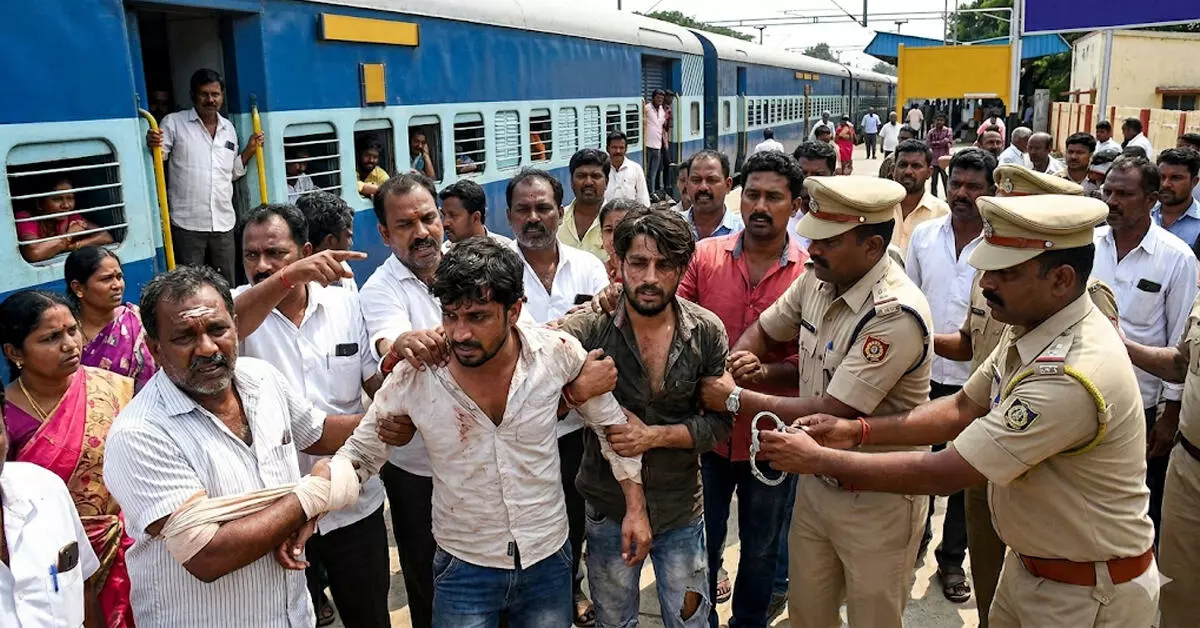
Just over a month after a major controversy centered around the name of TMC to be displayed in Urdu language on the building took place in Bhatkal, the town once again faced a similar situation of a triple threat face-off between two communities and local administration.
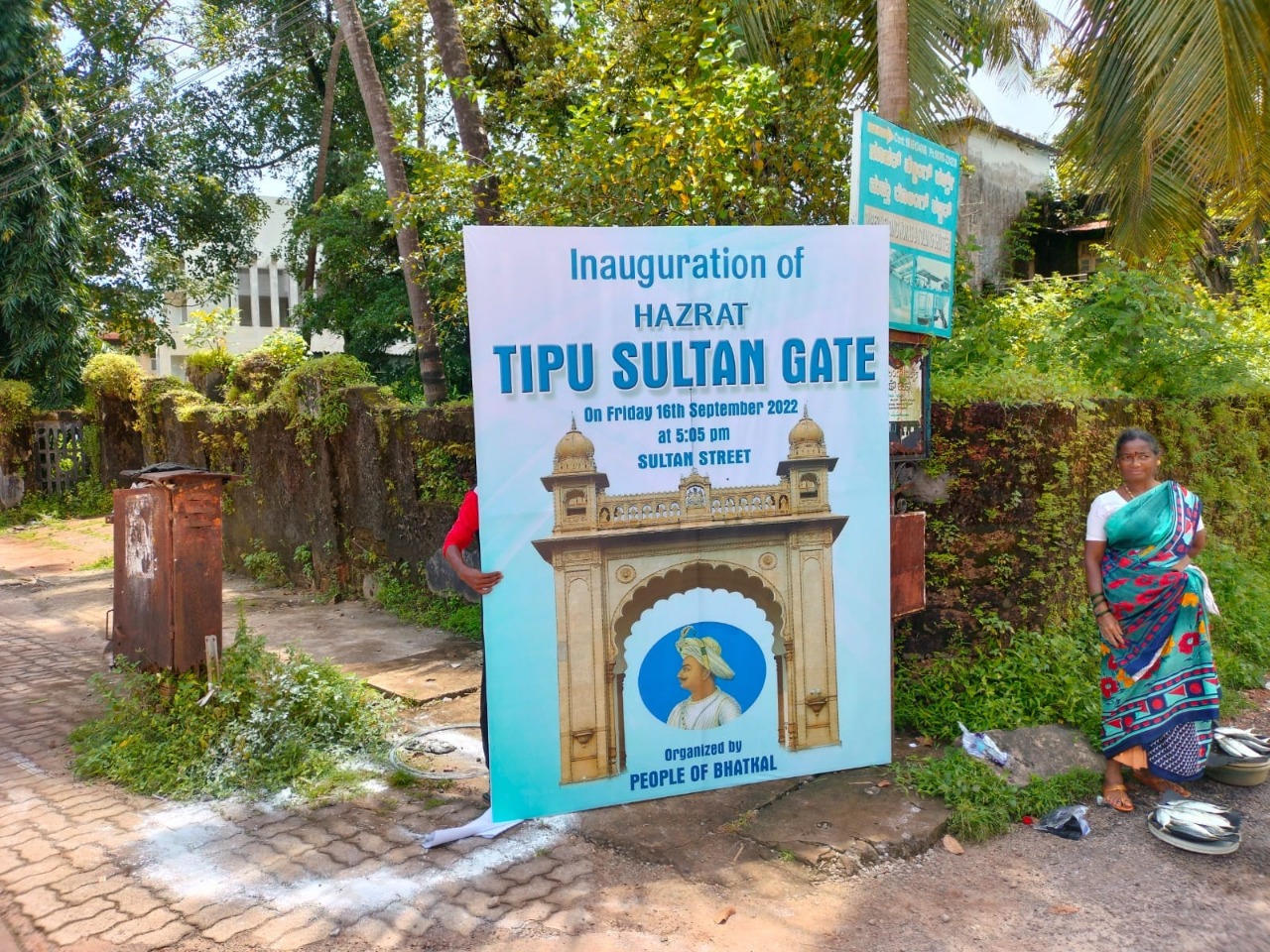
The controversy erupted when an announcement was made regarding the inauguration of “Tipu Gate”, named after Mysore ruler and freedom fighter Tipu Sultan in the town. The foundation stone laying ceremony of the gate was scheduled on Friday, September 16.
Minutes before the ceremony, the local police arrived at the spot and intervened leading to a verbal altercation between people, and the top officials of local police and the Town Municipal Council.
Members of the group that had planned to install the Tipu Gate argued that another gate (Mahadwara) was being constructed by a Nischal Makki temple committee, a few hundred meters away from the spot of where the Tipu Gate was being installed, without authorization and permission from the local administration and the administration was not intervening into their affair.
The group urged the cops to stop the construction of gate by the temple committee adding that they would stop the installation of Tipu Gate if the administration would cap other illegal constructions in the vicinity, hinting at the temple gate.
Police team led by Bhatkal Town Inspector Diwakar and TMC Officials led by Chief Officer Suresh reached the temple site leading to further altercations between the temple committee and officials of administration.
Member of the temple committee Krishna Naik verbally took on officials and dared them to seal the construction site. He threatened that the law and order would be compromised in the region if the administration was to interfere in the construction of the Mahadwara.
While those wanting to set up Tipu Gate claimed that the construction site of the temple gate falls under 100 meters range of an archeological site, meaning construction of any establishment was illegal on the site, the temple committee added that they had sought permission from Bhatkal TMC for the construction but their application went unanswered despite several reminders.
After a tense few hours, the police dispersed the two groups from the two sites and sealed both spots. They also lodged an FIR based on a complaint filed by the TMC Chief Officer. From the Tipu Gate group the police have booked Bhatkal Muslim Youth Federation (BMYF) President Azizur Rahman, advocate and activist Taimur Gawai and social worker Sami.
Krishna Naik, who is also the President of Namdhari Samaj, on the hand added that the Mahadwara’s construction was their religious right and that nobody could take it away from them.
The cops later filed the FIR against the contractor of the Mahadwara and have named the temple committee in the FIR without naming any individual.
BJP MLA from Bhatkal-Honnavar Constituency also came out all guns blazing at the local socio-political organization Majlis-e-Islah wa Tanzeem adding that it had deliberately stalled the proceedings of the construction site at the temple and that it was actively involved in hampering the peace and harmony in town. He also added that Tanzeem was using councilors backed by them in the TMC to create controversy.
He also dared the administration to stop the construction work and assured the people of extending all support for the timely construction of Mahadwara.
Bhatkal TMC President Parvez Kashimji defended the council adding that it was purely a legal matter and the officials have reacted legally. He also clarified that the Tanzeem or any councillor had no involvement in the matter.
Let the Truth be known. If you read VB and like VB, please be a VB Supporter and Help us deliver the Truth to one and all.
Nora Fatehi apologises before NCW over 'Sarke Chunar' row, vows support for orphan girls
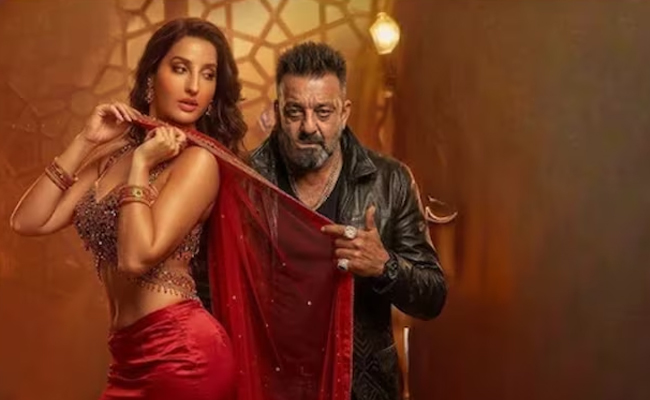
New Delhi (PTI): Actor Nora Fatehi on Thursday appeared before the National Commission for Women in connection with a controversy surrounding the song 'Sarke Chunar' and apologised, saying there was "no intention to offend anybody."
Speaking to reporters after the hearing, Fatehi said she had been put in a situation unintentionally but acknowledged her responsibility as an artist.
"It was just a situation that I was put in, and there was no intention to offend anybody. But of course, I have to be responsible as an artiste. I definitely apologise, we have done everything in writing. They have been so kind and helpful," she said.
The actor also said she has decided to sponsor the education of a few orphan girls.
"It's really important for us to give back to society. So, I decided that we should sponsor a few orphan girls, their education, so that is the goal after this matter," she said.
Earlier, Fatehi distanced herself from the Hindi version of the song, saying she had shot the Kannada version and that her permission was not taken for its use in Hindi.
The Hindi version of the song, released on March 15 on YouTube, triggered outrage among a section of the public over its allegedly explicit lyrics.
Following the backlash, the makers removed the Hindi version from YouTube, though it continued to circulate across platforms. The lyricist, singer and director have also issued apologies.
'KD The Devil' is a Kannada film, dubbed in four languages, including Hindi.