COVID positivity on rise in Karnataka, Govt urges people to get booster shot
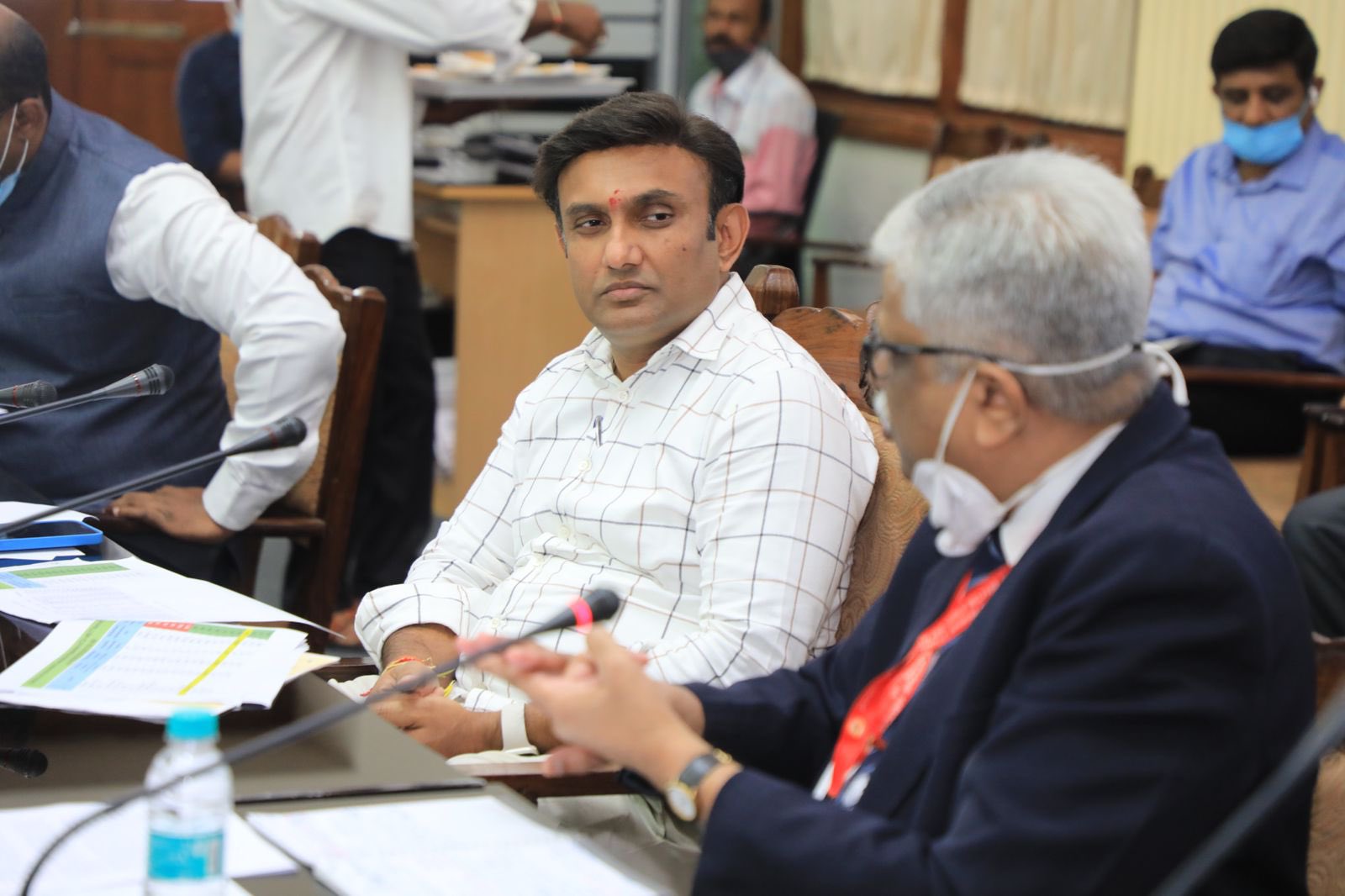
Bengaluru, Aug 11: Highlighting that the COVID-19 positivity is on the rise, Karnataka Health Minister K Sudhakar on Thursday said only 17 per cent of people have taken booster doses, and urged them to get booster shots of the vaccine.
The Minister noted that experts across the world have said that the immunity decreases or wanes after 6-7 months of taking the vaccine and the booster dose would be required to boost immunity again, also it helps reduce hospitalisations and deaths.
"Not taking the booster dose of the COVID-19 vaccine even when it has been made available free for everyone amounts to negligence and we as responsible citizens must avail it to enhance immunity," Sudhakar said.
Speaking to reporters after meeting with the COVID-19 technical advisory committee (TAC), he said the entire nation is seeing an uptick in the COVID-19 positivity rate and Delhi currently has a positivity rate of over 18 per cent.
"The average positivity rate of Karnataka is 7.2 per cent at the moment. However, the positivity rate is higher than the State average of 7.2 per cent in cities like Bengaluru, Shivamogga, Bagalkot, Bellary. Dharwad currently has the highest positivity rate," he added.
Karnataka is currently conducting 30,000 COVID-19 tests each day and as per the guidelines of the Union government, only those who are symptomatic are being tested. Even in case of primary contacts, only those who are symptomatic are being tested.
Pointing to 100 per cent completion of the initial two doses of the COVID-19 vaccine, the Minister expressed disappointment, saying only 17 per cent of people have taken the booster dose.
"Some initially blamed the government for making the booster dose paid, as the reason for the low coverage..... (but) many had become complacent and overconfident that nothing would happen to them as they had survived the previous COVID-19 waves," he said.
Stressing on the need for those above the age of 60 and those with comorbidities to take the booster dose, he said most COVID-19 deaths in recent days have been in those who had other comorbidities that worsened the effects of coronavirus.
Corbevax has been given approval by the central government for use as the booster dose and it would be inaugurated on Friday, Sudhakar said.
He said Corbevax could be taken as the booster dose irrespective of whether an individual had taken Covaxin or Covishield for their first and second doses.
Noting that no hospital can deny treatment for a COVID patient with an excuse that they don't treat the infection, he said, "every hospital must treat COVID patients in isolation wards. I have received complaints that many hospitals denied treatment like this. This is not just inhumane but also illegal. If any such complaints are received, strict action will be taken under the KPME and Epidemic act."
Sudhakar said that the TAC took a comprehensive view of the Monkeypox situation in the State.
"Till now, a total of 9 cases in the country- 5 in Kerala and 4 in Delhi have been detected. As of now, we haven't seen even a single case in Karnataka, however, surveillance and necessary precautions are being undertaken at the border districts. Hospitals have been prepped with all the necessities," he said.
The Minister said TAC also discussed other vector borne diseases such as Dengue, Malaria, H1N1 and Chikungunya and noted that there is an uptick in the number of such cases except malaria, due to heavy rains and floods that Karnataka recently witnessed.
He said that the increase in dengue could probably be also because of increased testing which was just 9,000 in 2021 and 36,000 in 2022.
Sudhakar also said that the COVID-19 TAC would be further expanded in the future to look at Malaria, Dengue and public health as a whole in Karnataka.
He said that entomologists and microbiologists will also be included in the TAC for this.
Let the Truth be known. If you read VB and like VB, please be a VB Supporter and Help us deliver the Truth to one and all.
Bengaluru jail introduces biometric tracking system for prisoners
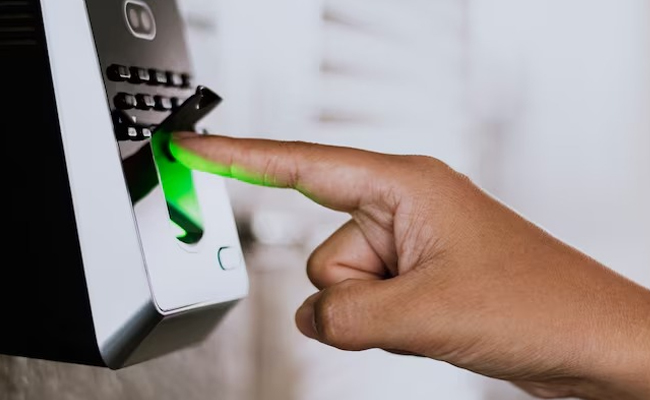
Bengaluru: In a bid to curb misconduct and illegal activities inside Parappana Agrahara Central Prison, prison authorities have introduced a new ‘Prisoners Tracking Movement System’ under which inmates will have to undergo biometric verification while entering every barrack.
According to jail officials, biometric systems have been installed across all major sections of the prison, including barracks, visitor rooms, hospital, canteen, kitchen, library, playground, handicraft units and bakery sections. Staff members have also been deployed at these locations.
Officials said inmates visiting the visitors’ room must now obtain a digital token after biometric verification. Details such as the prisoner’s name, identification number and entry time will be updated in the prison software system. This will help authorities maintain a complete digital record of inmates visiting and returning from meeting rooms.
Similar systems have also been introduced at entry points of the hospital, library and other barracks accessed for work-related purposes. Officials said the system will help identify prisoners involved in suspicious or illegal activities with other inmates and enable authorities to track how much time a prisoner spends at different locations inside the prison.
Authorities stated that AI-powered cameras were already being used inside the prison to monitor inmates as well as prison staff. Along with this, digital tracking of prisoner phone calls and a digital token system for visitor meetings have now been added to strengthen surveillance over inmate movement. Officials said the project has been implemented at a cost of around Rs 2.25 crore.
The prison department has also introduced a canteen usage tracking system to monitor prisoners’ spending patterns. Instead of direct cash payments, inmates can purchase bakery items and snacks using wallets or coupons issued within the prison system.
Officials said the digital system will record details including the buyer’s name, items purchased, quantity, date, time and remaining wallet balance. This will allow prison authorities to maintain complete expenditure records of inmates.