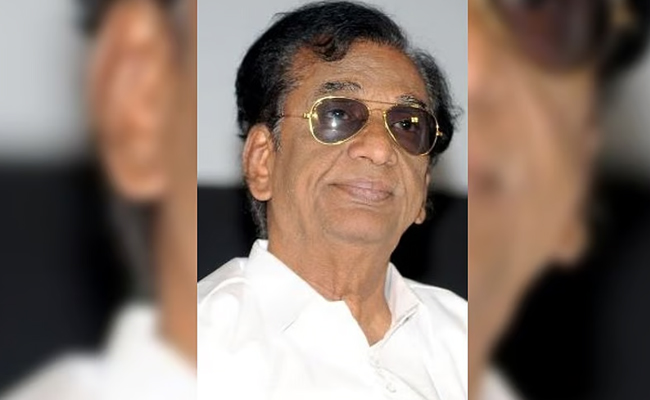
Deputy CM D K Shivakumar backs Parameshwara amid ED raids, calls him 'clean and honest'
_vb_67.jpeg)
Bengaluru (PTI): As the ED continued searches at institutions linked to Karnataka Home Minister G Parameshwara in connection with a money laundering probe tied to gold smuggling case, Deputy Chief Minister D K Shivakumar came out strongly in support of his cabinet colleague, calling him a "clean and honest man".
Defending Parameshwara, the state Congress President said, "he might gifted around Rs 15-25 lakh to Rao during some family event or marriage, but that doesn't mean he encouraged her (actress Ranya Rao) to indulge in illegal activities like smuggling."
The Enforcement Directorate is conducting searches under the Prevention of Money Laundering Act (PMLA) targeting hawala operators and accommodation entry operators accused of routing "fake" transactions into Ranya Rao's accounts.
A PMLA case was registered a few months ago after ED took cognisance of a CBI and DRI (Directorate of Revenue Intelligence) complaint into a larger gold smuggling racket in India, including the case of Rao.
"I spoke to Parameshwara, I visited him in the morning. He has given Rs 15-25 lakh, we are in public life, many run trusts. At a family event or marriage gifts might have been given. Will an influential person like Parameshwara encourage her to indulge in illegal things like smuggling?" asked Shivakumar.
Speaking to reporters here, the Deputy CM said, "If she (Rao) has done anything wrong, let her be punished in accordance with law."
"As far as Parameshwara is concerned, he is a law abiding citizen, he is the Home Minister of the state, we are proud of him, he is a big leader. He was party president for eight years, he has done a lot of service to the state. He has been an MLA since 1989 with me, he has been a Minister... He is a clean and honest man... He might have given a gift for marriage, that's all. He will answer."
Shivakumar said he met Parameshwara and assured him of the Congress party's full support.
"He is attending cabinet today," he added.
According to ED sources, an educational trust is suspected to have "diverted" funds and made a payment of Rs 40 lakh towards the credit card bill of Rao, allegedly on the instructions of an influential individual.
The sources claimed that the trust is linked to Parameshwara and the "influential" individual is a "politically exposed person". The payment for the credit bill lacked documentation or vouchers, they said.
Earlier Shivakumar said, "Charitable institutions often help people... small charity might have been done for marriage, school fees, hospital bills, such help might have been done, I'm not denying it. Rest of the matter, let's see what they (ED) will do."
Responding to a question on Chief Minister and AICC General Secretary Randeep Singh Surjewala comments on the ED raids, he said, "I stand by whatever my Chief Minister and AICC General Secretary have said. I can't take a separate stand, but whatever I have said is important."
Asked whether the party will protest against the raids, Shivakumar said the Congress will fight back legally and politically throughout the country, including the case involving Congress leader Sonia Gandhi.
"Sonia Gandhi has not done any personal property. We will definitely fight . We have faith in the court and the Court will give us justice," he added.
Let the Truth be known. If you read VB and like VB, please be a VB Supporter and Help us deliver the Truth to one and all.
Ordinance issued to increase number of Supreme Court judges from 34 to 38
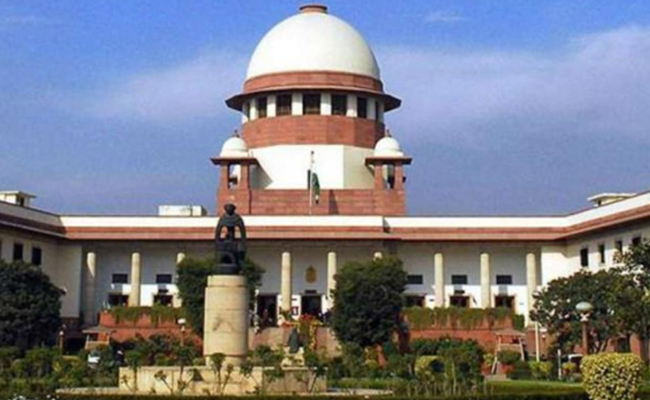
New Delhi (PTI): The government has promulgated an ordinance to increase the strength of the Supreme Court from the present 34 judges to 38, including the Chief Justice of India.
The law ministry notified the ordinance on Saturday, which amended the Supreme Court (Number of Judges) Act, 1956, to increase the sanctioned strength of the top court.
So far, the sanctioned strength of the top court was 34, including the Chief Justice of India (CJI). Now, the number of judges has been increased by four, taking the sanctioned strength to 38.
The top court will now have 37 judges, other than the CJI.
With the apex court having two vacancies at present, and the ordinance coming into force immediately, the Supreme Court Collegium will now have to recommend six names for appointment as judges in the top court.
A bill will be brought in the Monsoon Session of Parliament to convert the ordinance – an executive order – into a law passed by Parliament.
The Union Cabinet had cleared a draft bill on May 5 to increase the number of apex court judges.
The strength of the Supreme Court was last increased from 30 to 33 (excluding the CJI) in 2019.
The Supreme Court (Number of Judges) Act, as originally enacted in 1956, put the maximum number of judges (excluding the CJI) at 10.
This number was increased to 13 by the Supreme Court (Number of Judges), Amendment Act, 1960, and to 17 by another amendment to the law.
The Supreme Court (Number of Judges) Amendment Act, 1986, augmented the strength of judges from 17 to 25, excluding the CJI.
A fresh amendment in 2009 further increased the strength from 25 to 30.
Article 124(3) of the Constitution lists the qualifications required to become a Supreme Court judge.
An Indian citizen who has either served as a high court judge for at least five years, or as an advocate for 10 years, or is a distinguished jurist, can be appointed to the top court.
The strength of the Supreme Court is increased based on the recommendations of the CJI, who writes to the Union law minister. After consulting the finance ministry, the Department of Justice under the law ministry moves the Cabinet with a draft bill.