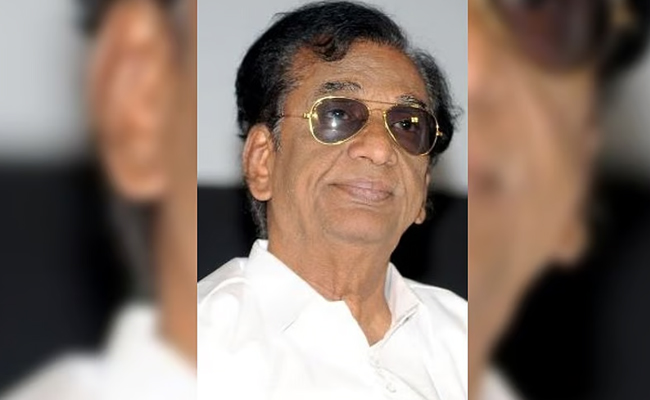
DK Shivakumar slams 'silence' of Karnataka MPs, union ministers on Andhra CM’s HAL relocation pitch

Bengaluru, May 27 (PTI): Karnataka Deputy Chief Minister D K Shivakumar on Tuesday "questioned the silence" of union ministers and MPs from Karnataka over Andhra Pradesh Chief Minister N Chandrababu Naidu’s reported pitch to shift HAL’s Advanced Medium Combat Aircraft (AMCA) and Light Combat Aircraft (LCA) production from Karnataka to his state.
He asserted that the Karnataka government would not let go of any Navaratna companies or related units that have been based in the state.
“HAL was not given to the state by the BJP government. It is because of the technical talent and scientific community here that Bengaluru became the base for the aviation and defence sector since Jawaharlal Nehru’s time,” Shivakumar said.
Speaking to reporters, he said: “Whatever Chandrababu Naidu requests from the Centre for his state politically, we don’t want to interfere. Let him secure anything new for Andhra Pradesh—we will not obstruct it.”
“But whatever we consider an asset to our state, and what has existed here from the beginning, our government will not let go of it at any cost. It is a matter of self-respect. We will ensure it stays with us. Why are our MPs silent? Even Union Ministers from Karnataka haven’t spoken. They must respond by this evening.”
Reiterating that Karnataka will not part with any Navaratna companies or related units based in the state, Shivakumar said, “We will ensure they remain here and we will protect them.”
Naidu’s Telugu Desam Party is a key ally of the BJP-led NDA government at the Centre.
According to reports, Naidu proposed this in a recent meeting with the Defence Minister. He is said to have offered 10,000 acres for HAL’s AMCA facility at the Lepakshi-Madakasira hub, about an hour from Bengaluru airport.
Large and Medium Industries Minister M B Patil, citing media reports on Monday, termed Naidu’s push for relocating HAL’s AMCA and LCA production from Karnataka to Andhra Pradesh as “inappropriate and worrying.”
Let the Truth be known. If you read VB and like VB, please be a VB Supporter and Help us deliver the Truth to one and all.
Ordinance issued to increase number of Supreme Court judges from 34 to 38
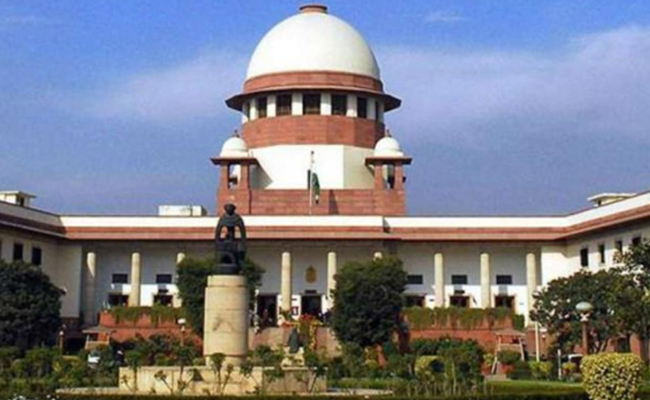
New Delhi (PTI): The government has promulgated an ordinance to increase the strength of the Supreme Court from the present 34 judges to 38, including the Chief Justice of India.
The law ministry notified the ordinance on Saturday, which amended the Supreme Court (Number of Judges) Act, 1956, to increase the sanctioned strength of the top court.
So far, the sanctioned strength of the top court was 34, including the Chief Justice of India (CJI). Now, the number of judges has been increased by four, taking the sanctioned strength to 38.
The top court will now have 37 judges, other than the CJI.
With the apex court having two vacancies at present, and the ordinance coming into force immediately, the Supreme Court Collegium will now have to recommend six names for appointment as judges in the top court.
A bill will be brought in the Monsoon Session of Parliament to convert the ordinance – an executive order – into a law passed by Parliament.
The Union Cabinet had cleared a draft bill on May 5 to increase the number of apex court judges.
The strength of the Supreme Court was last increased from 30 to 33 (excluding the CJI) in 2019.
The Supreme Court (Number of Judges) Act, as originally enacted in 1956, put the maximum number of judges (excluding the CJI) at 10.
This number was increased to 13 by the Supreme Court (Number of Judges), Amendment Act, 1960, and to 17 by another amendment to the law.
The Supreme Court (Number of Judges) Amendment Act, 1986, augmented the strength of judges from 17 to 25, excluding the CJI.
A fresh amendment in 2009 further increased the strength from 25 to 30.
Article 124(3) of the Constitution lists the qualifications required to become a Supreme Court judge.
An Indian citizen who has either served as a high court judge for at least five years, or as an advocate for 10 years, or is a distinguished jurist, can be appointed to the top court.
The strength of the Supreme Court is increased based on the recommendations of the CJI, who writes to the Union law minister. After consulting the finance ministry, the Department of Justice under the law ministry moves the Cabinet with a draft bill.