DK, Udupi, Uttara Kannada among ten Karnataka districts facing ‘very high’ heat risk: Study
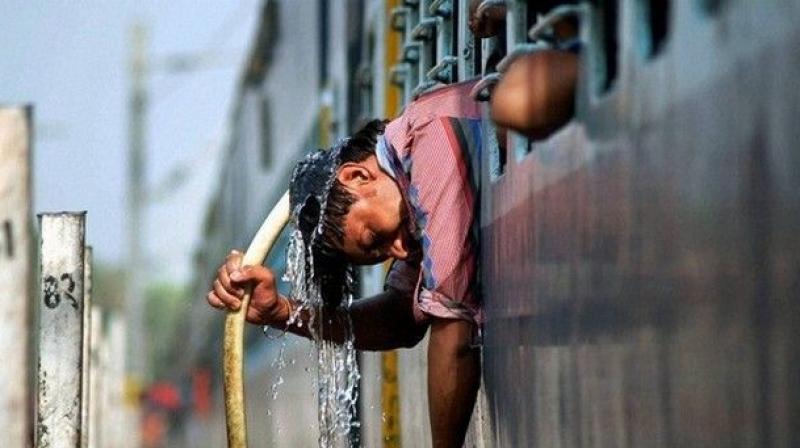
Bengaluru: A new study has revealed that ten districts in Karnataka face "very high" heat risks, with Dakshina Kannada, Udupi, and Uttara Kannada topping the list. Notably, no district in the state is classified as low-risk, highlighting the growing threat of heatwaves across Karnataka.
The findings come from an assessment by the Council on Energy, Environment and Water (CEEW), a non-profit research centre. The study, as cited by Deccan Herald, evaluated heat risks across 734 districts in India using 35 indicators to paint a detailed picture of heat hazard trends from 1982 to 2022.
Nationally, 151 districts fall into the “very high” risk category, while only 116 are considered to have low or very low risk.
Karnataka's heat risk profile is alarming, with ten districts falling under the "very high risk" category and another eighteen classified as "high risk." Only two districts—Chikkaballapur and Bengaluru Rural—are considered to be at "moderate risk," while no district in the state is listed under the "low risk" category.
The report highlighted a troubling trend: heat extremes in India have increased consistently over the past four decades, resulting in landmark heatwaves in 2013, 2016, 2019, 2022, and 2024.
Vishwas Chitale, senior programme lead at CEEW, noted that India needs to invest in long-term resilience. "States like Maharashtra, Odisha, Gujarat and Tamil Nadu are already taking pioneering steps by integrating climate and health data into local planning. Now is the time to scale these efforts nationally, using district-level risk assessments to prioritise funding and action," DH quoted him as saying.
Let the Truth be known. If you read VB and like VB, please be a VB Supporter and Help us deliver the Truth to one and all.
Ordinance issued to increase number of Supreme Court judges from 34 to 38
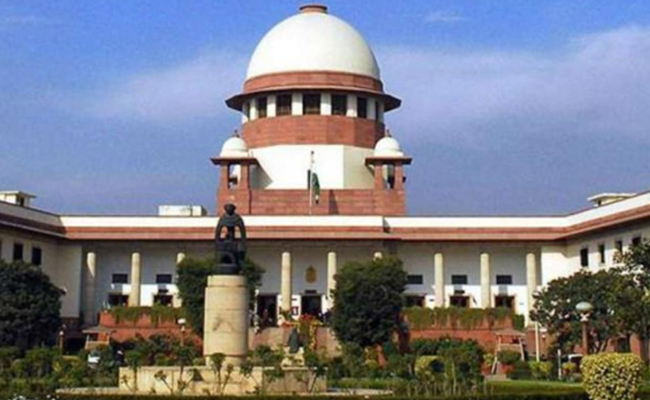
New Delhi (PTI): The government has promulgated an ordinance to increase the strength of the Supreme Court from the present 34 judges to 38, including the Chief Justice of India.
The law ministry notified the ordinance on Saturday, which amended the Supreme Court (Number of Judges) Act, 1956, to increase the sanctioned strength of the top court.
So far, the sanctioned strength of the top court was 34, including the Chief Justice of India (CJI). Now, the number of judges has been increased by four, taking the sanctioned strength to 38.
The top court will now have 37 judges, other than the CJI.
With the apex court having two vacancies at present, and the ordinance coming into force immediately, the Supreme Court Collegium will now have to recommend six names for appointment as judges in the top court.
A bill will be brought in the Monsoon Session of Parliament to convert the ordinance – an executive order – into a law passed by Parliament.
The Union Cabinet had cleared a draft bill on May 5 to increase the number of apex court judges.
The strength of the Supreme Court was last increased from 30 to 33 (excluding the CJI) in 2019.
The Supreme Court (Number of Judges) Act, as originally enacted in 1956, put the maximum number of judges (excluding the CJI) at 10.
This number was increased to 13 by the Supreme Court (Number of Judges), Amendment Act, 1960, and to 17 by another amendment to the law.
The Supreme Court (Number of Judges) Amendment Act, 1986, augmented the strength of judges from 17 to 25, excluding the CJI.
A fresh amendment in 2009 further increased the strength from 25 to 30.
Article 124(3) of the Constitution lists the qualifications required to become a Supreme Court judge.
An Indian citizen who has either served as a high court judge for at least five years, or as an advocate for 10 years, or is a distinguished jurist, can be appointed to the top court.
The strength of the Supreme Court is increased based on the recommendations of the CJI, who writes to the Union law minister. After consulting the finance ministry, the Department of Justice under the law ministry moves the Cabinet with a draft bill.