Excise Minister warns pubs about cancellation of liquor sale licences if night curfew is flouted
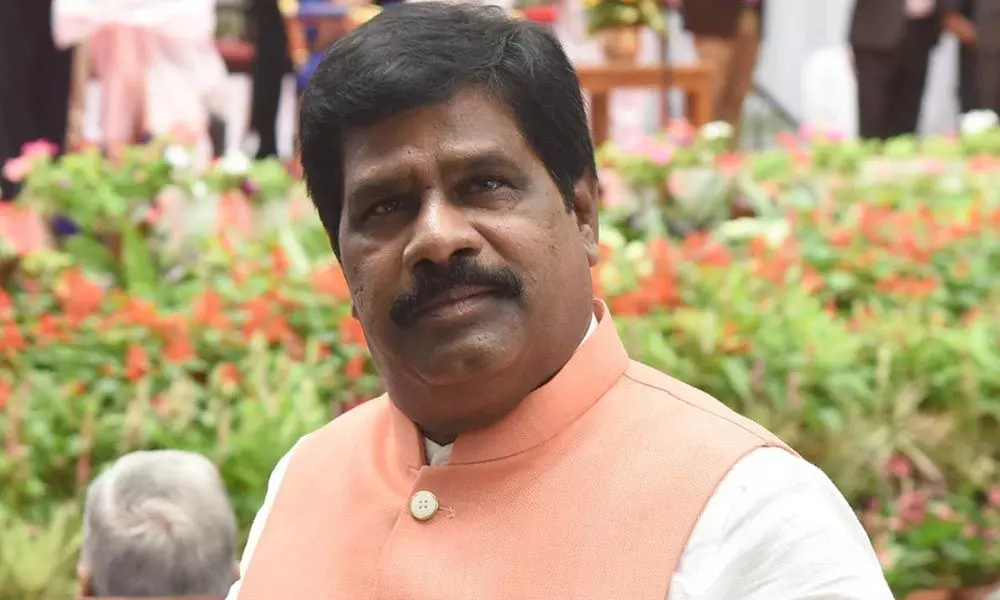
Bengaluru, Dec 23: Karnataka Excise Minister H Nagesh on Wednesday said liquor shops, bars and pubs should abide by the night curfew failing which their licences will be cancelled.
The Karnataka government on Wednesday announced imposing night curfew from Thursday from 11 pm to 5 am till January 1 to contain the spread of coronavirus whose new variant has emerged.
"I have directed the Excise Commissioner and the deputy commissioners of excise across the districts to instruct the field officers not to allow any liquor shop, marts, pub, wine stores to operate after 11 pm.
All of them should be shut down," Nagesh told reporters in Kolar.
He said any violation would be dealt with severely.
"If at all we come to know about it then we will deal with it strictly and cancel the licences. They should not be allowed to open after 11 pm," the minister said.
He said everyone has to follow the Standard Operating Procedure because allowing laxity will only result in rising coronavirus cases.
Let the Truth be known. If you read VB and like VB, please be a VB Supporter and Help us deliver the Truth to one and all.
Ordinance issued to increase number of Supreme Court judges from 34 to 38
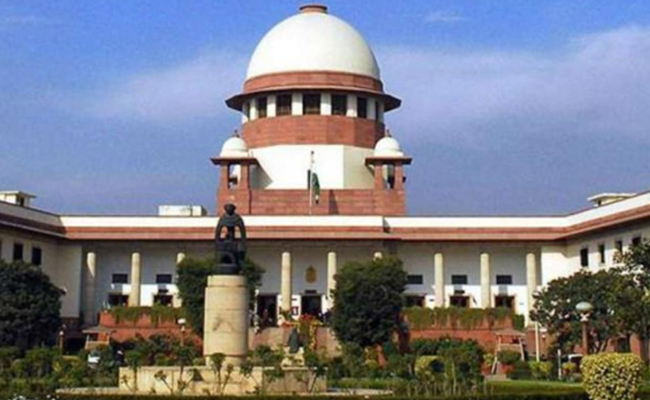
New Delhi (PTI): The government has promulgated an ordinance to increase the strength of the Supreme Court from the present 34 judges to 38, including the Chief Justice of India.
The law ministry notified the ordinance on Saturday, which amended the Supreme Court (Number of Judges) Act, 1956, to increase the sanctioned strength of the top court.
So far, the sanctioned strength of the top court was 34, including the Chief Justice of India (CJI). Now, the number of judges has been increased by four, taking the sanctioned strength to 38.
The top court will now have 37 judges, other than the CJI.
With the apex court having two vacancies at present, and the ordinance coming into force immediately, the Supreme Court Collegium will now have to recommend six names for appointment as judges in the top court.
A bill will be brought in the Monsoon Session of Parliament to convert the ordinance – an executive order – into a law passed by Parliament.
The Union Cabinet had cleared a draft bill on May 5 to increase the number of apex court judges.
The strength of the Supreme Court was last increased from 30 to 33 (excluding the CJI) in 2019.
The Supreme Court (Number of Judges) Act, as originally enacted in 1956, put the maximum number of judges (excluding the CJI) at 10.
This number was increased to 13 by the Supreme Court (Number of Judges), Amendment Act, 1960, and to 17 by another amendment to the law.
The Supreme Court (Number of Judges) Amendment Act, 1986, augmented the strength of judges from 17 to 25, excluding the CJI.
A fresh amendment in 2009 further increased the strength from 25 to 30.
Article 124(3) of the Constitution lists the qualifications required to become a Supreme Court judge.
An Indian citizen who has either served as a high court judge for at least five years, or as an advocate for 10 years, or is a distinguished jurist, can be appointed to the top court.
The strength of the Supreme Court is increased based on the recommendations of the CJI, who writes to the Union law minister. After consulting the finance ministry, the Department of Justice under the law ministry moves the Cabinet with a draft bill.