First phase of Gram Panchayat polls underway in Karnataka
A total of 1.17 lakh candidates are in the fray for 43,238 seats
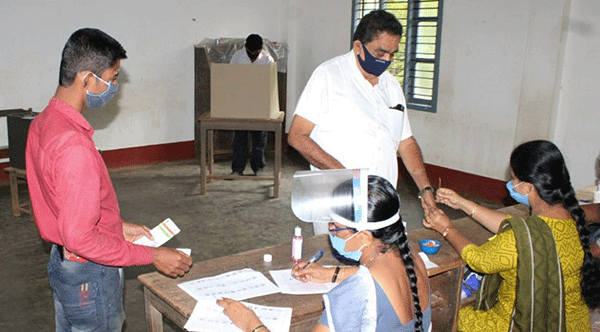
Bengaluru, Dec 22: Voting is underway for 3,019 panchayats in 117 taluks of Karnataka in the first phase of gram panchayat elections on Tuesday with COVID-19 protocols in place.
A total of 1.17 lakh candidates are in the fray for 43,238 seats, half of which are reserved for women, poll officials said.
Voting began at 7 am and will go on till 5 pm in over 23,000 booths.
A total of 4,377 candidates have been elected unopposed already, the officials said.
People who are COVID-19 positive or come under primary/secondary contacts of infected people can vote in the last hour of polling, officials said.
Elaborate security and COVID related precautionary measures have been taken for the voting, they said, adding that wearing masks and maintaining social distance is mandatory, also hand sanitisers will be available in polling booths.
The number of voters in each booth has been reduced from 1,500 to 1,000, also Anganwadi, ASHA workers and Health Department officials have been roped in for poll duty.
Though these polls don't take place on party symbols, all political parties have put in efforts to ensure that the candidate supported by them wins, so as to have their hold on grassroot level politics, which may prove advantageous for them in taluk or zilla panchayat and even assembly polls whenever they take place.
The second phase of polls is scheduled on December 27, and the counting for both phases will take place on December 30.


Let the Truth be known. If you read VB and like VB, please be a VB Supporter and Help us deliver the Truth to one and all.
Ordinance issued to increase number of Supreme Court judges from 34 to 38
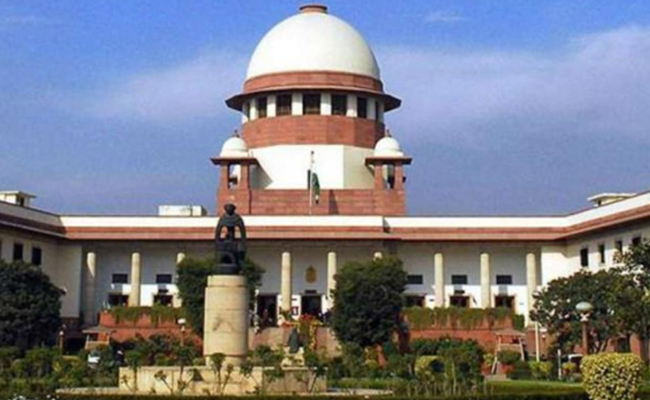
New Delhi (PTI): The government has promulgated an ordinance to increase the strength of the Supreme Court from the present 34 judges to 38, including the Chief Justice of India.
The law ministry notified the ordinance on Saturday, which amended the Supreme Court (Number of Judges) Act, 1956, to increase the sanctioned strength of the top court.
So far, the sanctioned strength of the top court was 34, including the Chief Justice of India (CJI). Now, the number of judges has been increased by four, taking the sanctioned strength to 38.
The top court will now have 37 judges, other than the CJI.
With the apex court having two vacancies at present, and the ordinance coming into force immediately, the Supreme Court Collegium will now have to recommend six names for appointment as judges in the top court.
A bill will be brought in the Monsoon Session of Parliament to convert the ordinance – an executive order – into a law passed by Parliament.
The Union Cabinet had cleared a draft bill on May 5 to increase the number of apex court judges.
The strength of the Supreme Court was last increased from 30 to 33 (excluding the CJI) in 2019.
The Supreme Court (Number of Judges) Act, as originally enacted in 1956, put the maximum number of judges (excluding the CJI) at 10.
This number was increased to 13 by the Supreme Court (Number of Judges), Amendment Act, 1960, and to 17 by another amendment to the law.
The Supreme Court (Number of Judges) Amendment Act, 1986, augmented the strength of judges from 17 to 25, excluding the CJI.
A fresh amendment in 2009 further increased the strength from 25 to 30.
Article 124(3) of the Constitution lists the qualifications required to become a Supreme Court judge.
An Indian citizen who has either served as a high court judge for at least five years, or as an advocate for 10 years, or is a distinguished jurist, can be appointed to the top court.
The strength of the Supreme Court is increased based on the recommendations of the CJI, who writes to the Union law minister. After consulting the finance ministry, the Department of Justice under the law ministry moves the Cabinet with a draft bill.