Gulf Retirees Association Karnataka raises returnee issues in high-level meetings
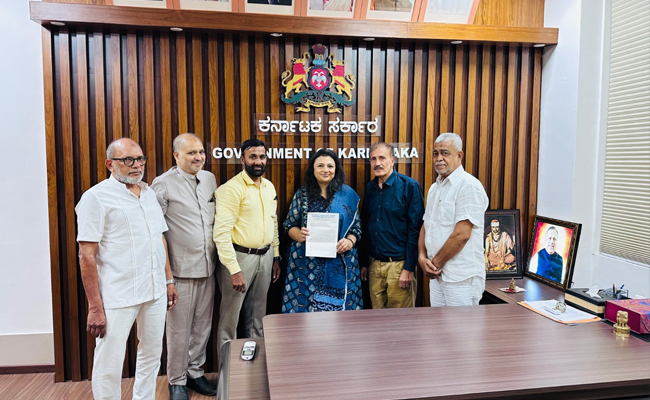
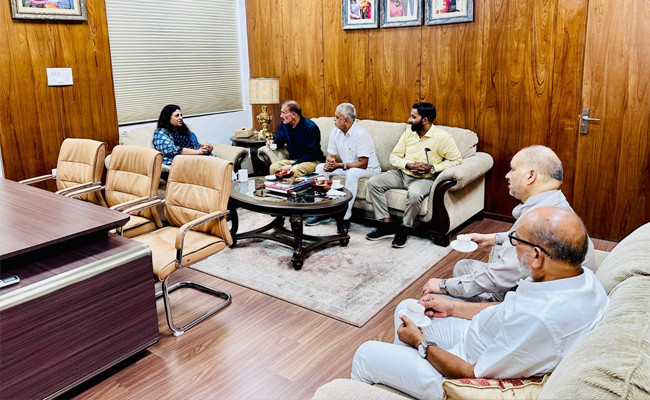
Bengaluru: The Gulf Retirees Association Karnataka, under the leadership of former NRI Shahul Hameed, met with Arathi Krishna, Deputy Chairperson of the Karnataka State NRI Forum, at her office in Vikas Soudha to discuss the challenges faced by Gulf returnees.
The meeting included a detailed interaction with individuals who had spent several years working across Gulf countries and have since returned to Karnataka. Discussions centered on a range of pressing concerns, including financial instability, employment challenges, social reintegration, healthcare access, and educational needs.
The Association highlighted the acute financial difficulties experienced by many returnees, noting that despite decades of overseas employment, a significant number return without adequate financial planning or viable job opportunities. This mismatch between their experience and available employment has led to widespread economic insecurity.
Social isolation and health-related concerns were also raised. The lack of access to affordable healthcare and social support has contributed to the struggles faced by many returnees. In response, the Association has undertaken various initiatives, including awareness programs, health camps, and counselling services to aid in the reintegration process.
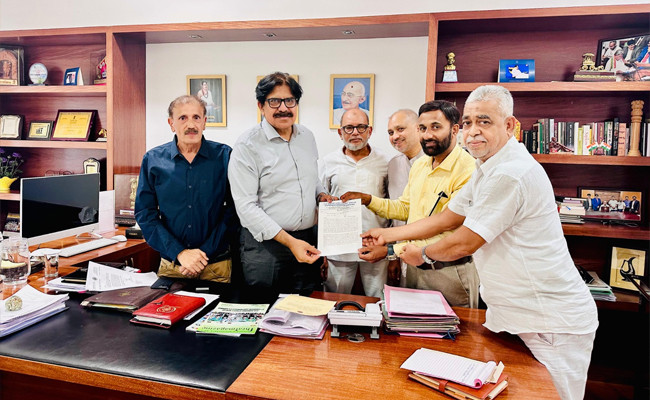
The Association urged the Karnataka State NRI Forum to take concrete steps toward policy intervention and support mechanisms tailored to Gulf returnees. A formal memorandum outlining these concerns and proposed solutions was also submitted to L.K. Atheeq, Chief Secretary to the Chief Minister, at his office in Bengaluru.
Distinguished Toastmaster Shameer Ahmed, himself a former NRI, conveyed his best wishes to the Forum and assured his continued support for future initiatives aimed at improving the lives of returnees.
Let the Truth be known. If you read VB and like VB, please be a VB Supporter and Help us deliver the Truth to one and all.
Ordinance issued to increase number of Supreme Court judges from 34 to 38
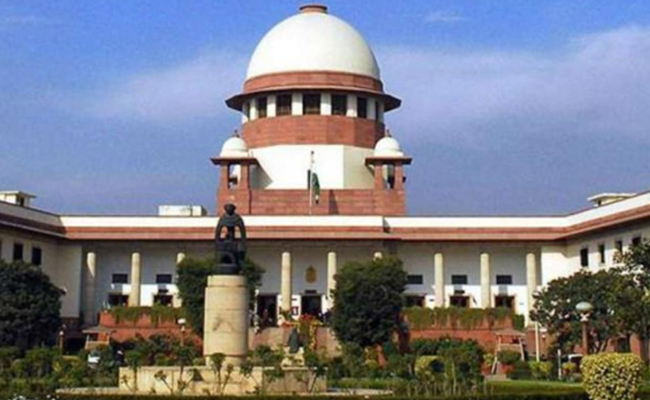
New Delhi (PTI): The government has promulgated an ordinance to increase the strength of the Supreme Court from the present 34 judges to 38, including the Chief Justice of India.
The law ministry notified the ordinance on Saturday, which amended the Supreme Court (Number of Judges) Act, 1956, to increase the sanctioned strength of the top court.
So far, the sanctioned strength of the top court was 34, including the Chief Justice of India (CJI). Now, the number of judges has been increased by four, taking the sanctioned strength to 38.
The top court will now have 37 judges, other than the CJI.
With the apex court having two vacancies at present, and the ordinance coming into force immediately, the Supreme Court Collegium will now have to recommend six names for appointment as judges in the top court.
A bill will be brought in the Monsoon Session of Parliament to convert the ordinance – an executive order – into a law passed by Parliament.
The Union Cabinet had cleared a draft bill on May 5 to increase the number of apex court judges.
The strength of the Supreme Court was last increased from 30 to 33 (excluding the CJI) in 2019.
The Supreme Court (Number of Judges) Act, as originally enacted in 1956, put the maximum number of judges (excluding the CJI) at 10.
This number was increased to 13 by the Supreme Court (Number of Judges), Amendment Act, 1960, and to 17 by another amendment to the law.
The Supreme Court (Number of Judges) Amendment Act, 1986, augmented the strength of judges from 17 to 25, excluding the CJI.
A fresh amendment in 2009 further increased the strength from 25 to 30.
Article 124(3) of the Constitution lists the qualifications required to become a Supreme Court judge.
An Indian citizen who has either served as a high court judge for at least five years, or as an advocate for 10 years, or is a distinguished jurist, can be appointed to the top court.
The strength of the Supreme Court is increased based on the recommendations of the CJI, who writes to the Union law minister. After consulting the finance ministry, the Department of Justice under the law ministry moves the Cabinet with a draft bill.