Hajj 2024: Indian Pilgrims await clearance for stay in Mina
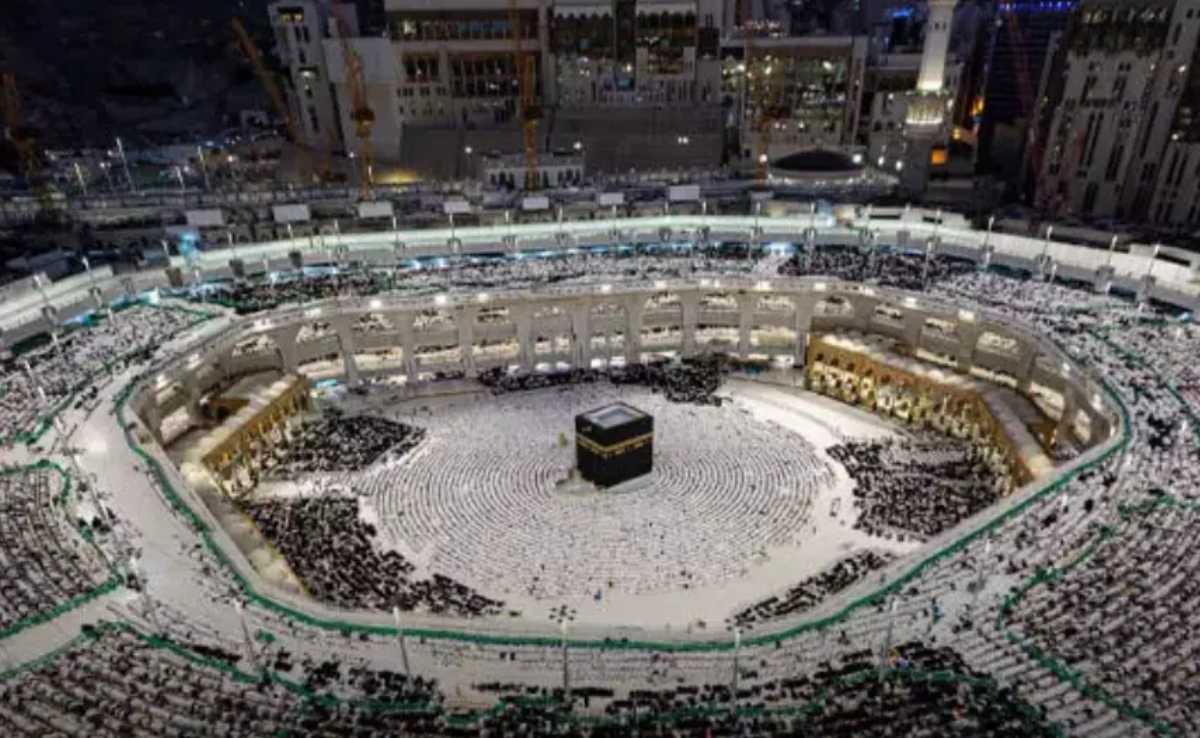
Bengaluru: As the countdown to the sacred Hajj pilgrimage commences for Indian pilgrims, uncertainty looms over their stay in the Mina zone (Place where the ‘stoning of devil’ takes place across three days). Despite private Hajj tour operators facilitating the journey of the pilgrims, the absence of clearance for Indian pilgrims to stay in Mina has caused much dissatisfaction among tour operators and pilgrims.
Meanwhile, Private Hajj tour operators also have to make other preparations before the beginning of the pilgrimage, including verification of pilgrims' documents, booking hotels, arranging accommodation for pilgrims at Arafat and Mina, appointing Muallims (a guide appointed by the Saudi Ministry of Hajj and Umrah).
Pilgrims from different states, including Karnataka and Kerala, are scheduled to begin their journey for Hajj through private tour operators from the third week of May.
While private tour operators would deposit the money of pilgrims into the IBAN (International Bank Account Number) account, this year as per the new regulations of the Saudi Arabian government, private Hajj tour operators were asked to deposit the money into the Indian Haj Mission account, from where the pilgrims would draw the money to cover the expenses incurred during the pilgrimage.
Tour operators have expressed facing difficulties in collecting money owing to the new regulations made by the Saudi government, as the process of depositing money to the IBAN account would be completed within 24 hours.
Meanwhile, Karnataka State Hajj Organizers Association General Secretary Shafi Ahmed, speaking to the Vartha Bharathi, highlighted that owing to the delays by the Indian Hajj Committee and the Indian Hajj Mission, tour operators have not been able to book hotel accomadation for piligrims. “Vaccinations should be given to the pilgrims. So far there is a lack of vaccination supply from the Ministry of Health. We have brought this matter to the attention of the Indian Hajj Committee and the State Hajj Committee.”
“Airline tickets are booked for Hajj pilgrims through operators. If the pilgrims get a chance to stay in Mina, where should we accommodate the pilgrims? If the pilgrims are not able to travel on the day we have booked air tickets, we will reportedly face a major financial hardship,” Shafi expressed concern.
“The Union government should pay attention to this matter immediately. In addition, The Government of Saudi Arabia should initiate discussions with the Indian Hajj Mission and facilitate the accommodation in Mina. At least 3 thousand pilgrims from our state will travel for Hajj this year,” he added.
Expressing that the Government of India and the Indian Hajj Mission have to work seriously in this matter, Shoukal Ali Sultan, the President of the Karnataka Hajj Organizers Association said, “Currently we are facing problems in transferring pilgrims' money to the Indian Hajj Mission account. Additionally, the fact that we are yet to get approval to stay in the Mina zone has added to our problems. We are in constant touch with the State Hajj Committee and will solve the problem as soon as possible and facilitate the pilgrims going for the pilgrimage through private tour operators.”
Let the Truth be known. If you read VB and like VB, please be a VB Supporter and Help us deliver the Truth to one and all.
Congress using hijab issue to pacify minority anger, alleges Karnataka LoP R Ashoka
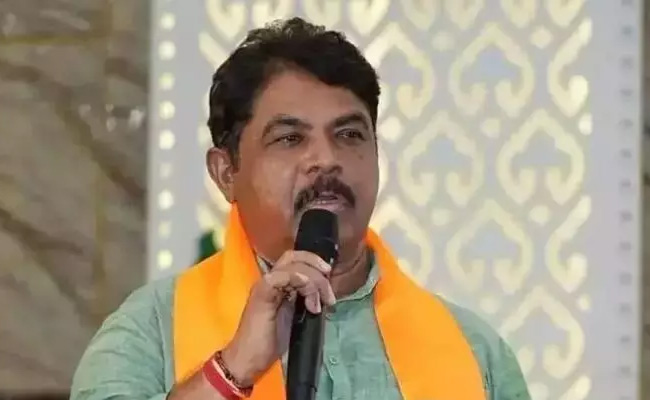
Bengaluru: Leader of Opposition in the Assembly R. Ashoka has accused the Congress government of using the hijab issue to placate what he described as discontent among minority voters after the Davanagere by-election.
In a post on X on Wednesday, Ashoka alleged that the state government, instead of addressing issues such as price rise, corruption, farmers’ distress and law and order, was attempting to retain its minority vote base by reviving the hijab issue.
Referring to the 2022 dress code introduced by the BJP government, which prohibited hijab in schools and colleges, Ashoka said the Karnataka High Court had upheld the policy and emphasised the importance of discipline in educational institutions.
He questioned the Congress government’s move to revisit the issue and asked whether setting aside the court-backed policy to benefit one community could be described as secularism.
Ashoka further alleged that while the government was willing to permit hijab, it continued to prohibit saffron shawls.
He accused the government of dividing students on religious lines rather than treating schools and colleges as spaces of equality.
Drawing a comparison with Mamata Banerjee’s government in West Bengal, Ashoka claimed that excessive appeasement politics had harmed the state and warned that the Congress in Karnataka could face a similar political response.
He said voters in Karnataka would teach the Congress a lesson for what he termed “vote-bank politics” and for compromising constitutional and judicial principles.