Karnataka approaches SC against Centre seeking release of NDRF grants to tackle drought
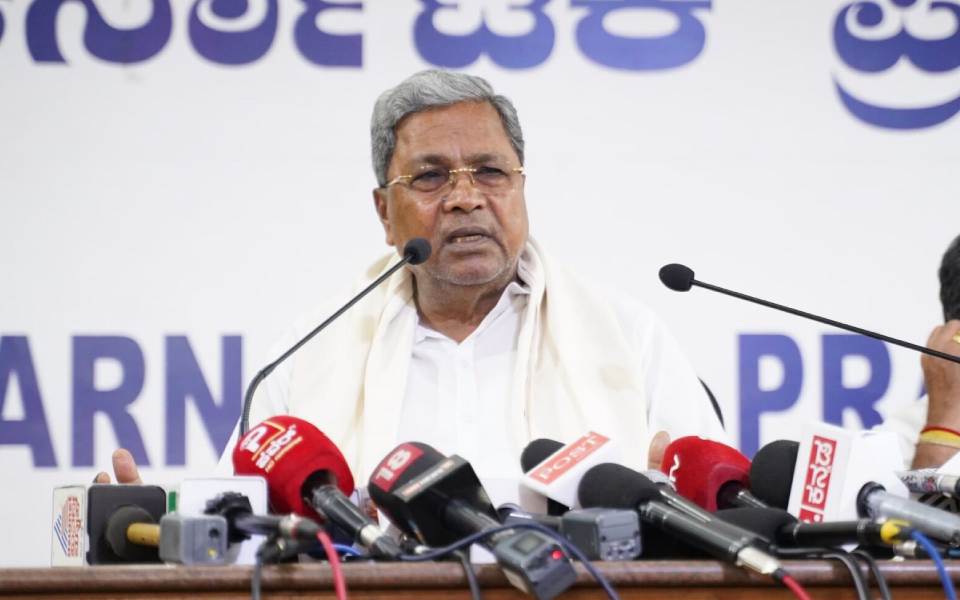
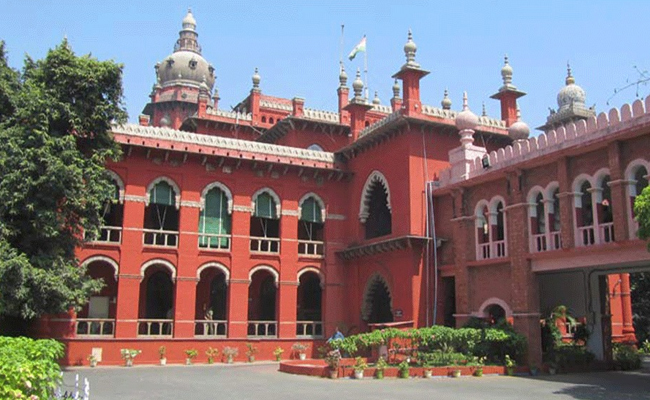
Bengaluru, Mar 23: Karnataka Chief Minister Siddaramaiah on Saturday said the state government has filed a petition in the Supreme Court demanding a direction to the Centre to immediately release grants under the National Disaster Response Fund (NDRF) to the state, which is reeling under acute drought.
Accusing the Centre of sitting on Karnataka's pleas for release of funds though there is a severe drought, he said the state government was compelled to approach the apex court.
"Today the Karnataka government filed a writ petition in the Supreme Court against the Centre after waiting for five months. Since there is vacation for a week in the Supreme Court, we did not get the endorsement. We expect it next week," Siddaramaiah told reporters here.
The petition was filed under Article 32 of the Indian Constitution to give directions to the Government of India to release NDR Funds immediately, which was supposed to be released by the Centre according to law, he explained.
ALSO READ: BJP files complaint against Minister Priyank Kharge for derogatory posts
"We have declared drought in 223 Taluks out of 236 Taluks in the state. We evaluated four times. Agricultural crops have been lost in an area of 48 lakh hectares. We sent three memoranda to the Centre in a row but we did not get even a single penny so far," the chief minister alleged.
In October last year, a Central team came to the state and conducted an inspection and submitted an Inter-Ministerial Central Team (IMCT) report to the union government. Within a month of submitting the report, the Centre has to give compensation to the state, Siddaramaiah said.
He added that when the union government did not respond to the memorandum despite the Central team's report, Karnataka Revenue Minister Krishnabyre Gowda went to Delhi but did not get an opportunity to meet the Central Minister.
"Later, on December 20, I and Krishnabyre Gowda again went to Delhi and met Union Home Minister Amit Shah and made a request. However, we were not compensated. Later, I, personally, met Prime Minister Narendra Modi in Bengaluru and made a request. However, no solution was found," Siddaramaiah charged.
The chief minister said the state government released Rs 650 crore from our treasury and gave Rs 2,000 each to 33.44 lakh farmers considering the problems faced by them. We have successfully dealt with drought situation in the state, he said.
Let the Truth be known. If you read VB and like VB, please be a VB Supporter and Help us deliver the Truth to one and all.
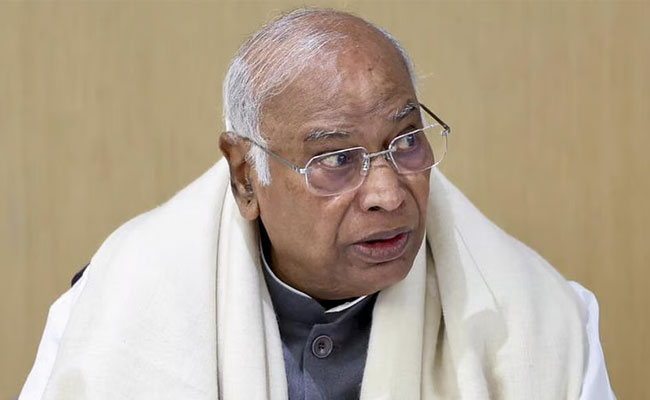
Kharge has put 'full stop' to leadership speculation in Karnataka: Minister Parameshwara
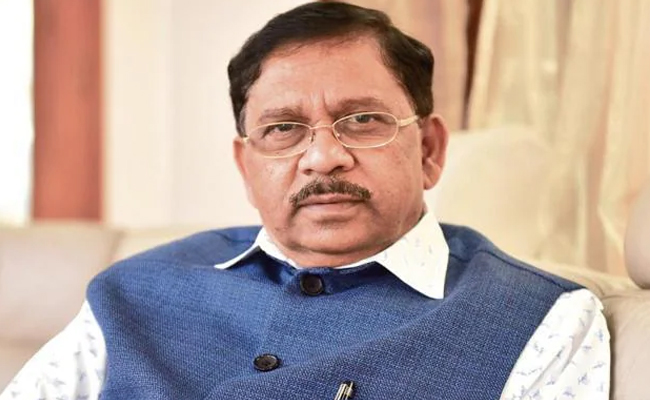
Bengaluru (PTI): Karnataka Home Minister G Parameshwara on Friday said AICC chief Mallikarjun Kharge has put a "full stop" on the issue of leadership change in the state.
Kharge's statement has a lot of significance and there ends the matter for now. Everyone in the party should respect and accept this, he said.
Parameshwara was referring to Kharge's statement on Thursday that there was no chief minister change in Karnataka "for now" and that the leadership issue in the state will be resolved soon.
Kharge's statement came amid speculation within the party and political circles about a possible decision on leadership change and cabinet reshuffle after May 4, once the results for assembly elections in four states and one union territory, along with bypolls to two assembly segments in Karnataka, are announced.
"Mallikarjun Kharge is our party's national president. He has a lot of experience. Several people, including me, have said that in the case of change (in leadership), if he (Kharge) comes (as CM), no one could speak in front of his experience and everyone would accept it. While replying to it, Kharge said that there is a chief minister now, and there is no question of change as of now," Parameshwara said.
Speaking to reporters here, he said, "I welcome his (Kharge) statement because I feel he has expressed his opinion after a discussion involving him, Rahul Gandhi, Sonia Gandhi, K C Venugopal and Randeep Singh Surjewala (both AICC general secretaries). I may be right or wrong. I feel that his statement has a lot of significance. So that matter ends there for now."
Responding to a question on repeated statements by several party leaders regarding leadership change, the home minister said, what the AICC chief has said on the matter is final. It should be respected and accepted by all in the party. There is no meaning in interpreting it further.
"I cannot respond to what others say, but I can say my opinion. In my opinion, the AICC chief is the supreme authority in the party. He, along with Rahul Gandhi and Sonia Gandhi, are our high command. If the high command has said something, we should both respect and accept it. There ends the matter," he said.
Kharge has put a "full stop" on the issue, he further said, adding that, "When he has said there is no change. It is a full stop."
Responding to a question on Parameshwara's recent statement about Kharge becoming chief minister, the AICC chief on Thursday said, "You (media), he (Parameshwara), and people at the top say that it is better if I become CM. But more than fate, as per my ideology and my service to the party so far, Sonia Gandhi makes decisions regarding me."
He had further said, "But that question does not arise now. There is already a CM here. If Sonia Gandhi, Rahul Gandhi, and I together have to take any decision in that direction, it will take some time. Let's wait and see."
Kharge on Friday too said no date has been fixed yet to discuss a possible leadership change in Karnataka.
Supporters of Deputy Chief Minister D K Shivakumar have been insisting on his elevation in line with a reported power-sharing agreement with Chief Minister Siddaramaiah when the party won the 2023 Assembly elections. Some have even claimed that "sweet news" is expected by May 15, which is Shivakumar's birthday.
The leadership tussle within the ruling party has intensified amid speculation about a possible change of chief minister after the Congress government completed the halfway mark of its five-year term on November 20, 2025.
The speculation has been fuelled by a reported "power-sharing" arrangement between Siddaramaiah and Shivakumar at the time of government formation in 2023.