Karnataka BJP MLA Suresh Kumar refuses IPL tickets, slams ‘VIP culture’
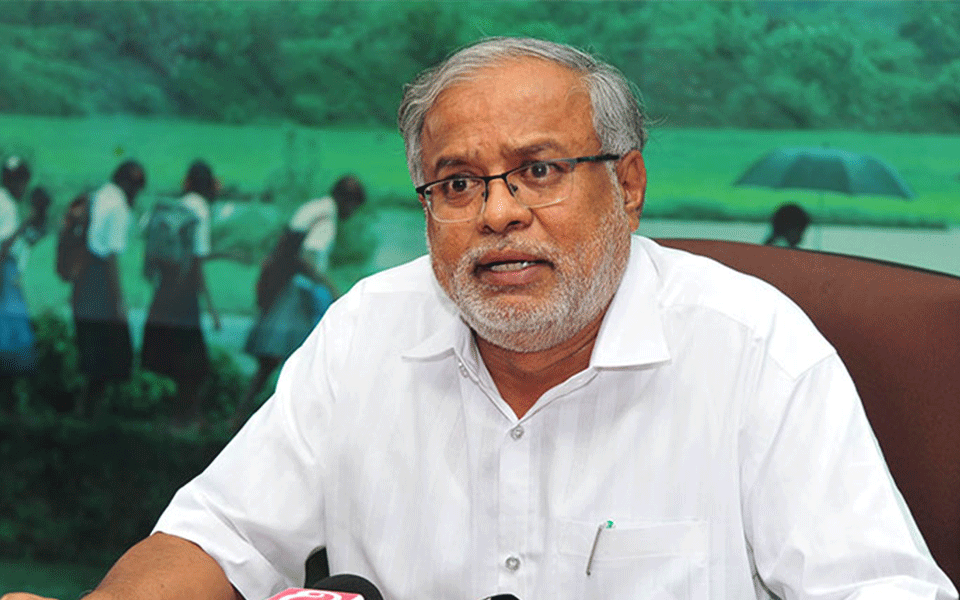
Bengaluru, Mar 28 (PTI): Calling the decision to allot two IPL tickets to MLAs "VIP culture", senior Karnataka BJP MLA S Suresh Kumar on Saturday said he does not want them.
He expressed surprise that the government was eager to make such an announcement just 24 hours after the discussion in the Assembly.
Karnataka Deputy Chief Minister D K Shivakumar said on Friday that the KSCA had agreed to provide two tickets per MLA for the IPL match on March 28 at the city’s Chinnaswamy Stadium.
IPL 2026 kicks off here with RCB facing SRH in the opening match.
ALSO READ: Karnataka chief secretary reviews security ahead of IPL opener at M Chinnaswamy Stadium
Shivakumar had met officials of the Karnataka State Cricket Association, which manages the stadium, a day after legislators across party lines raised the issue in the Assembly regarding improper ticketing and seating arrangements for them at the city’s premier venue.
During the discussion in the Assembly, Speaker U T Khader had asked the government to ensure that every MLA receives four VIP tickets for matches at the stadium.
"The state government, led by Siddaramaiah, claims to be socialist. It is truly surprising and unfortunate that VIP culture continues even under the rule of this self-proclaimed socialist CM," Kumar said in a statement.
"Oh, I forgot! When RCB won the IPL last year, we all saw the scene where this same ‘Samajwadi’ chief minister took his grandson to the victory stage built in front of the Vidhana Soudha," he added, taking a dig at the government.
ALSO READ: Case filed after men dance with weapons during Holi celebrations in Kanakagiri
Pointing out that during the deputy CM’s reply to Bengaluru’s issues in the Assembly on March 26, a non-partisan discussion suddenly began on the Chinnaswamy Stadium, IPL matches, and MLAs allegedly not being given tickets and being disrespected, he said, "I wanted to intervene and speak, but the fact that the Speaker himself joined the discussion surprised me, so I restrained myself."
"The question being asked everywhere after the Assembly concluded is whether legislators discuss the problems of the common people or talk about the facilities, privileges, status, and honours they desire," he said.
The former minister noted that following the stampede incident in June last year—in which eleven people were killed outside the Chinnaswamy Stadium during RCB’s IPL victory celebration—the Assembly held discussions in which many expressed anger and grief.
"However, today, in the same Vidhana Soudha, there is an angry discussion about tickets for the same IPL matches, with demands for respect. This has further increased public contempt for politicians," he said.
"We all call ourselves public servants, and it is surprising that 'VIP culture' is being rewarded today," he added, citing media reports that each MLA will be given two tickets for the upcoming IPL match.
ALSO READ: Bengaluru Traffic Police issues advisory ahead of IPL matches
"This is definitely not the right decision," he said.
Also expressing surprise at the government’s eagerness to make such an announcement within 24 hours of the Assembly discussion, Kumar said that people are questioning how quickly matters concerning MLAs are addressed.
"In this context, I humbly refuse the passes or tickets that I have come to know, through the media, are being given to MLAs. To put it bluntly, I do not want those tickets," he said.
"We should all remember that the more we continue to promote this ‘VIP culture’, the smaller we, as politicians, will appear in the eyes of the common people," Kumar added.
Let the Truth be known. If you read VB and like VB, please be a VB Supporter and Help us deliver the Truth to one and all.
Gujarat builds 870 MW battery power backup network to stabilise renewable energy grid
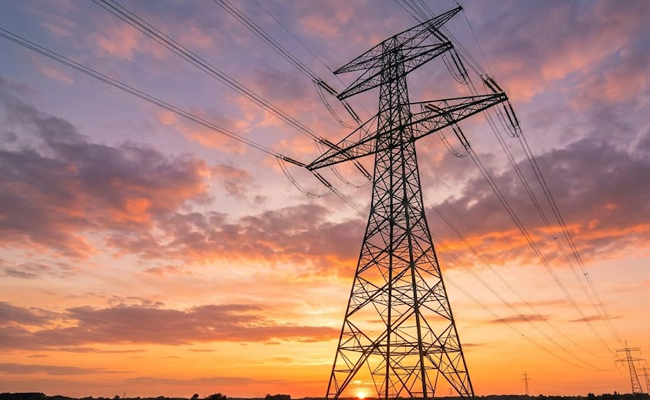
Gandhinagar (PTI): Gujarat has initiated battery storage systems at five locations in the state, with a total capacity of 870 MW, to maintain the stability of the renewable power grid, officials said on Saturday.
Battery Energy Storage Systems (BESS) are essential for storing electricity generated from solar and other renewable sources. They help manage additional load and maintain grid stability.
“Gujarat has initiated battery storage systems at five locations with a total capacity of 870 MW,” an official release stated.
The state has also registered 13 projects across Ahmedabad, Gandhinagar, Banaskantha, Patan and Kutch districts to set up additional battery storage systems, it said.
Modhera in Gujarat, India’s first solar village, has launched the country’s first BESS integrated with a solar power plant, it said.
"Under the leadership of Chief Minister Bhupendra Patel, the state has continued to advance in this direction and has strengthened its position among the leading states driving battery storage systems in India,” the release said.
Recently, a battery storage system was commissioned at Charal in the Sanand taluka of Ahmedabad, it said.
Four systems are operational at Modhera in Mehsana and Lakhpat in Kutch. The state government has also included advanced energy storage systems as a key component in the Gujarat Integrated Renewable Energy Policy, 2025, the release said.
Accordingly, standalone battery storage projects, works linked with new renewable energy installations, and those integrated with existing renewable energy systems are being approved, it said.
Once the Standard Operating Procedure is approved, registrations for battery storage will open for commercial and industrial users, it said, adding that the move will allow them to set up battery storage alongside their solar or wind projects.
The state government is developing battery storage systems across Gujarat, with companies being invited in through a competitive bidding process.
GETCO (Gujarat Energy Transmission Corporation) and power distribution companies strategically identify locations for battery storage systems based on grid capacity and operational requirements, the release said.
Power generation from solar and other renewable sources fluctuates throughout the day. Excess energy generated during peak hours can be stored and supplied later during periods of high demand, especially in the evening when solar output declines. Battery storage systems help reduce stress on the grid and improve grid stability, it added.