Karnataka Cong forms committee to study process, modalities for student union election
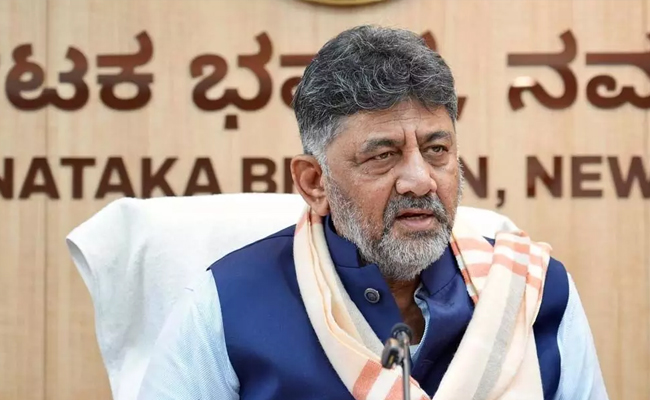
Bengaluru (PTI): Karnataka state chief of the ruling Congress, D K Shivakumar, has constituted a committee of party leaders to study the process and modalities for conducting student union elections in the state, and to submit a report.
Shivakumar, who is also the Deputy Chief Minister, during a recent Constitution Day event, had spoken about the plans to reintroduce student union elections in Karnataka, which he said would create political leadership on campuses.
Medical Education Minister Sharan Praksah Patil has been appointed as the convenor of the nine-member committee, which includes Higher Education Minister Sudhakar, MLAs, MLCs, and state presidents of Youth Congress and National Students' Union of India (NSUI).
The committee has been asked to submit its report and recommendations within 15 days, Shivakumar said in a letter dated December 27.
ALSO READ: Sakleshpur Town Police seize 269 grams of ganja, two arrested
"Conducting elections to student unions promotes democratic representation among students. Based on the views expressed by party leaders and workers that it helps in maintaining academic discipline and develops leadership qualities among students, the Karnataka Pradesh Congress Committee (KPCC) has considered conducting elections to student unions," he said.
The committee is being formed, aimed at obtaining detailed information about the current conditions and the feasibility for conducting such elections, the KPCC chief said, adding that the committee will have to submit a comprehensive report with recommendations.
Student elections were banned in Karnataka in 1989 by the then Congress government led by Chief Minister Veerendra Patil, reportedly in response to a series of violent incidents and clashes on college campuses, as well as the increasing influence of political parties in campus life.
Terms of Reference (TOR) for the committee include studying and recommending on the stages at which elections can be held; pros, cons and consequences of holding elections; to provide a detailed report on whether elections should be held under the name of a party or based solely on ideologies or in a non-political manner, with the aim of student welfare.
The committee will also study aspects like election and candidacy qualifications; information about the process and system for conducting elections; election costs and transparency; complaint resolution and security system; representation and inclusive education (participation); reservation of seats or quota for women, marginalised communities and students with disabilities, and regarding determining the duration of the student union without disrupting the education and academic schedule of the students.
Shivakumar had on several occasions recalled his days as a student leader and how they nurtured his political growth.
Let the Truth be known. If you read VB and like VB, please be a VB Supporter and Help us deliver the Truth to one and all.
Pawan Khera denied anticipatory bail in passport case: Cong stands up for senior member
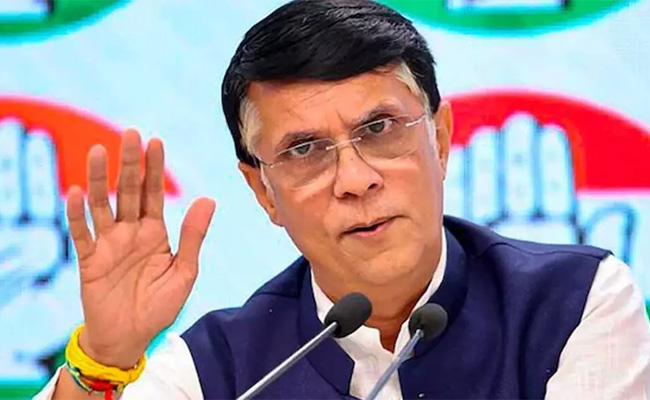
New Delhi: The Congress party has stood by Pawan Khera, the Chairman of the party’s Media and Publicity Department, expressing confidence that regardless of hurdles like politics of threat and intimidation, justice would emerge victorious.
Khera was denied anticipatory bail by the Gauhati High Court on Friday in the case filed against him by Assam Chief Minister Himanta Biswa Sarma's wife Riniki Bhuyan Sarma for alleging that she possessed not only multiple passports but also undisclosed properties abroad.
Senior Congress leader Jairam Ramesh has said in a post in Hindi on his ‘X’ account, “The entire Indian National Congress stands in solidarity with Pawan Khera, the Chairman of its Media and Publicity Department. The process to challenge the Gauhati High Court’s decision in the Supreme Court is underway.” In the post, which he put up on Friday, Ramesh has added, “We are confident that justice will prevail over the politics of threats, intimidation, and harassment.”
Bhuyan Sarma has lodged also an FIR seeking legal action against Pawan Khera for his allegations that she possesses passports of three countries and owns a company in the US, which had invested Rs. 50,000 crores. She has filed criminal cases against the Congress leader at the Guwahati Crime Branch Police Station under various sections of the Bharatiya Nyaya Sanhita (BNS).