Karnataka govt likely to announce more COVID containment measures this week
Bengaluru(PTI): Faced with fresh COVID-19 threats, the Karnataka government is considering more containment measures to control the spread of the virus and the state cabinet is likely decide in this regard, later this week after consulting experts.
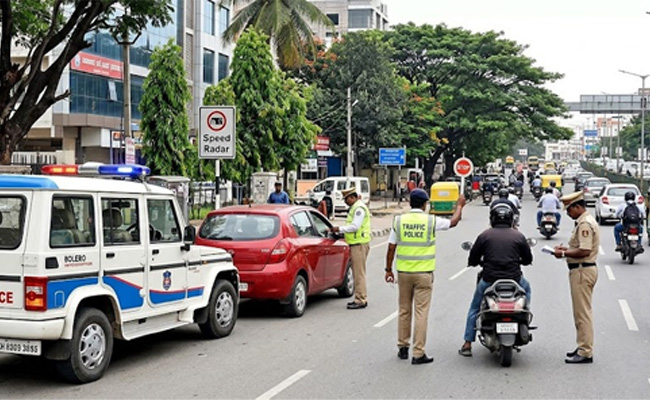
The government has already imposed containment measures like "night curfew" from 10 PM to 5 AM, since December 28 till January 7 morning, to control the spread.
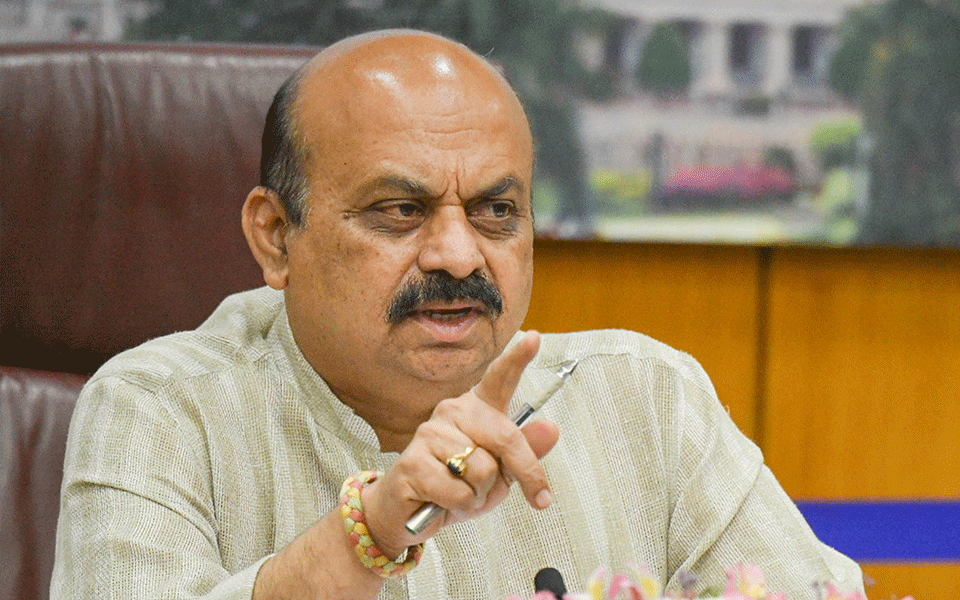
"We are monitoring both COVID and Omicron situation, it is spreading at a very fast pace in the country, in the state and in neighbouring states, so we need to have a discussion with experts. In this regard I will have a discussion with experts tomorrow evening," Chief Minister Basavaraj Bommai said on Monday.
Speaking to reporters here, he said, the cabinet during its meeting on Thursday will discuss the situation in the state and the measures that need to be put in place, and decide on certain long term measures.
"Having the experience of managing the earlier two waves, we have already asked the experts to recommend containment measures, with limited impact on daily lives of the people," he further said, calling on the citizens to show self- control by following the COVID guidelines.
Karnataka has been witnessing a surge in COVID cases over the last five days, with daily figures crossing the 1,000 mark.
This even as 10 more cases of the Omicron variant of the coronavirus were detected in Karnataka on Sunday, taking the state's tally to 76.
Noting that vaccination drive for 15-18 year-old children is beginning today across the state, the Chief Minister said, the government plans to make this an widespread drive as the aim is to bring youngsters within the "Corona safety circle".
"The drive is being held at schools, where children between these age groups are being vaccinated, on the basis of their identity and Aadhaar cards," he said, requesting for cooperation from students, parents, teachers and health workers.
Responding to a question on Congress organising the Mekedatu padayatra (march) from January 9, amid COVID restrictions, Bommai said, "let's see I'm observing what they are doing. In tomorrow's meeting we will discuss the general behaviour that needs to be followed, and it will be applicable to everyone, not only to them."
The Congress is organising the march from Mekedatu to Bengaluru, covering a distance of over 100 km, demanding the implementation of the Mekedatu project across river Cauvery, which neighbouring Tamil Nadu is opposed to.
Let the Truth be known. If you read VB and like VB, please be a VB Supporter and Help us deliver the Truth to one and all.
Gunmen attack building housing Israeli Consulate in Istanbul
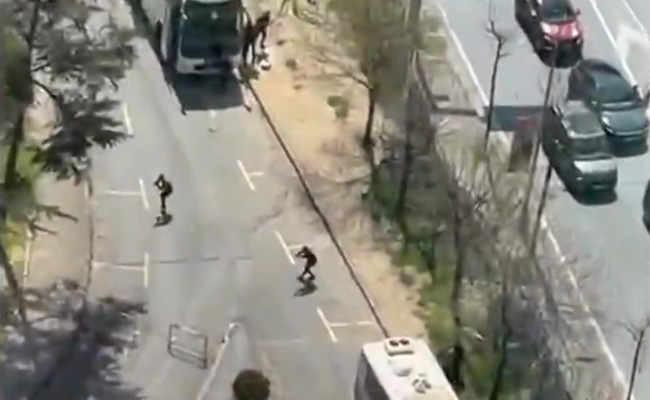
Istanbul (AP): A gunfight erupted outside a building housing the Israeli Consulate in Istanbul on Tuesday, leaving two assailants dead and a police officer wounded, Turkiye's Haberturk broadcaster reported.
The report said attackers were carrying long-barreled weapons. An exchange of fire with police killed two, while a third assailant was captured. One officer sustained injuries during the clash.
The area surrounding the building was quickly sealed off.