Karnataka HC adjourns hearing on BBMP election petition to Jan 9
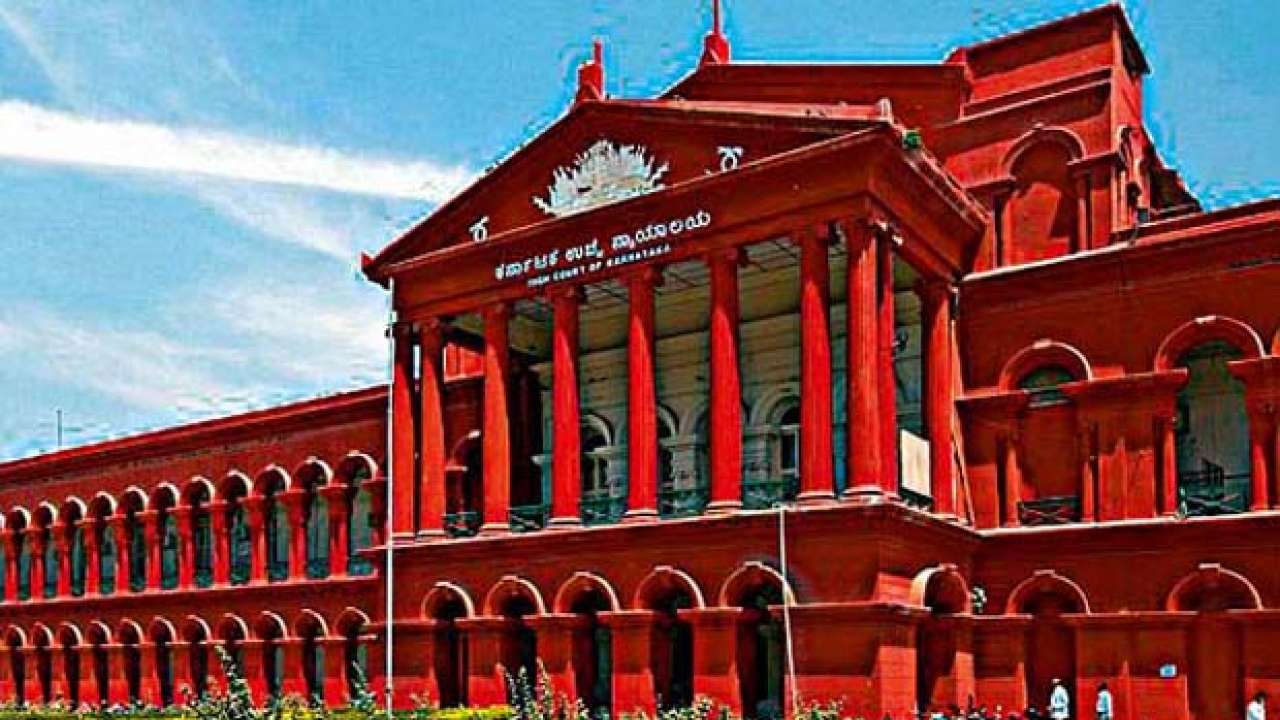
Bengaluru, Dec 14: The High Court of Karnataka adjourned to January nine the hearing of the petition by the Karnataka State Election Commission (SEC) regarding conducting election to the Bruhat Bengaluru Mahanagara Palike (BBMP).
On Wednesday, the SEC informed the court that it has filed an application before the Supreme Court seeking a direction in this regard, which is likely to come up for hearing on December 15..
The state government has also approached the SC with an application seeking time to conduct the election.
On Wednesday, Justice Hemanth Chandangoudar recorded the submission on SEC and adjourned the hearing.
On September 30, the HC, which had earlier set aside the August four reservation list of the Govt, ordered that the new reservation list to the 243 wards of BBMP be finalised by September 30, and election be conducted to the BBMP before December 31..
Subsequently, on the date of the deadline for the new list, the Urban Development Department sought three more months to follow the HC order.
Let the Truth be known. If you read VB and like VB, please be a VB Supporter and Help us deliver the Truth to one and all.
NIA court to complete framing of charges against 2010 hand-chopping case accused on May 15

Kochi (PTI): A special court here will complete proceedings for framing charges against the prime accused in the 2010 hand-chopping case involving professor T J Joseph, in which PFI activists were accused of attacking him at Muvattupuzha.
Ernakulam Special Court for NIA cases judge P K Mohandas, on April 30, heard the arguments of counsel for accused Savad and Shafeer C and decided to proceed with framing charges against the duo.
A group chopped off Thodupuzha Newman College professor Joseph's right hand in July 2010, accusing him of religious blasphemy in a question paper he had prepared.
The case, later taken over by the National Investigation Agency (NIA), resulted in the conviction of 19 accused.
The first accused, Savad, who allegedly chopped off Joseph’s palm, was arrested in Berram in Mattannur, Kannur, in January 2024, where he had allegedly been hiding under the pseudonym Shajahan.
The NIA also arrested Shafeer, who allegedly arranged shelter and provided logistical support to Savad at Chakkad and Mattannur in Kannur since 2020.
On April 30, the court heard the counsel for the accused and the NIA prosecutor on framing charges against the duo.
"On going through the documents and evidence in the case and on hearing the counsel for the accused and the prosecutor, I am of the opinion that there are grounds for presuming that the first accused has committed offences punishable under provisions of the IPC, the Explosive Substances Act and the Unlawful Activities (Prevention) Act, and that the second accused has committed offences punishable under the IPC and the UAPA, and there are materials for framing charges under these provisions against the accused," the court said.
The court directed that Savad be produced and Shafeer, who is on bail, appear before it on May 15 for recording their pleas as part of the charge-framing process.
After framing the charges, the court will schedule the trial in the case.