Karnataka HC allows Ganesh Chaturthi celebration at Chamrajpet Idgah Maidan
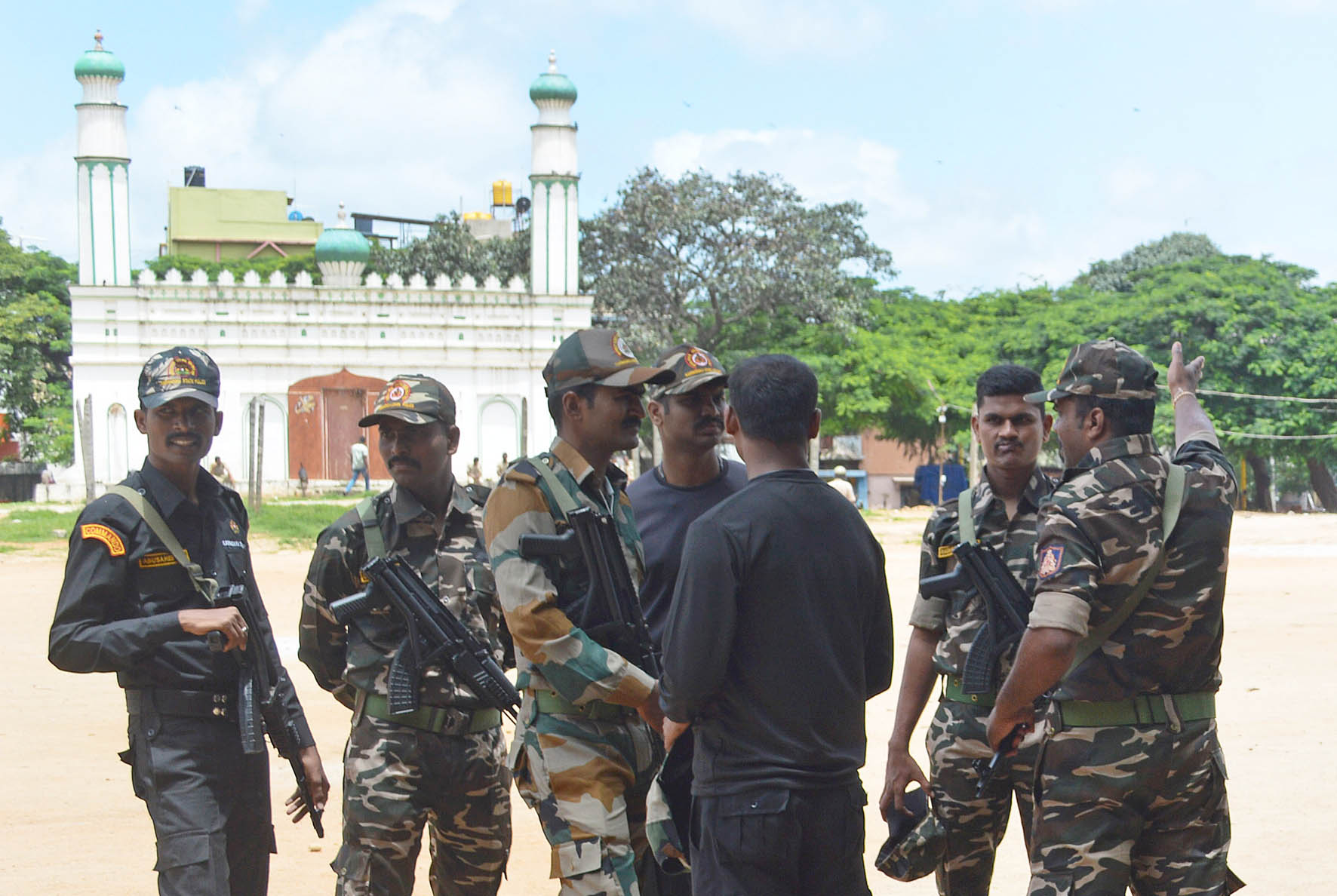
Bengaluru, Aug 26: A Division Bench of the High Court of Karnataka on Friday modified an interim order of a Single Judge Bench on the Chamrajpet Idgha playground dispute, saying religious and cultural activities can be allowed by the government there, but for a limited period from August 31.
The Karnataka High Court allowed the government to take a decision on granting permission for Ganesh Chaturthi celebrations at the disputed Idgah Maidan in Bengaluru's Chamarajpet.
The Single Judge had, on Thursday, ordered that the 2-acre of land should be used only as a playground and Muslims should be allowed to pray there on only two festivals- Bakrid and Ramzan- till the case was disposed.
Today, the State government approached the Division Bench, headed by the Acting Chief Justice Alok Aradhe, with an appeal and he said religious and cultural activities can be allowed by the government on the said land.
"The Indian society comprises religious, linguistic, regional or sectional diversities. The Constitution of India itself fosters brotherhood amongst various sections. The principal of religious toleration is the characteristic of Indian civilisation. We, therefore, at this stage, in the peculiar facts of the case, modify the interim order dated August 25, 2008 and permit the government to consider and pass appropriate orders on the applications received by the Deputy Commissioner seeking use of the land in question for holding religious and cultural activities for a limited period from August 31, 2022 onwards," the court said.
The case was adjourned to September 9.
The Hindu organisations sought permission for holding the Ganesh Chaturthi festival at the maidan.
The Joint Commissioner (west) of the Bruhat Bengaluru Mahanagara Palike (BBMP) had ruled that the property belonged to the Revenue Department following the civic body's Chief Commissioner's directions to verify the ownership of the land.
However, the Karnataka State Board of AUQAF and District Waqf Officer, Bengaluru challenged the August 7 order of the Joint Commissioner before the Single Judge, who had ordered the status quo.
The original property dispute dates back to 1955 and the Supreme Court had ruled in favour of the Waqf in 1965.
The decades-old dispute over Idgah Maidan had once again come to the fore earlier this year, when some Hindu outfits sought BBMP's permission to hold events there.
This resulted in two contrary sets of documents emerging -- the Karnataka State Board of Auqaf presented a 1965 gazette notifying the land as Wakf property and the 1974 City Survey records and all other civic records thereafter showed the land to be a playground.
In the meantime, following the BBMP order, several Hindu organisations announced they would celebrate Independence Day on the ground. Also, local Congress MLA B Z Zameer Ahmed Khan had announced they would go ahead and hoist the tricolour there.
However, the State Revenue Department organised the Independence Day event and an assistant commissioner-rank official hoisted the flag on August 15 for the first time at the Idgah maidan.
Let the Truth be known. If you read VB and like VB, please be a VB Supporter and Help us deliver the Truth to one and all.
Defamatory post against Dharmasthala Veerendra Heggade: Case registered against Girish Mattannavar
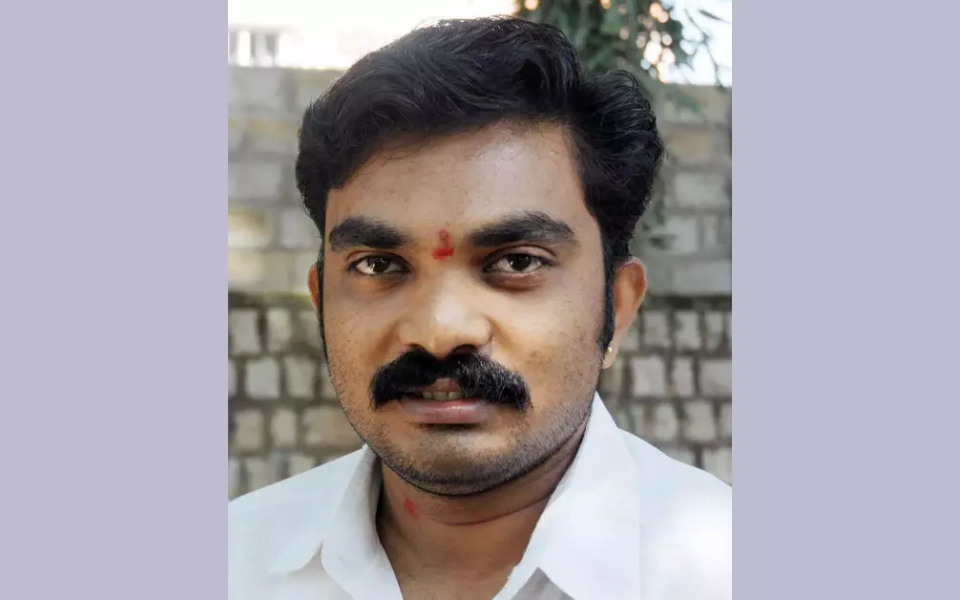
Belthangady: A case has been registered at Dharmasthala police station against Girish Mattannavar over a complaint regarding alleged defamatory posts on social media against Dr. D. Veerendra Heggade, Dharmadhikari of Sri Kshetra Dharmasthala.
The complaint was filed by Subrahmanya Prasad, a resident of Dharmasthala.
The complainant stated that Mattannavar posted content on Instagram making allegations against Dr. Heggade and allegedly affecting his reputation.
Based on the complaint, a case was registered under Section 353(2) of the Bharatiya Nyaya Sanhita (BNS), which is related to spreading false information, rumours, or alarming news, on April 18, and the investigation is in progress.
Following information about Mattannavar’s appearance at the SIT office on May 7, a police officer from Dharmasthala police station issued a notice directing him to appear at the station within a week.