Karnataka HC extends stay on cinema ticket price cap, issues directions on sales, refunds
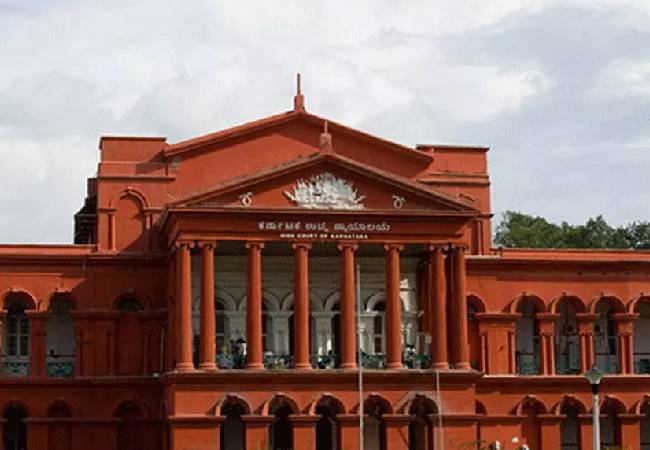
Bengaluru (PTI): The Karnataka High Court has extended its stay on the Rs 200 ceiling imposed on cinema ticket prices across multiplexes in the state.
According to an official statement from the Department of Information and Public Relations (DIPR), the Principal Bench on a writ appeal filed by the Karnataka State Film Chamber of Commerce against the Multiplex Association of India, upheld the stay granted on September 23 and issued detailed directions on ticket sales and refunds in its order dated September 30.
"All multiplexes under Respondent No. 1 are directed to maintain comprehensive and auditable records for every ticket sold. These records must include: date and time of sale, mode of booking (online or physical counter), mode of payment (credit/debit card, UPI, net banking, or cash), amount collected including GST, digitally traceable receipts for all cash transactions, and daily cash register countersigned by the manager-in-charge," the order stated.
The court further said that if the petitioners succeed in the final adjudication, all amounts collected electronically (excluding GST) must be refunded to consumers through the same mode of payment. A refund processing plan must be submitted to the Licensing Authority within 45 days for approval and subsequent vetting by the High Court.
Emphasising compliance from both consumers and multiplex owners, the court observed that consumers are entitled to the ticket price paid, while multiplexes must maintain complete records of all sales to facilitate refunds if necessary.
It said the measures were aimed at protecting consumer interests while balancing the concerns of the state and cinema operators.
Let the Truth be known. If you read VB and like VB, please be a VB Supporter and Help us deliver the Truth to one and all.
Cristiano Ronaldo scores his 100th Saudi Pro League goal

Riyadh (AP): Cristiano Ronaldo scored his 100th Saudi Pro League goal as Al-Nassr beat Al-Shabab 4-2 to move five points clear at the top of the table.
The 41-year-old forward converted a Sadio Mané cross at the near post with 15 minutes remaining to record the 971st goal of his career on Thursday. It was also his 26th league goal of the season.
“Ronaldo is always dangerous going forward and we saw that again today,” Al-Nassr coach Jorge Jesus said.
João Félix, signed from Chelsea in July, scored three goals for the league leaders.
The win took Al-Nassr to 82 points from 32 games, five ahead of Al-Hilal, which has three matches, one more than Nassr, left to play. Al-Hilal meets Al-Kholood on Friday and faces Nassr on Tuesday in what could be a title decider against its Riyadh rival.
“Now we have a derby match against our rival, which is a difficult encounter,” Jesus said.
“We are fully aware of its importance, and we are dealing with it with complete focus as we know that small details could decide the result.”
Ronaldo, a five-time Ballon d'Or winner, has yet to secure a major trophy in Saudi Arabia since signing with Al-Nassr in December 2022.